South Africa
In 2021 I finally visited South Africa. It was my first time here, and I could hardly wait to go on African safaris again after my trip to Namibia in 2015.
Details
Visit: November 14th - November 30th 2021
Season: Spring
Start / End: Cape Town
Transport: Rental Car
Just two years earlier in Costa Rica, I had fallen in love with watching and photographing wildlife, so my anticipation for elephants, giraffes, rhinos, lions, and everything else the parks had to offer was extremely high. One thing upfront: I was not disappointed.
Anyone who remembers 2021, however, will know that we were still in the middle of the COVID crisis. At least it was already the second year, the second summer with COVID behind us, and vaccines were available.
Since the summer had gone relatively well in Germany, it was no longer a big issue to book a trip like this to South Africa. Of course, you still had to expect mask requirements, for example on the plane, and there would be some restrictions on site as well, but all in all, we were simply happy to be able to travel in a somewhat normal way again.
My partner had already been to South Africa once and knew many places and parks, which helped us a lot with planning the trip. Due to the uncertainties surrounding COVID, we booked most things well in advance.
Top 5 places / experiences
-
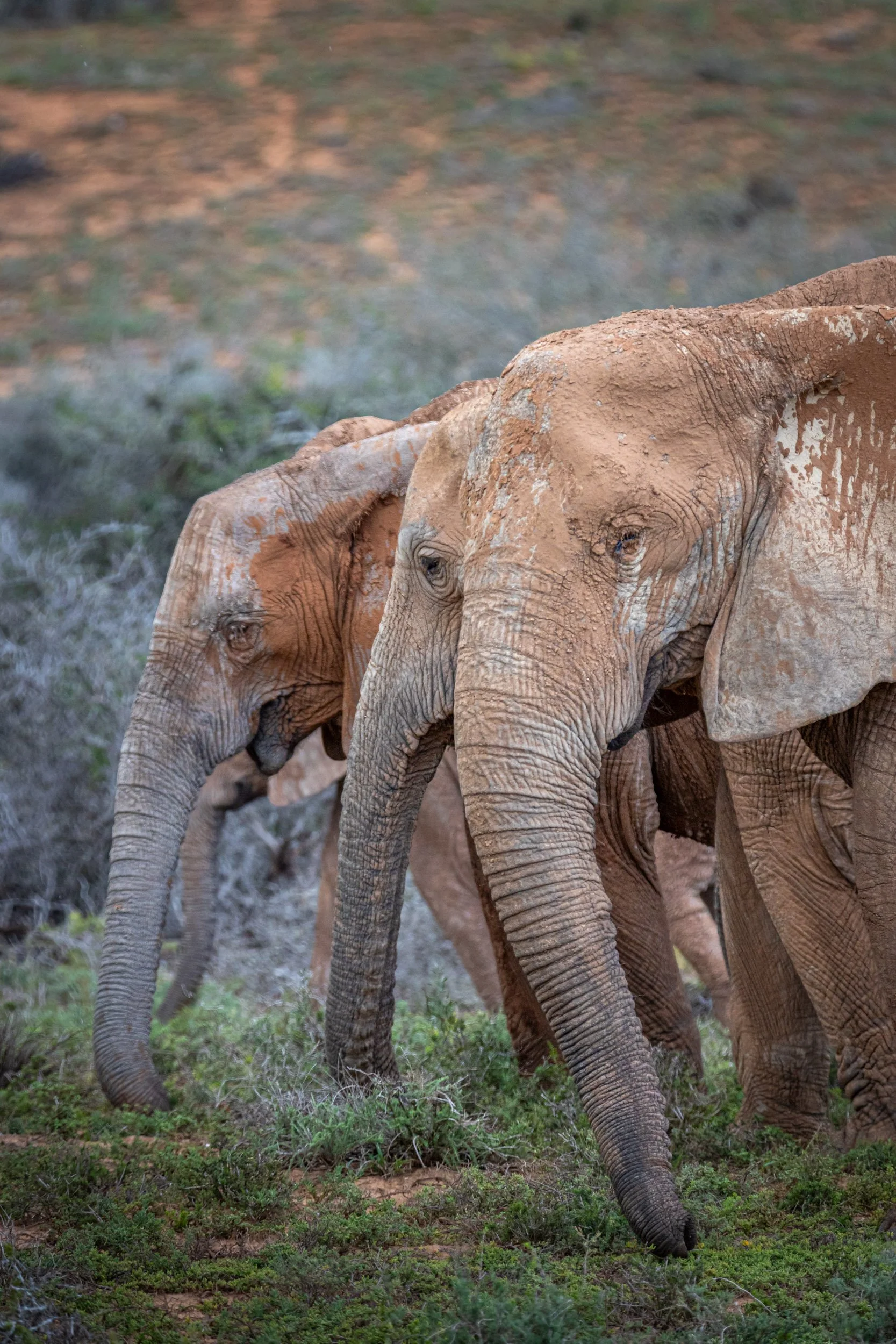
Addo Elephant Park
-

Schotia & Amakhala Game Drives
-
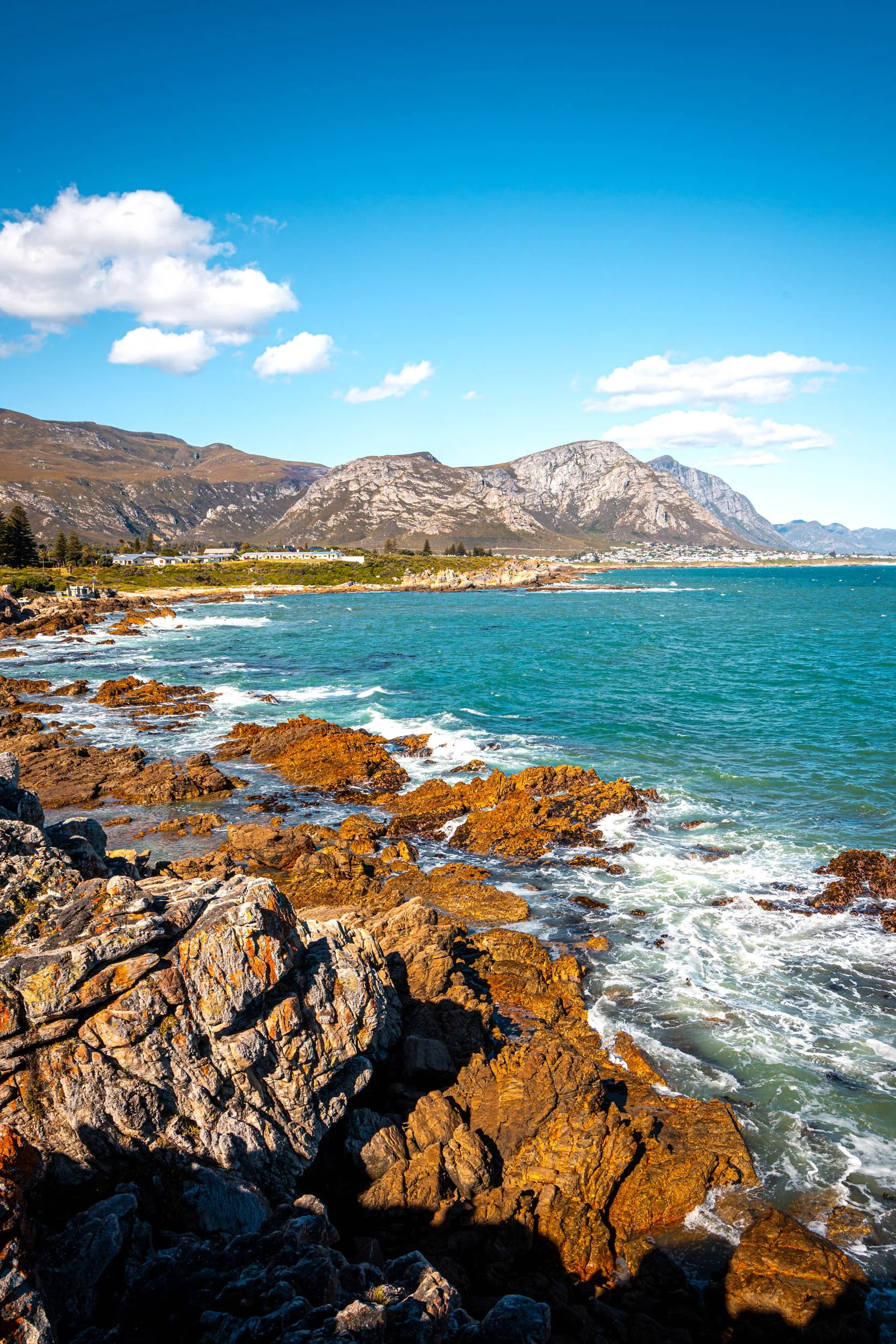
Coastal Drives
-
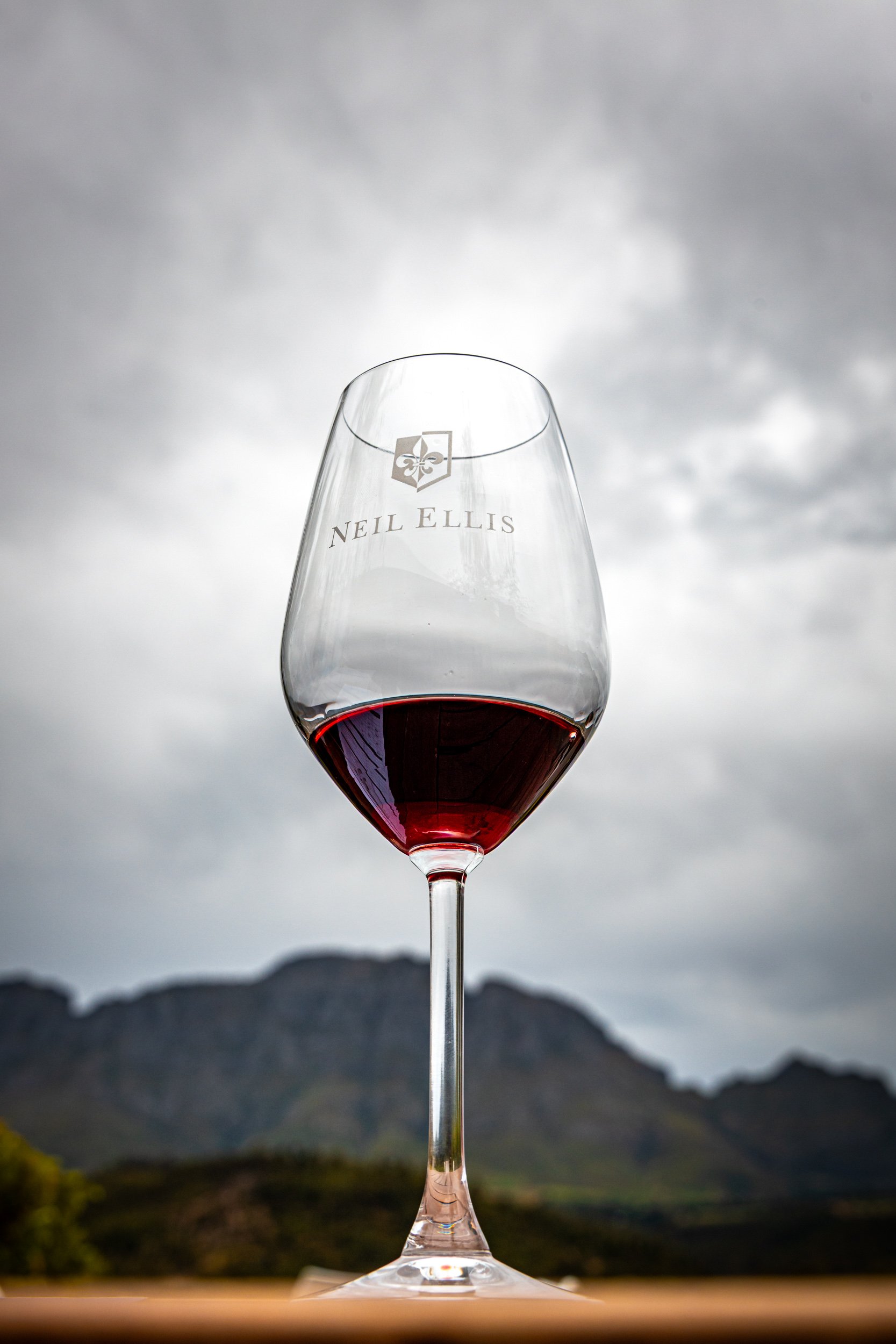
Wine Tour in Stellenbosch
-
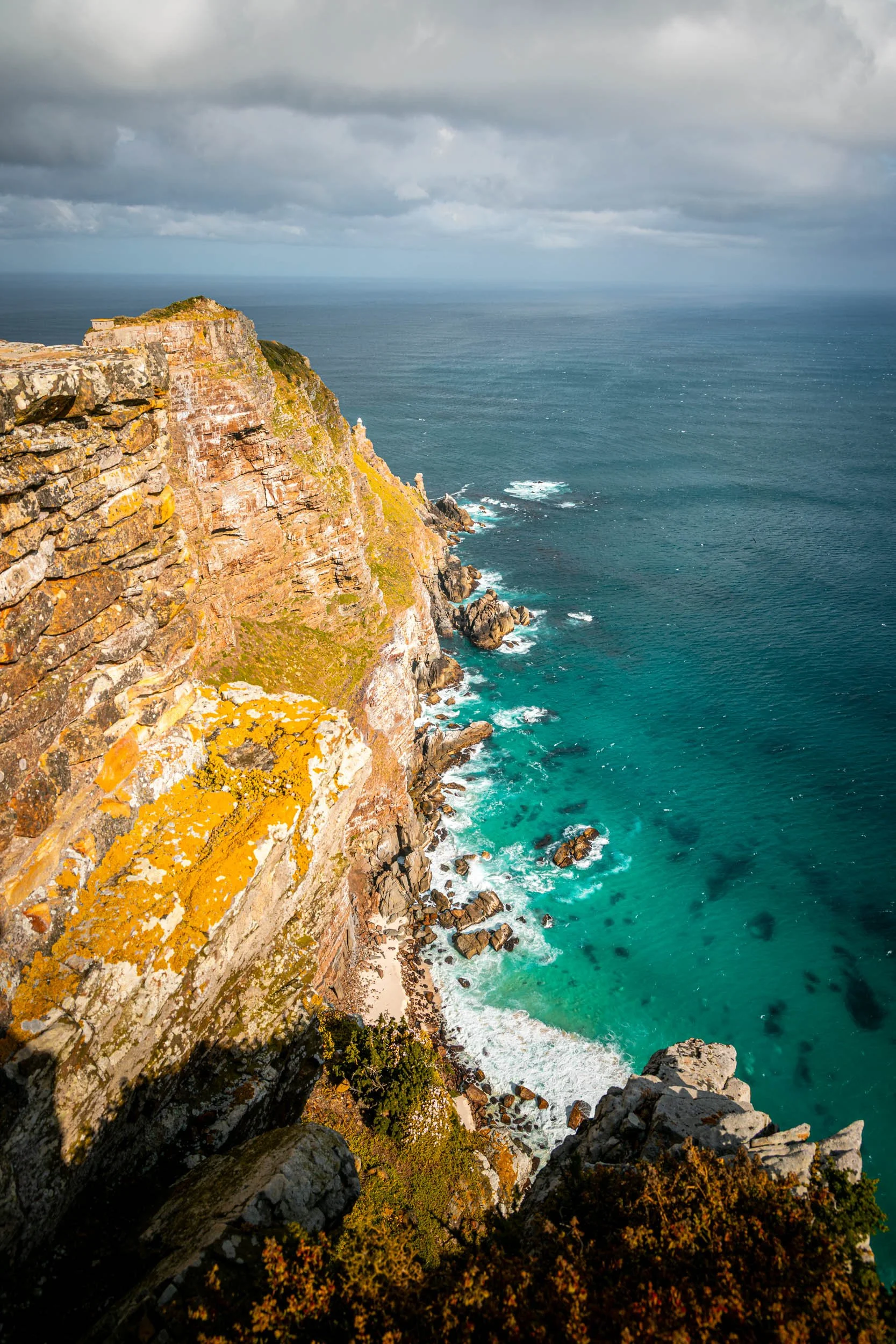
Cape of Good Hope
Oudtshoorn
After entering the country, we went straight to Europcar to pick up our rental car. Because of the prices, we chose a mini SUV, the Hyundai Venue, and were very happy with it throughout the trip. There was no need for four-wheel drive on our route. However, picking up the car took quite a while since only one counter was staffed and it was fairly busy.
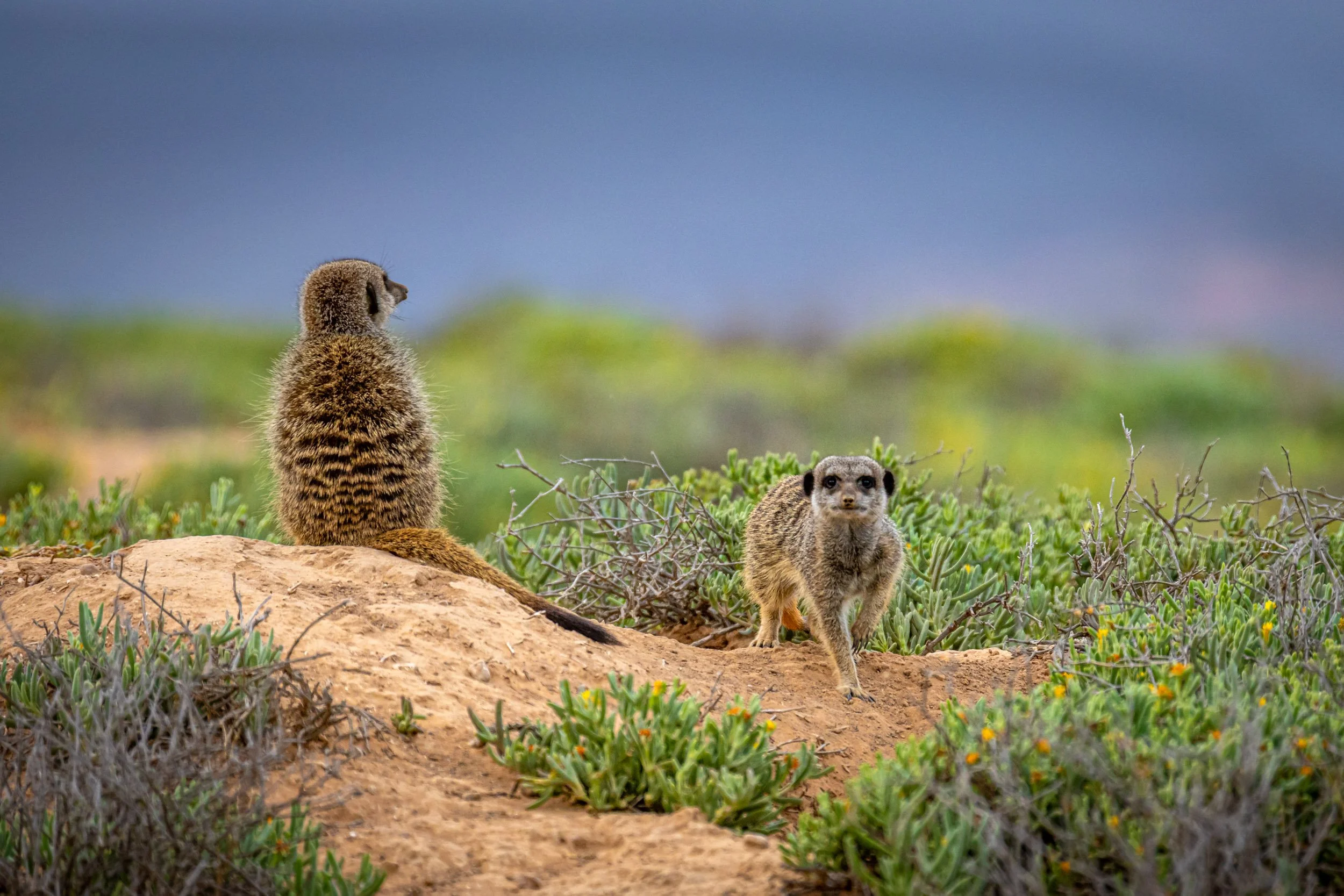
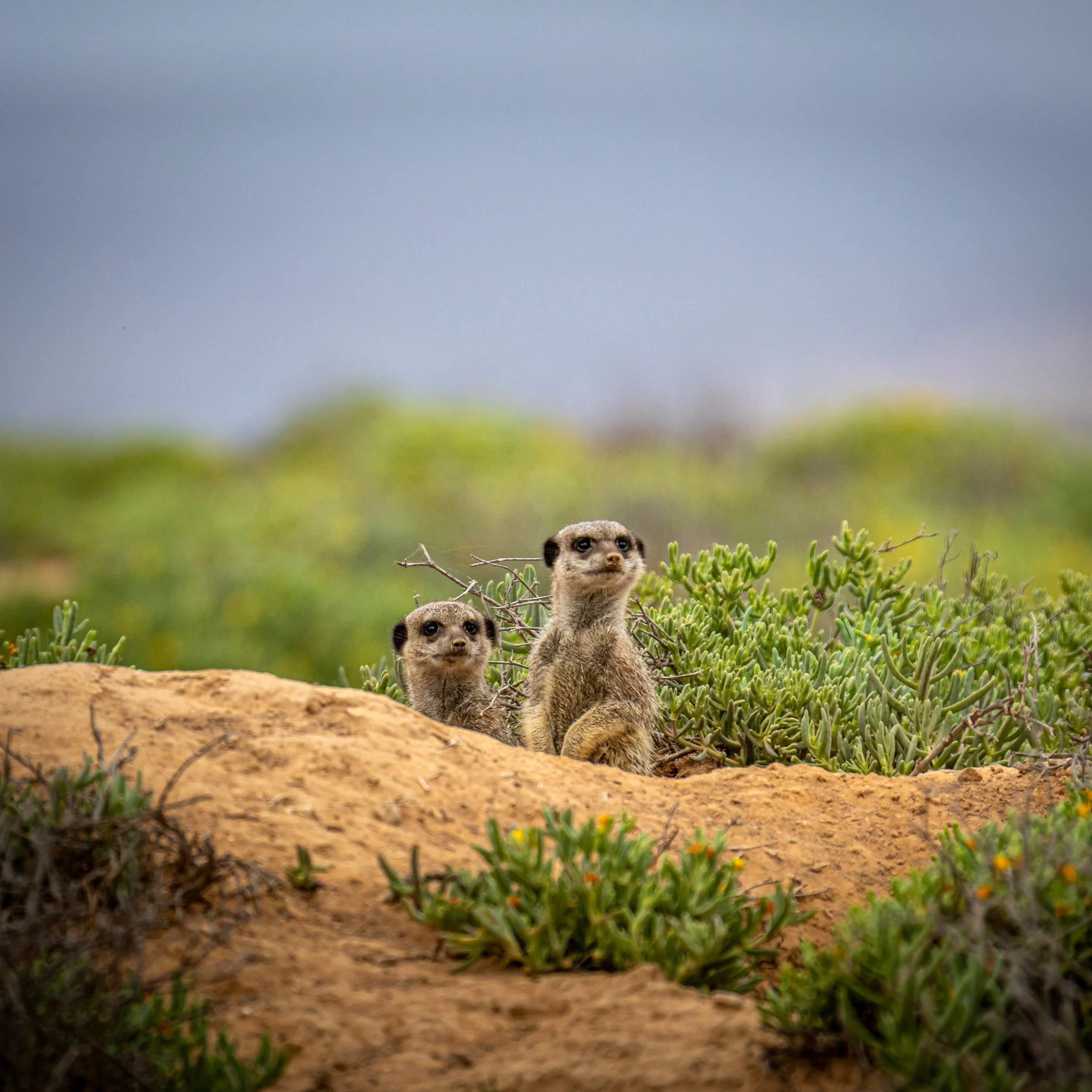
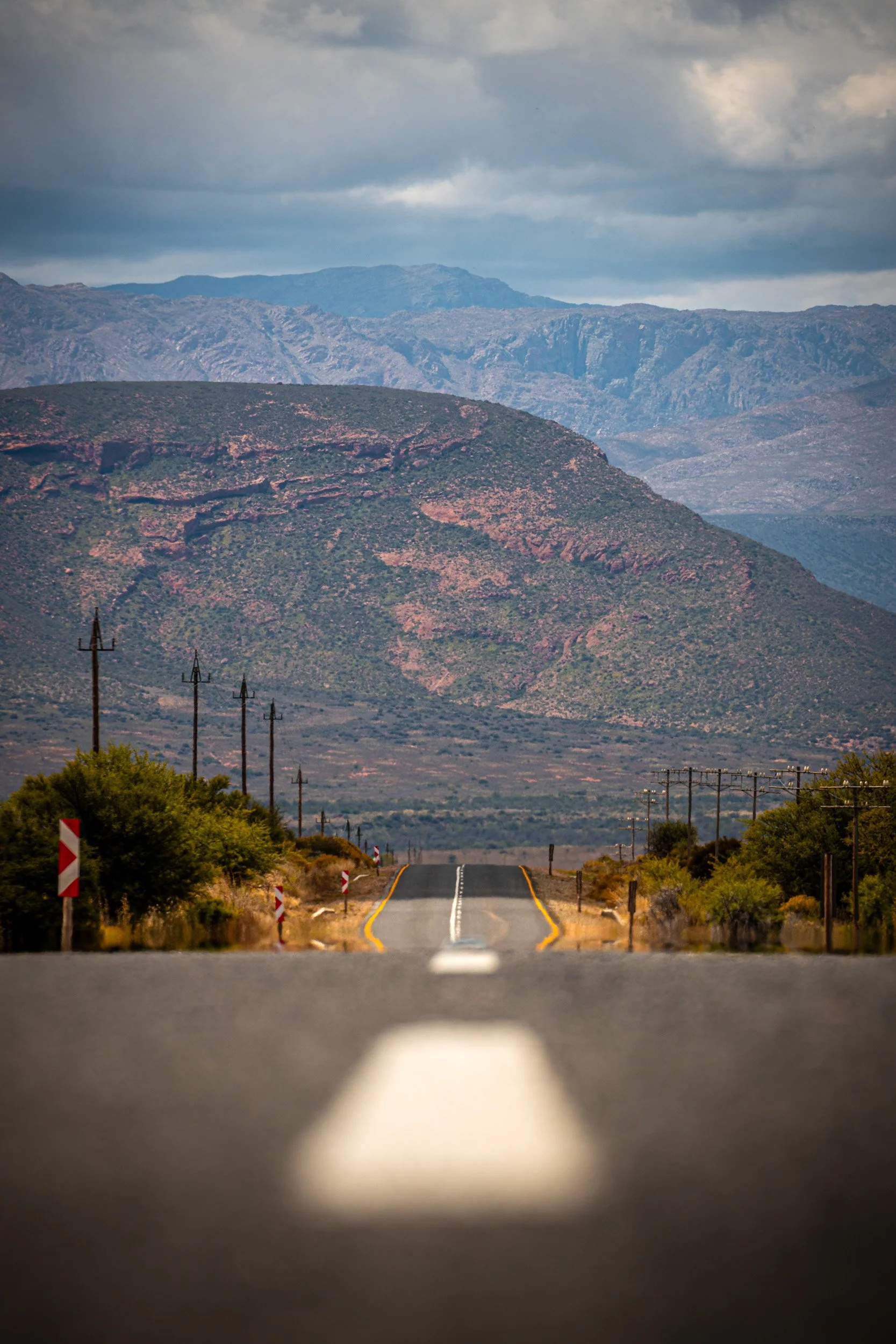
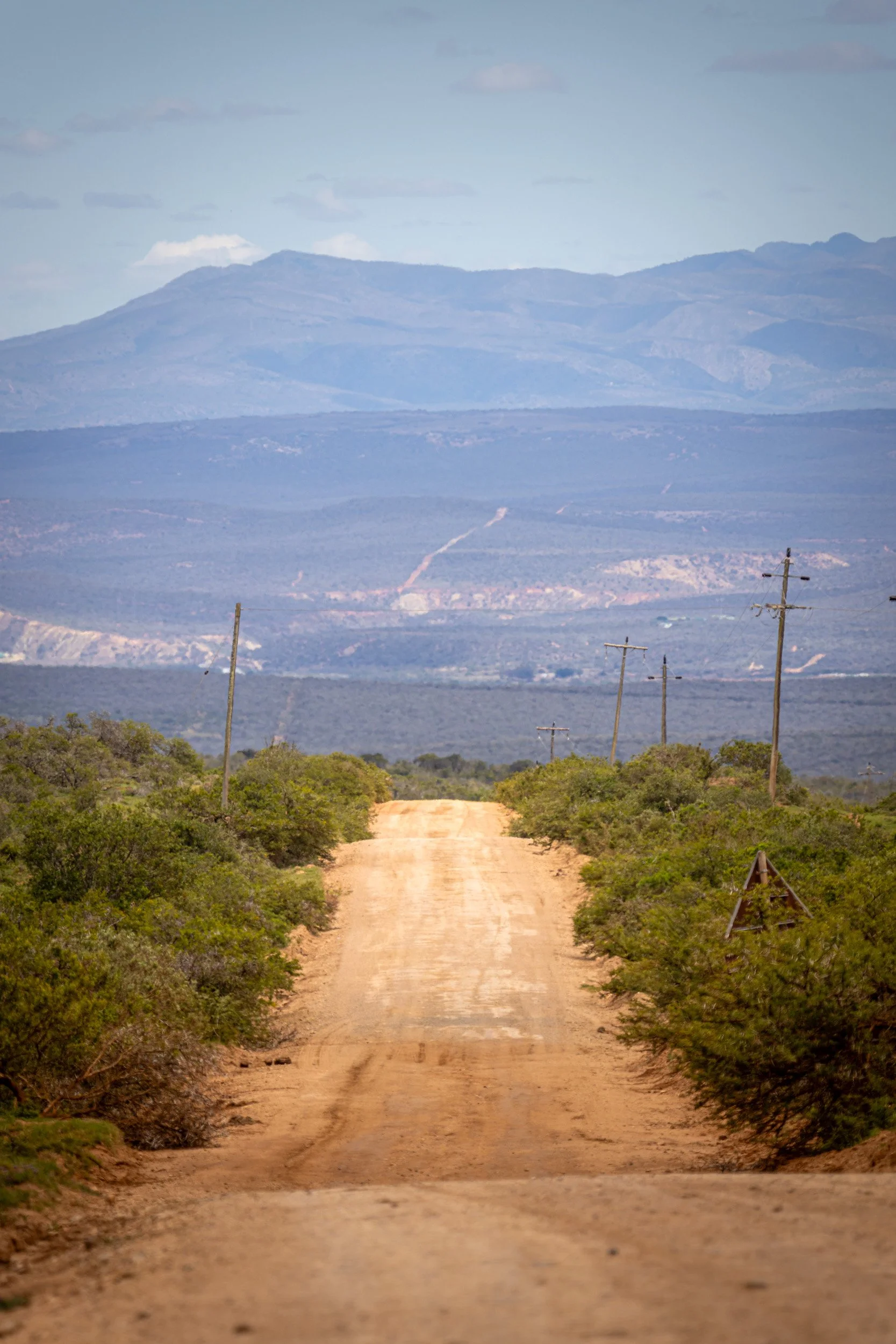
Once everything was sorted out, we headed toward Oudtshoorn. The plan was to use it as a stopover on the way to Addo Elephant Park and to see meerkats and ostriches there. The drive was quite long, especially right after the overnight flight, and you had to pay close attention on the road to avoid running over something like turtles. The route was quite scenic but without many opportunities to stop for photos. Instead, we had to wait at construction sites from time to time—sometimes up to 20 minutes.
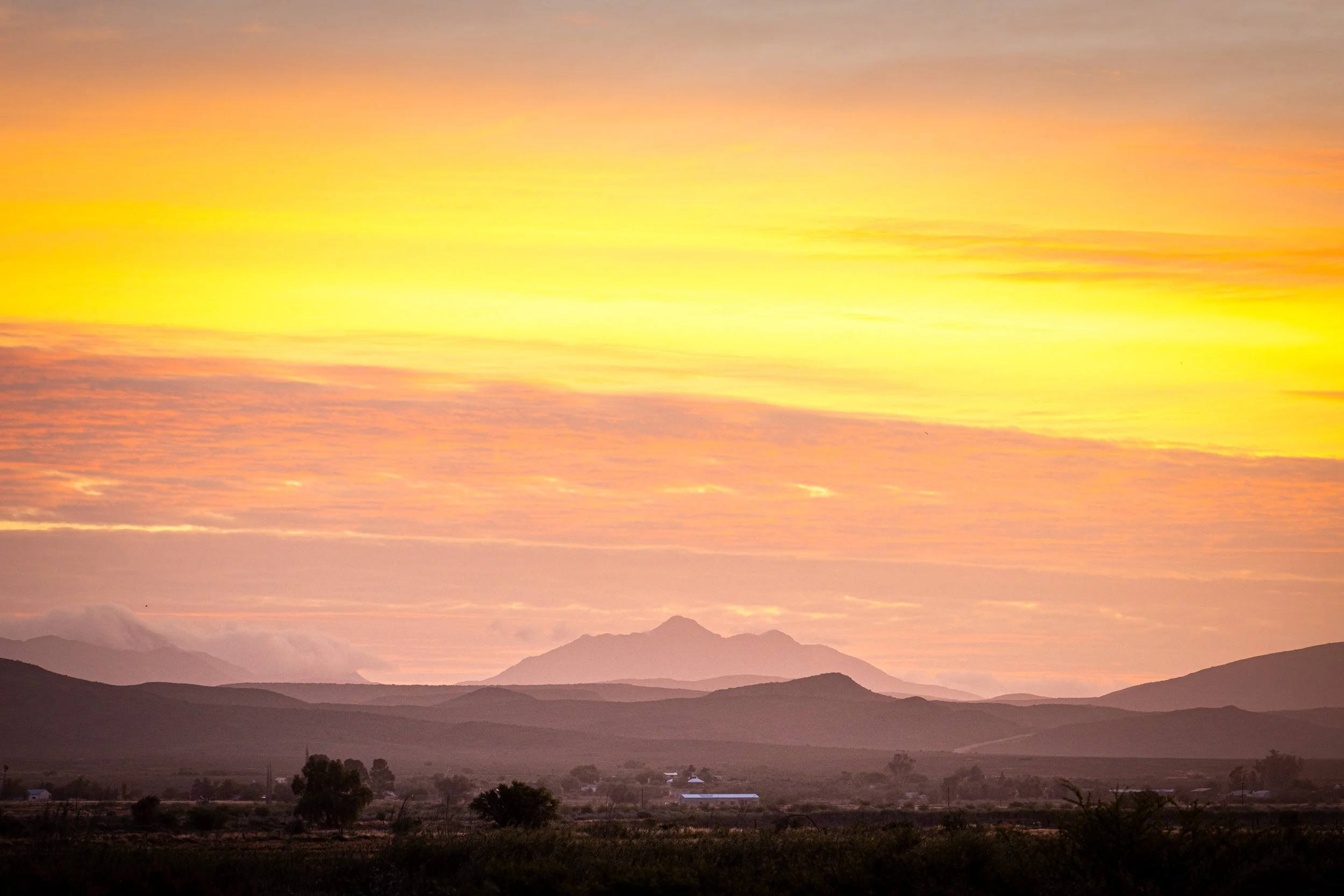
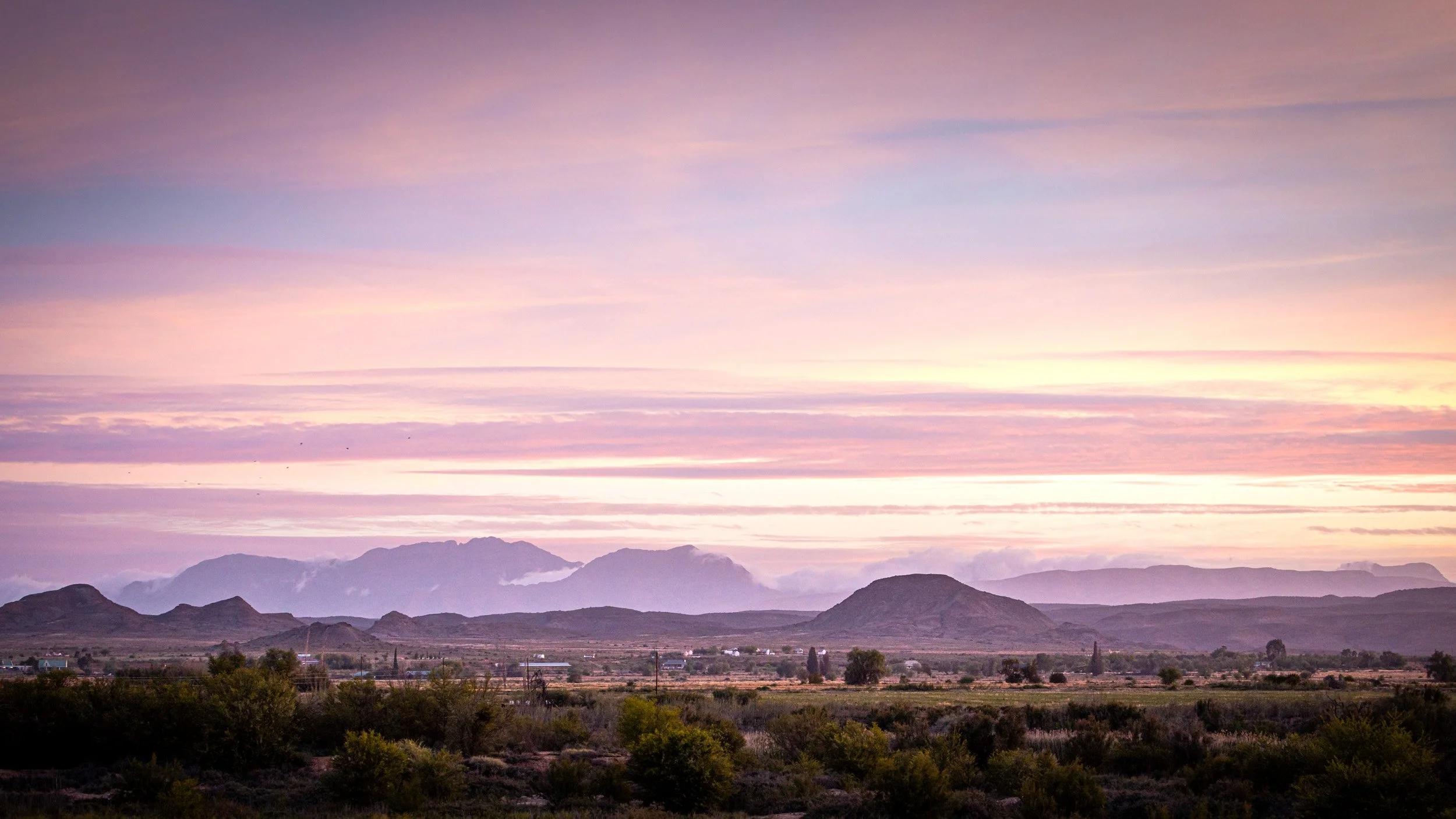
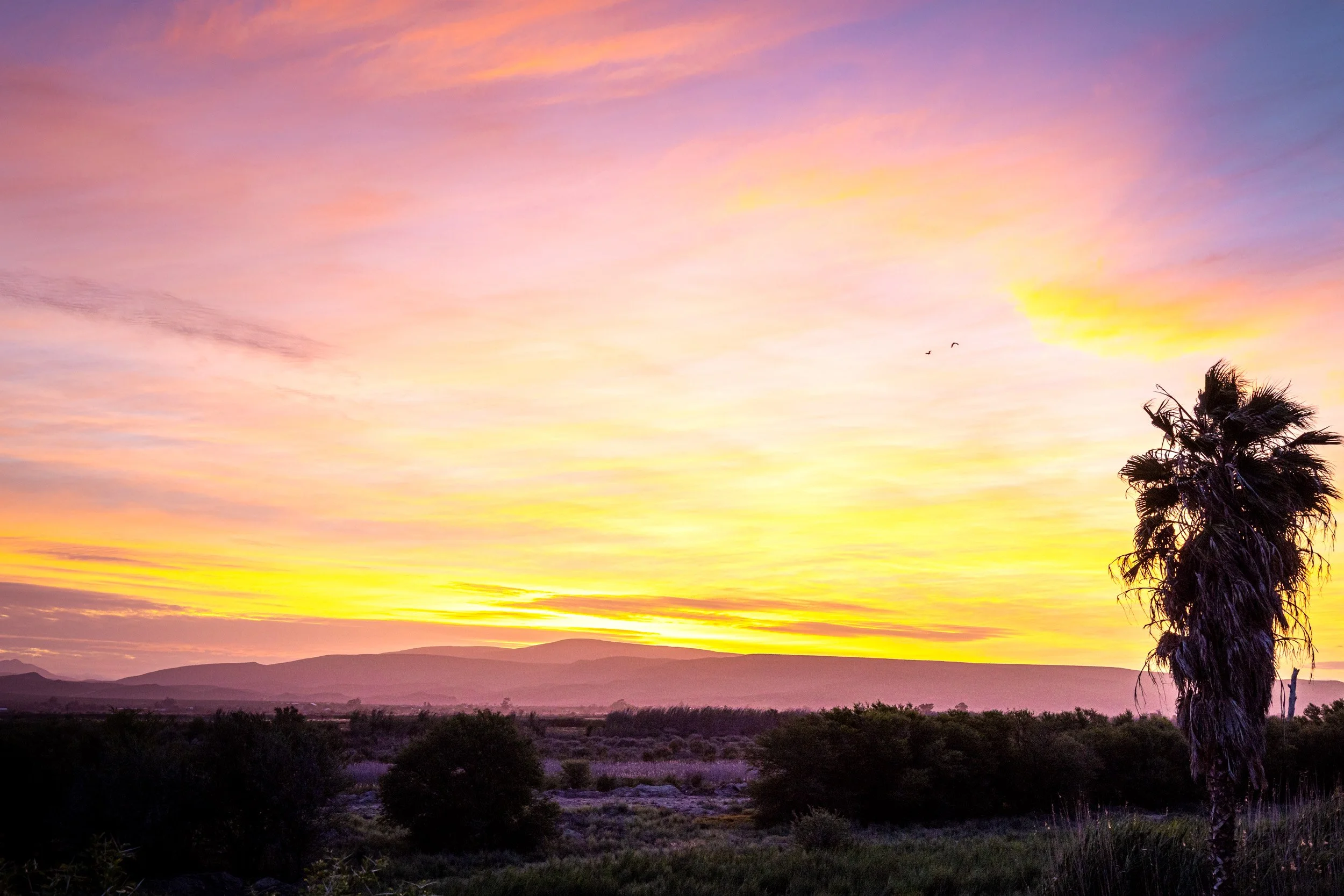
After about five hours, we arrived at our accommodation and were able to enjoy a beautiful sunset. Later, we had a great dinner at the lodge restaurant, and then it was off to bed because we had to get up early the next morning.
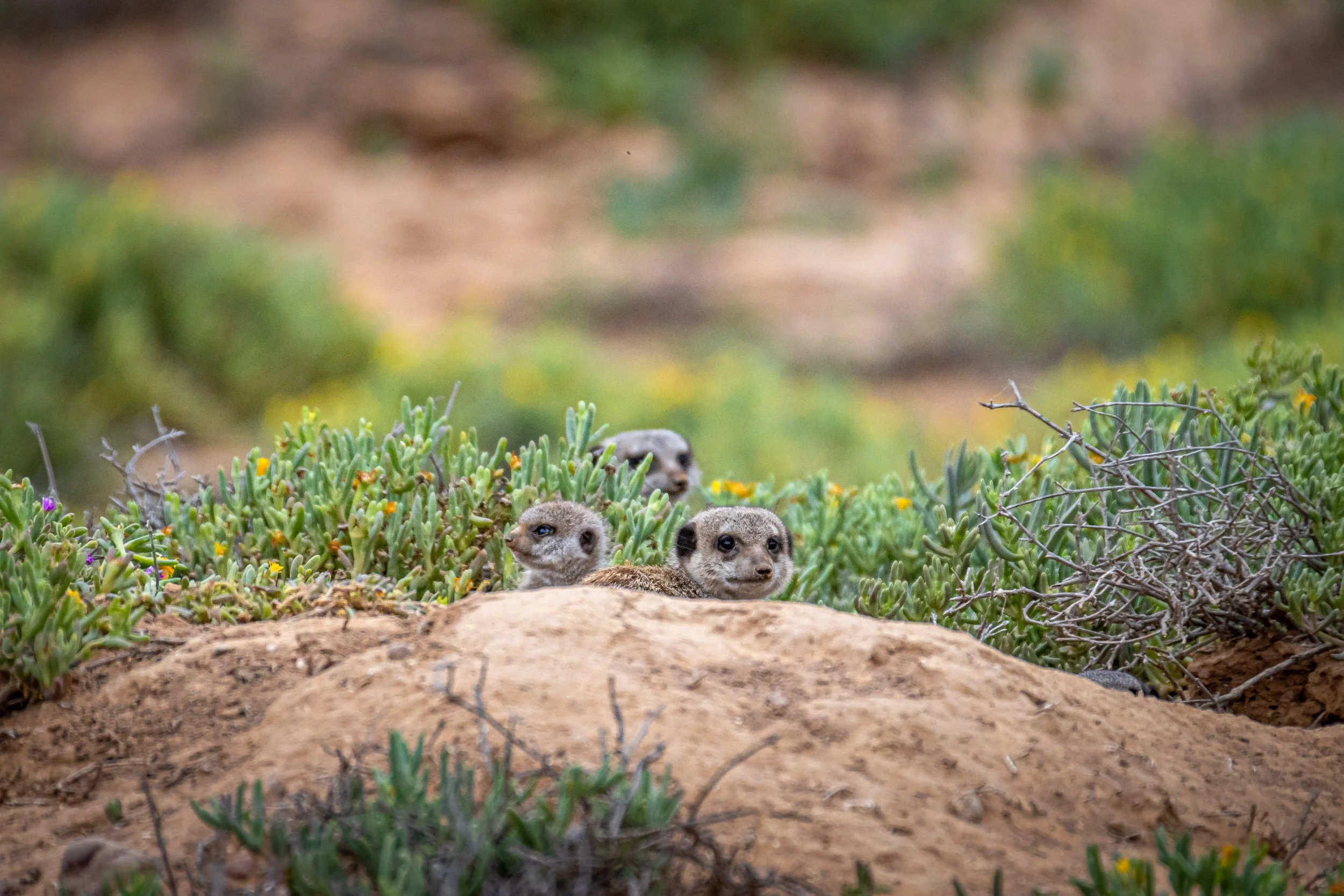
At 5:30 our meerkat tour started. We took two Belgians from the lodge with us — they had also booked the tour but didn’t have a car. Of the eight participants, they were the only non-Germans, apart from the guide.
Unfortunately, we didn’t have any luck with the weather that day (and it wouldn’t be the last time), so the meerkats skipped their usual morning routine and started their day a bit more slowly. After a while, though, they did come out and struck their typical poses. We even got to see a few babies that had just been spotted for the first time that morning. What luck! All in all, it was amazing to watch these animals. We sat quietly in chairs, fairly close by, so as not to disturb them. That way they felt undisturbed, and we were able to enjoy the morning.
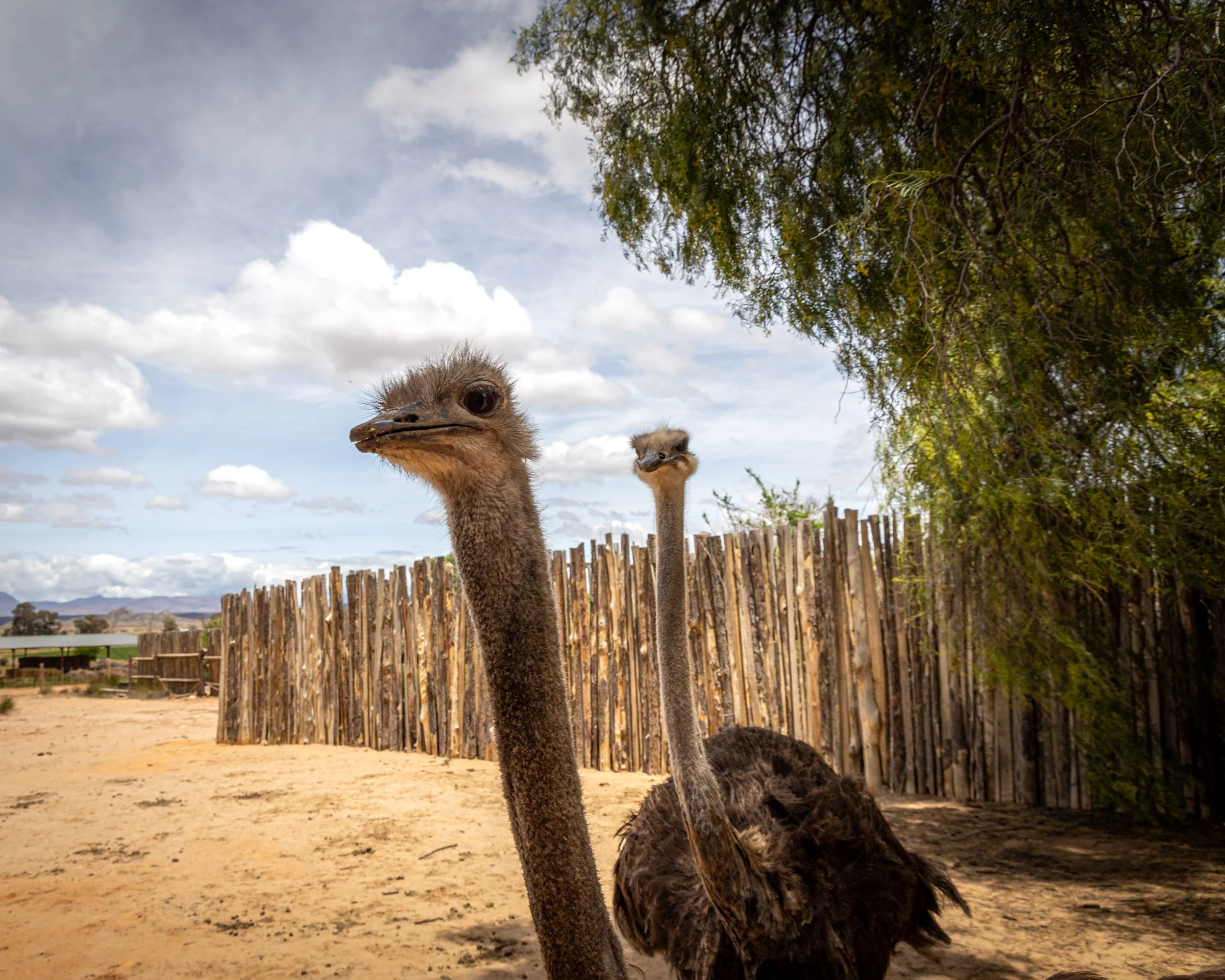
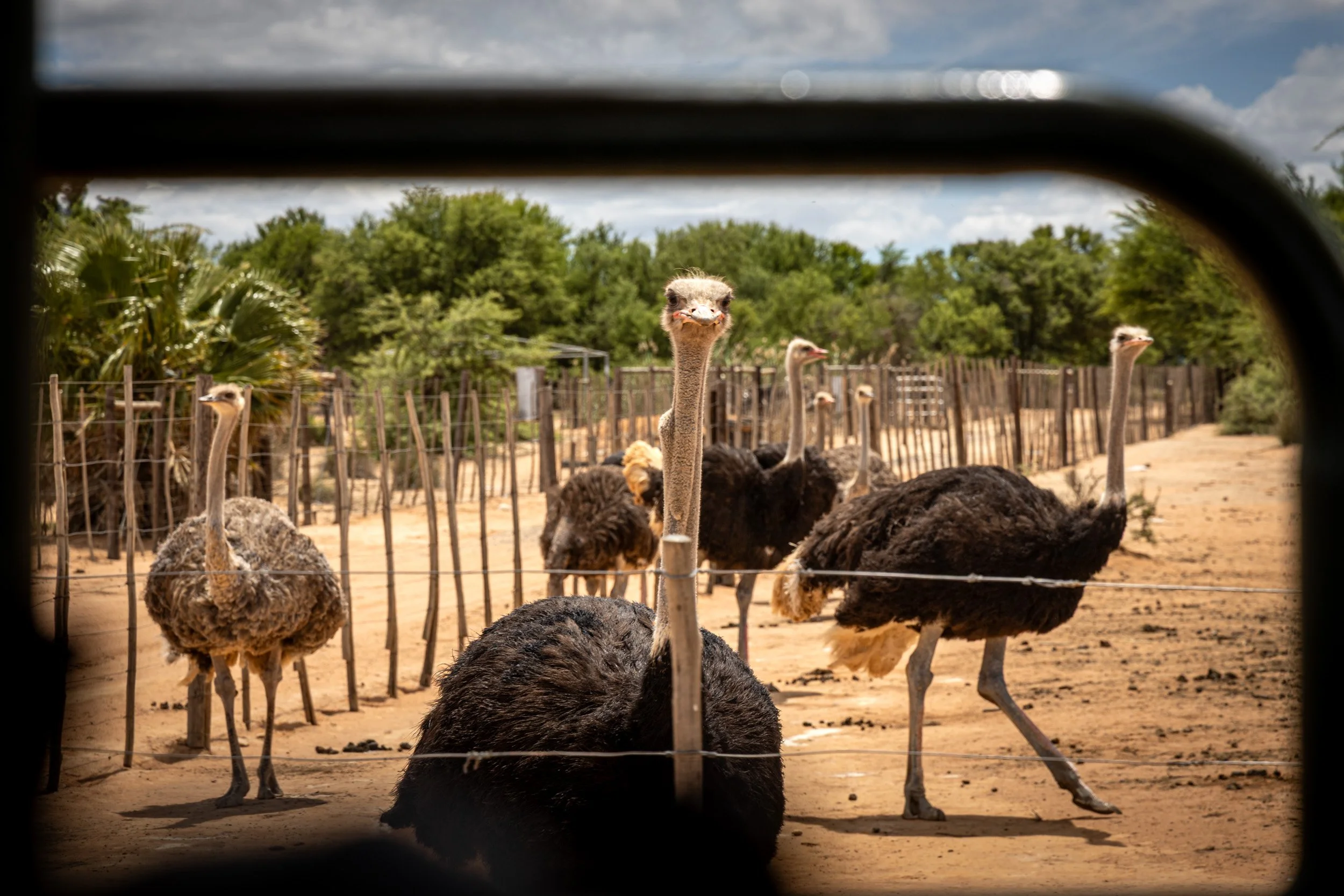
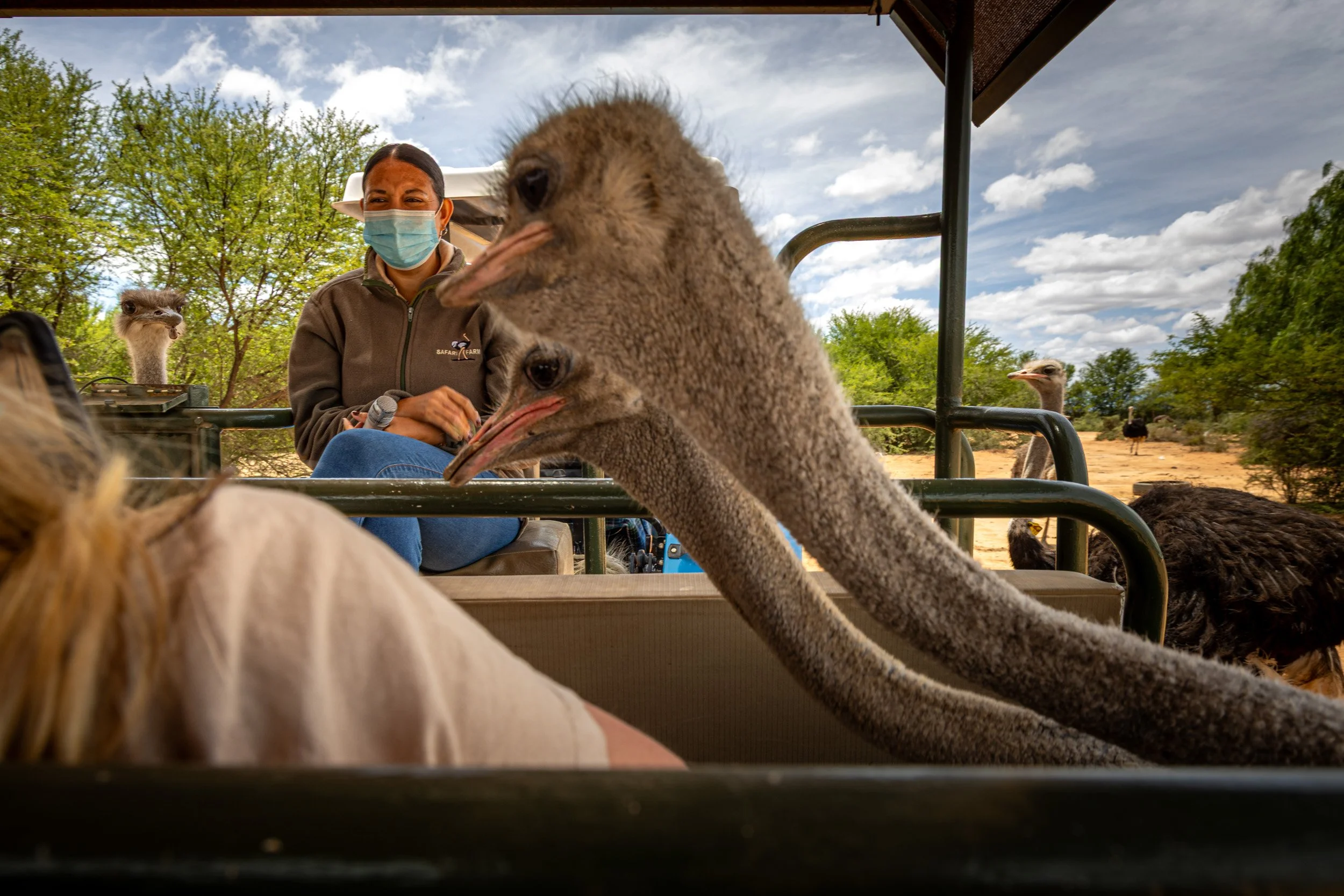
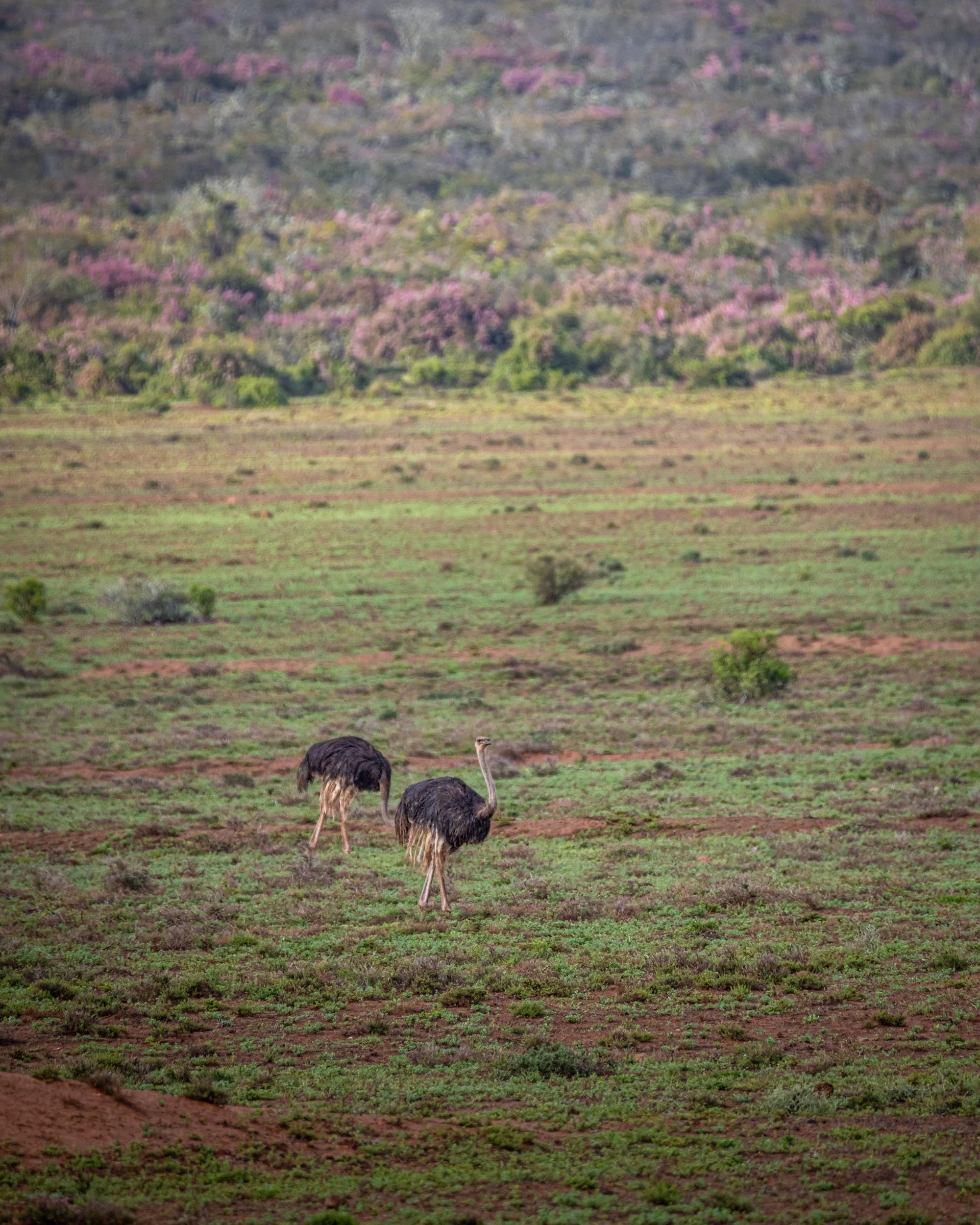
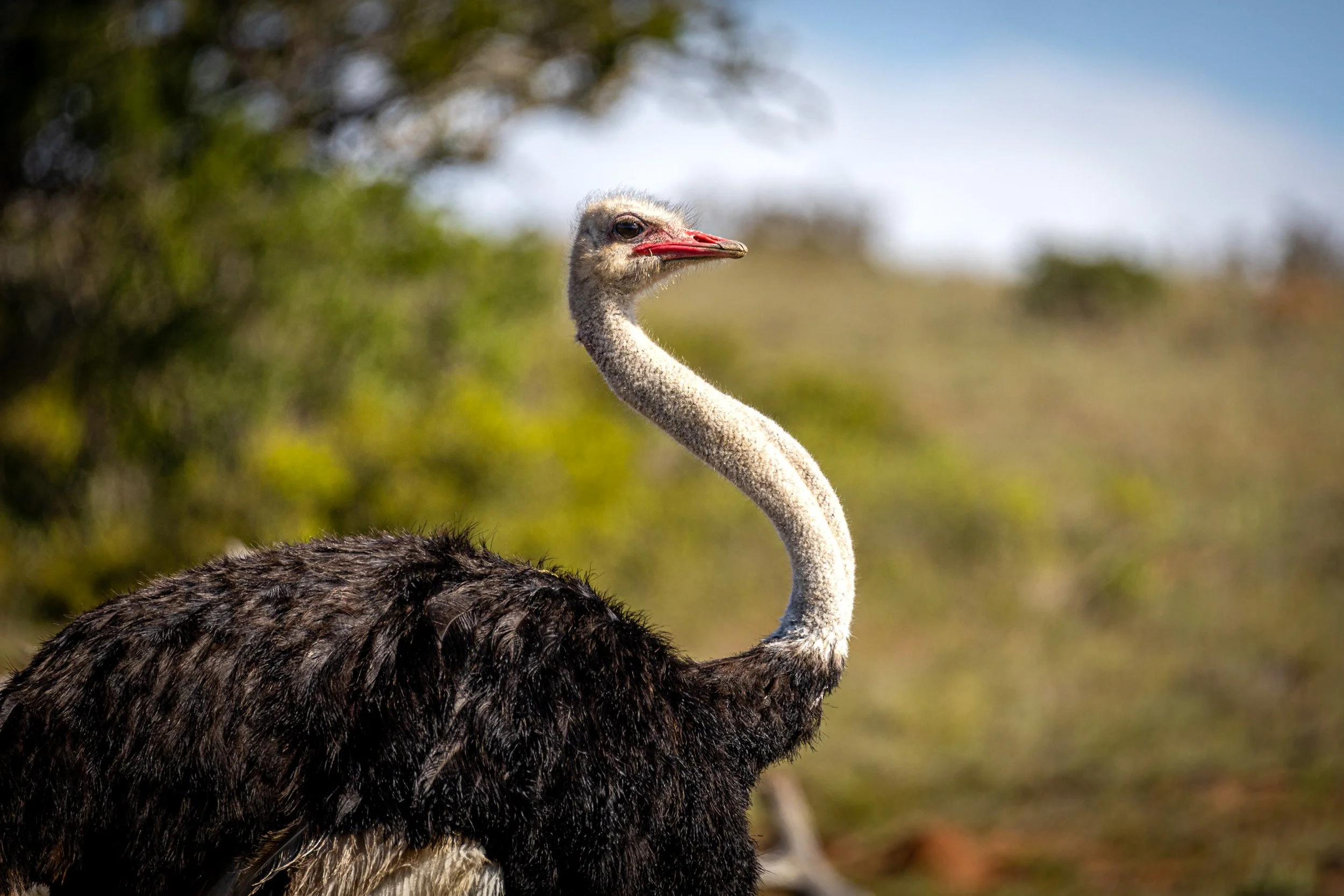
After a small snack, we headed to an ostrich farm near our accommodation. We didn’t book a tour of the entire farm, but still learned a lot about the farm and the animals, and we got very close to them. Some of the ostriches even came up to the car looking for food.
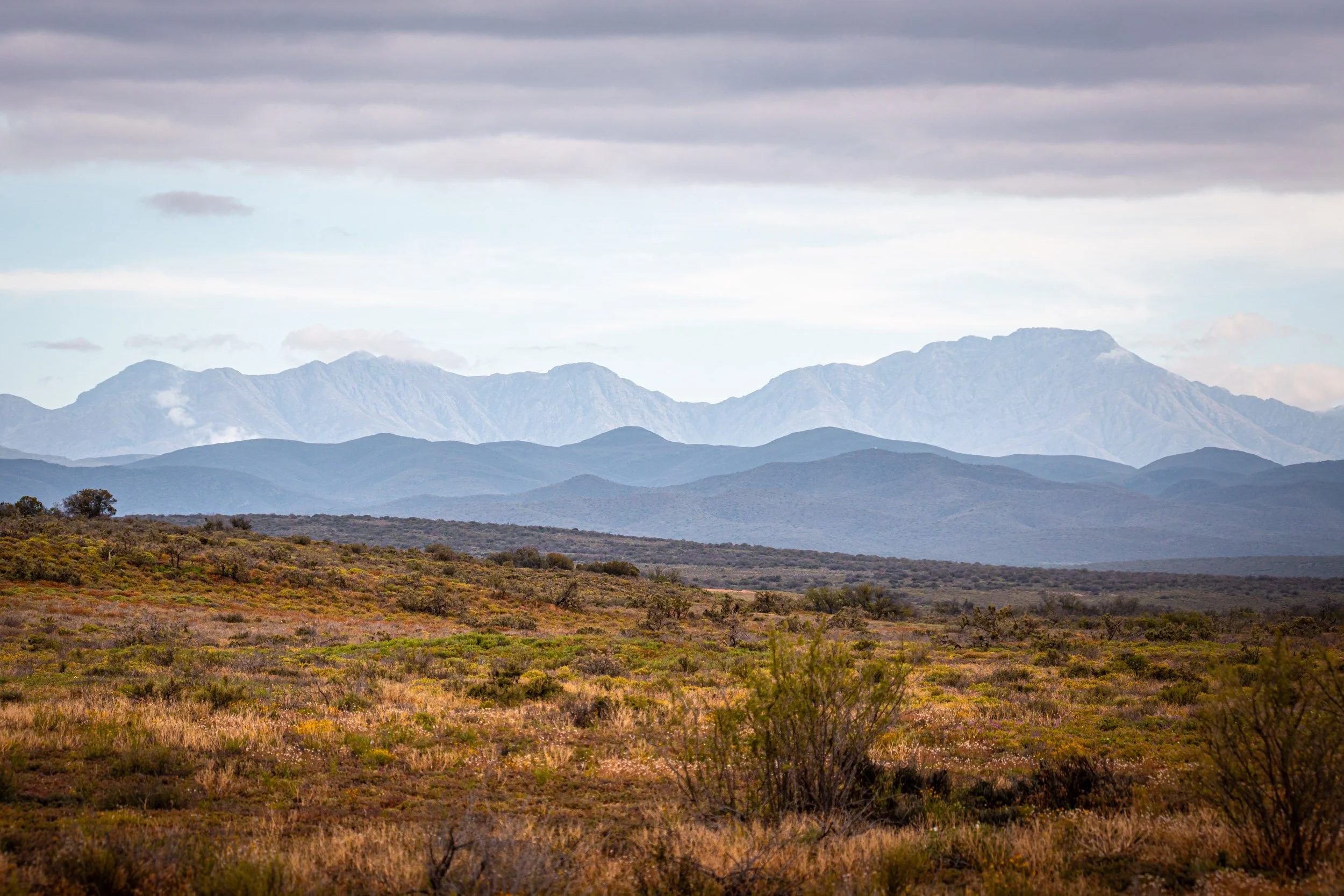
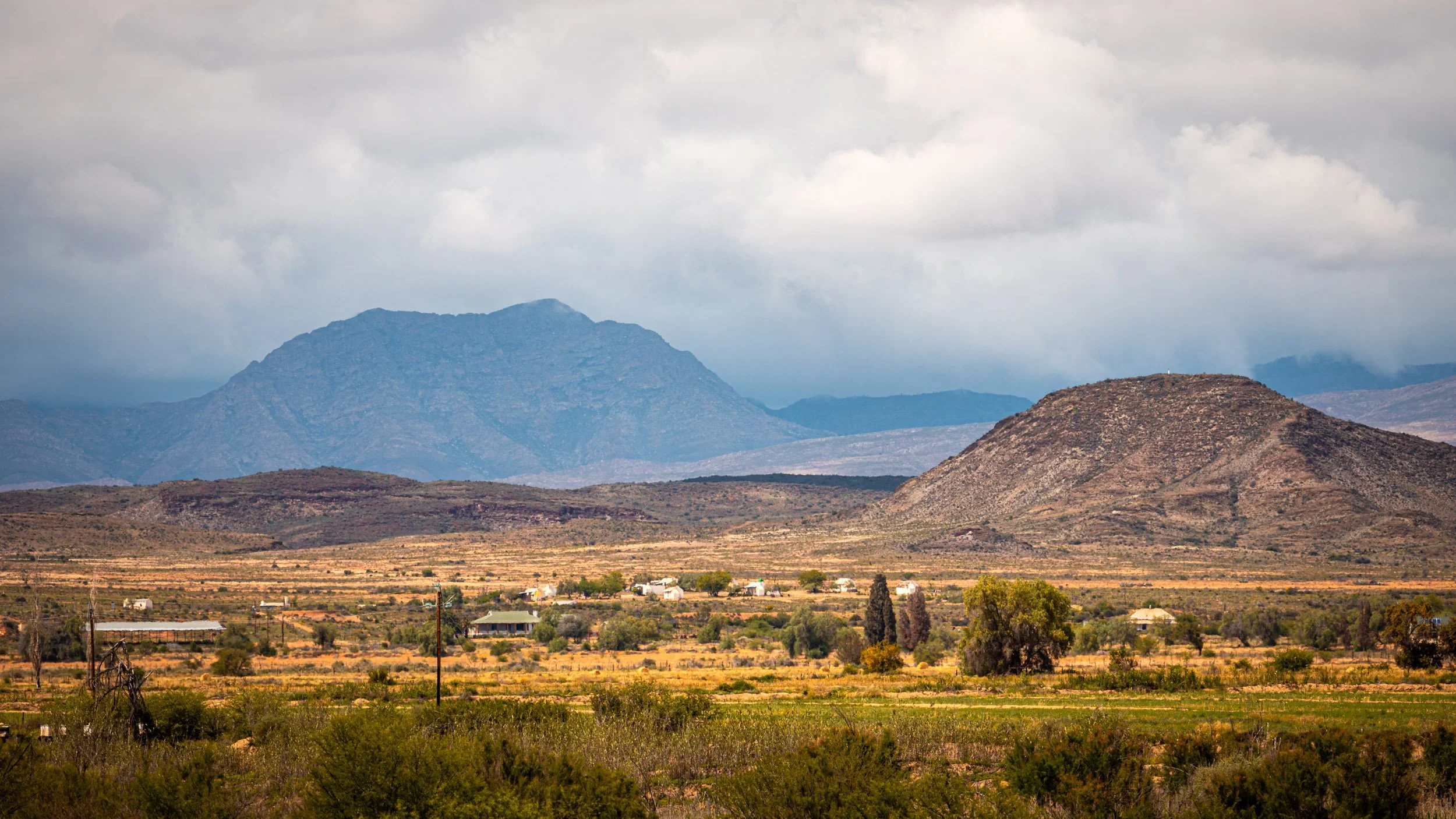
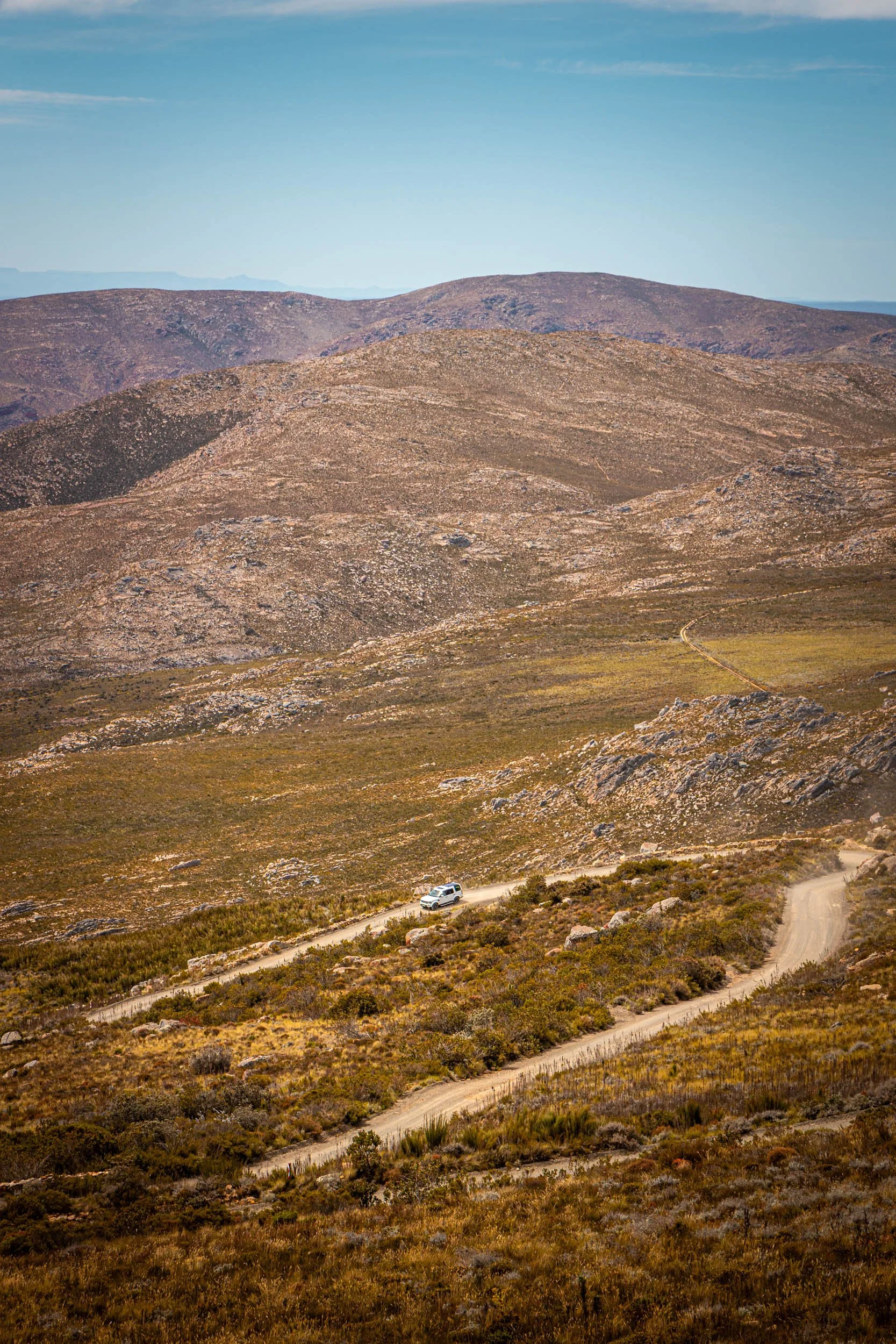
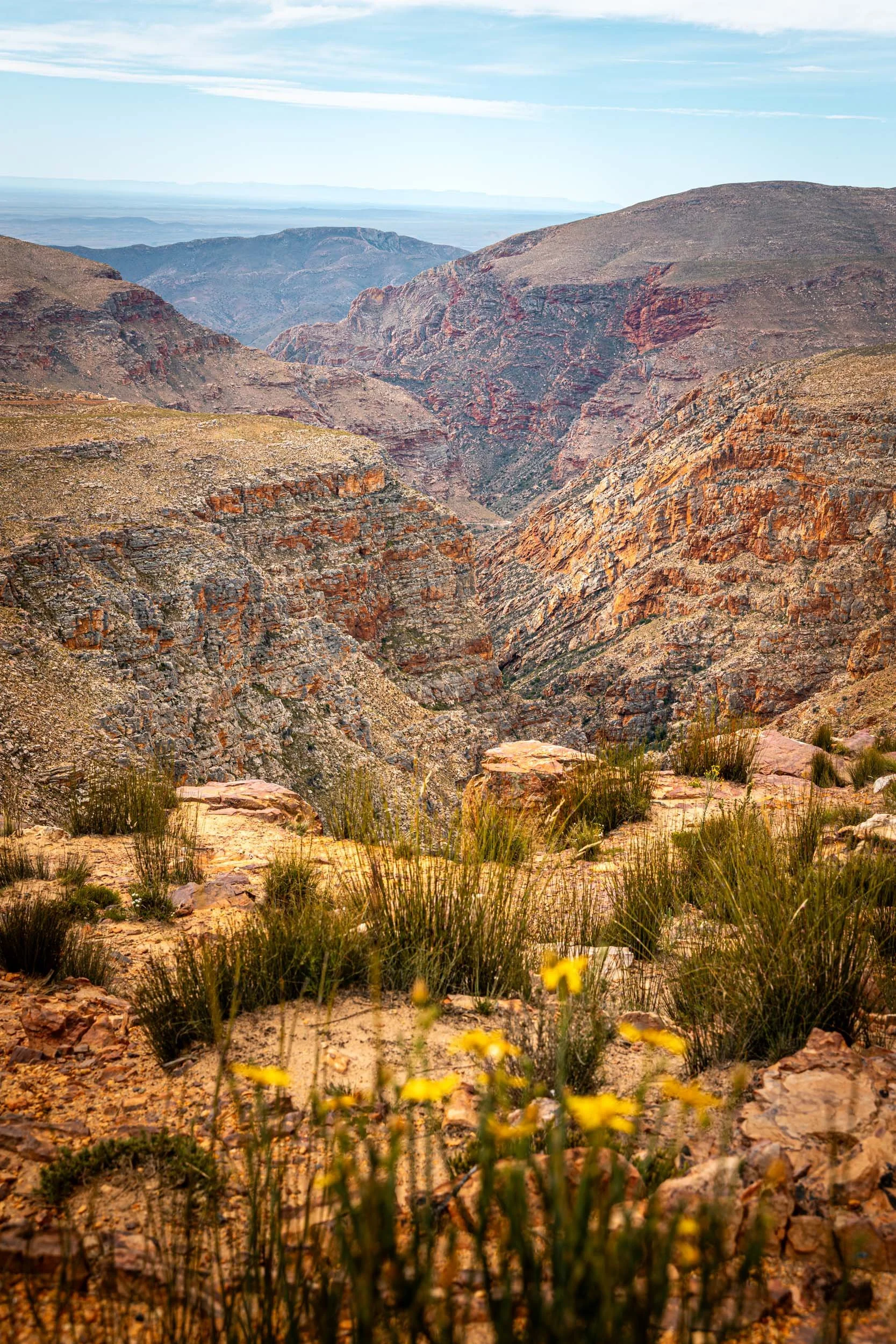
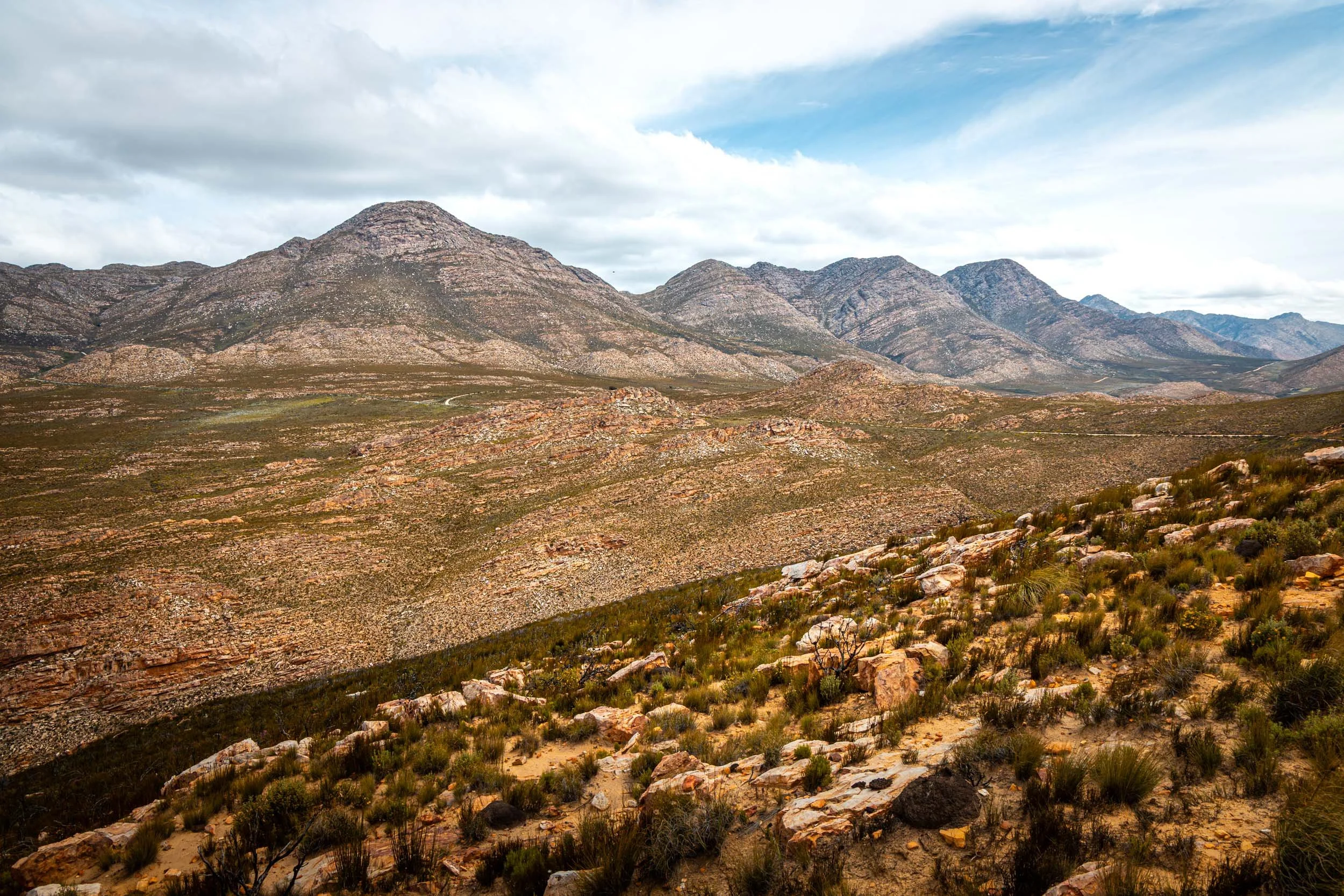
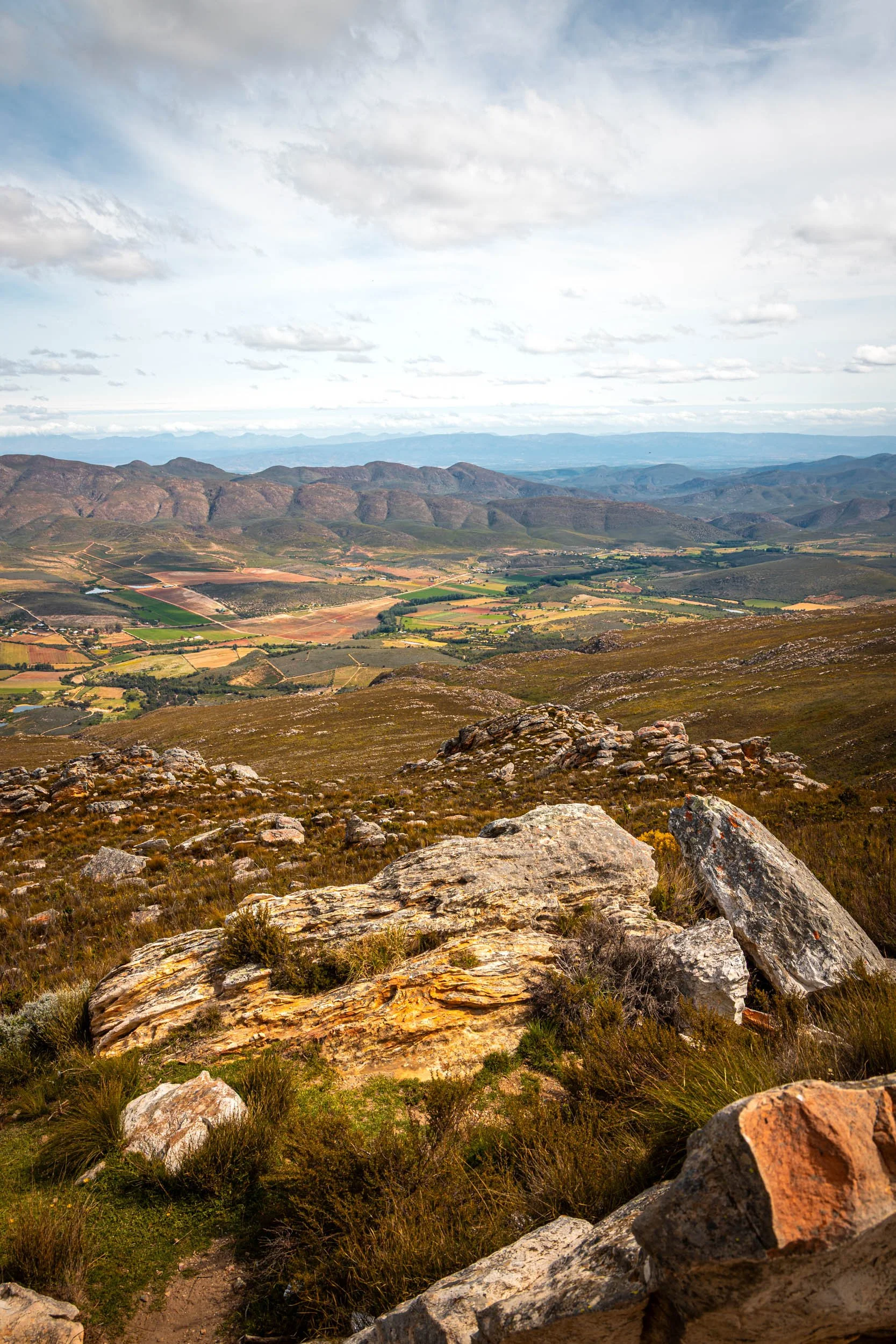
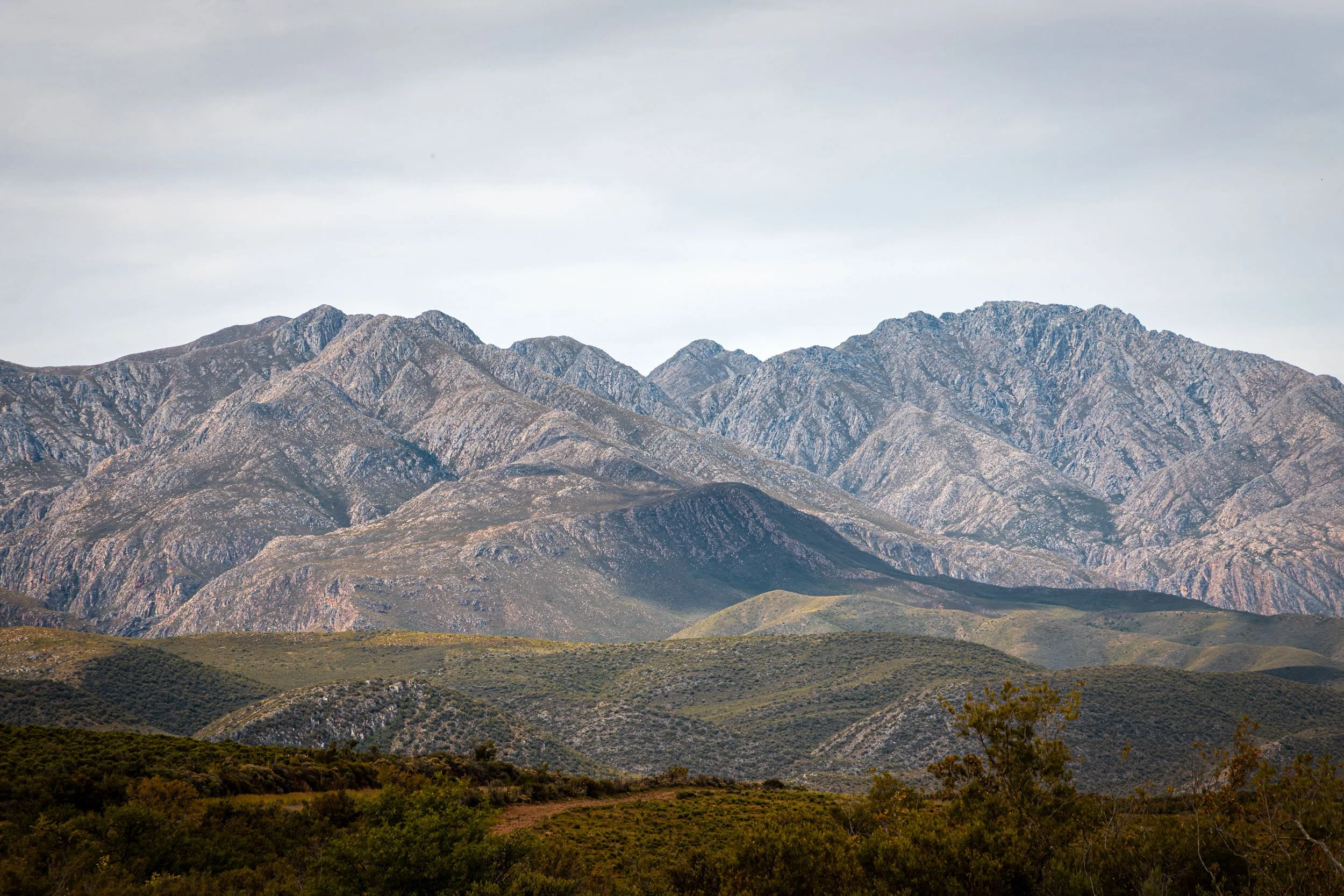
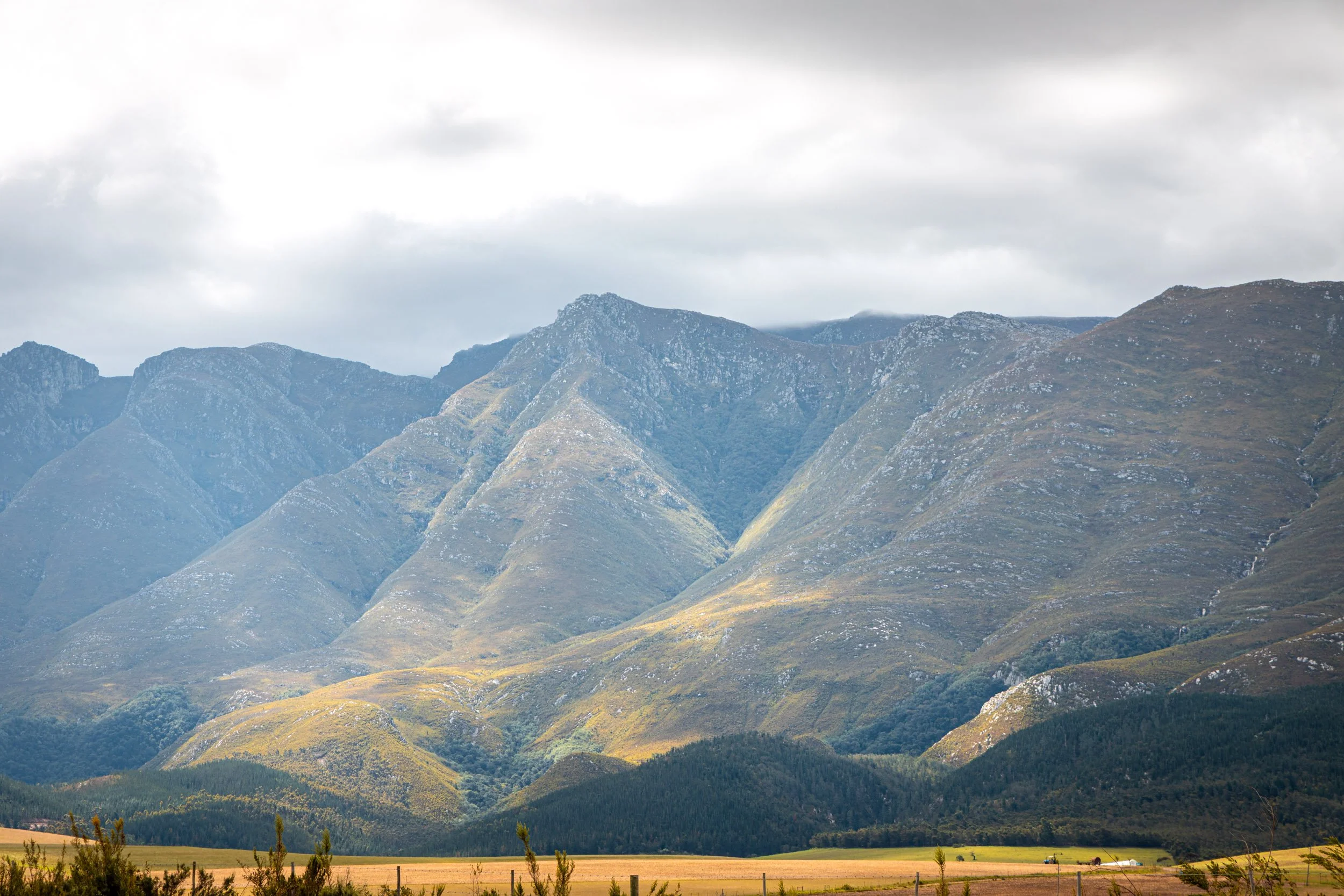
After that, we drove to the Swartberg Pass. It’s known for its unique geological formations and offers fantastic scenic views — a bit of variety from what was otherwise, especially at the beginning, a very wildlife-focused trip. We then stopped briefly in Oudtshoorn for a coffee before heading back to the lodge. The restaurant was closed that evening, but they made pizza for us and brought it to our room. Relaxing by the pool, a beautiful sunset, beer, and pizza — an amazing end to the day.



Addo Elephant Park
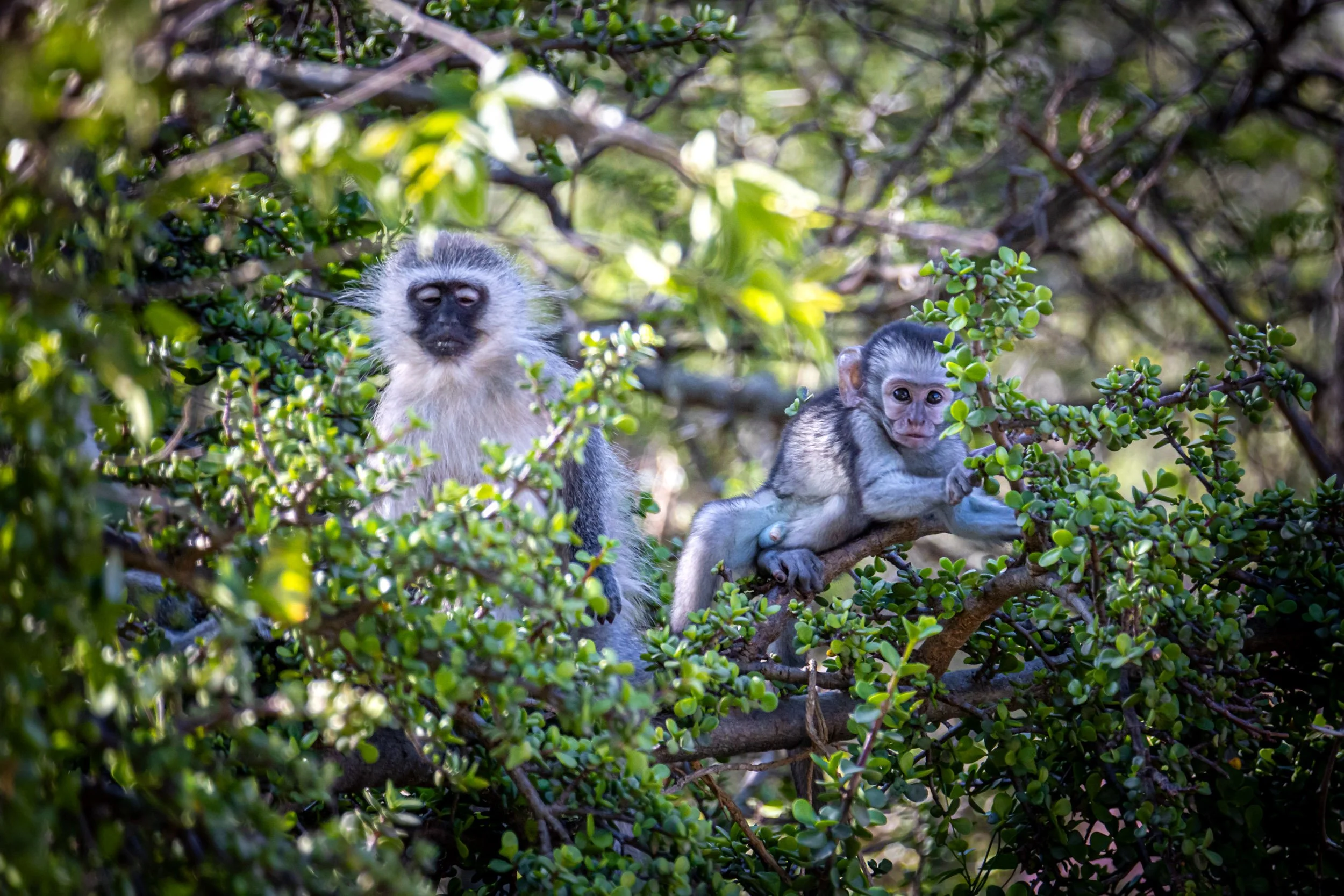
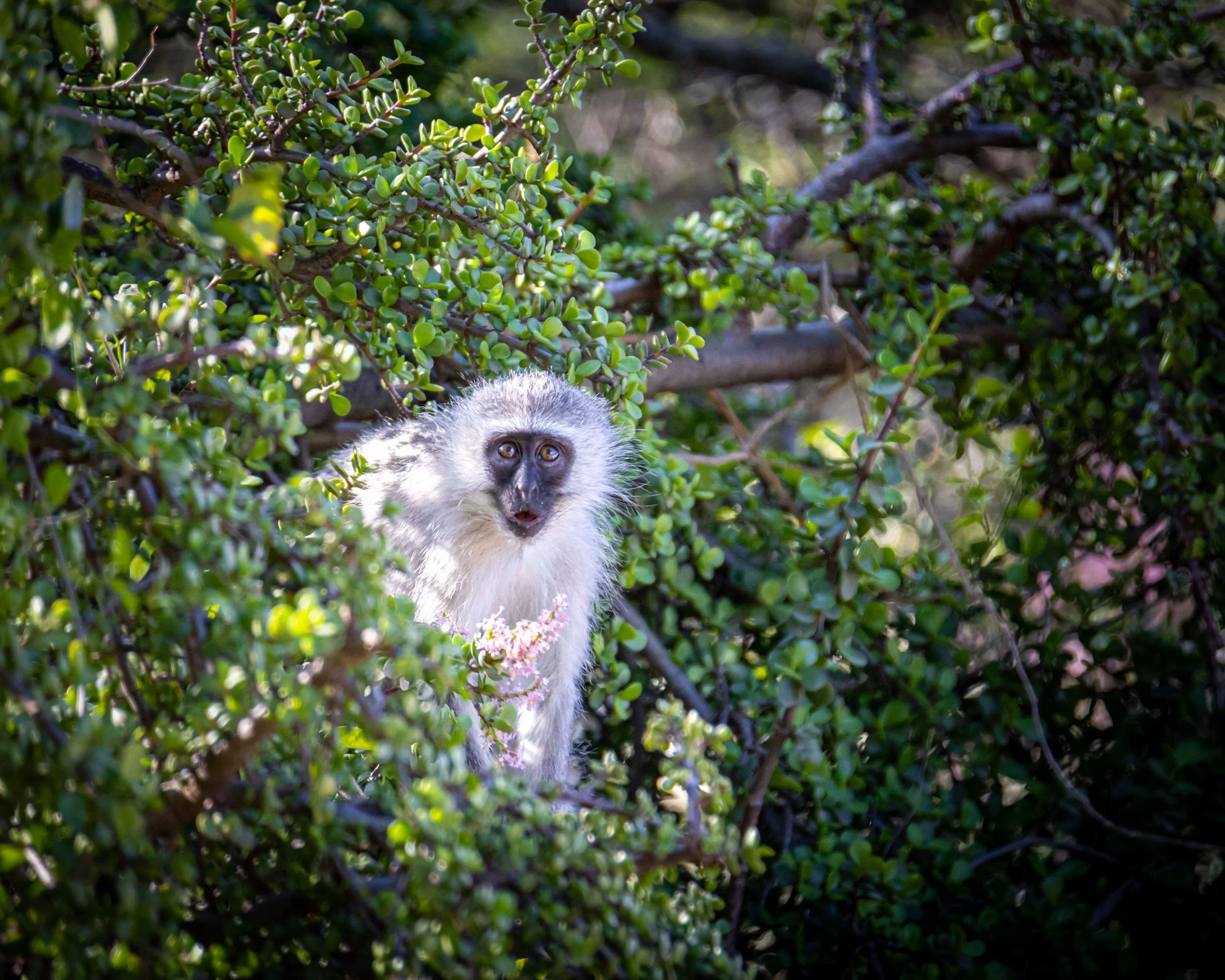
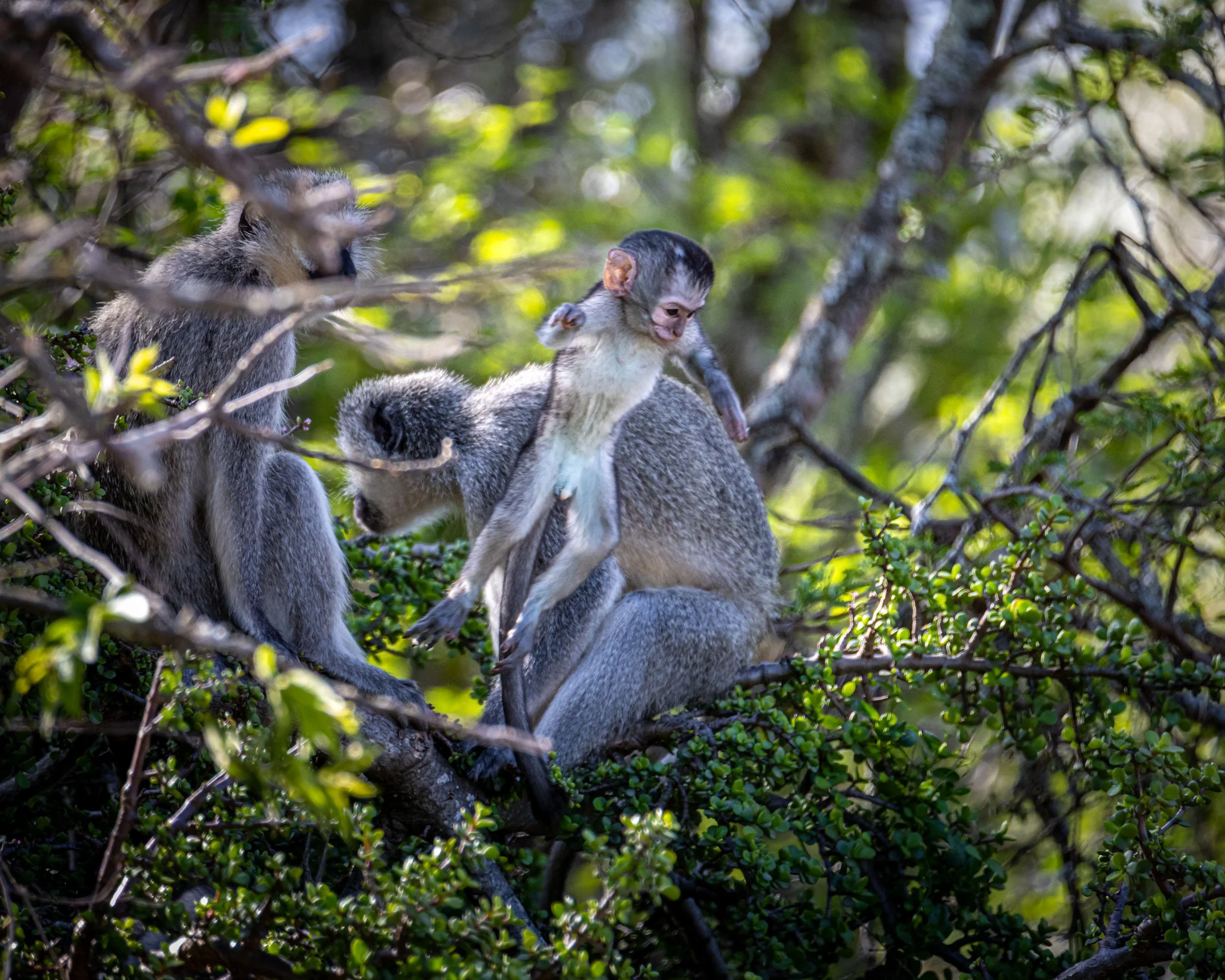
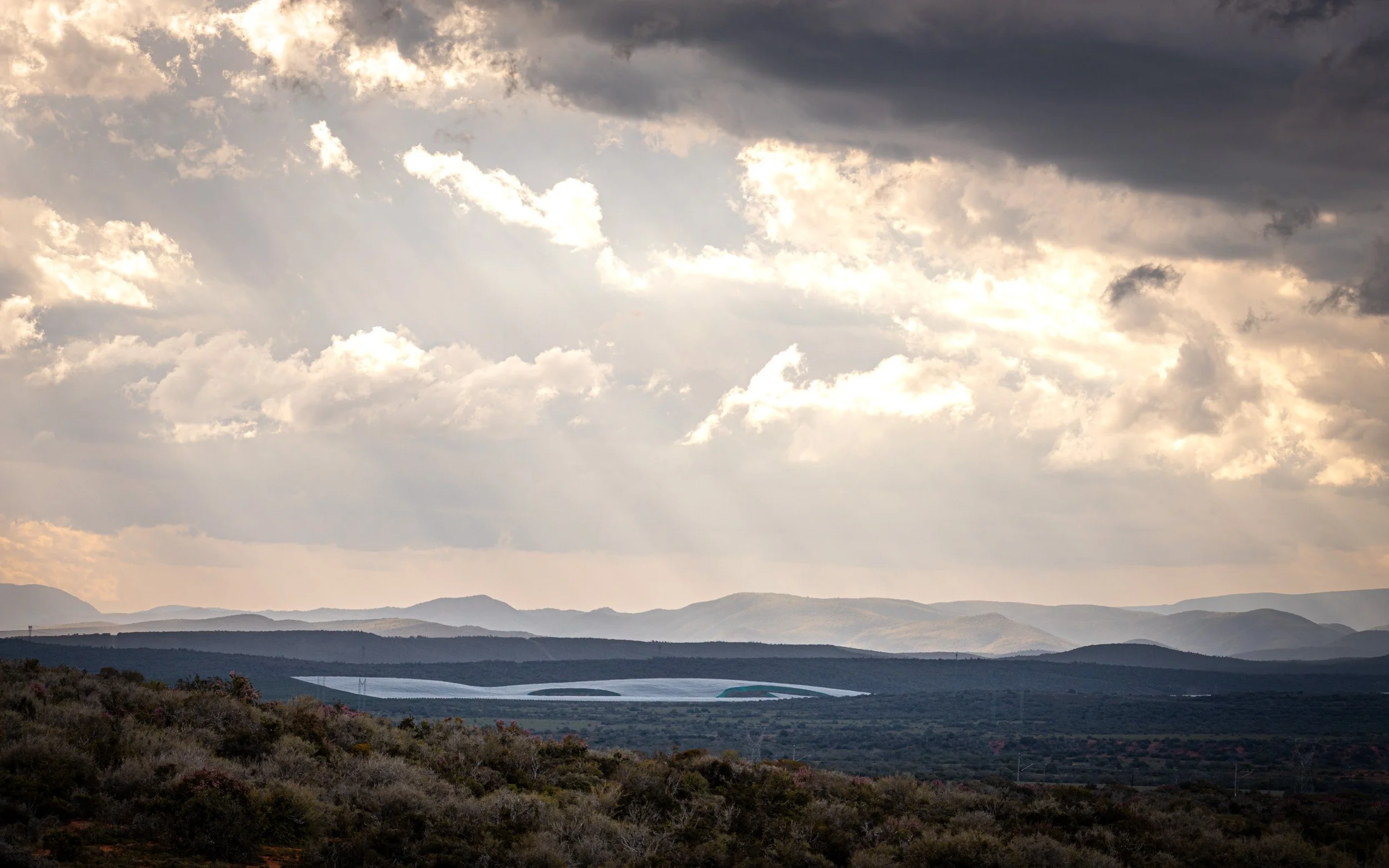
The next morning, we continued on to Addo Elephant Park, where we had booked accommodation directly inside the park so we could enter quickly and spend as much time as possible there. The drive took around 3–4 hours; again, various animals crossed the road (such as monkeys and meerkats), and once more there were very few places to stop for photos of the beautiful landscapes.
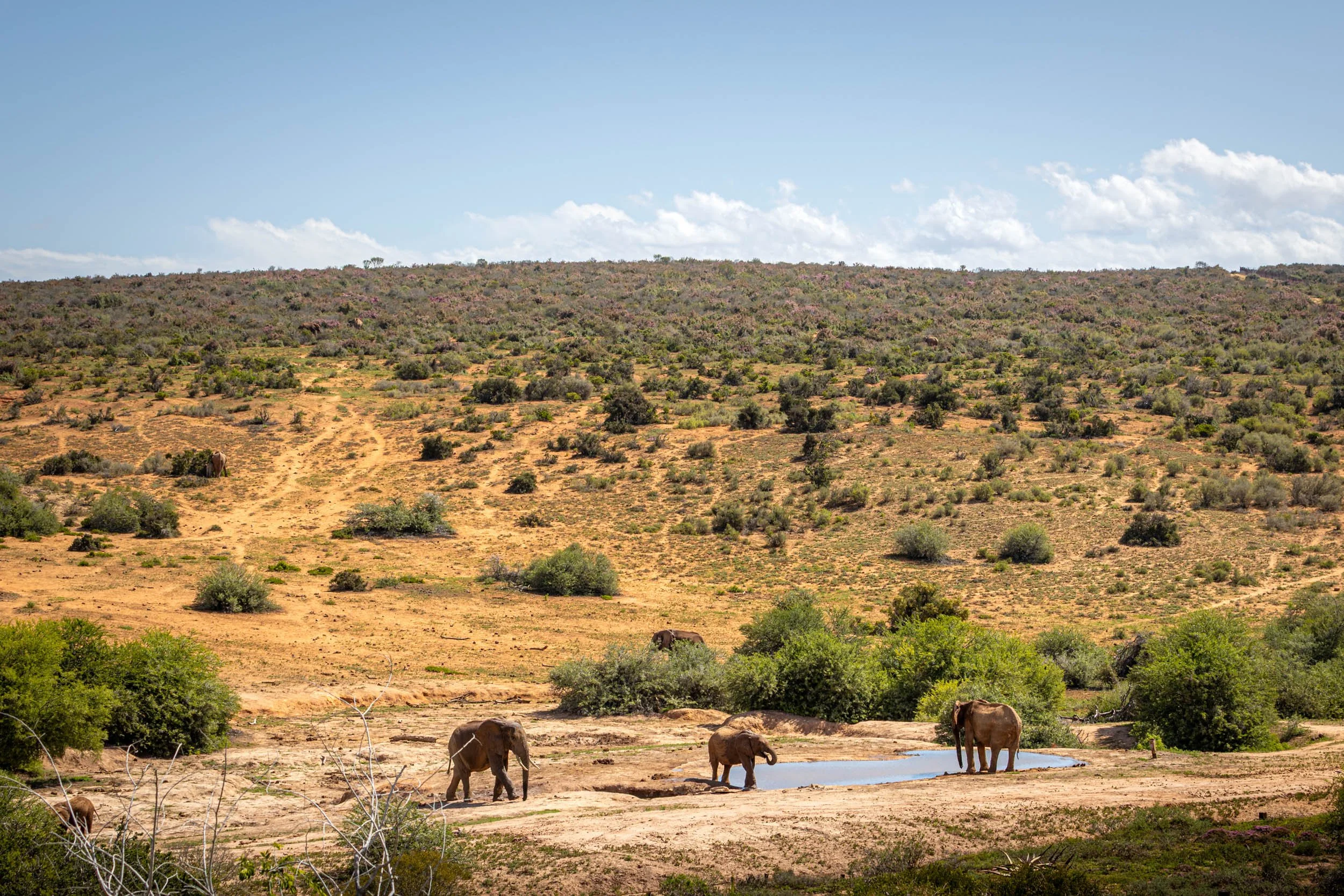
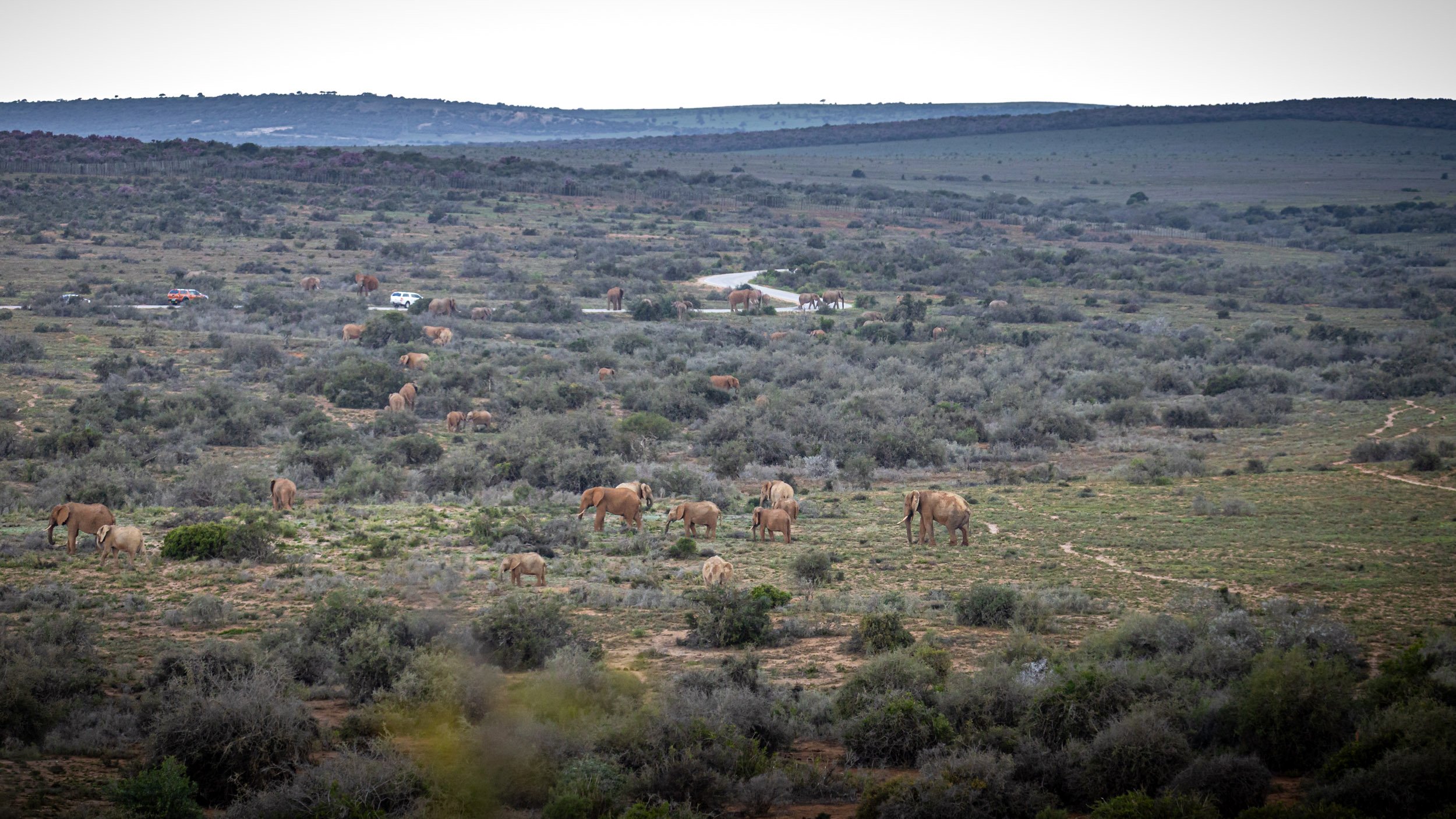
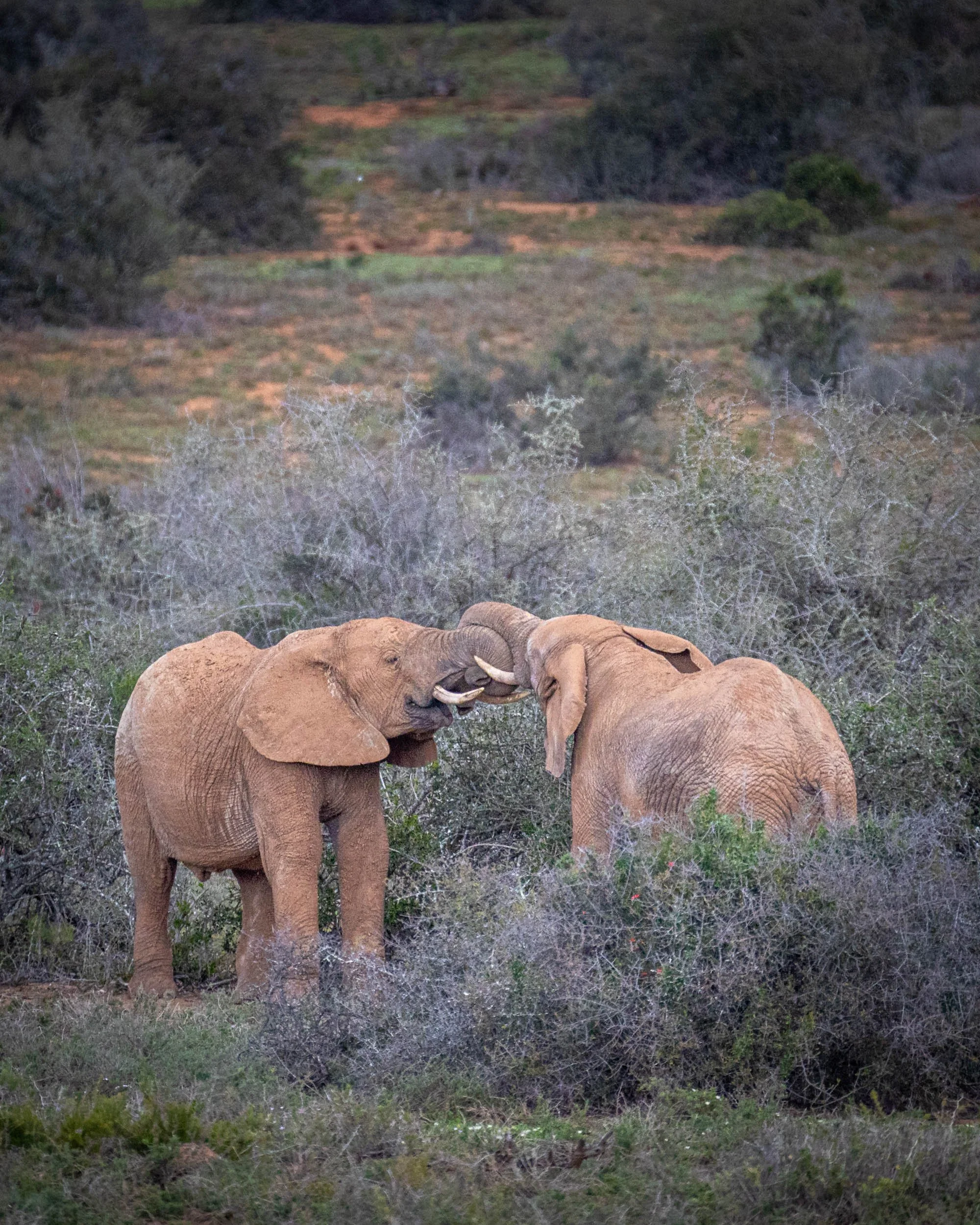
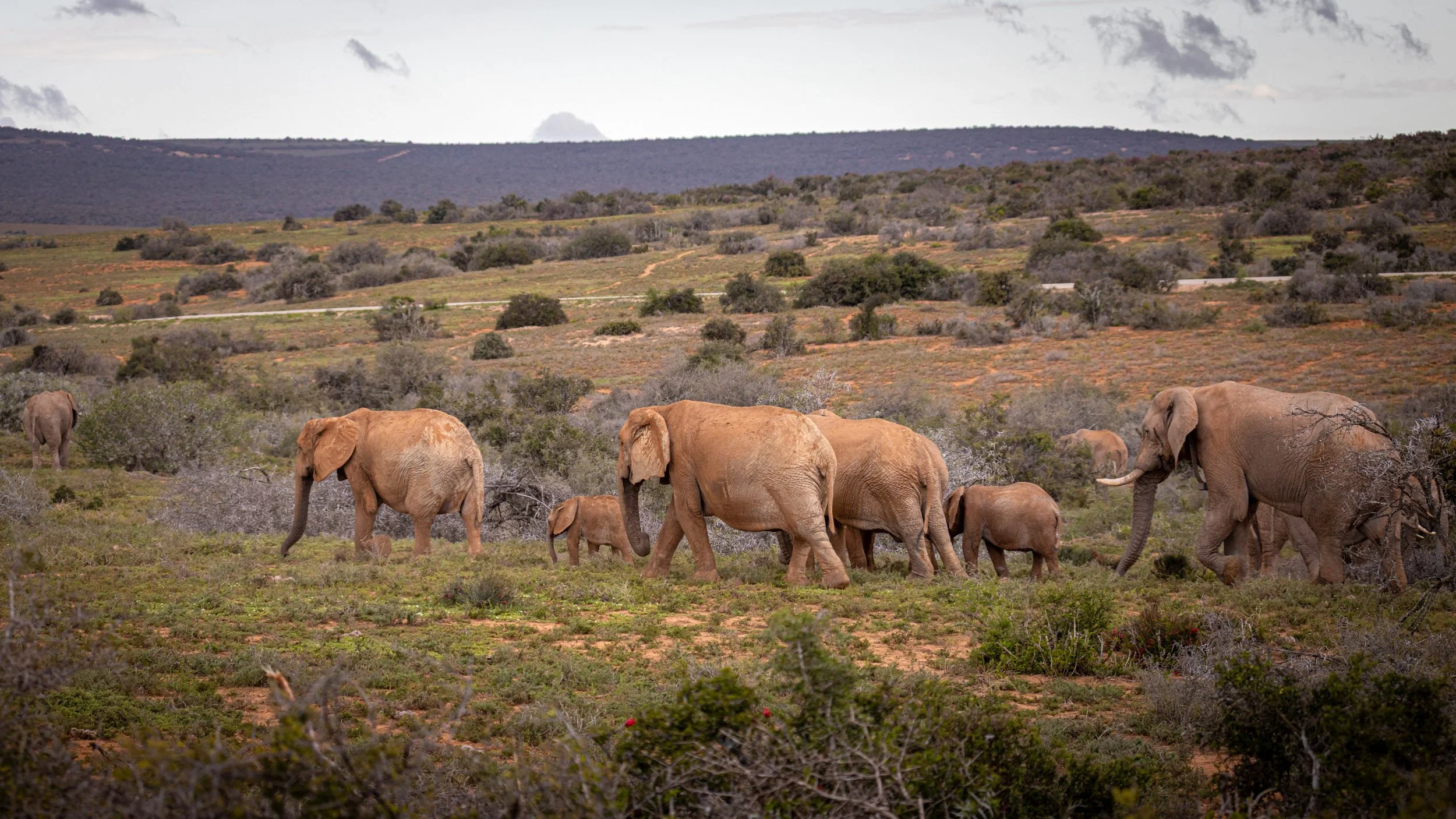
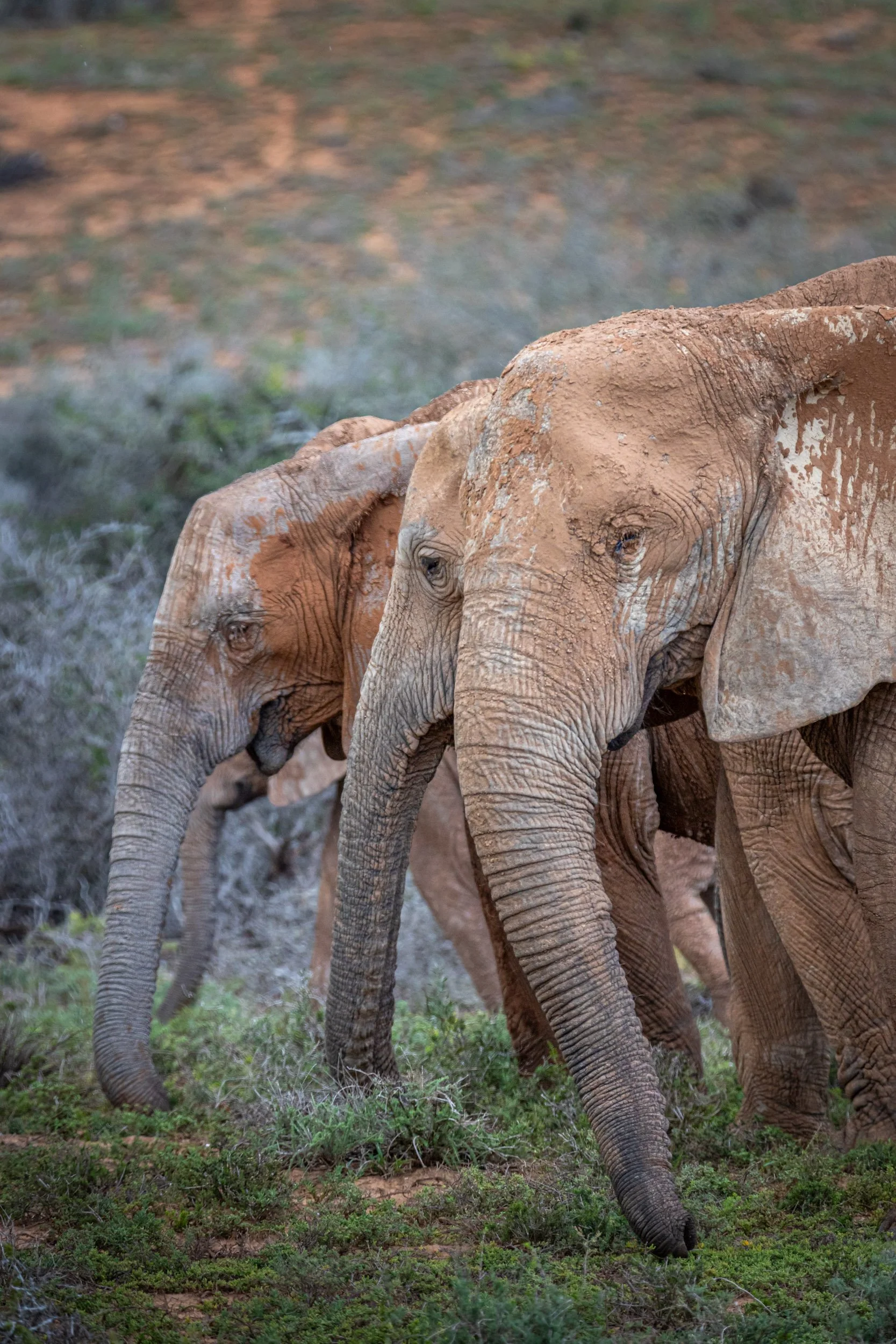
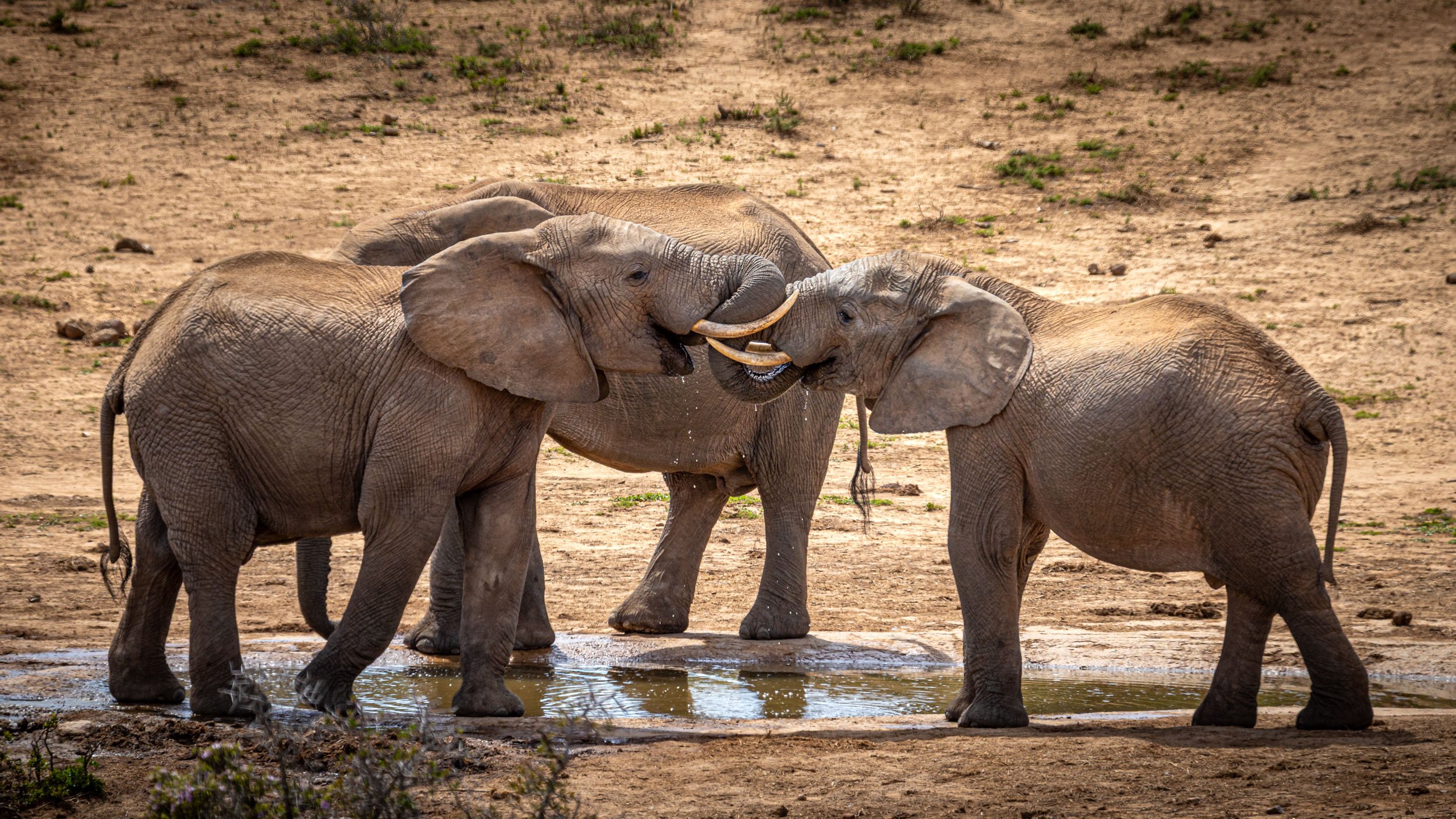
We arrived at the park around 2 p.m., checked in, had something to eat, and immediately booked the 4:15 p.m. sunset drive. Overall, it was a good safari, but we hadn’t quite realized that this tour actually takes place during the normal park opening hours, from 4:30 to 6:30 p.m. When you book a “sunset drive,” you kind of expect a tour that goes beyond the usual hours. Still, it was nice not to have to drive ourselves and to be able to fully focus on spotting animals. We also saw lots of elephants and other wildlife. Even so, next time we would probably choose to drive ourselves.
After the tour, it rained heavily. We got to see an impressive sunset, and then we spent the rest of the evening relaxing at our accommodation.
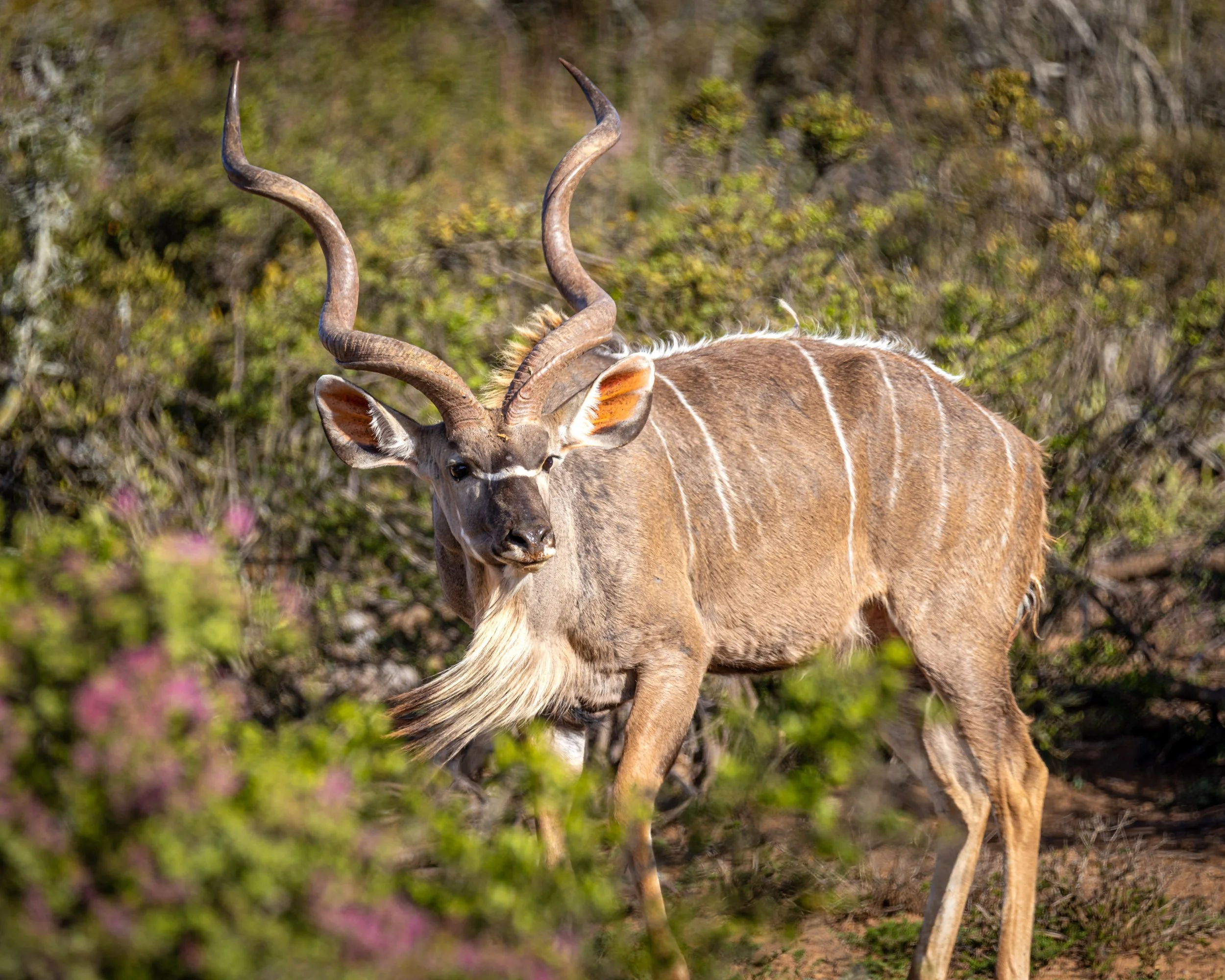
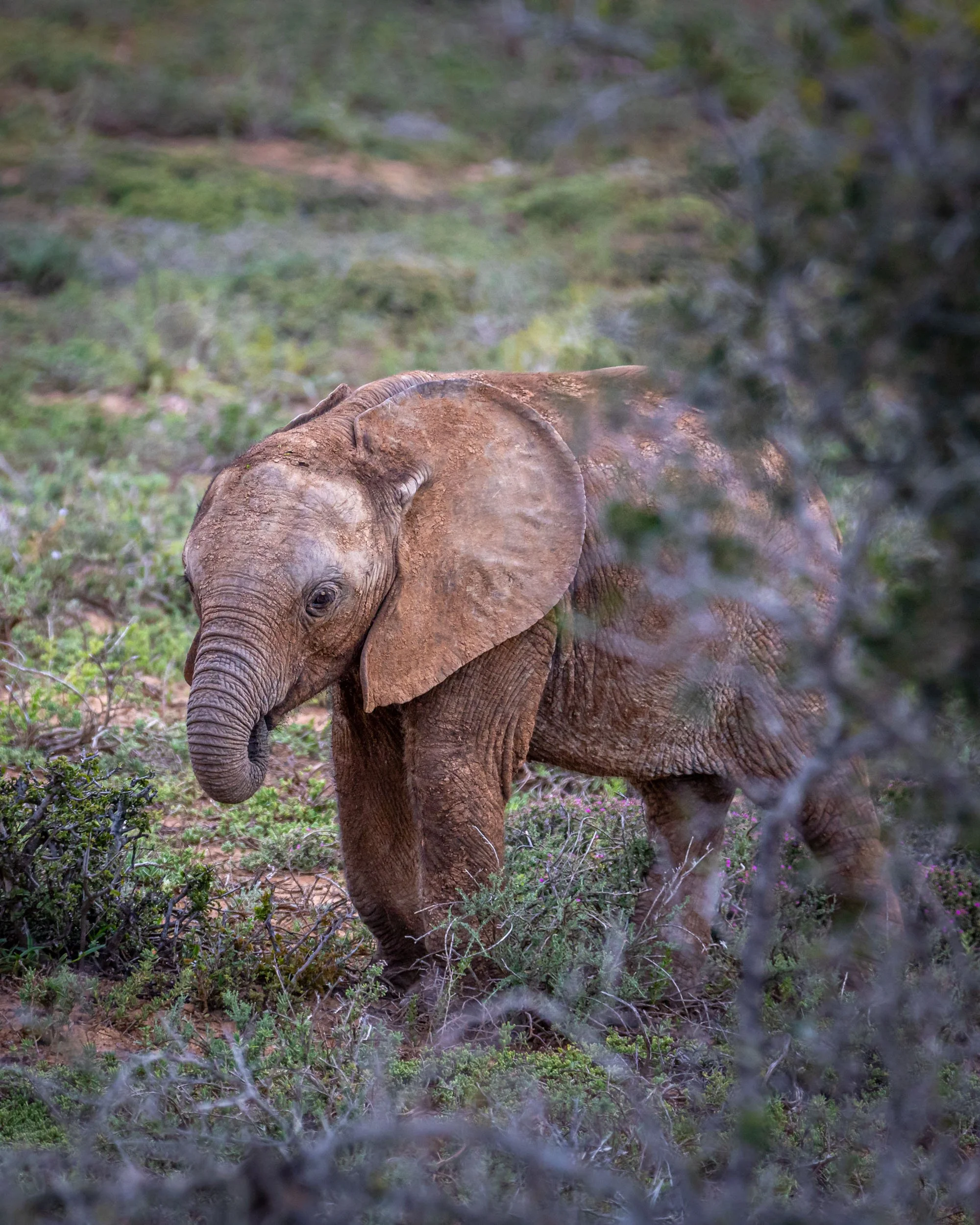
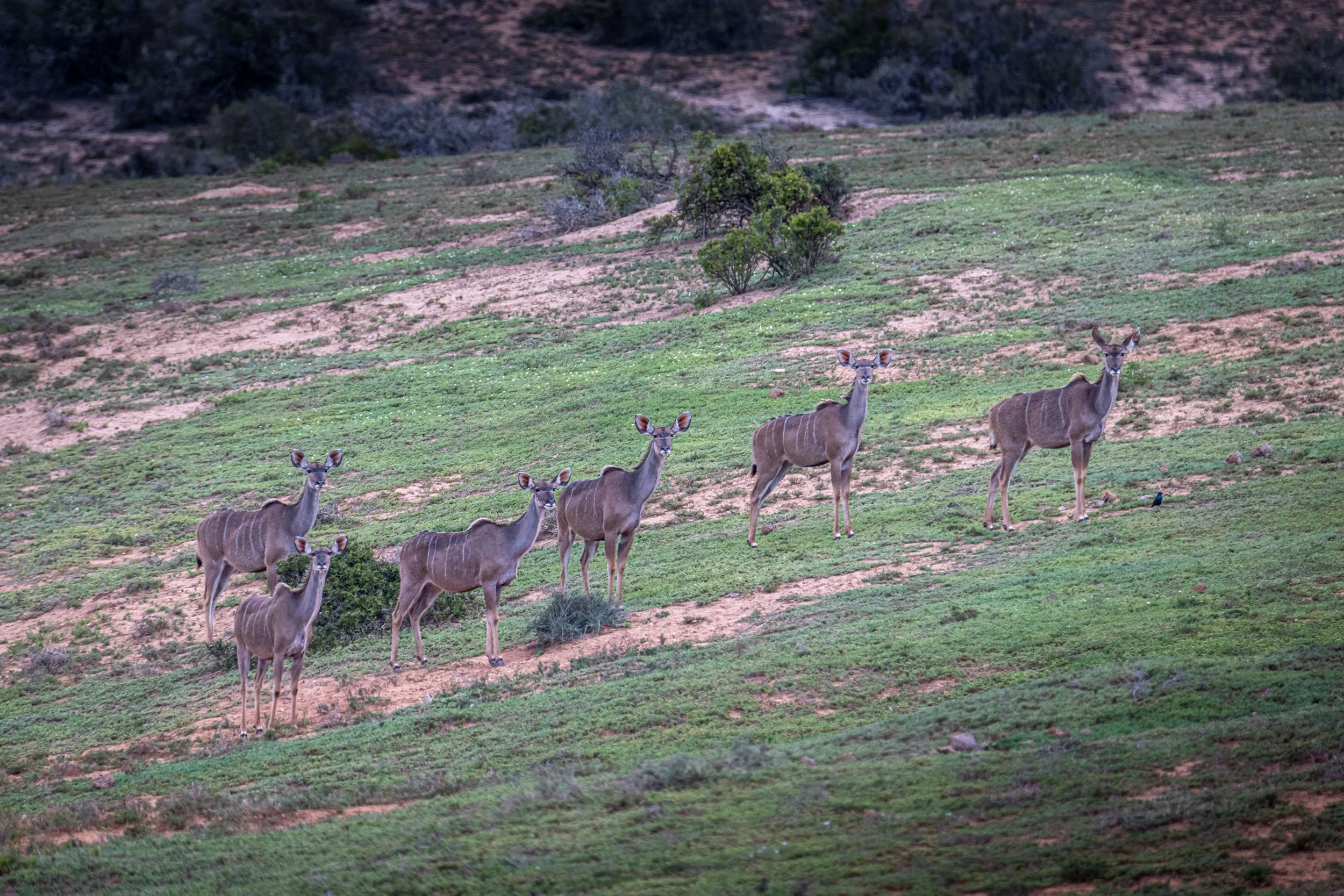
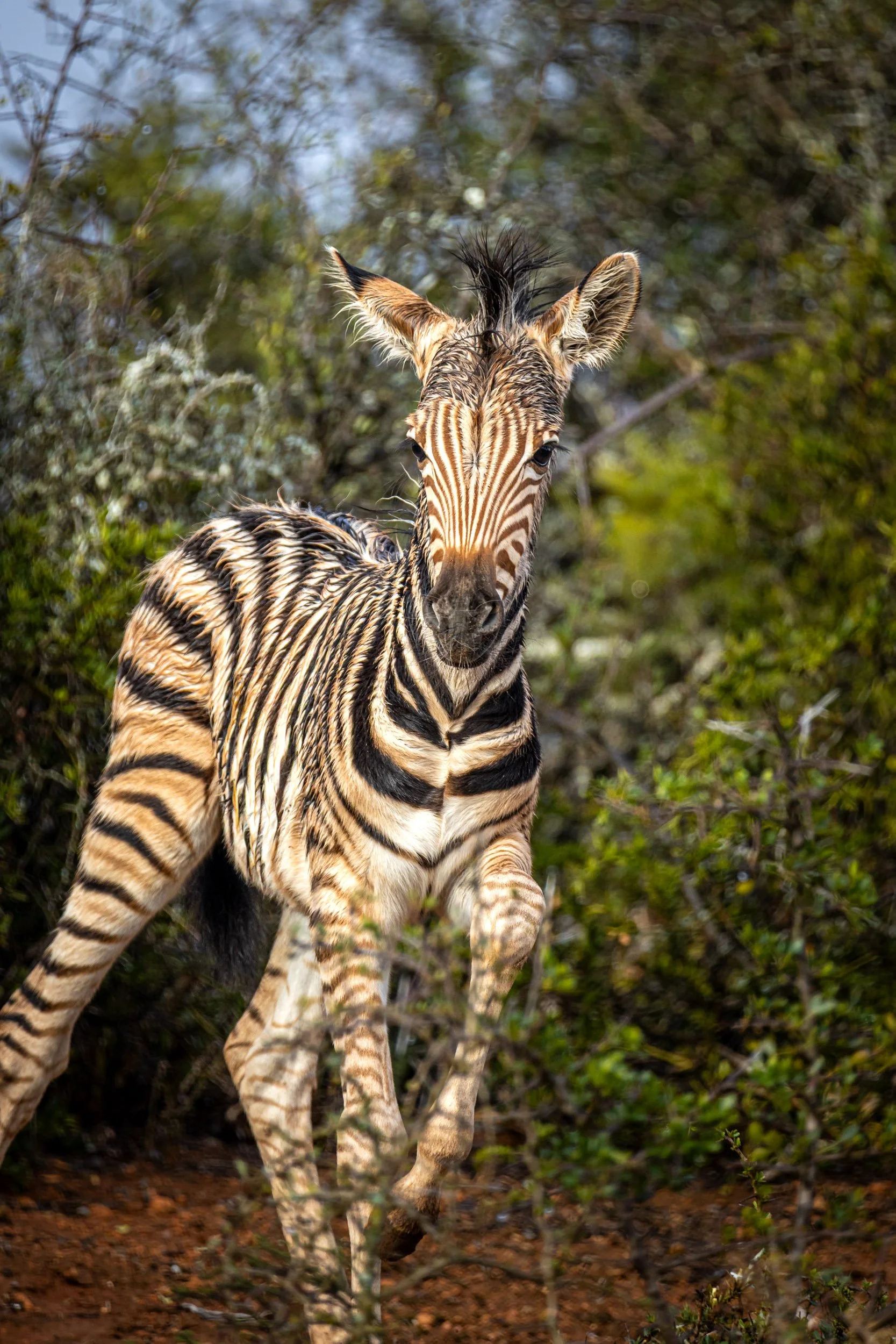
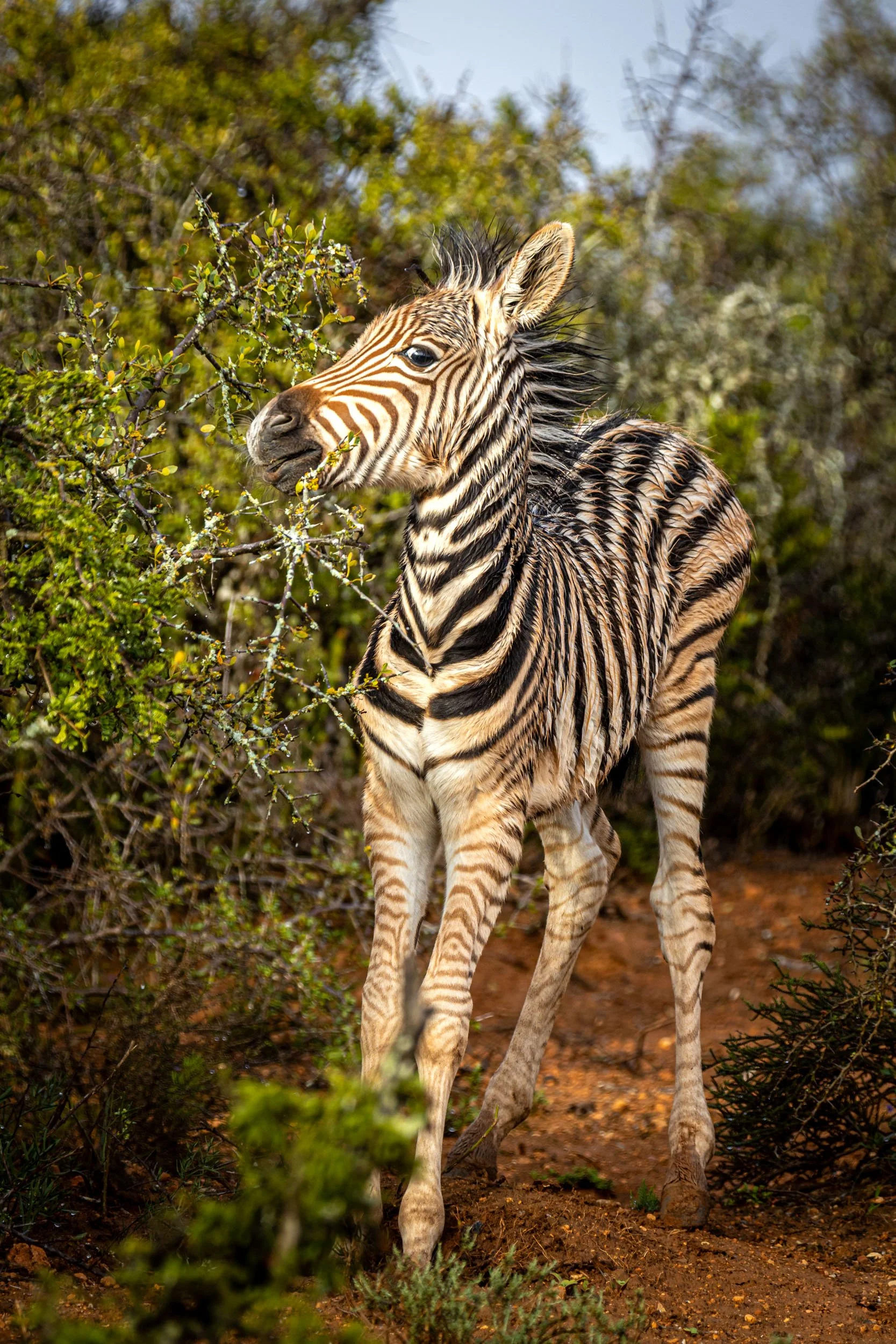
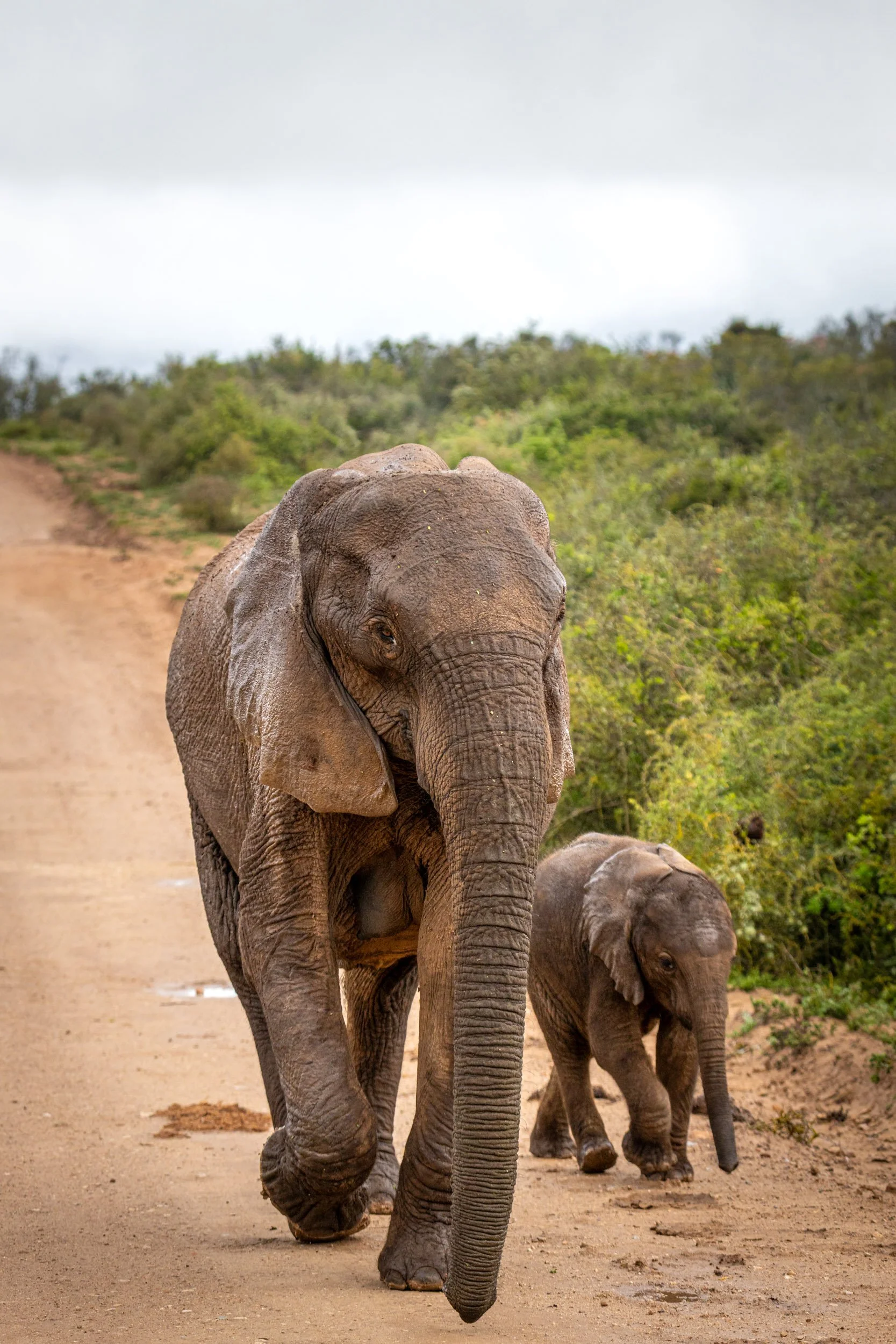
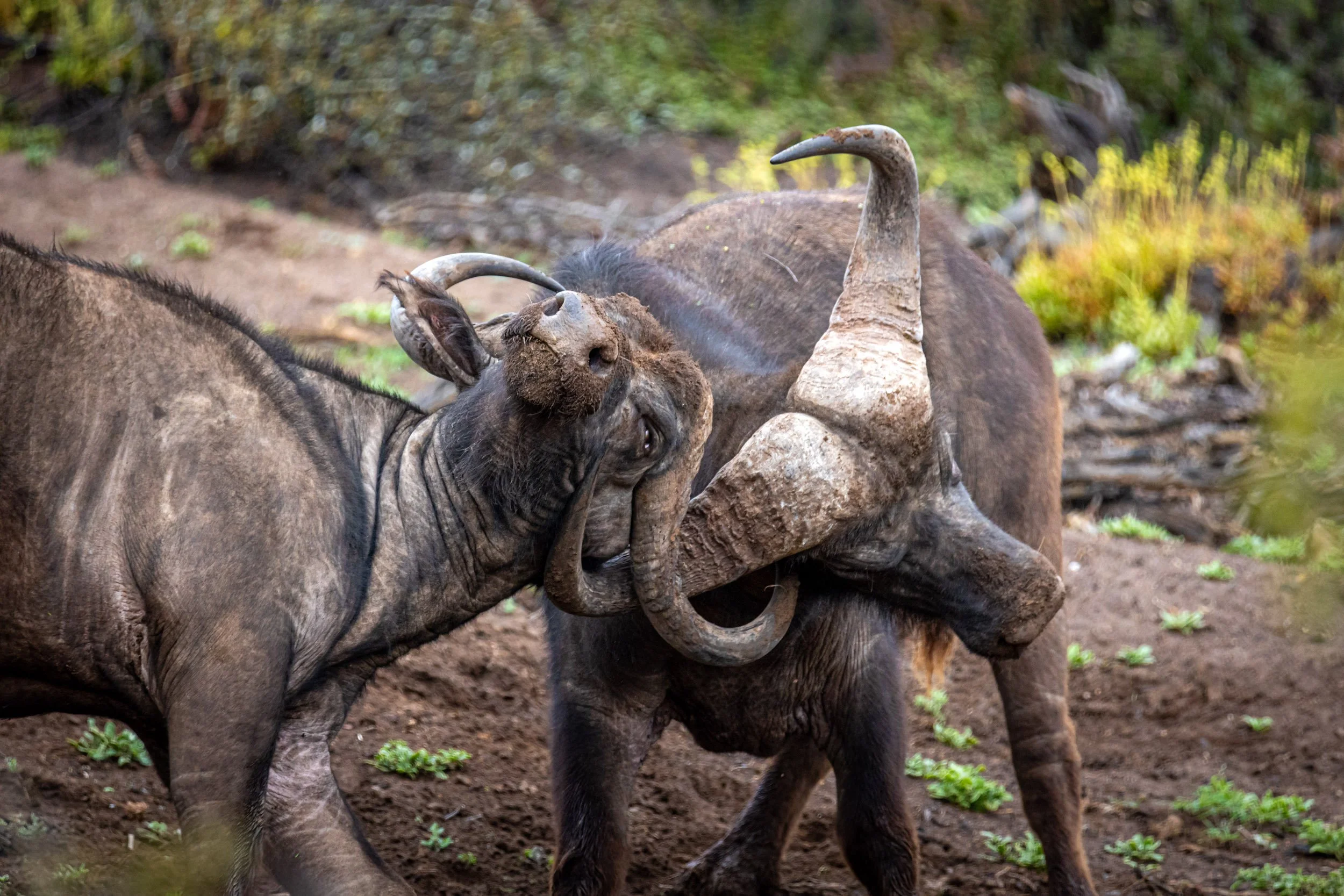
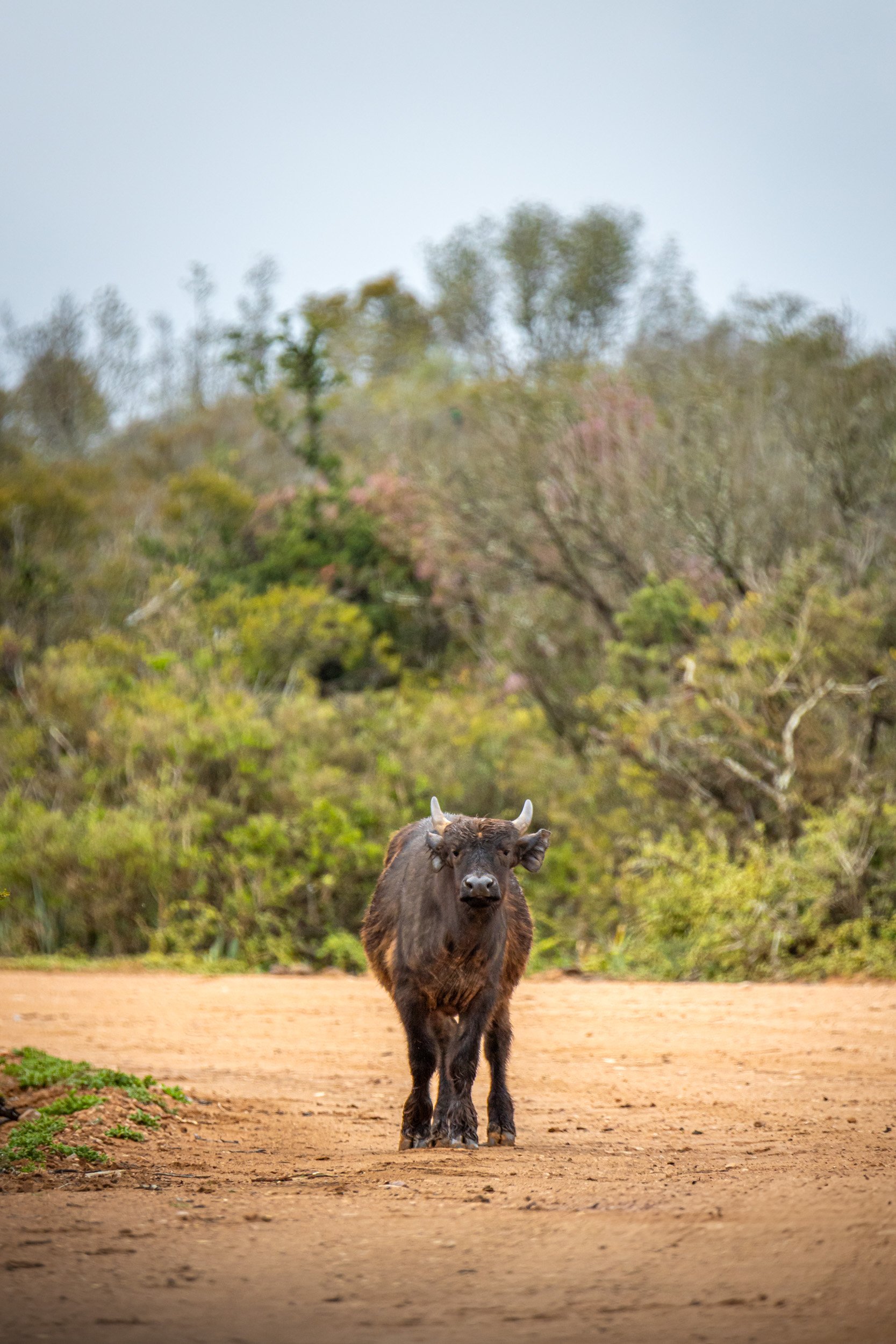
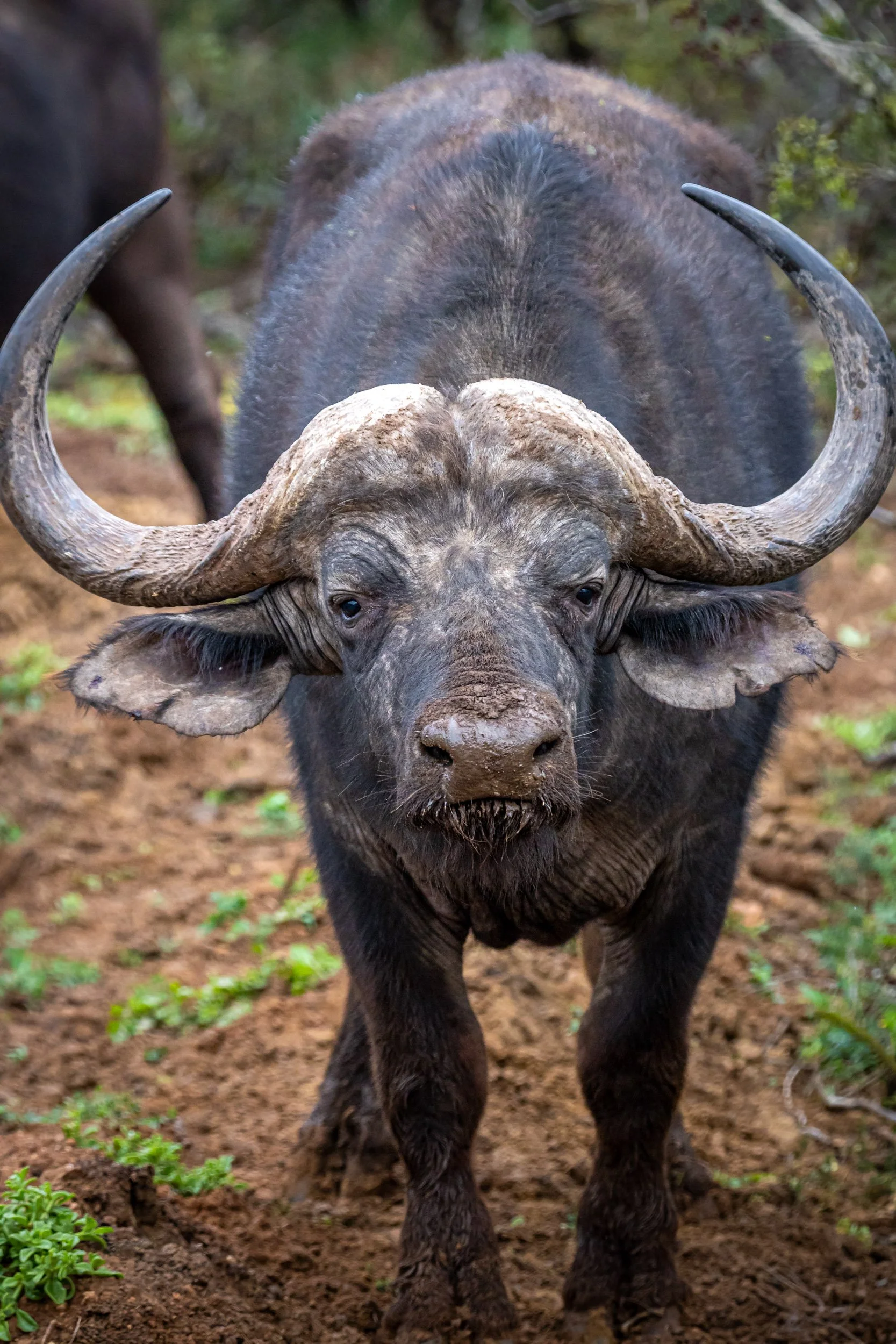
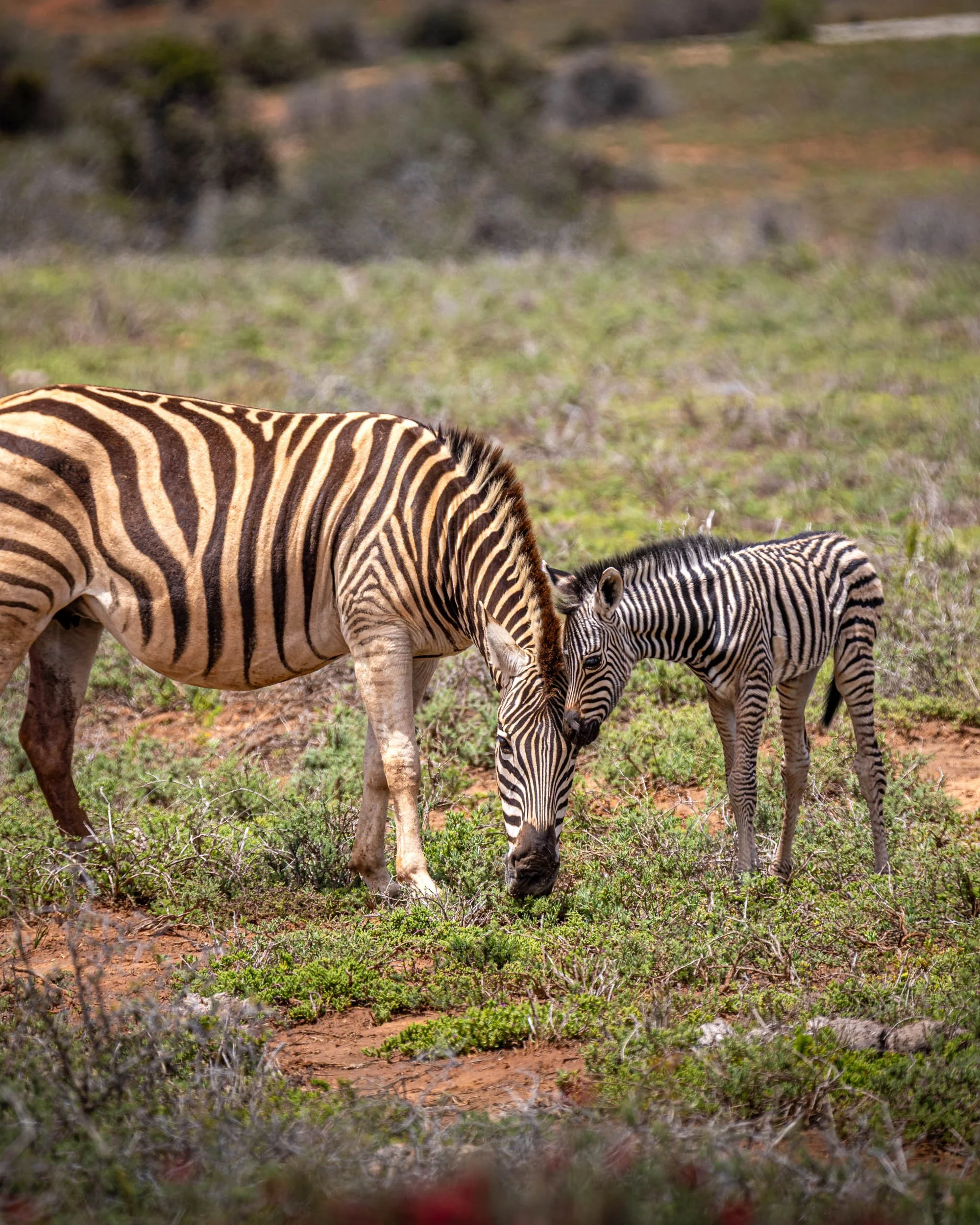
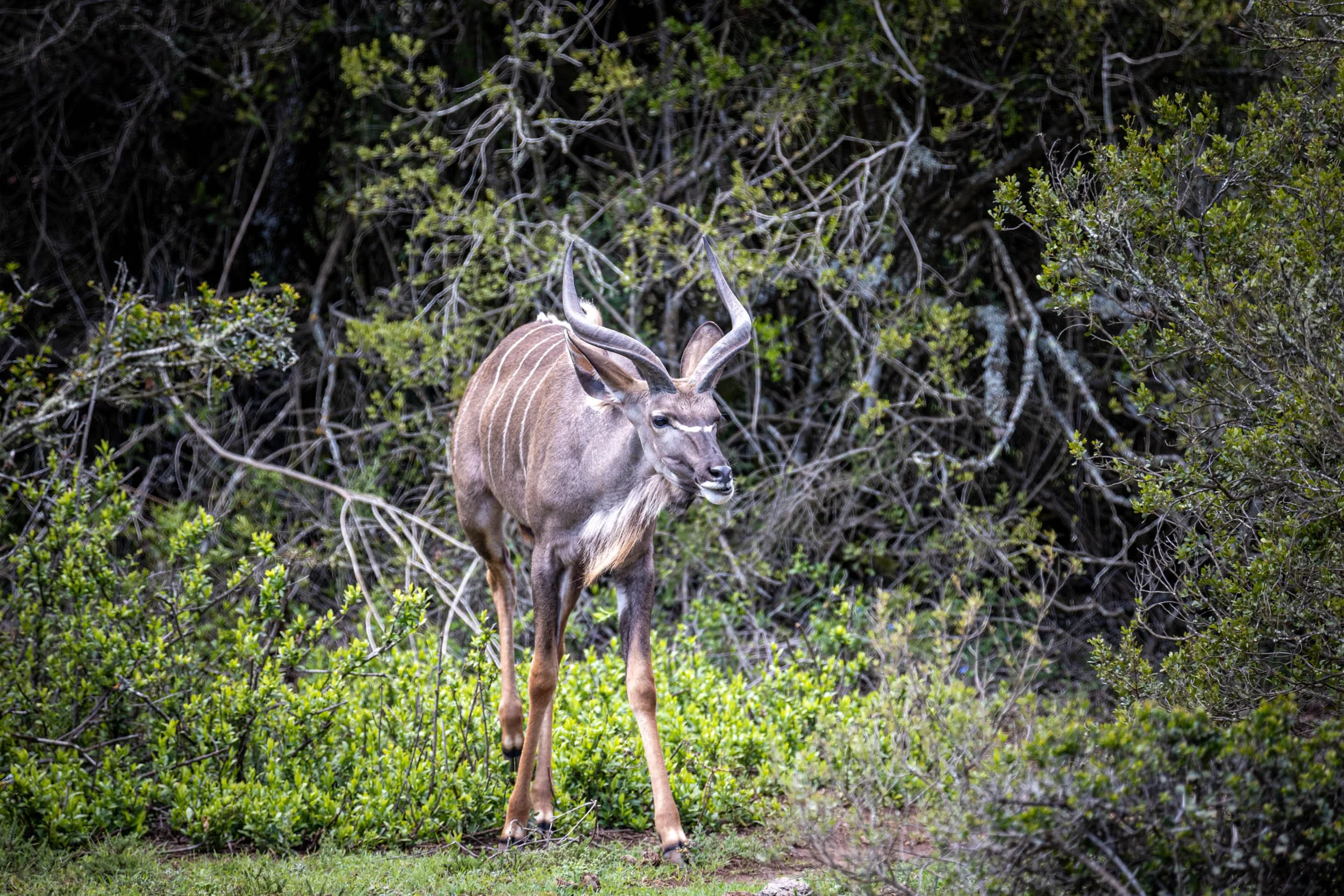
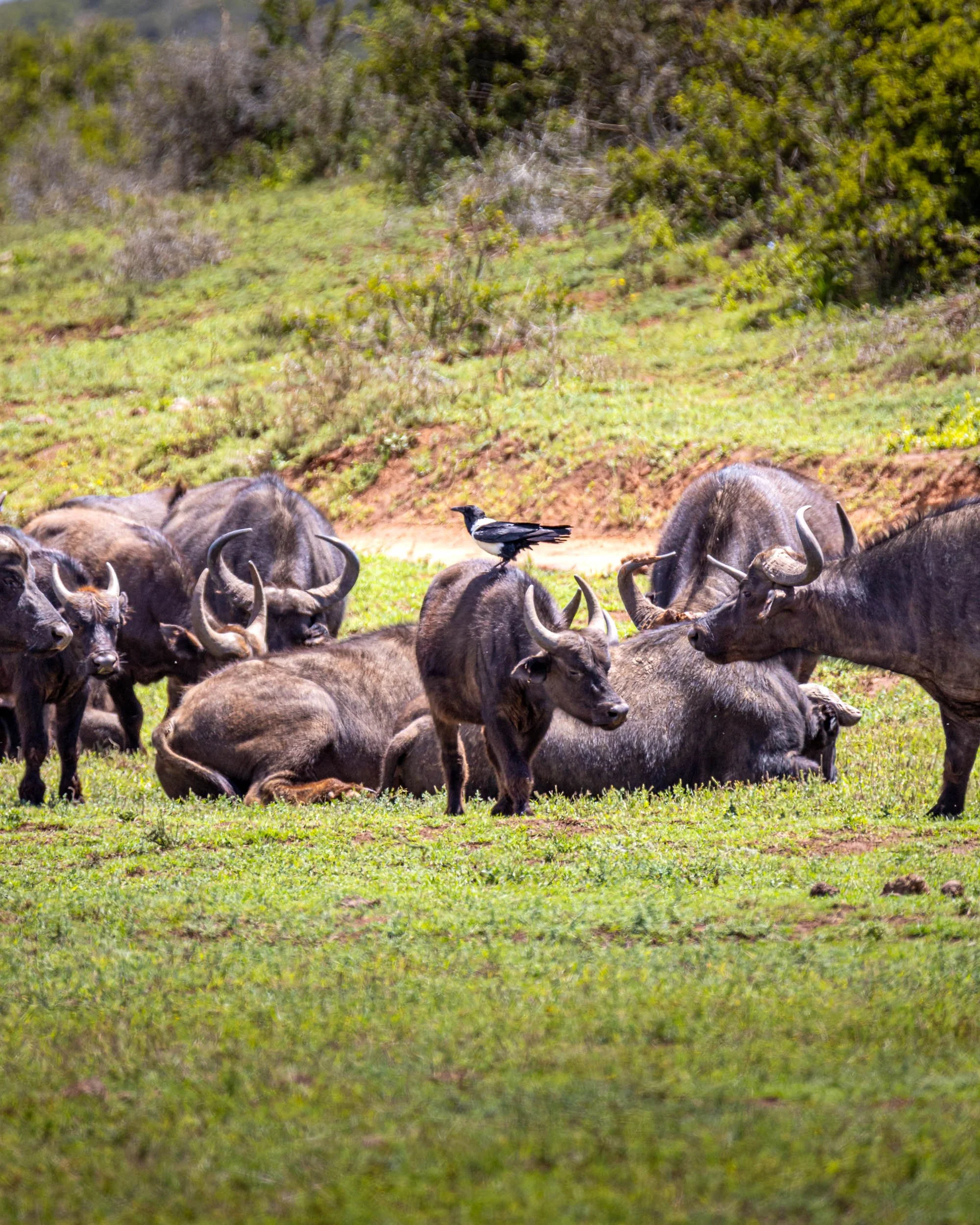
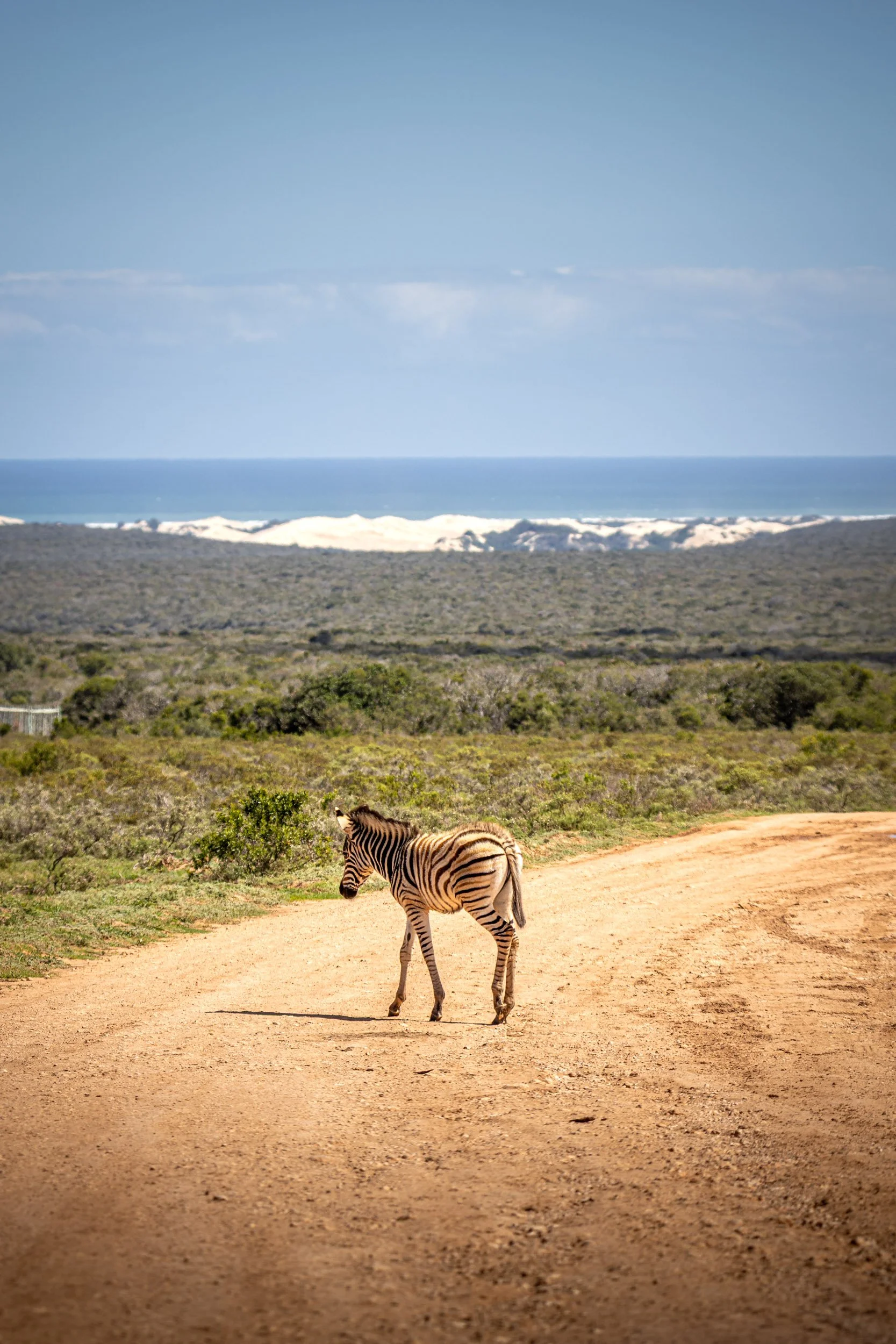
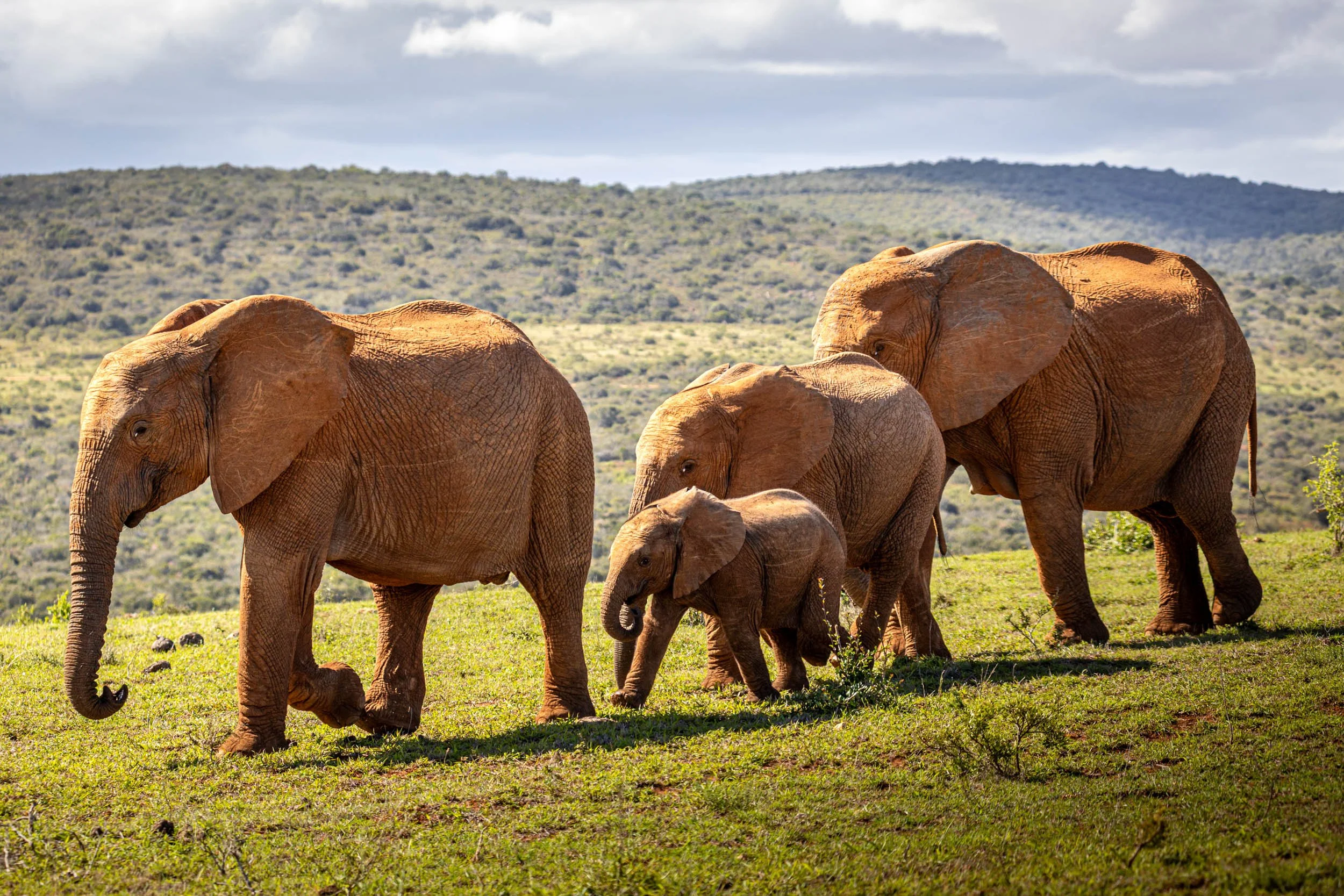
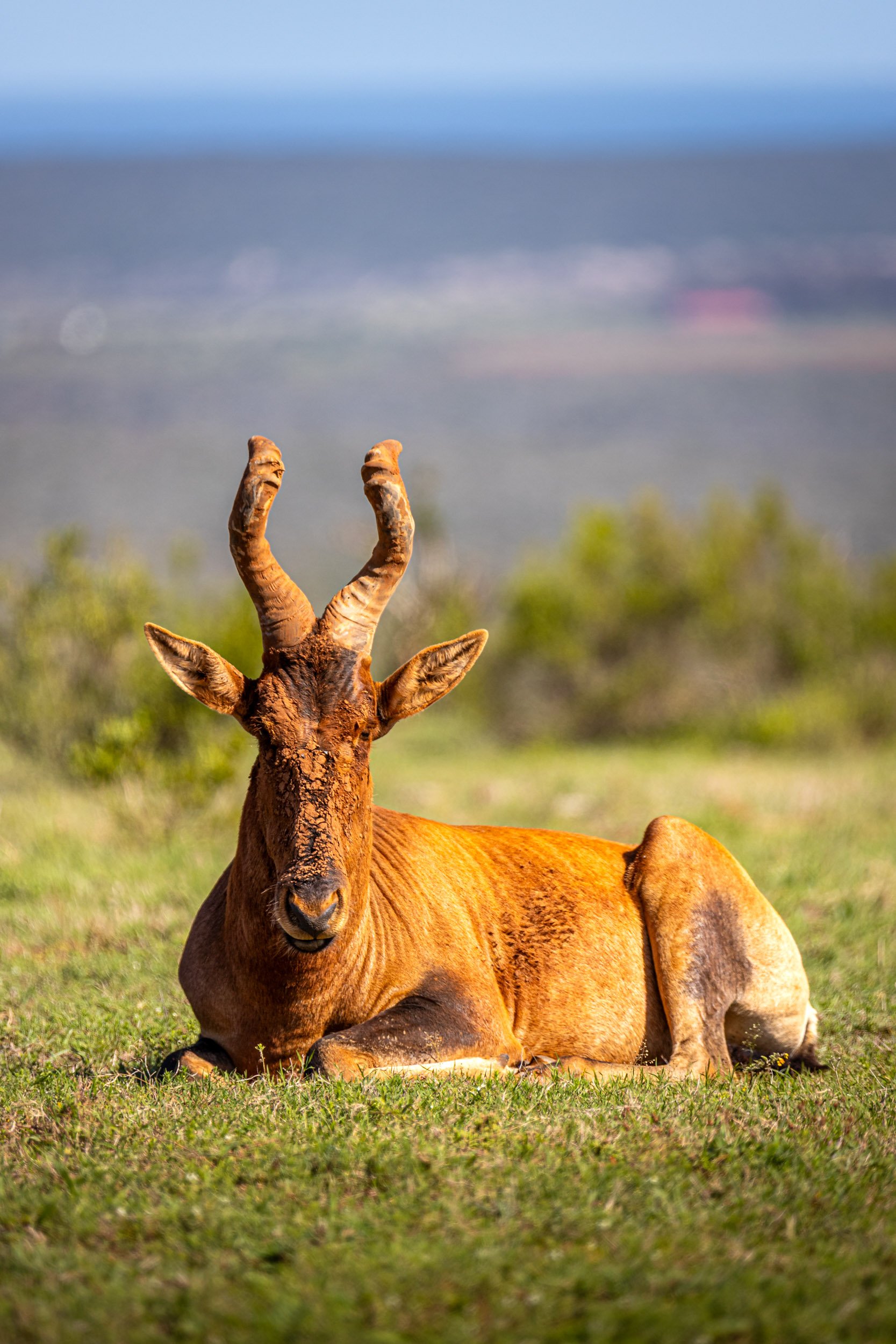
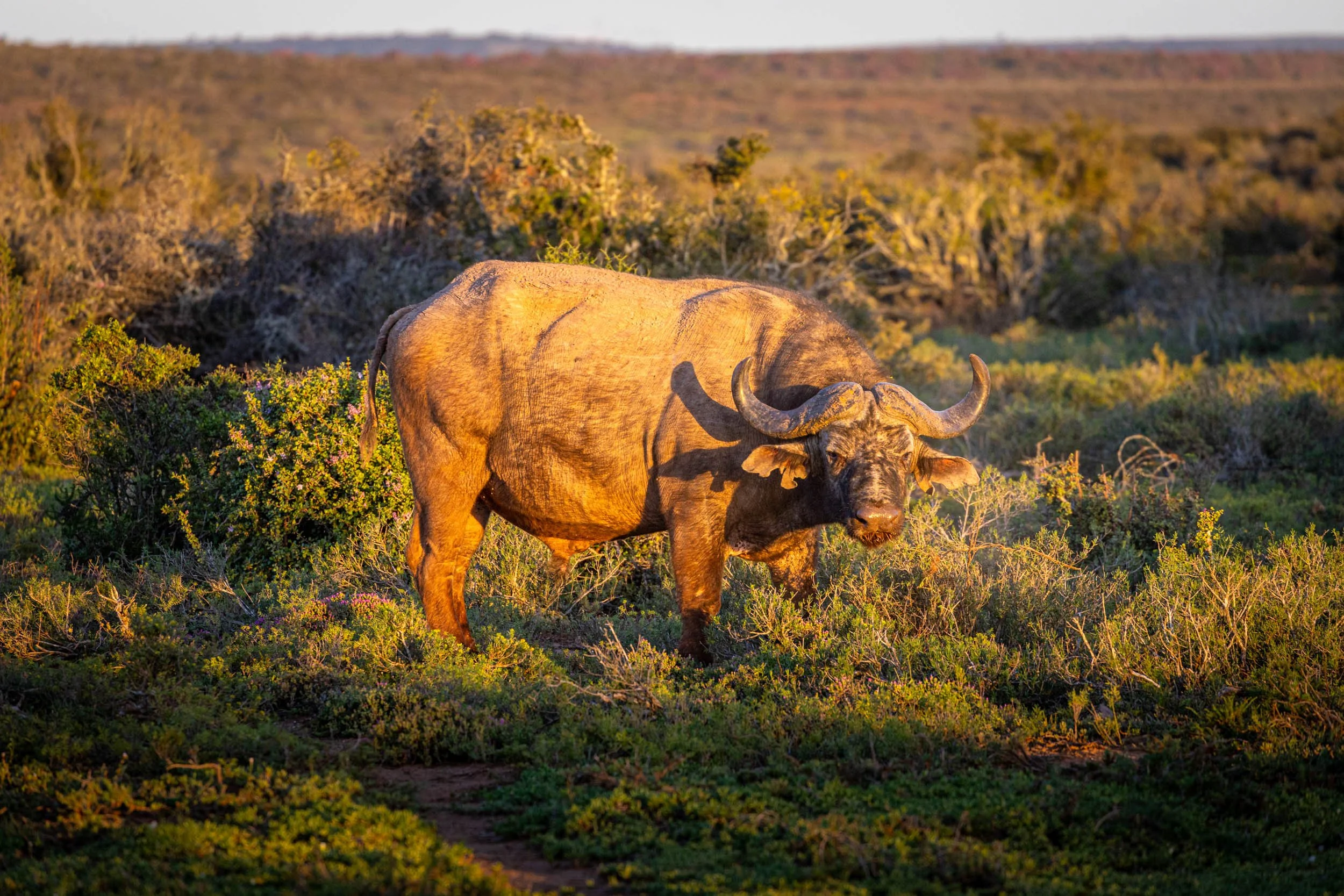
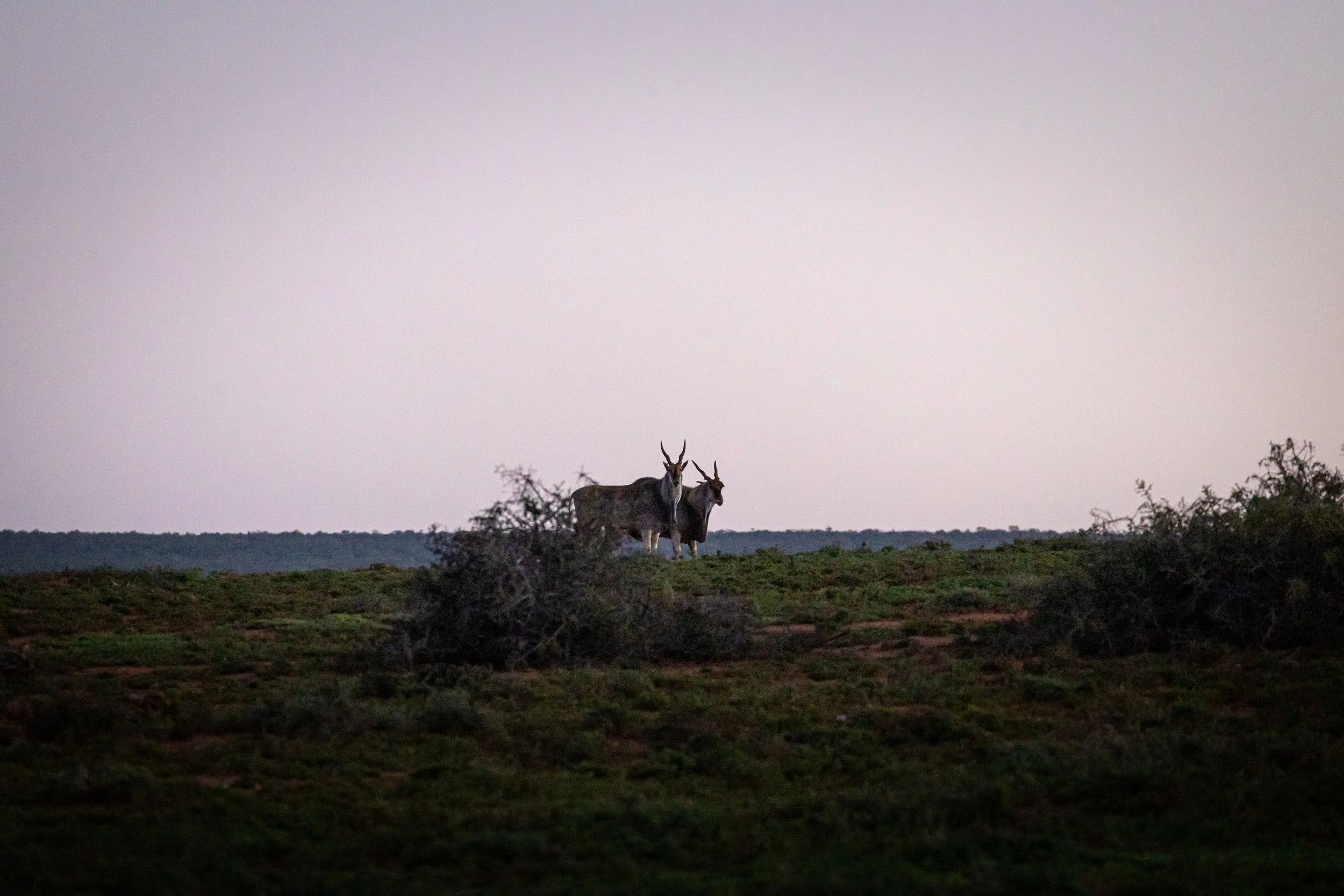
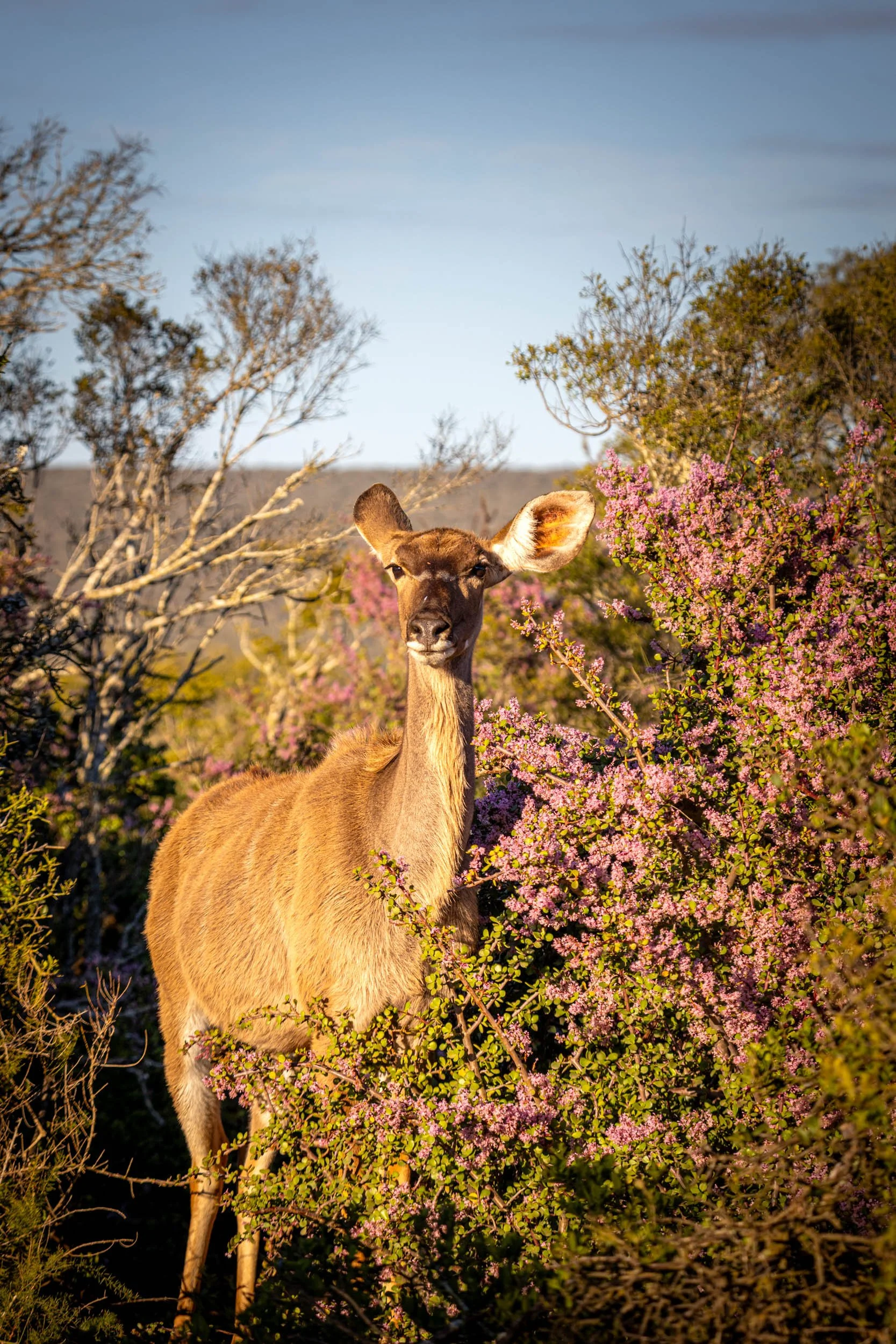
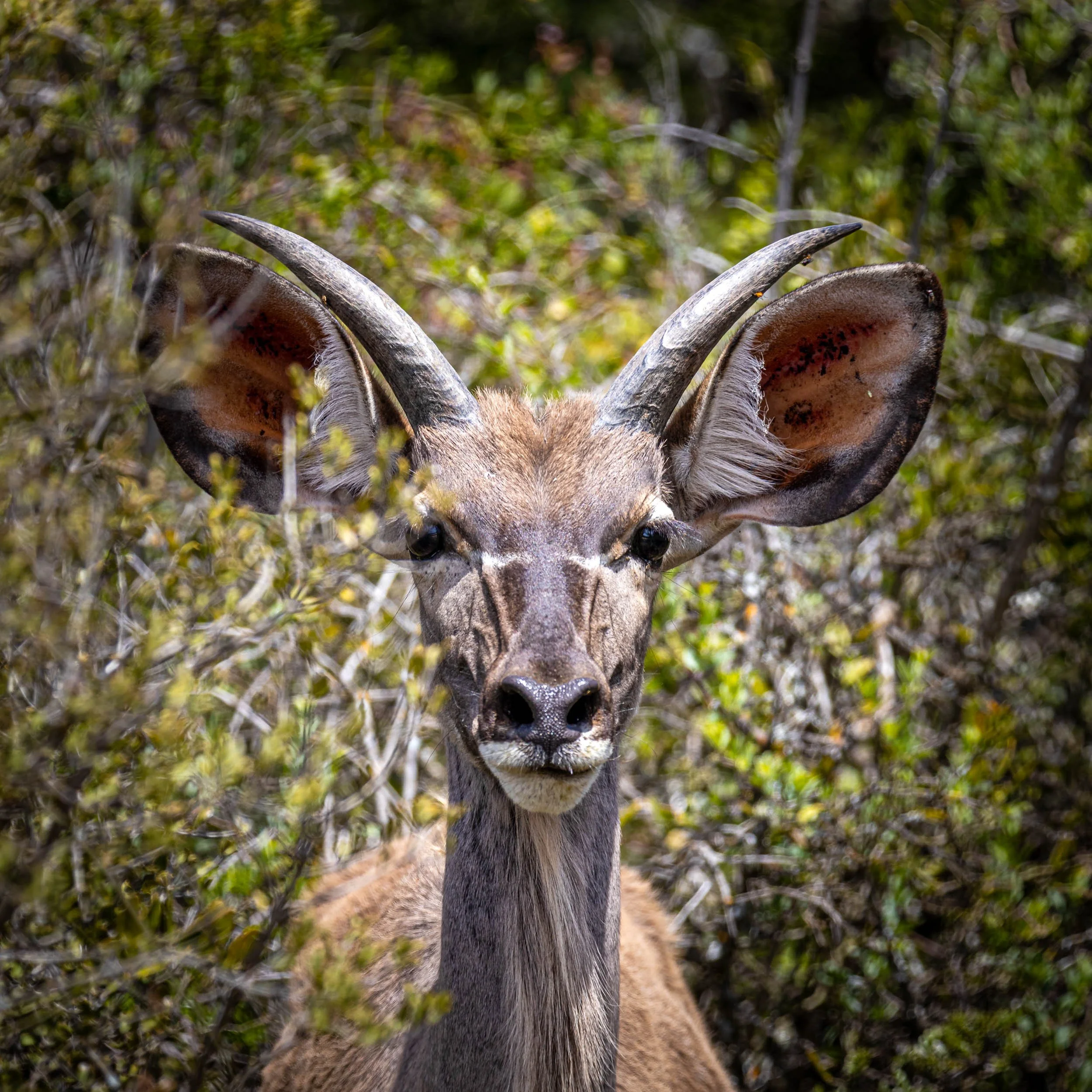
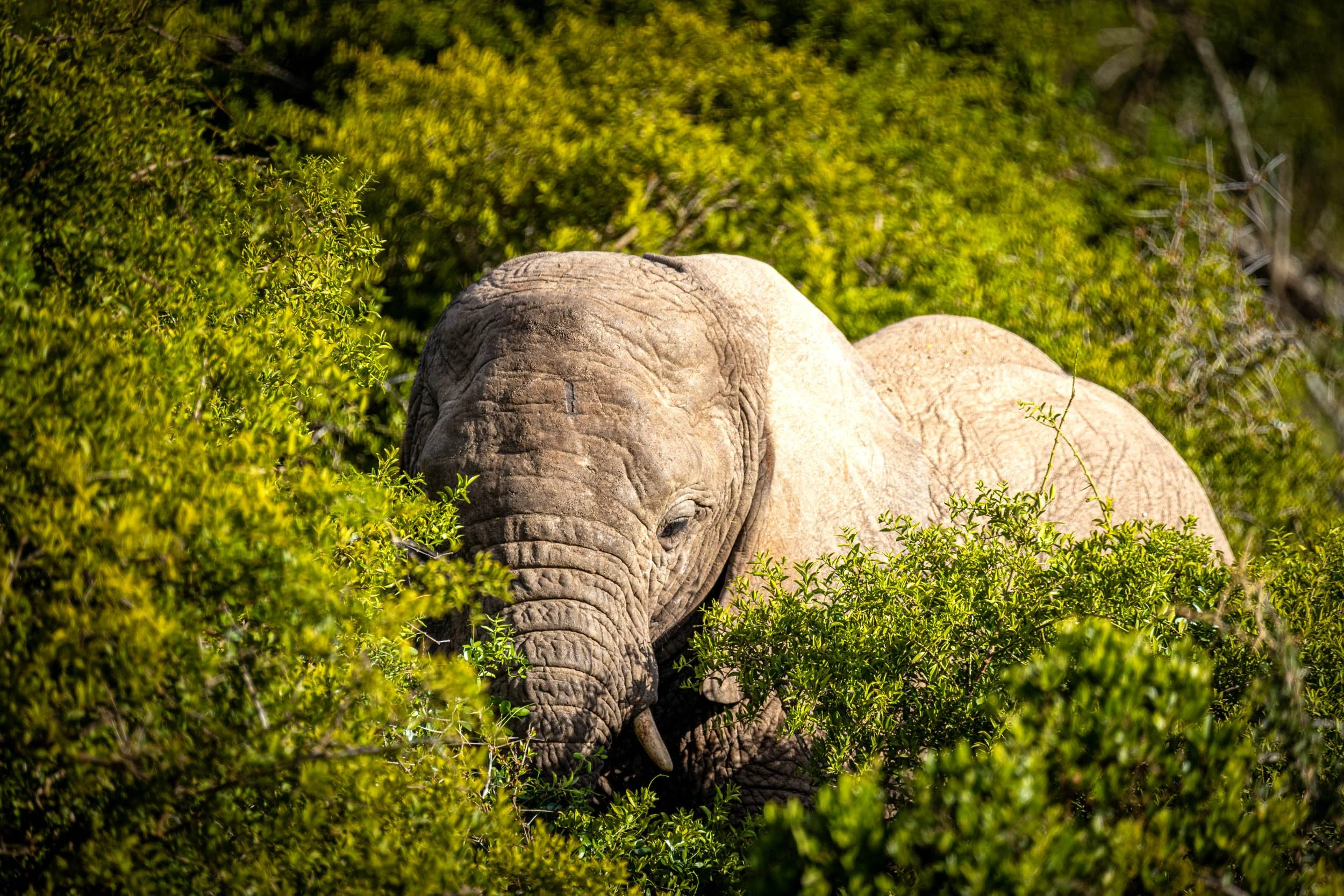
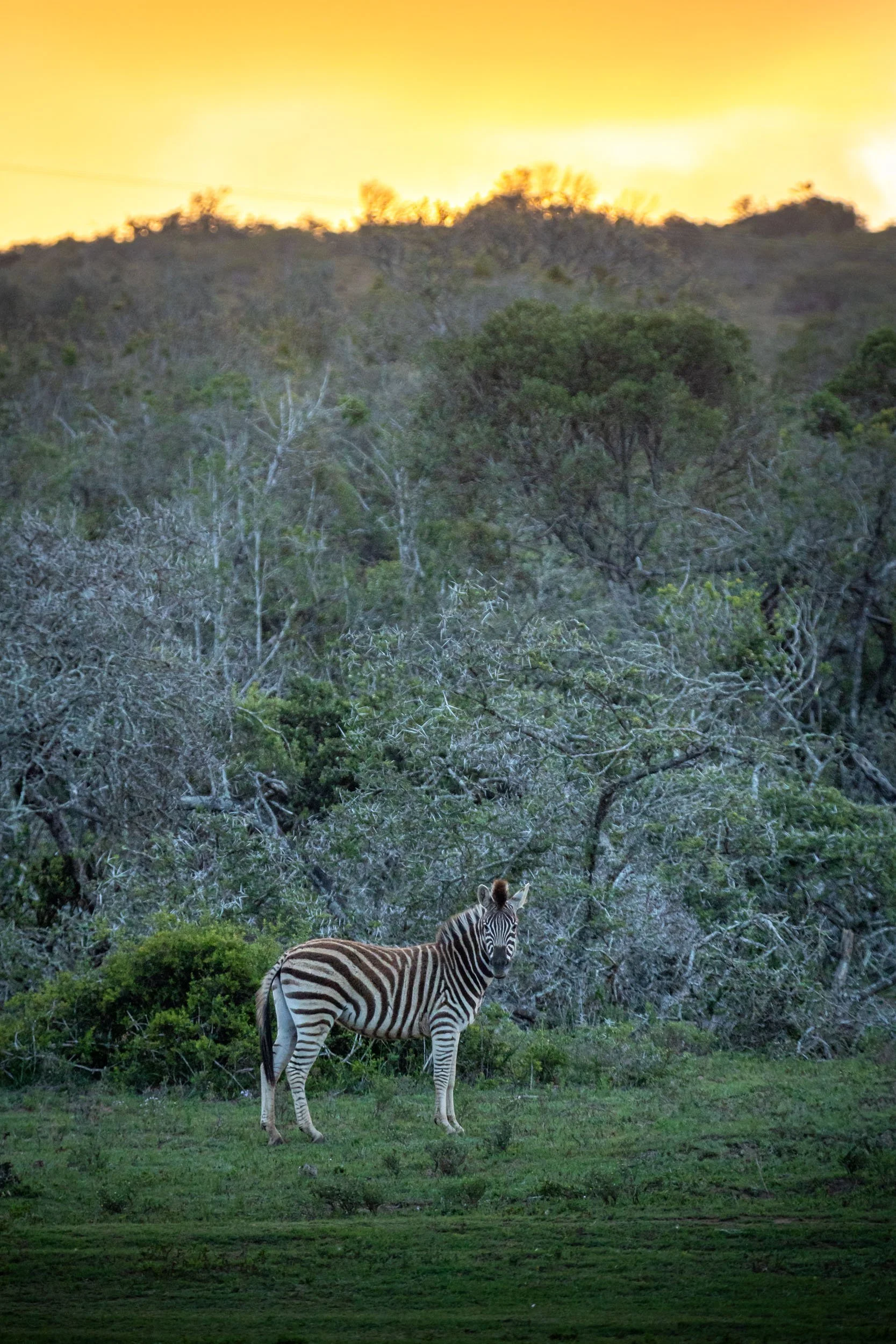
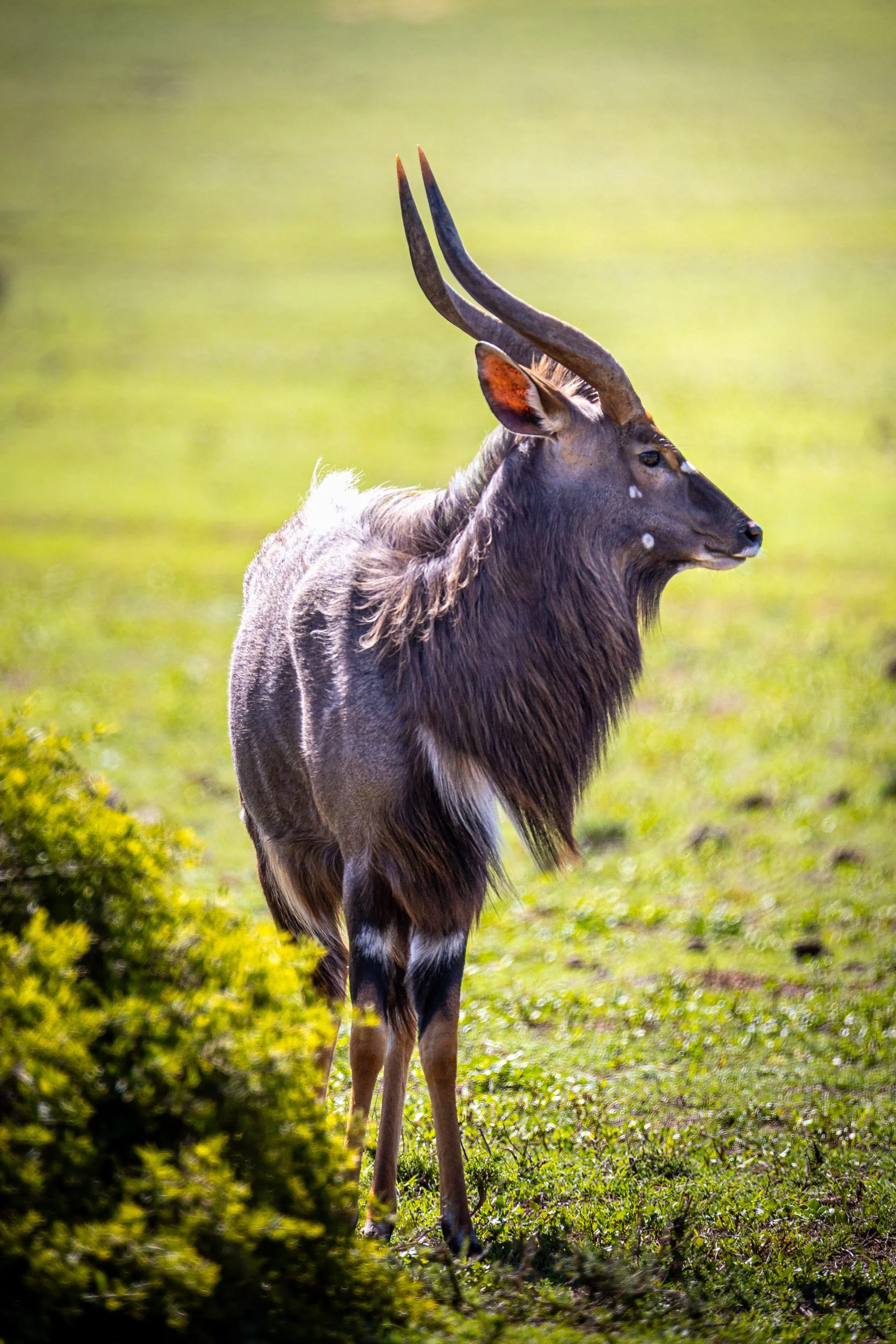
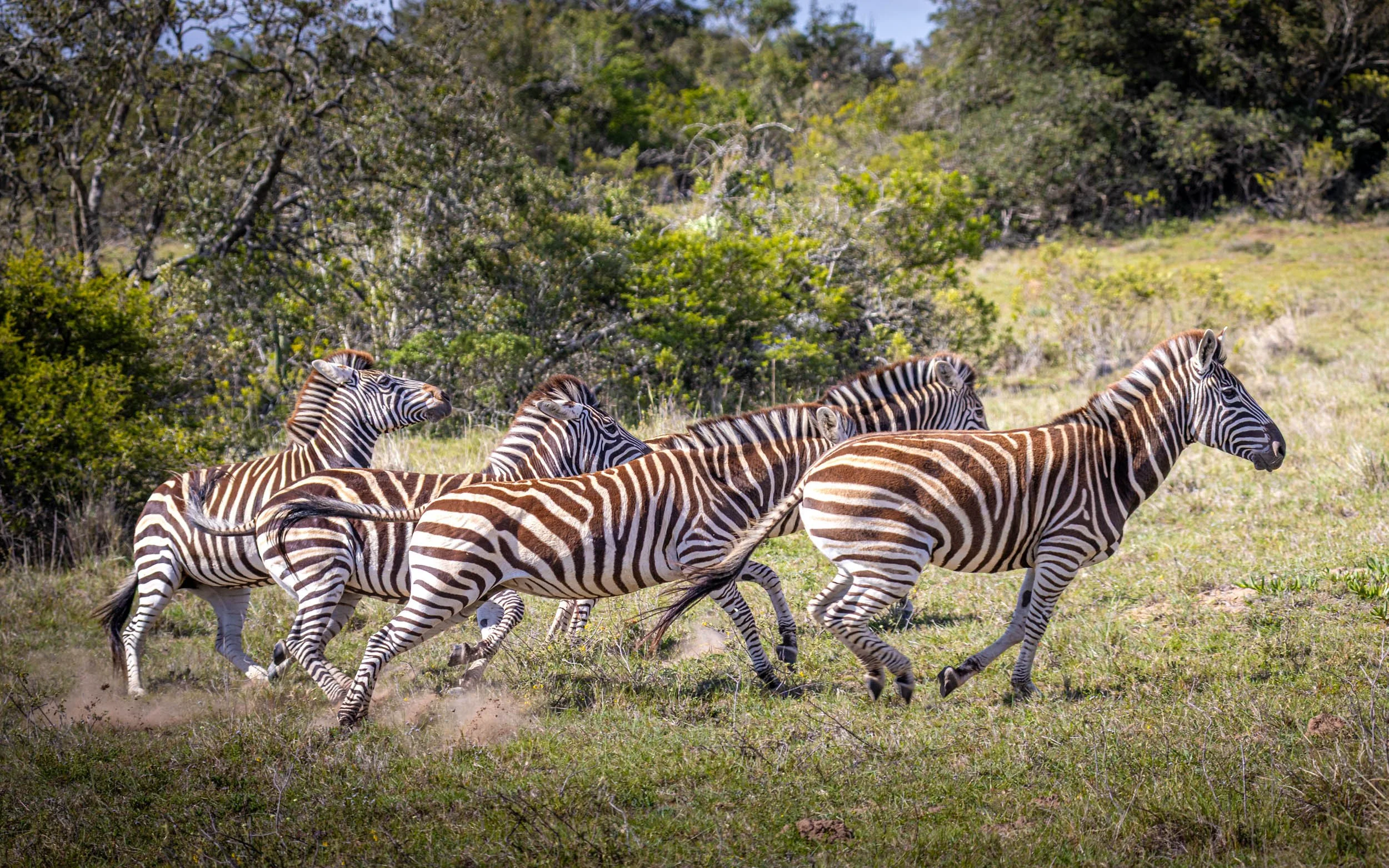
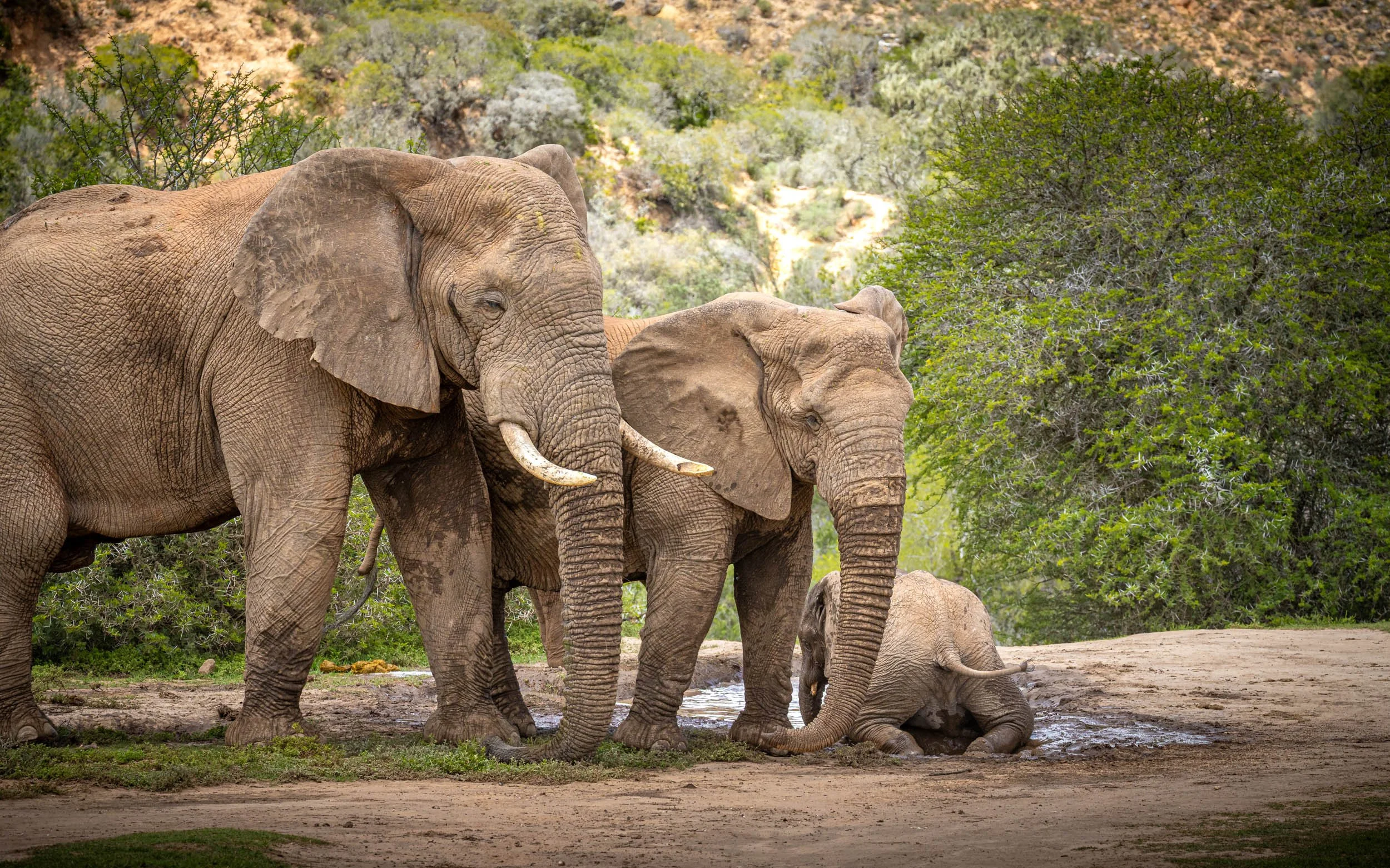
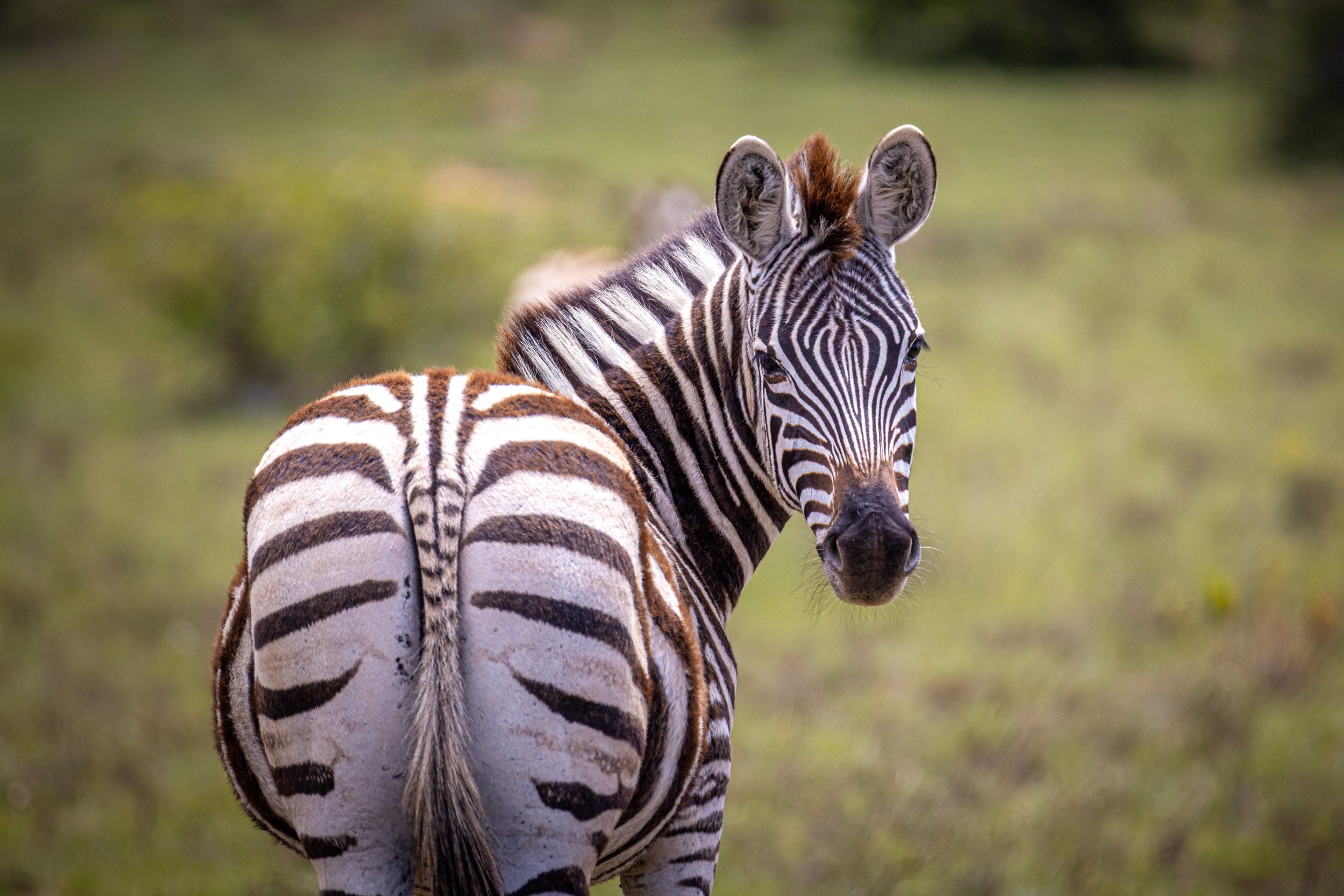
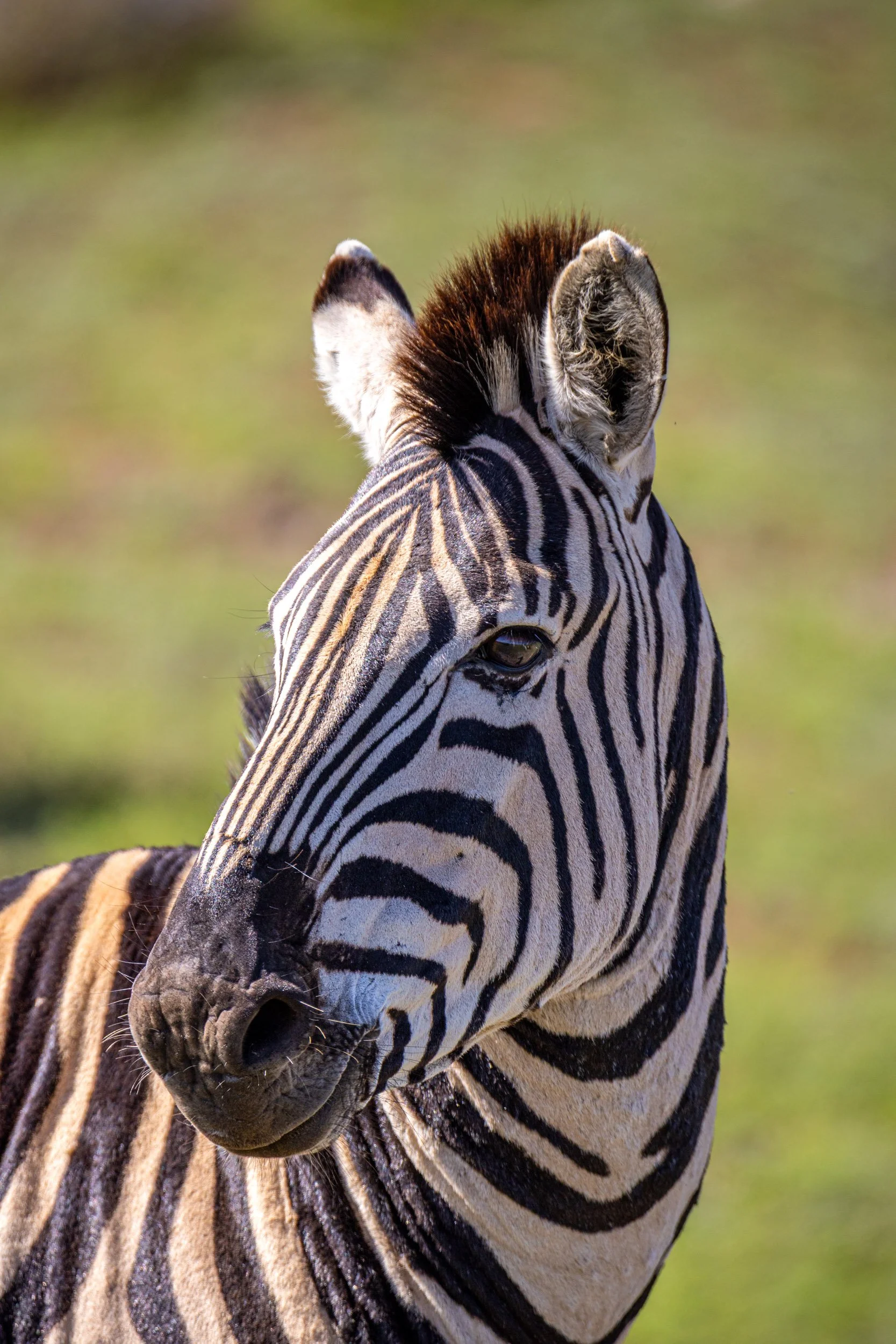
The next morning, we had another tour booked for 5:45 a.m.—again at a time when we could have simply driven ourselves. Unfortunately, we were a bit unlucky with the amount of rain that had fallen, as the waterholes weren’t as busy as usual. Still, we saw a variety of species, including buffalo, elephant, zebra, kudu, and ostrich—the first three even with babies. Toward the end, it started raining again, and it was surprisingly cold, which we hadn’t expected at all.
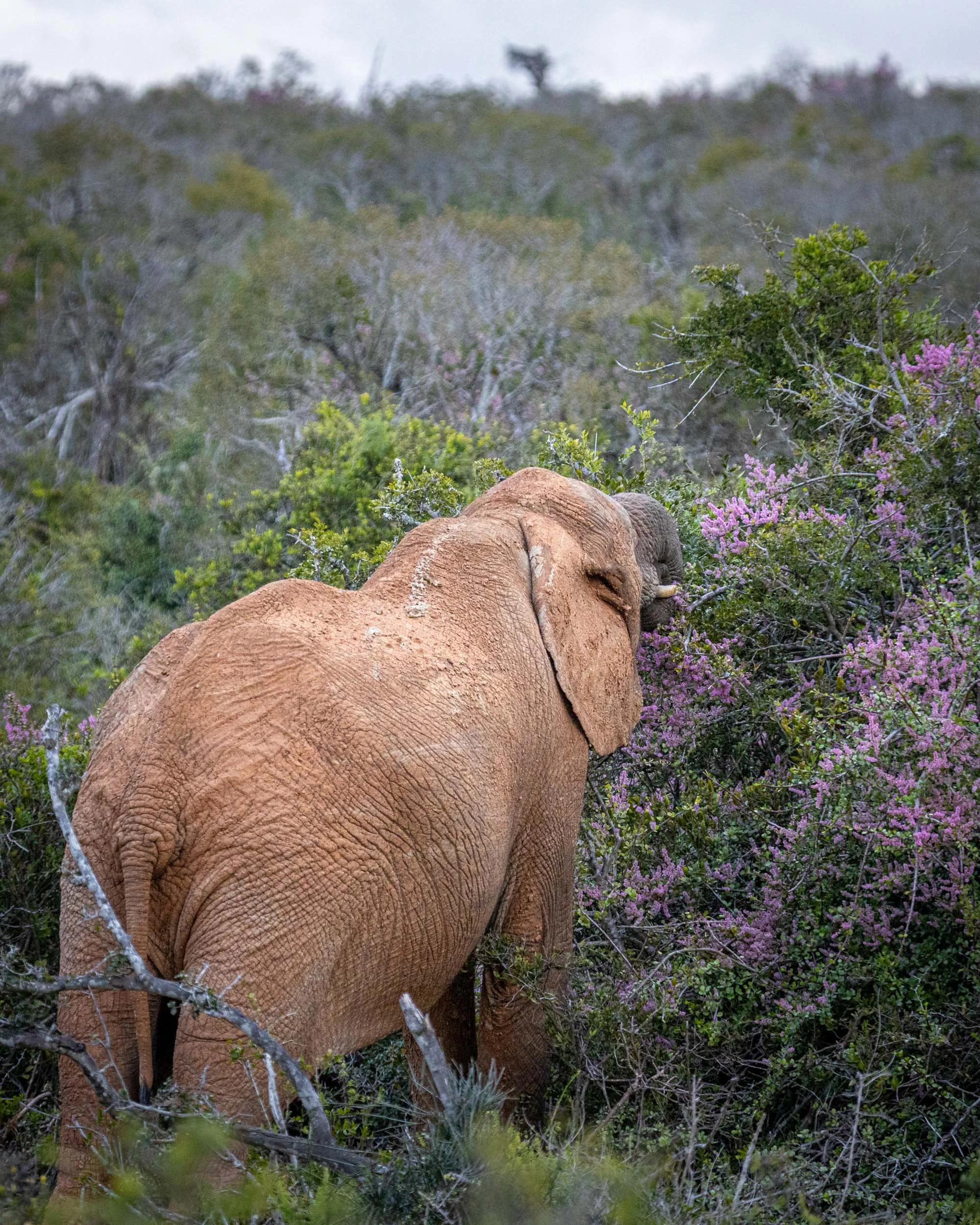
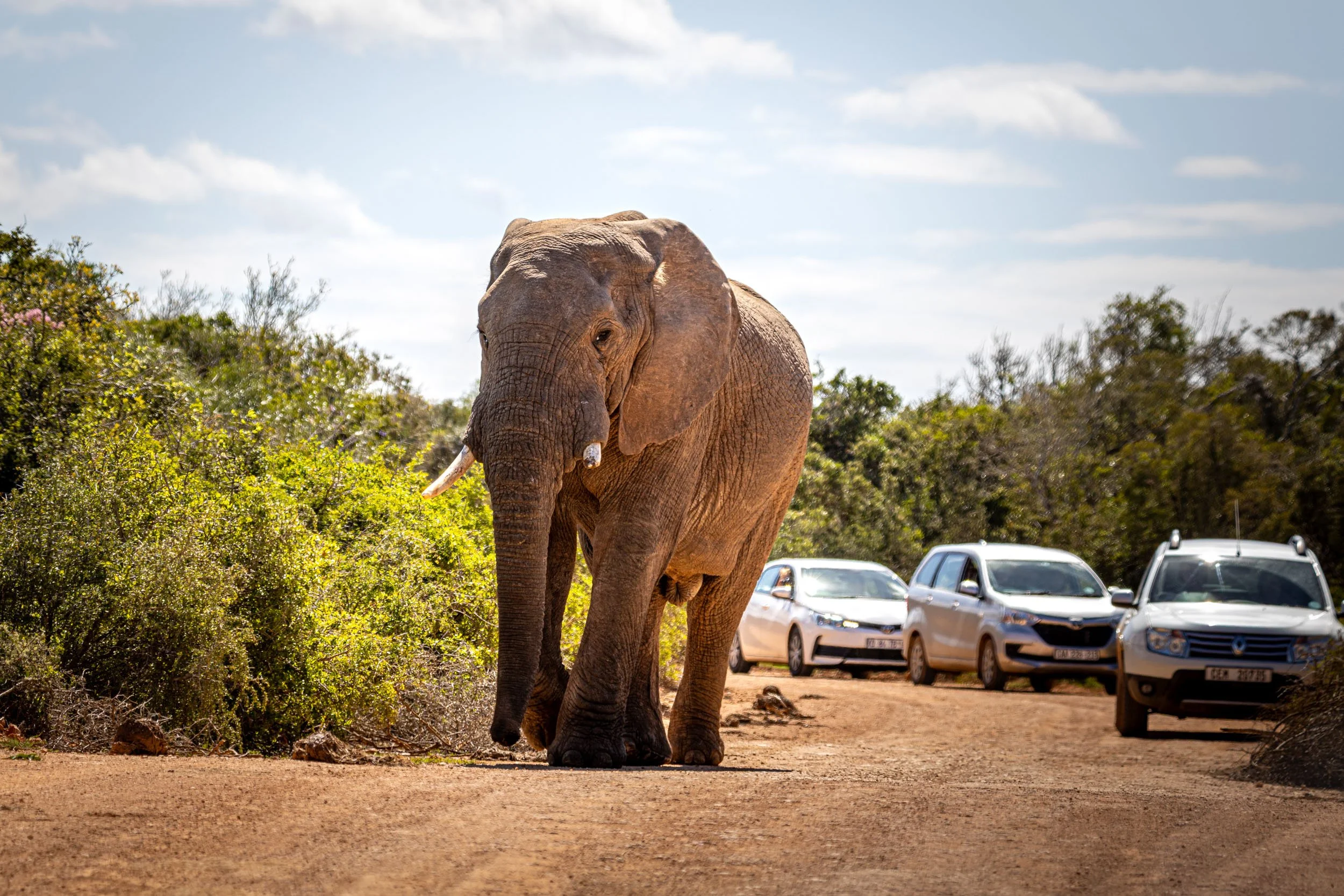
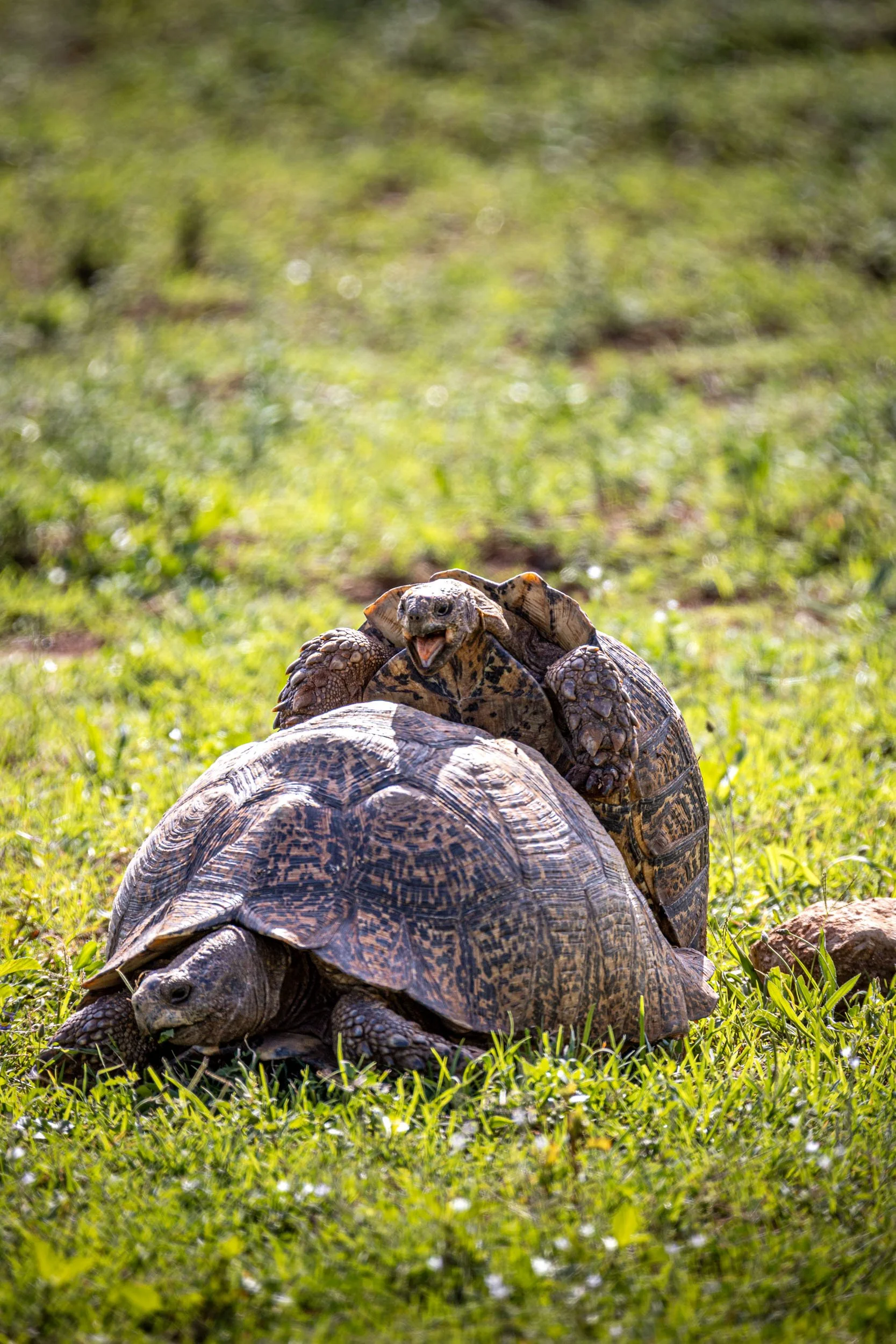
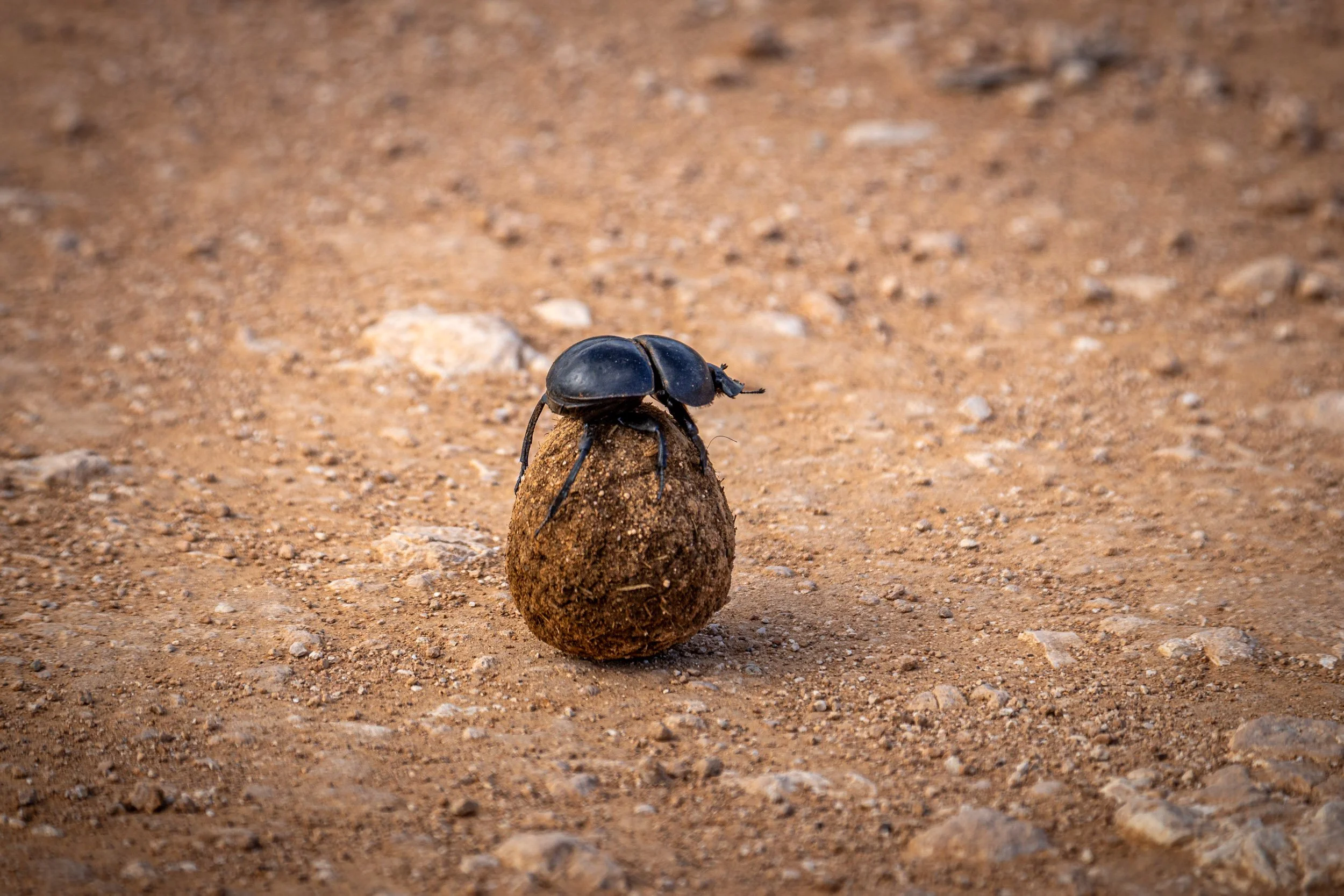
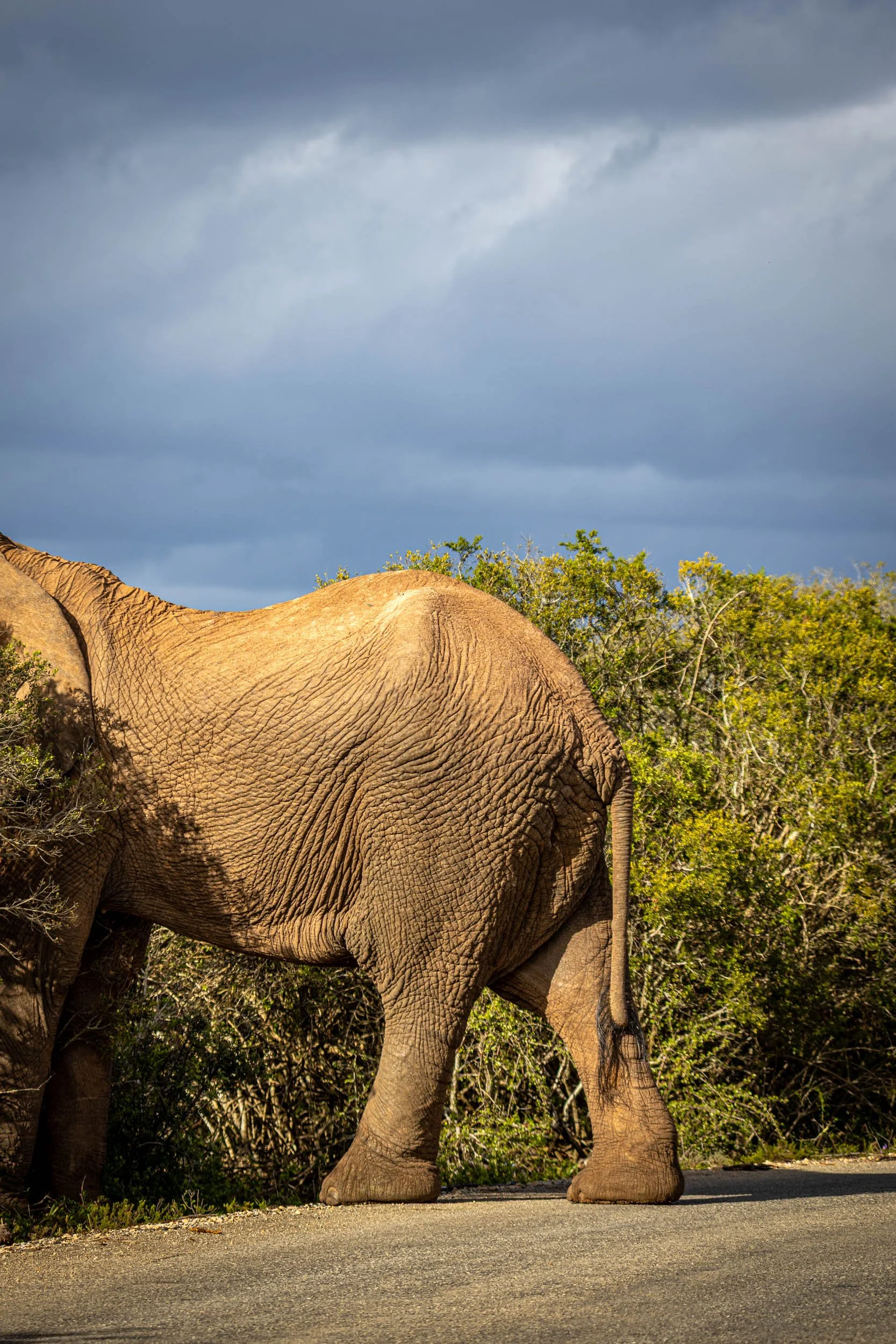
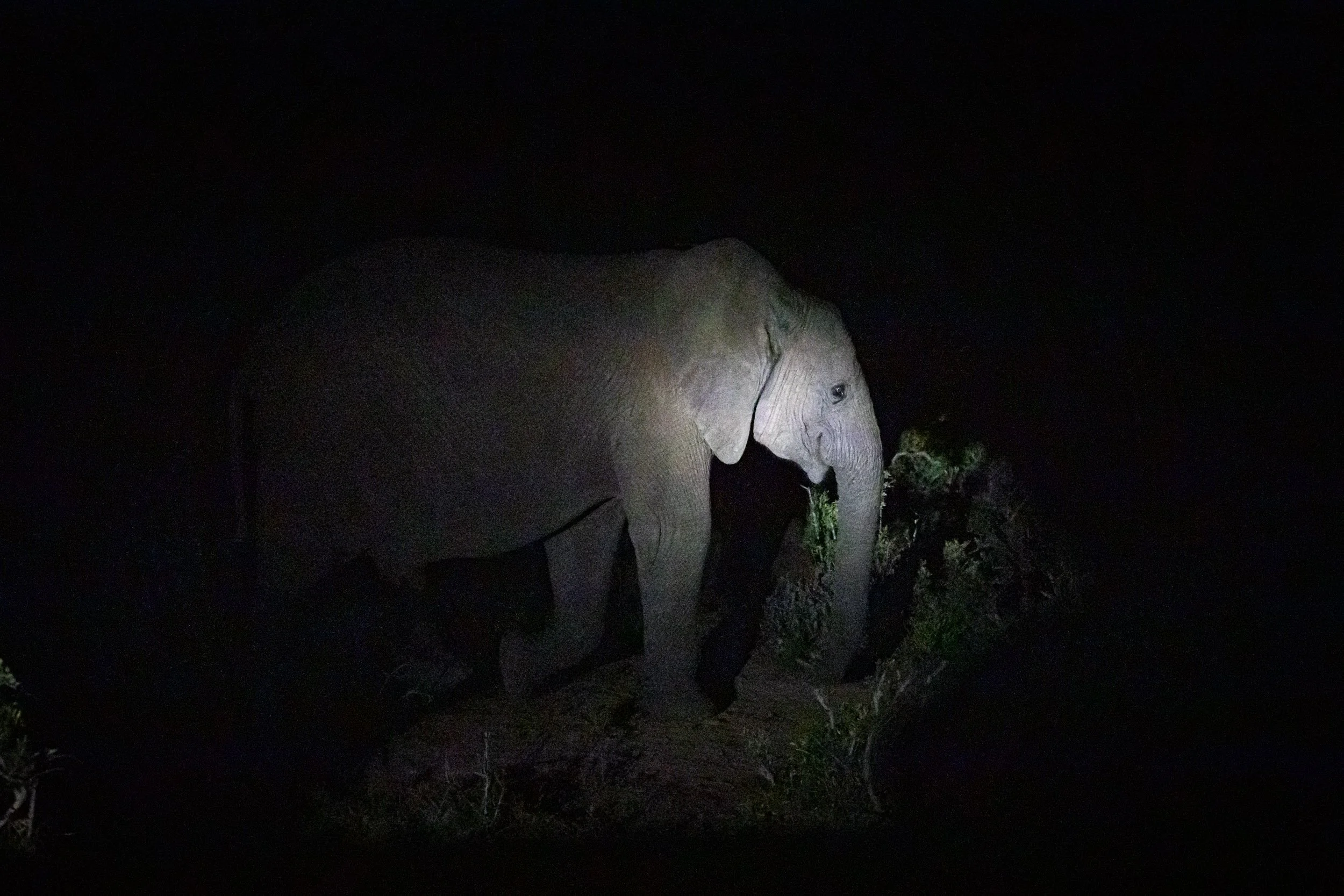
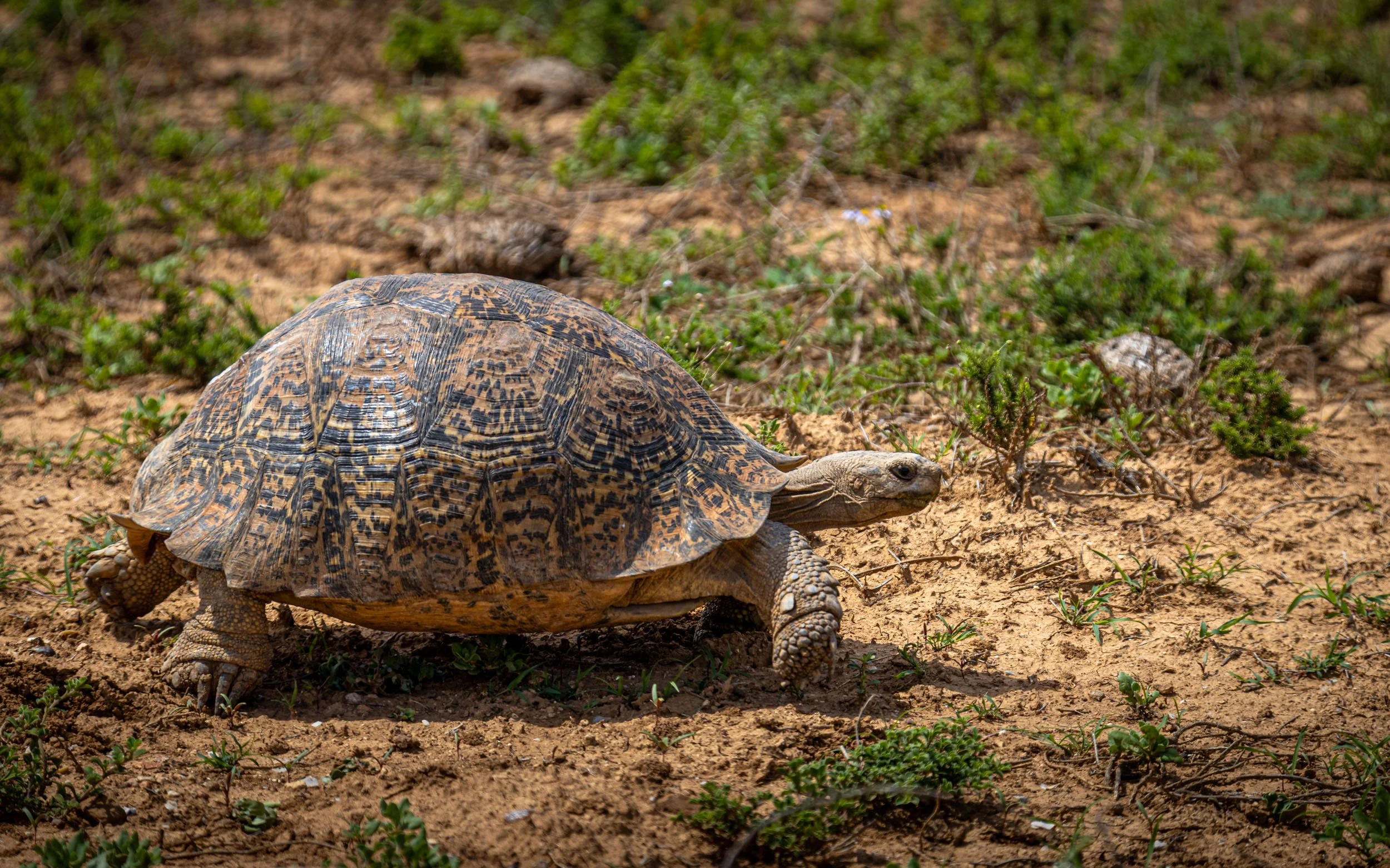
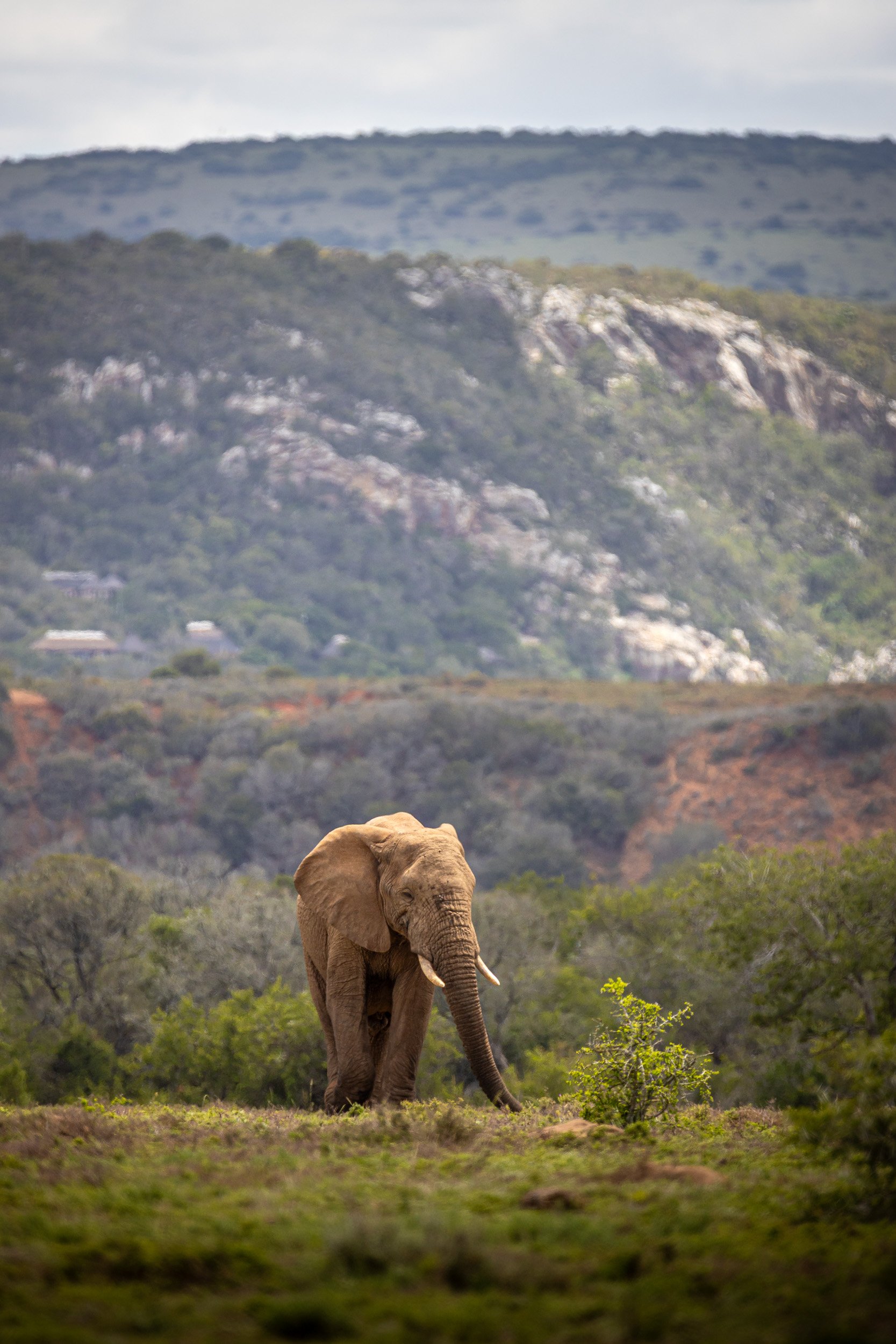
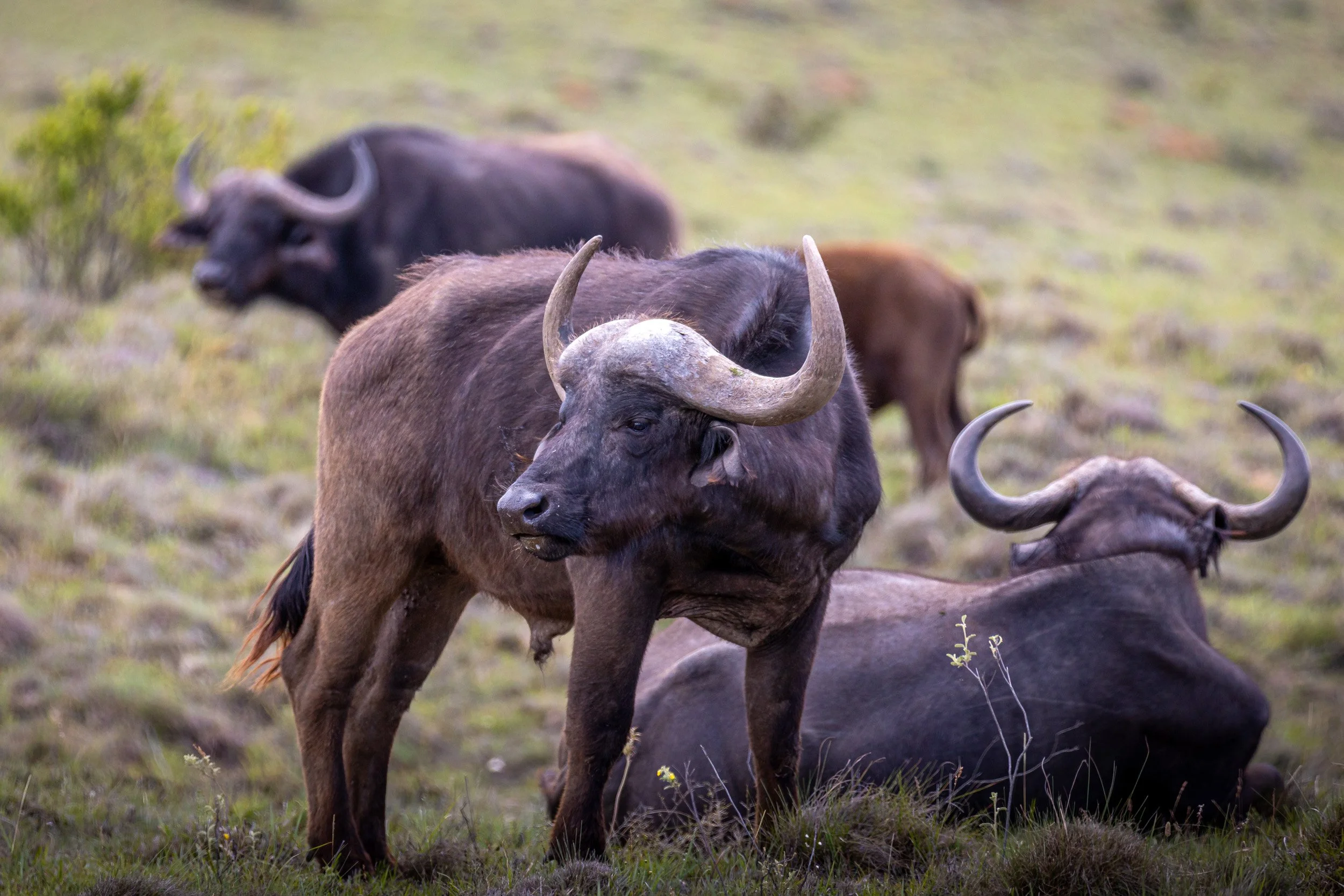
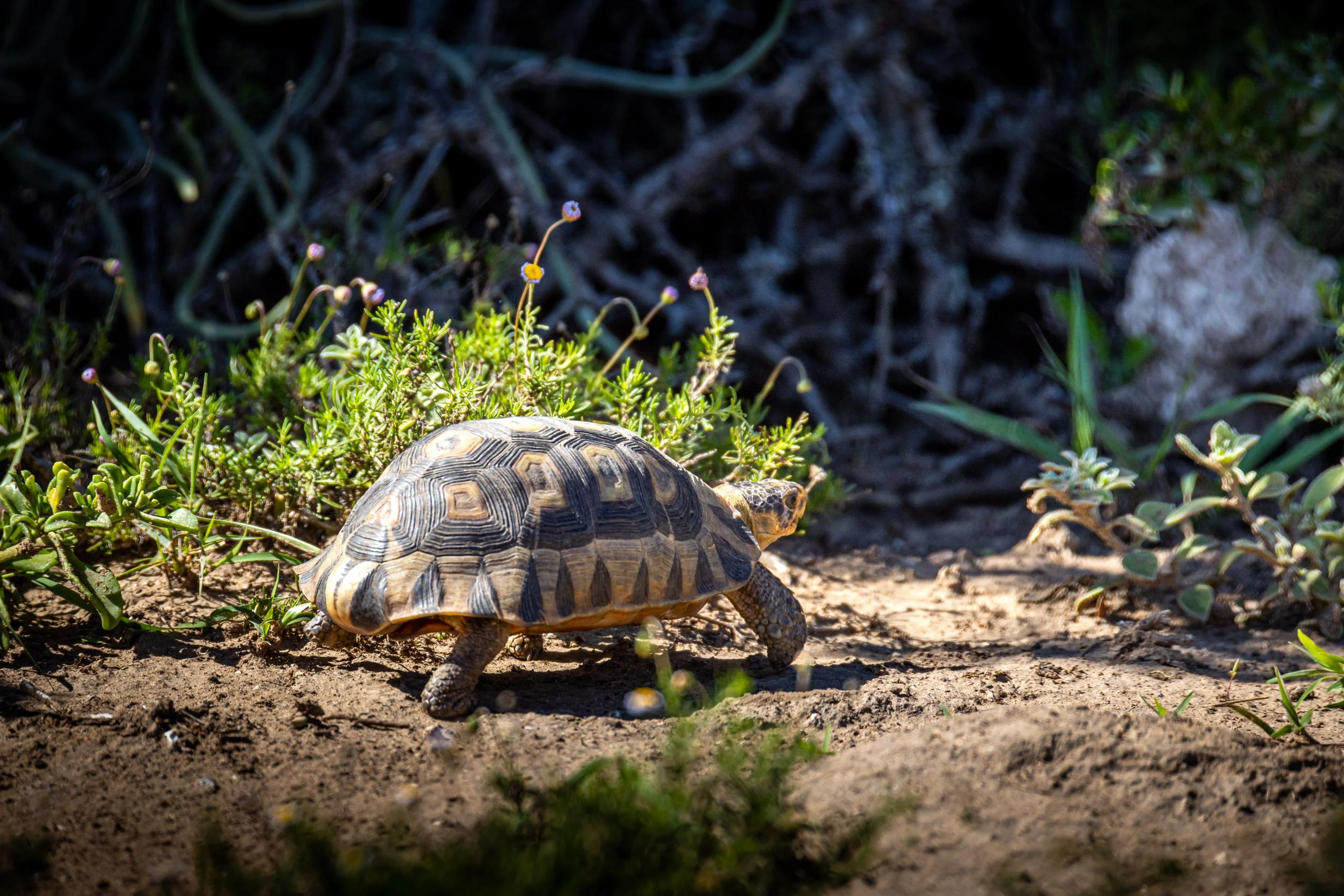
Afterwards, we had a mediocre breakfast in the park and relaxed a bit before finally „daring“ to explore the park on our own. Because the official tours were relatively short, they only took us through the northern part of the park, but this time we drove all the way to the south. Lion sightings are rare in Addo, but statistically more common in the south — still, we weren’t lucky. Even so, we saw plenty of animals, including a herd of buffalo and an elephant that stood in the road for 15 minutes eating, before walking toward our car and stopping right next to us to do number one and number two. Truly an experience. We also saw mating turtles and the famous dung beetle rolling its ball.
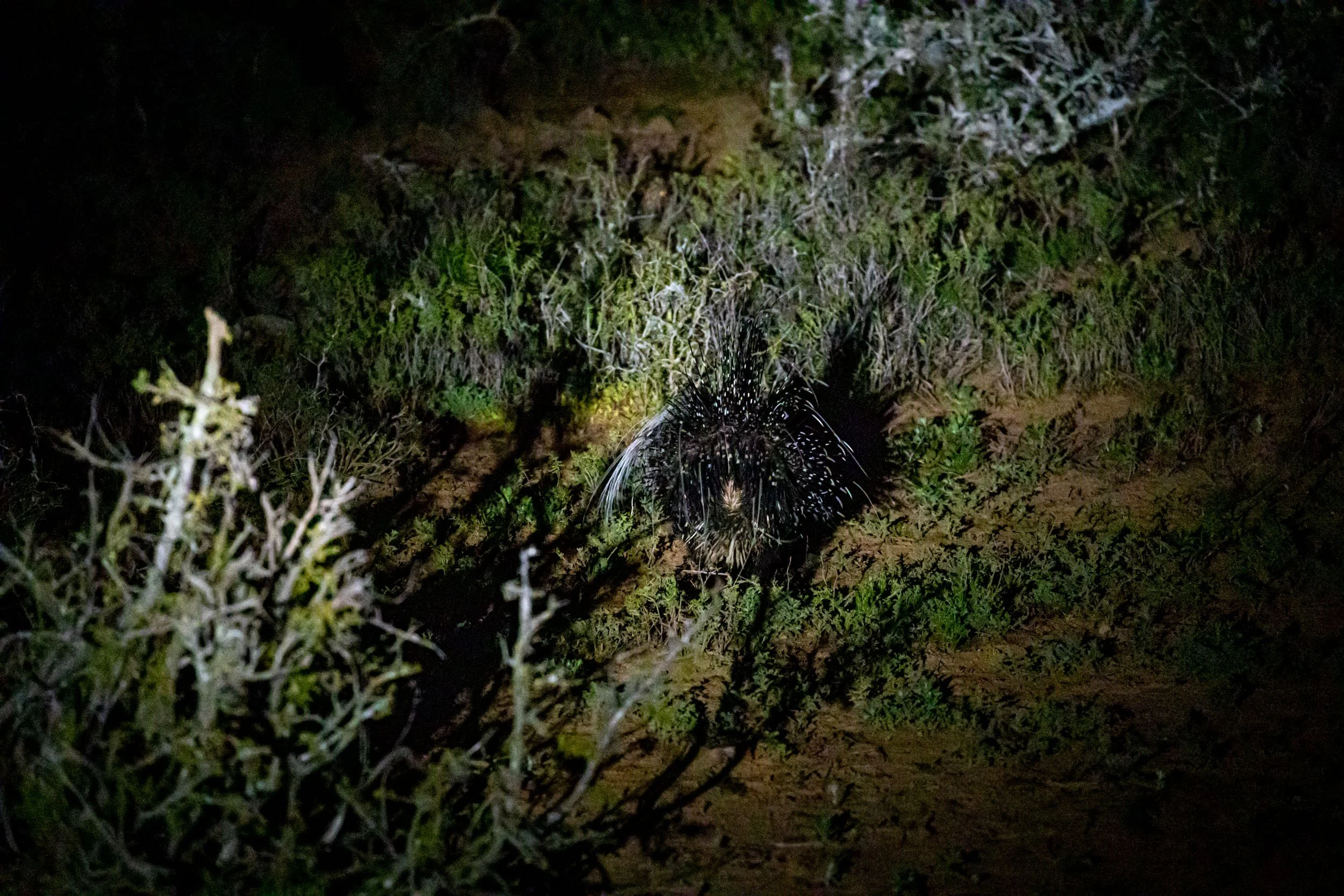
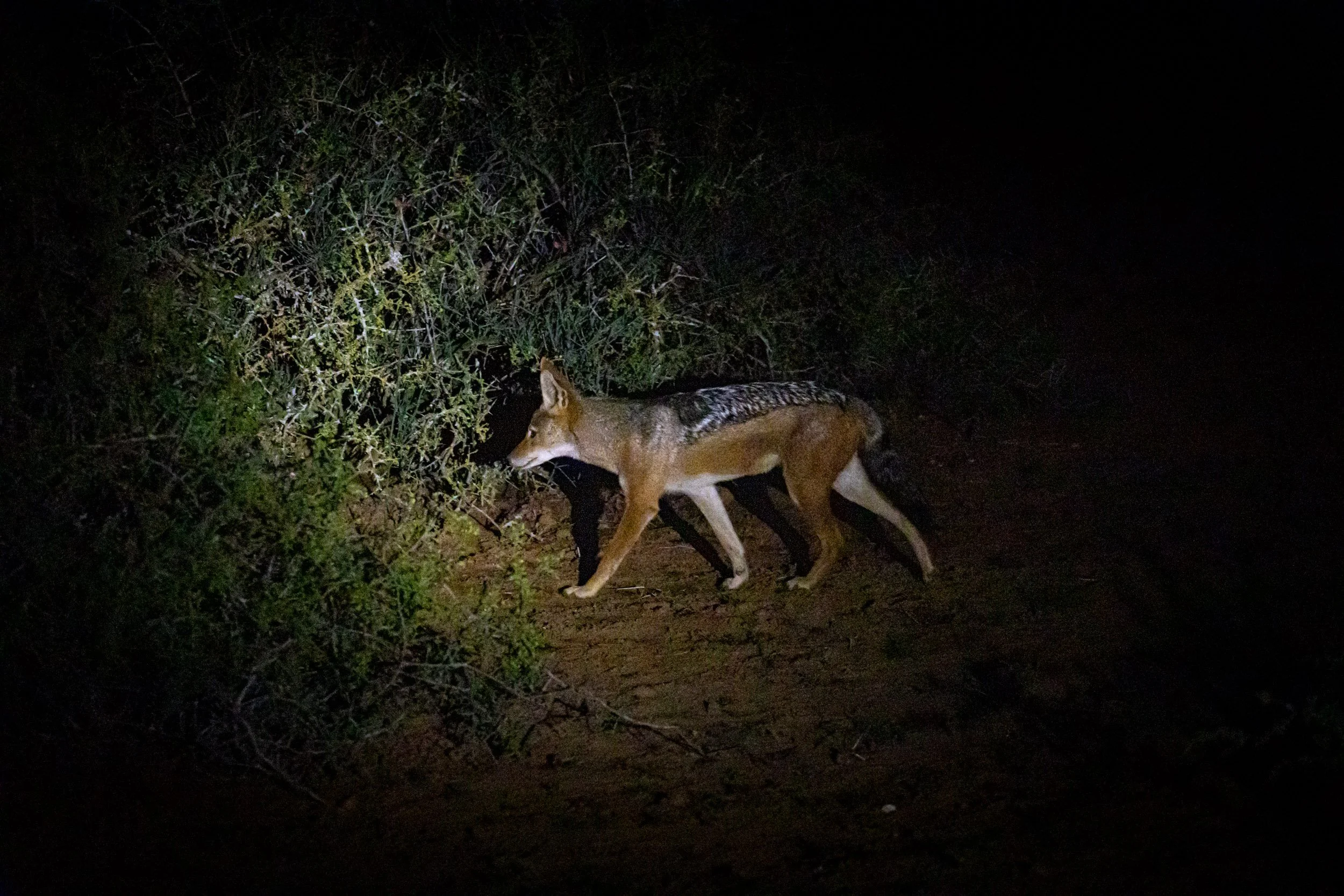
We returned around 5:30 p.m. to pay for the night drive, which this time was indeed exclusive and outside normal opening hours. It was definitely an experience to see the park at night. We didn’t see many animals, but it was still fascinating.
Afterwards, we had dinner in the park, which we had to pre-order because the restaurant closes at 8:30 p.m. Based on the food alone, you probably shouldn’t stay overnight in the park.
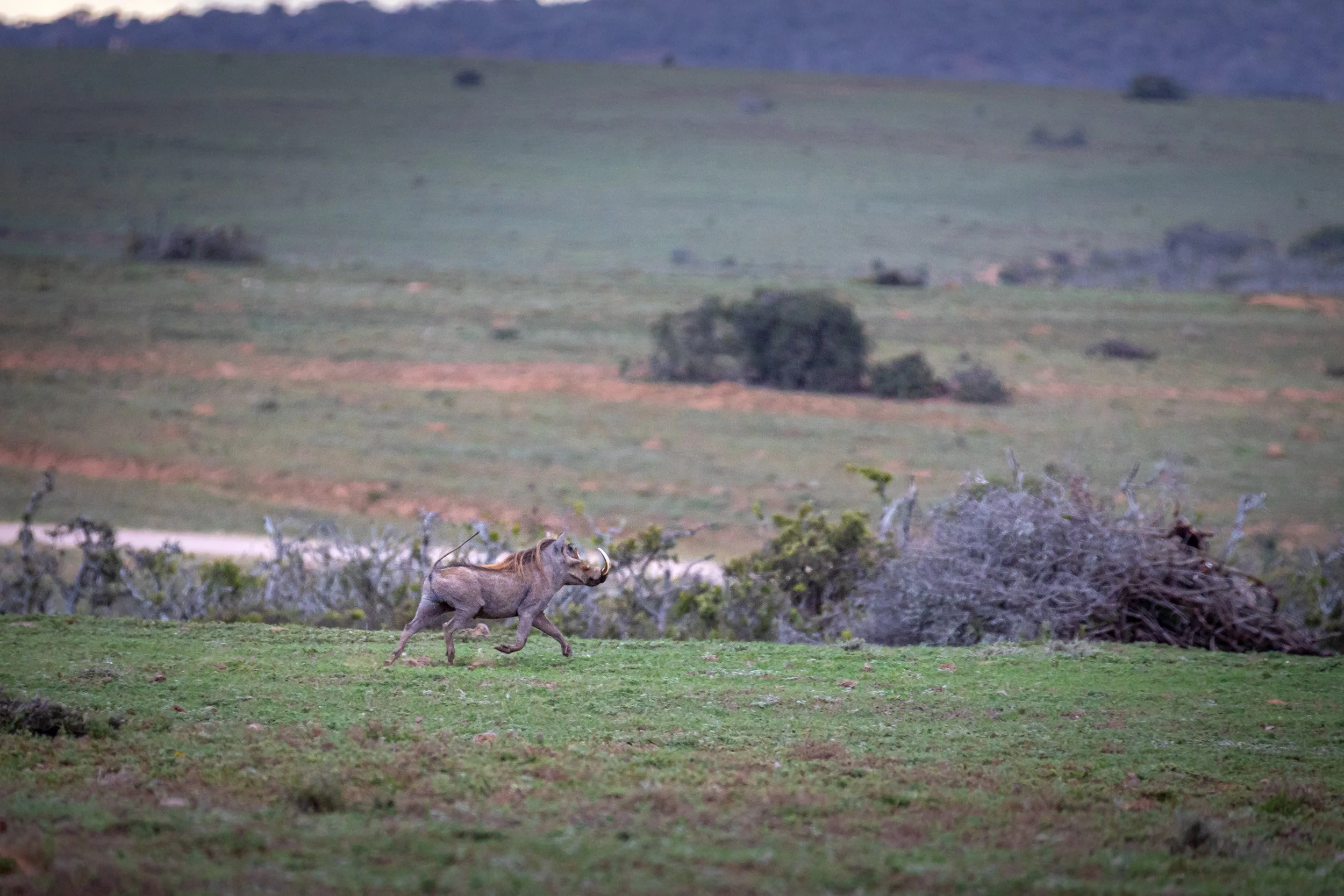
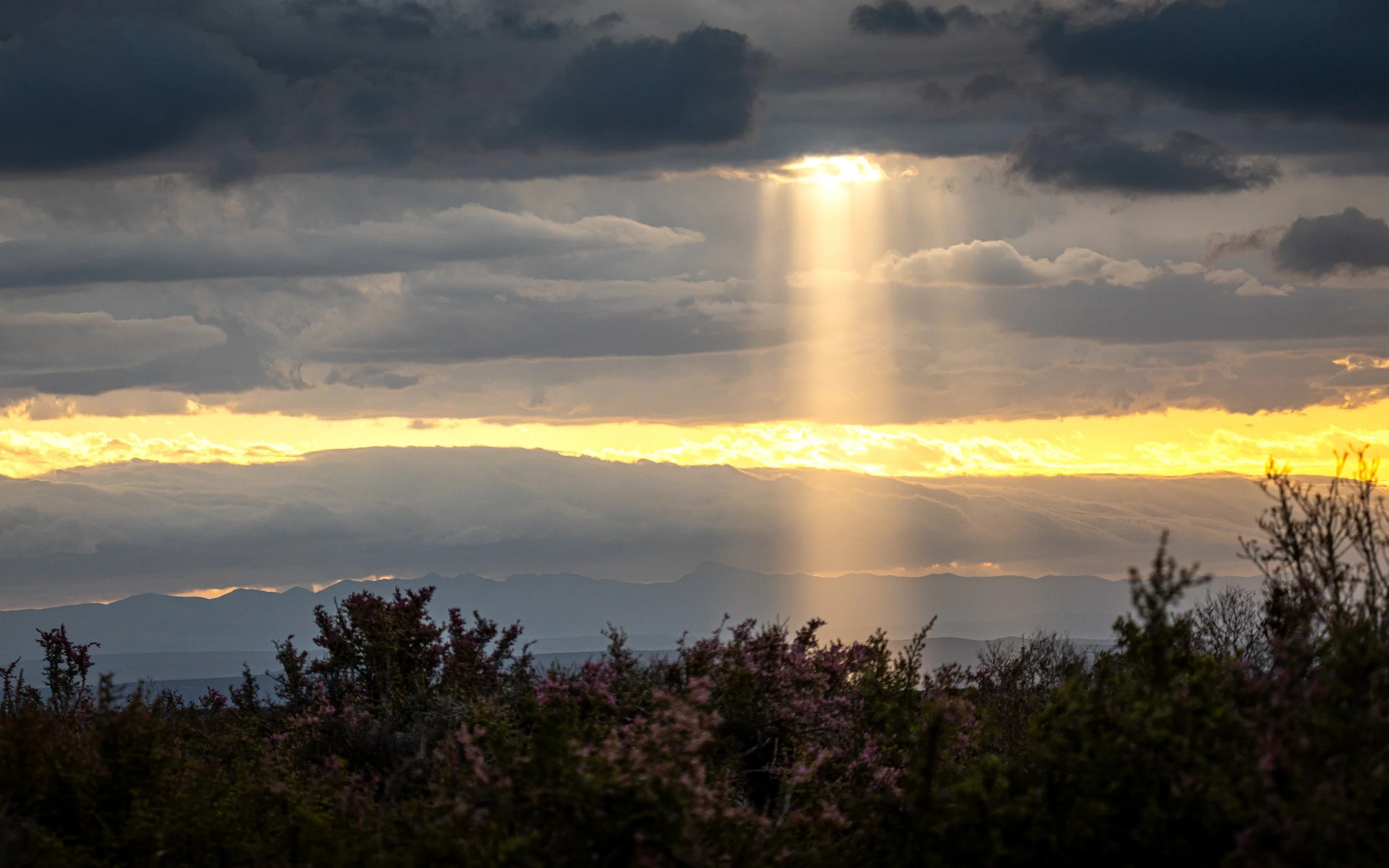
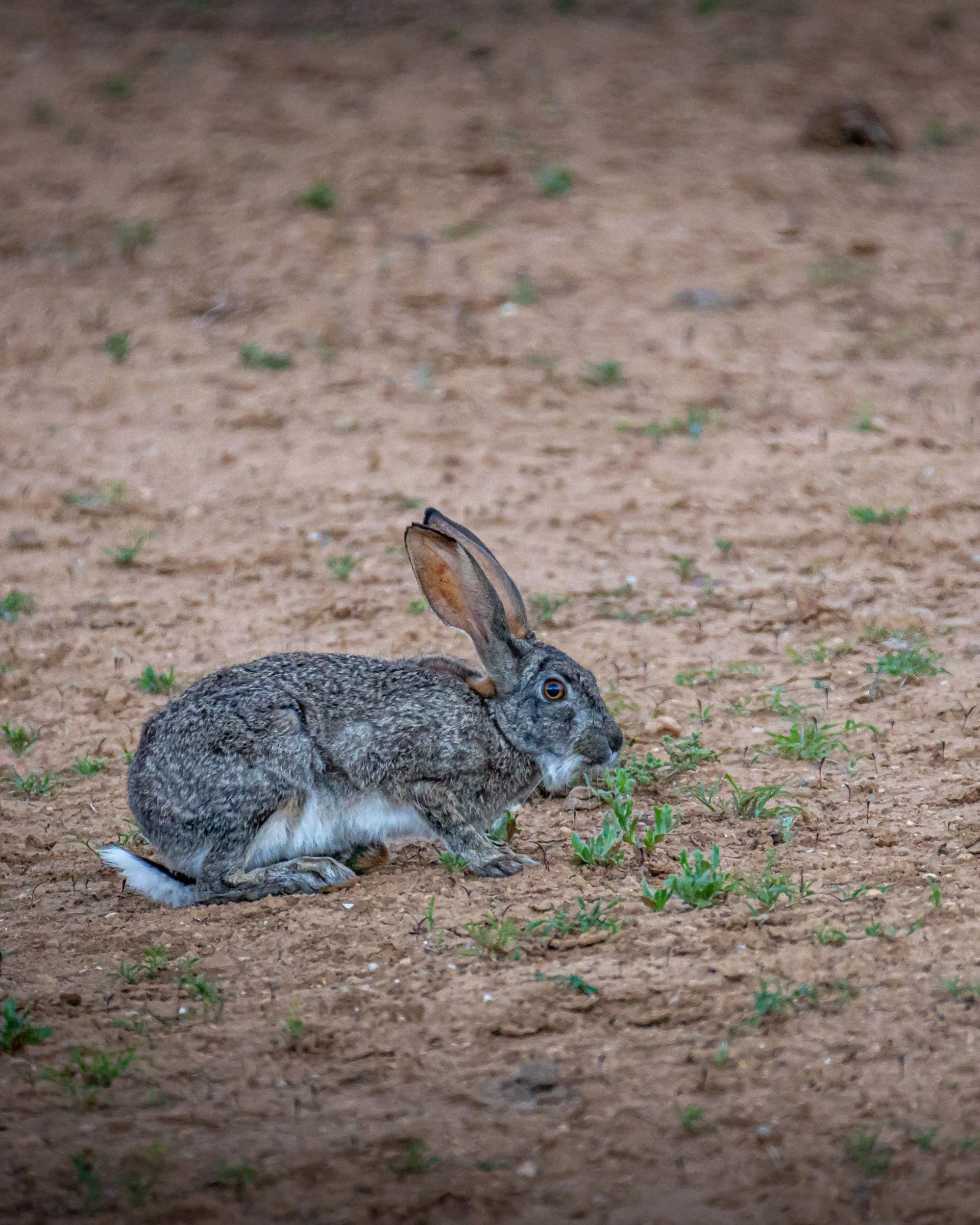
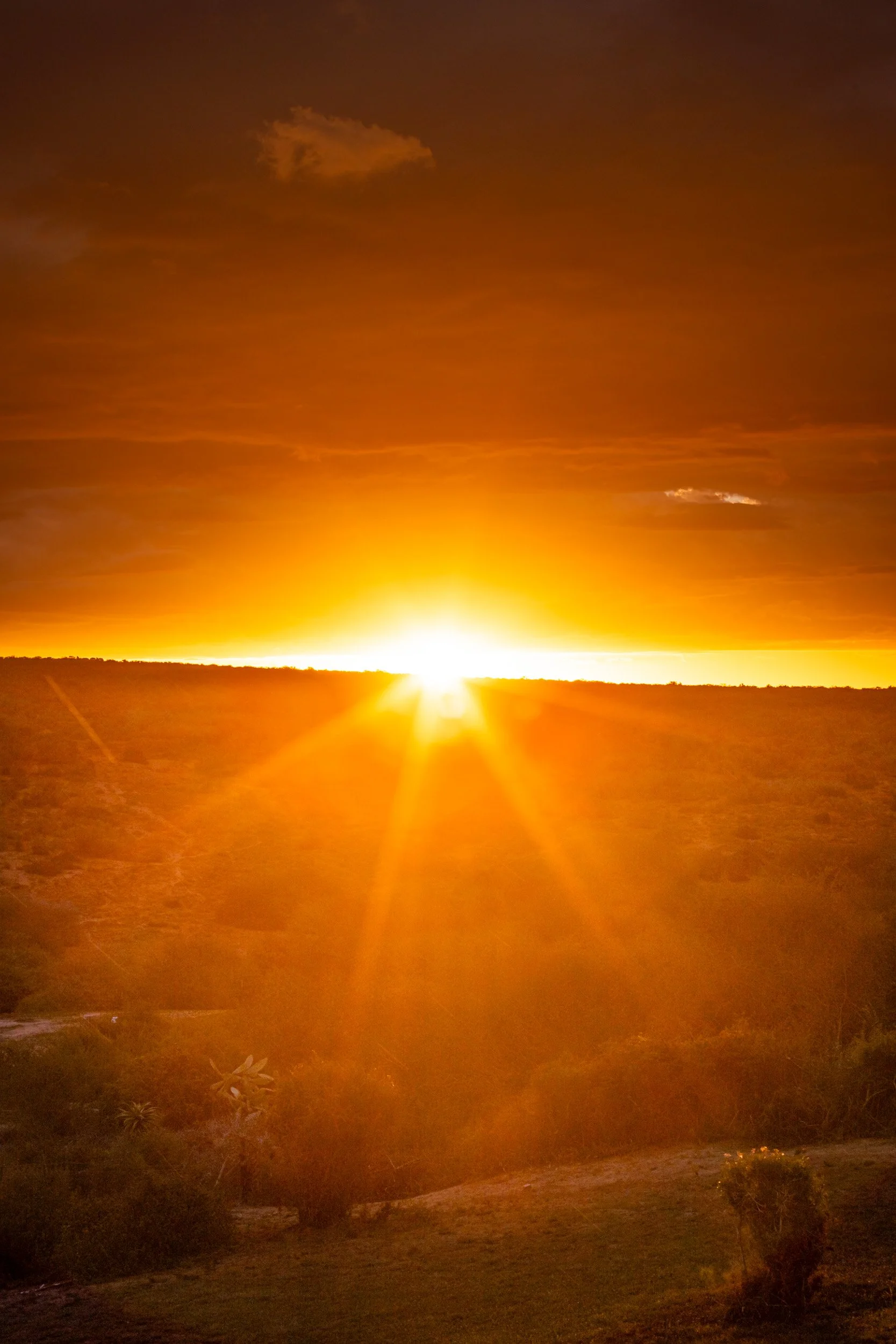
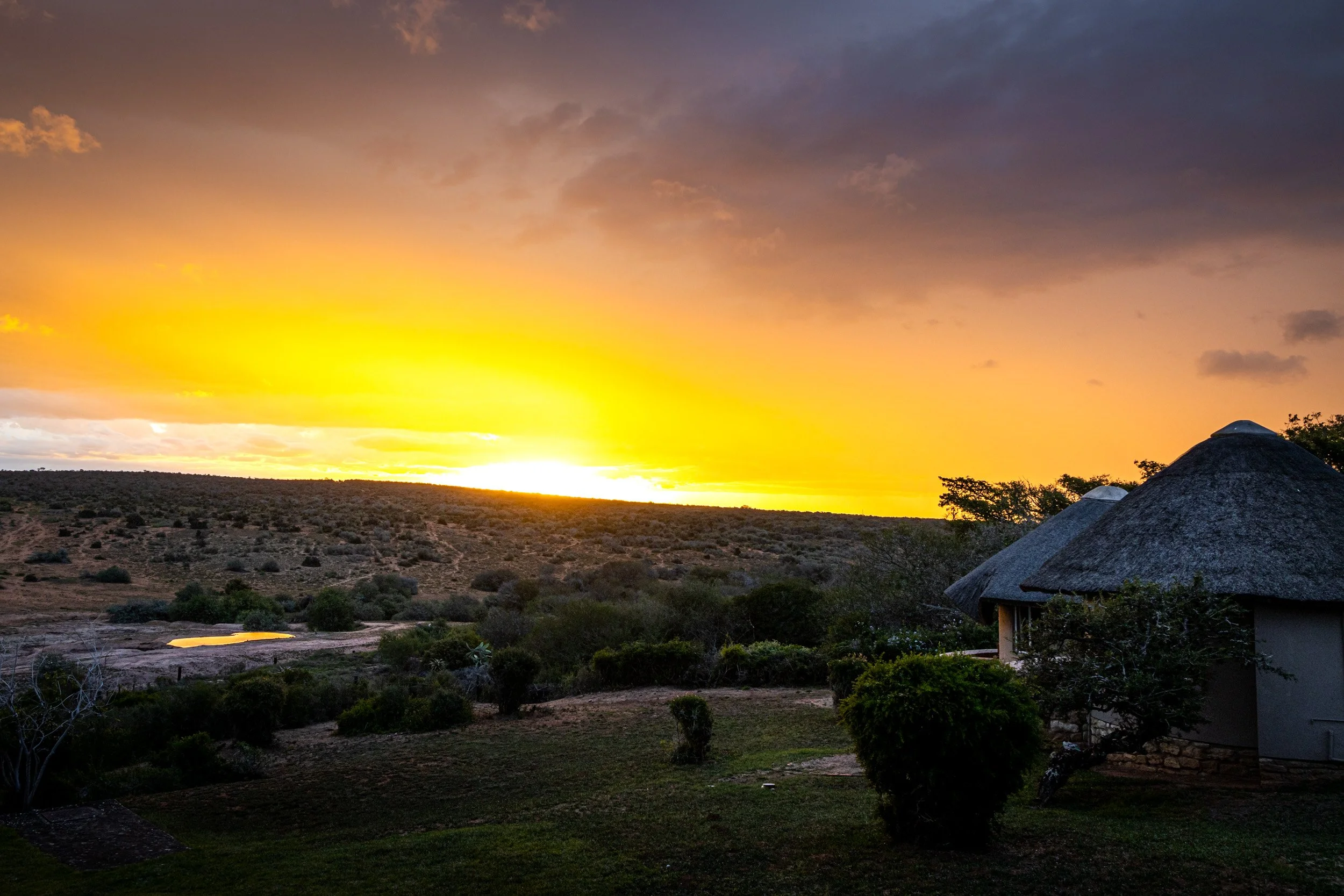
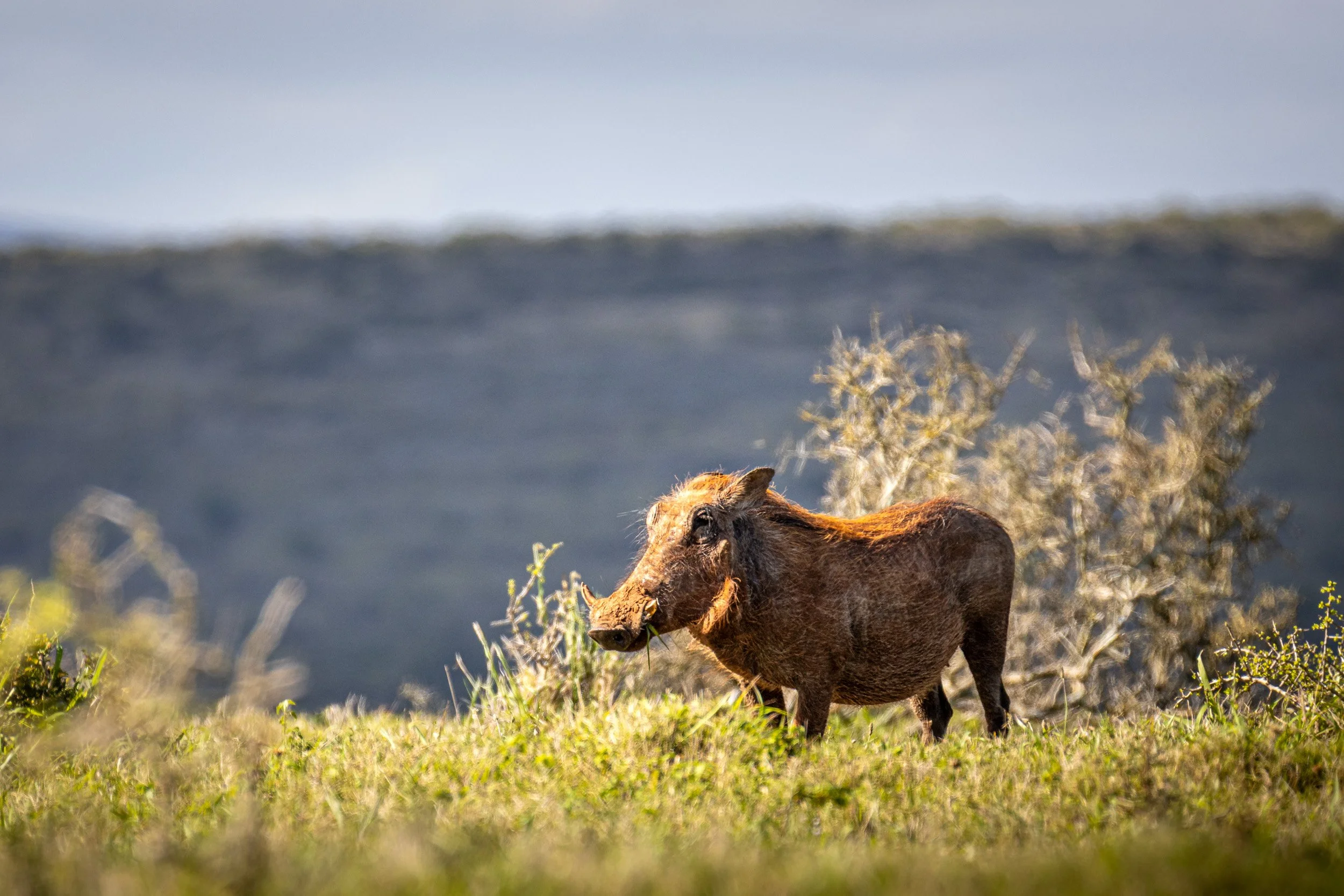
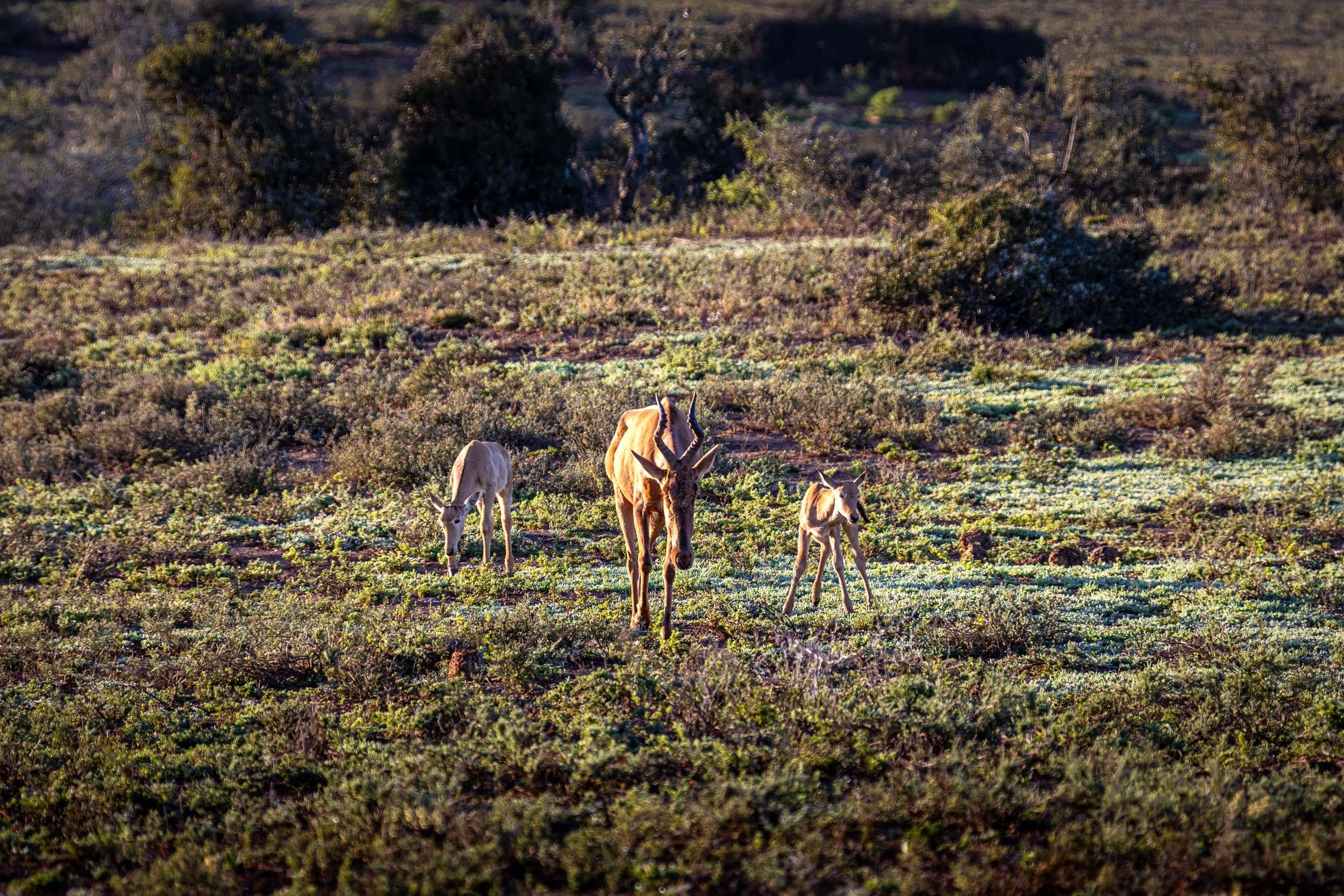
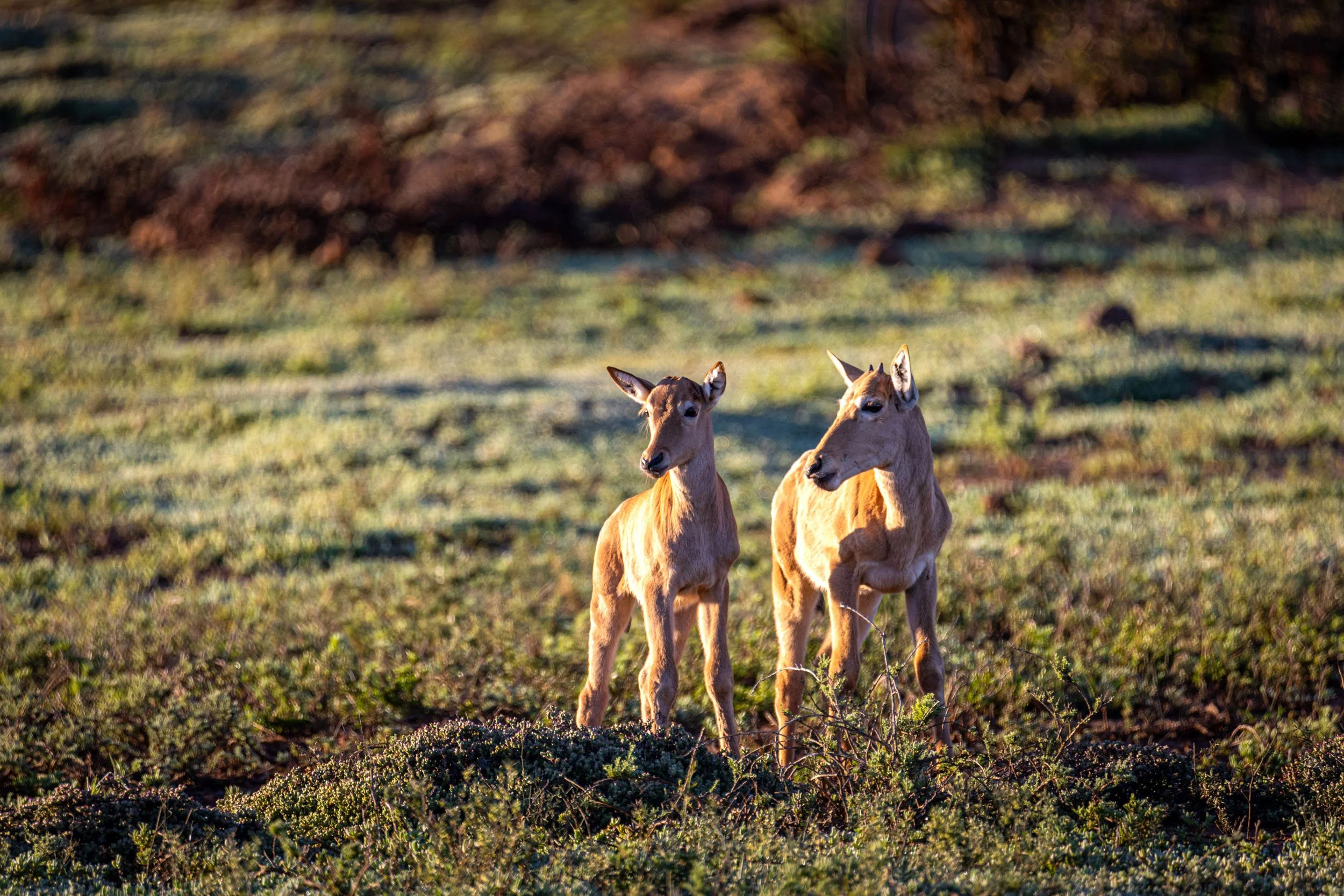
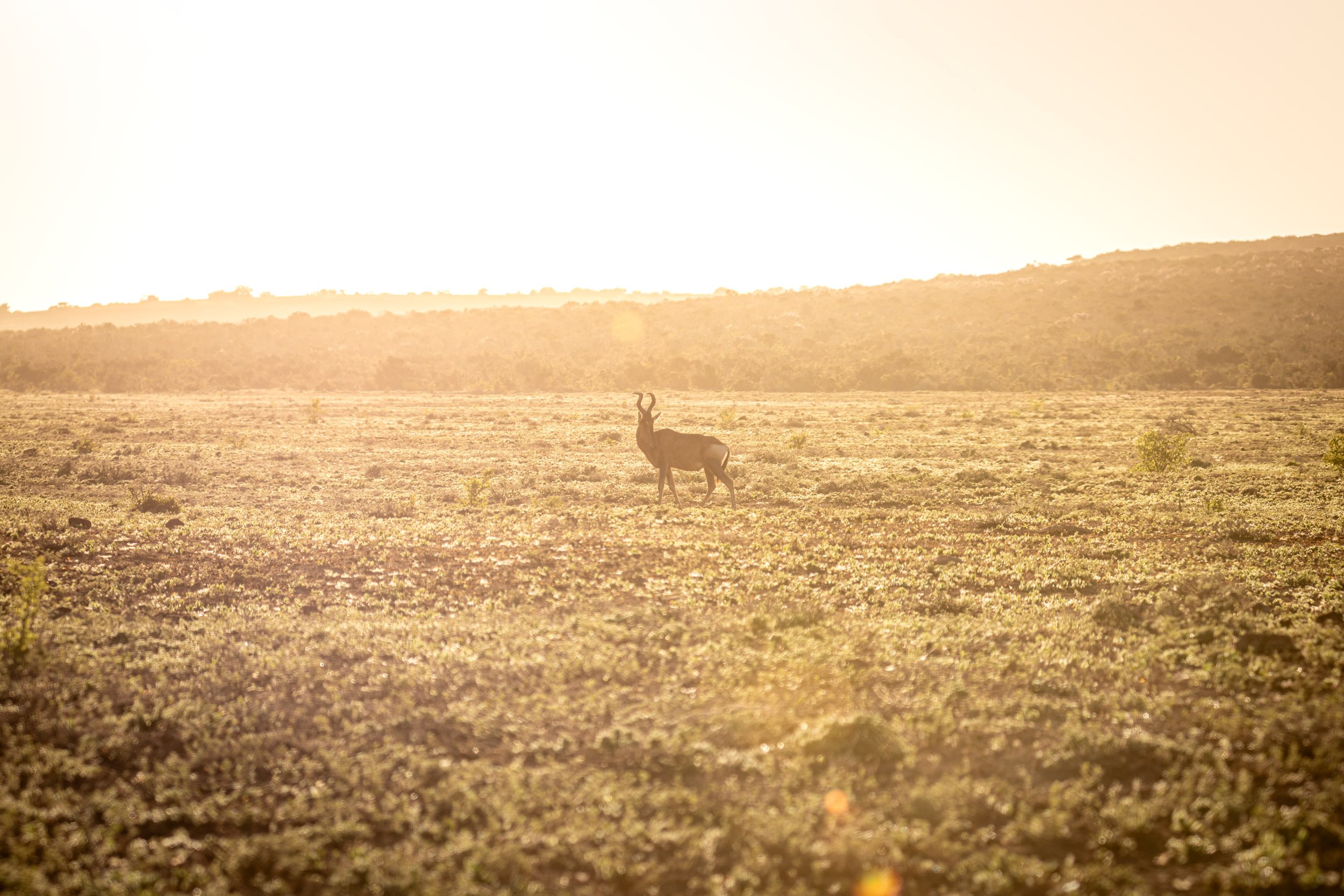
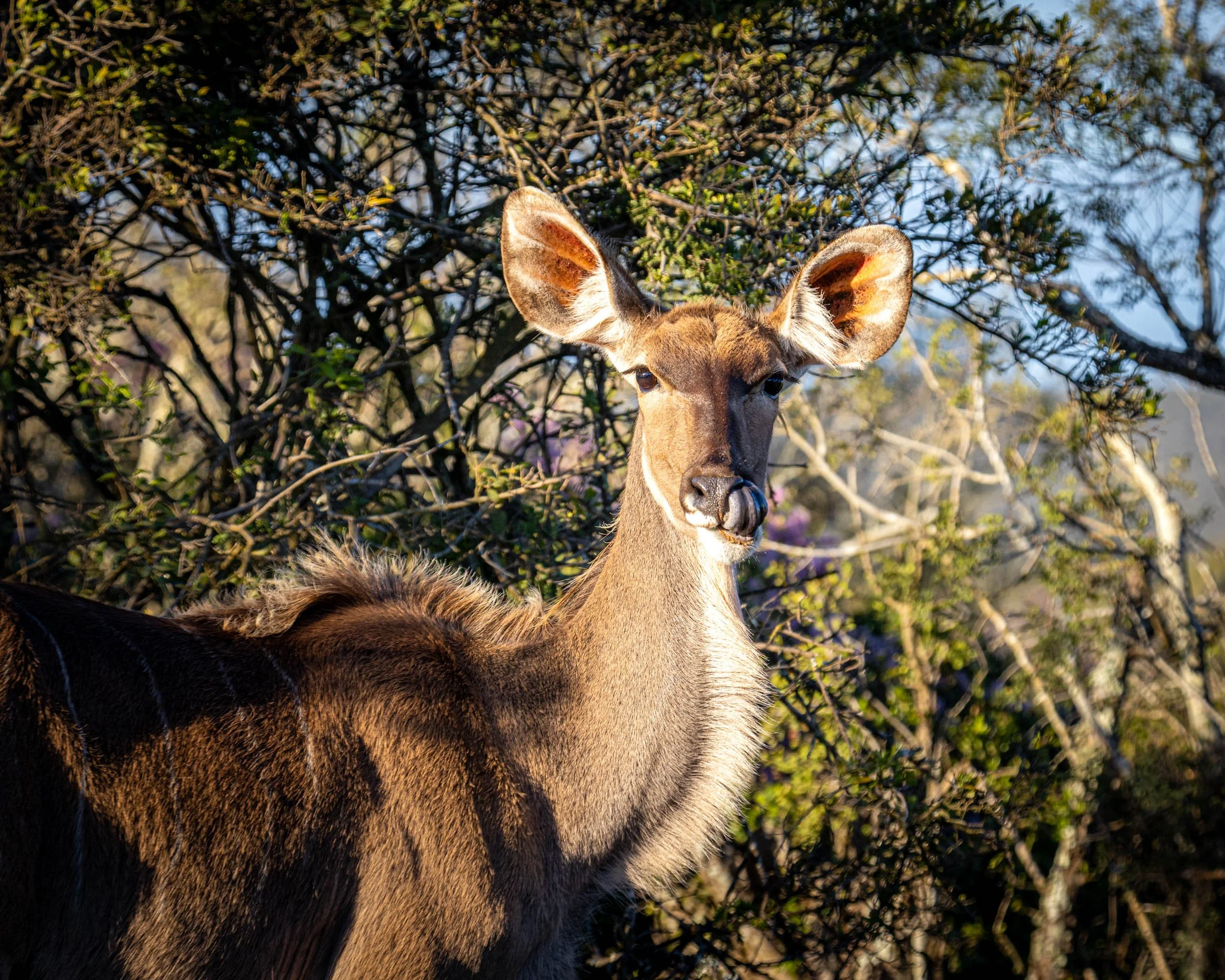
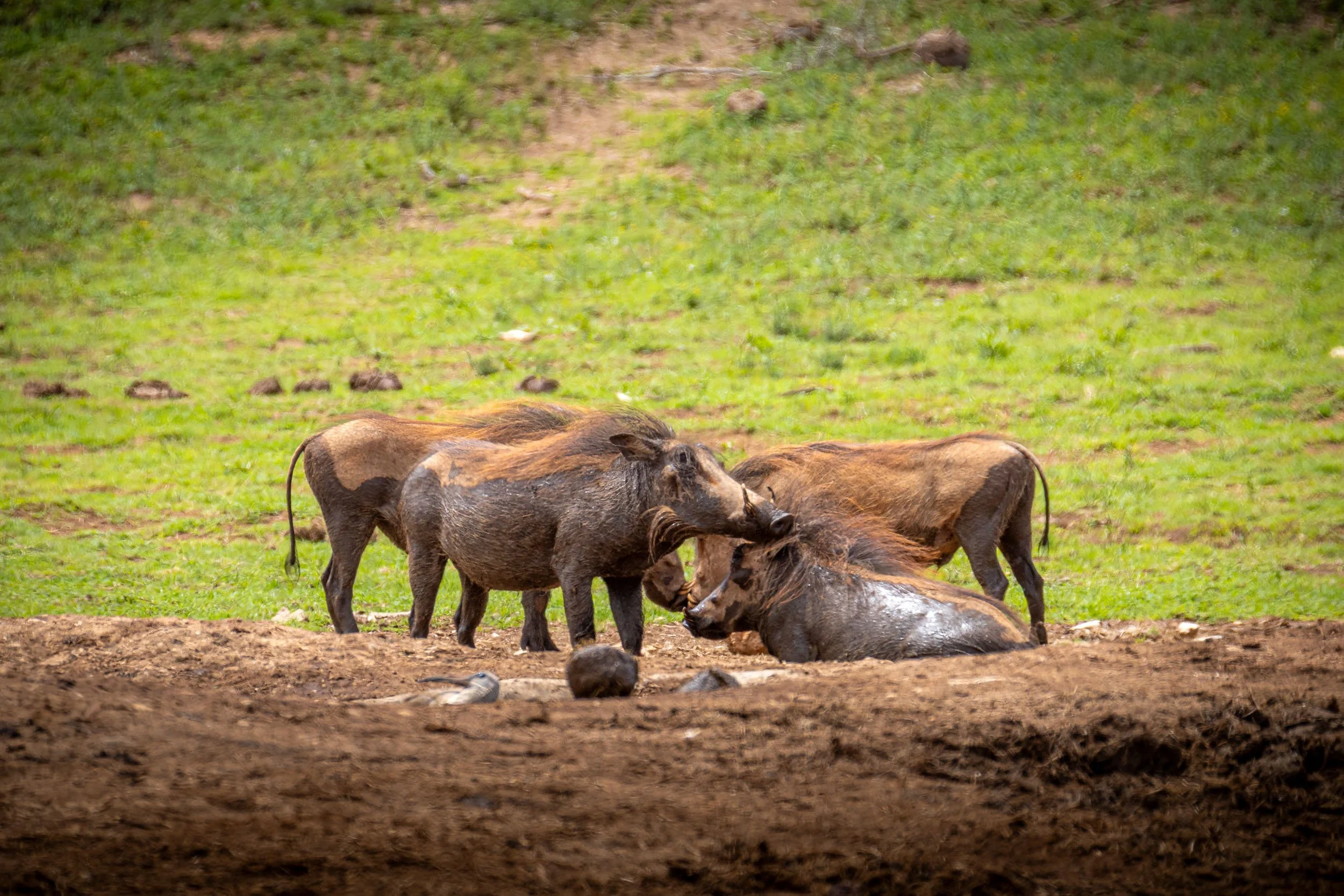
On our last day in Addo, I started the morning with a solo game drive. I set off at 5:30 a.m. when the gates opened, but unfortunately there weren’t as many animals as I had hoped. Still, I wanted to make the most of the opportunity—who knows if I’ll ever be back here again? I returned around 8 a.m. and then we had another (not great) breakfast, got ready, and began the drive through the park toward the southern exit. Naturally, we made a few stops along the way to watch animals.

Schotia Game Reserve
Our next accommodation was in the Amakhala Game Reserve. However, for that day we had planned a game drive in the nearby Schotia Game Reserve to increase our chances of seeing lions, which we hadn’t managed to spot yet. Things got a bit stressful because the drive was scheduled to start 30 minutes earlier than we thought, and we still had to check in at our lodge. On top of that, we had to cancel the dinner that was included with our stay because the Schotia game drive already came with dinner.
In the end, everything worked out, and luckily we had enough cash on us to pay at Schotia, since they didn’t accept card payments. You could clearly see the impact COVID had on the reserve: out of the possible 8–10 vehicles, only two were used for game drives that day. Good for us, since it made the experience more private, but obviously not great for the owners.
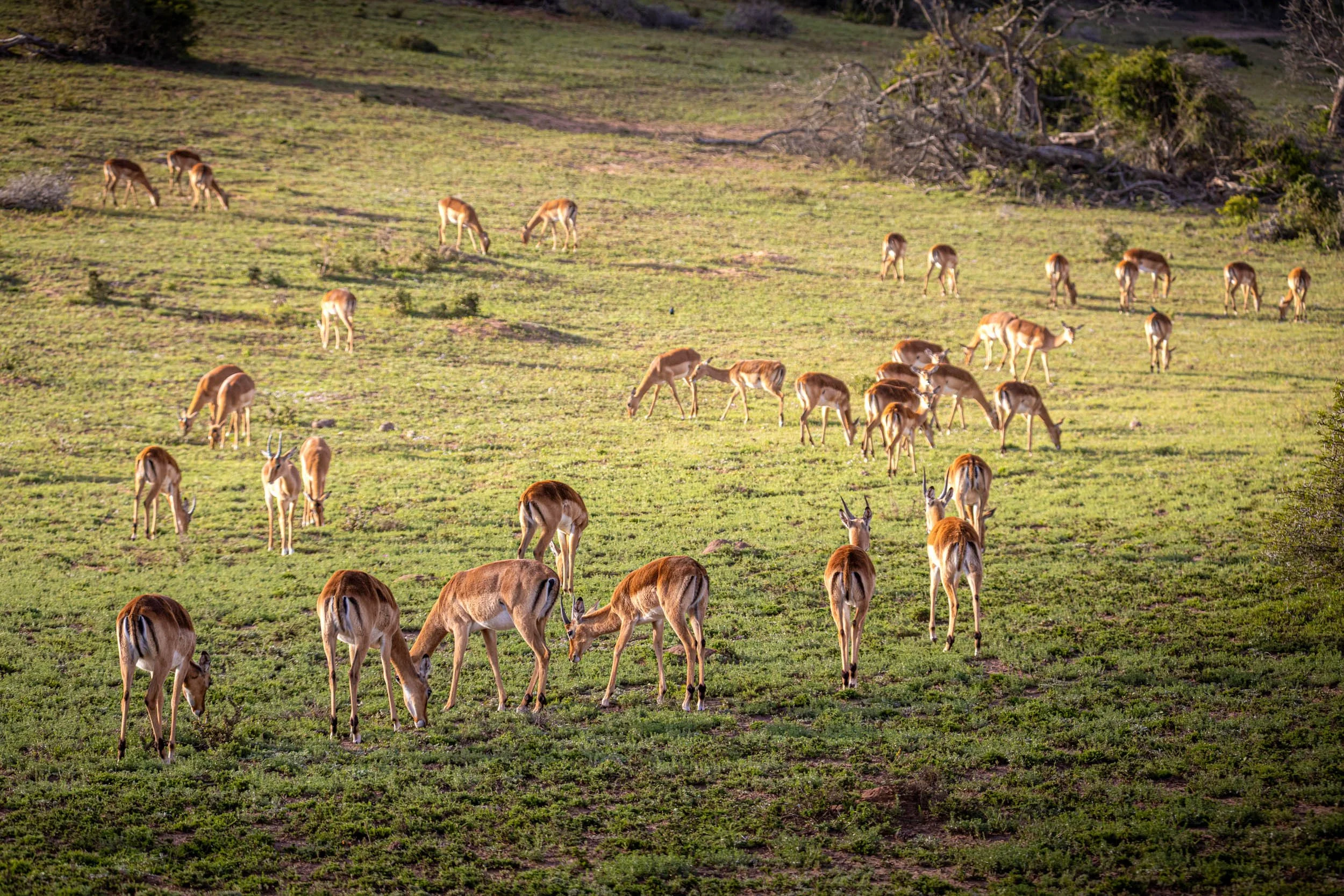
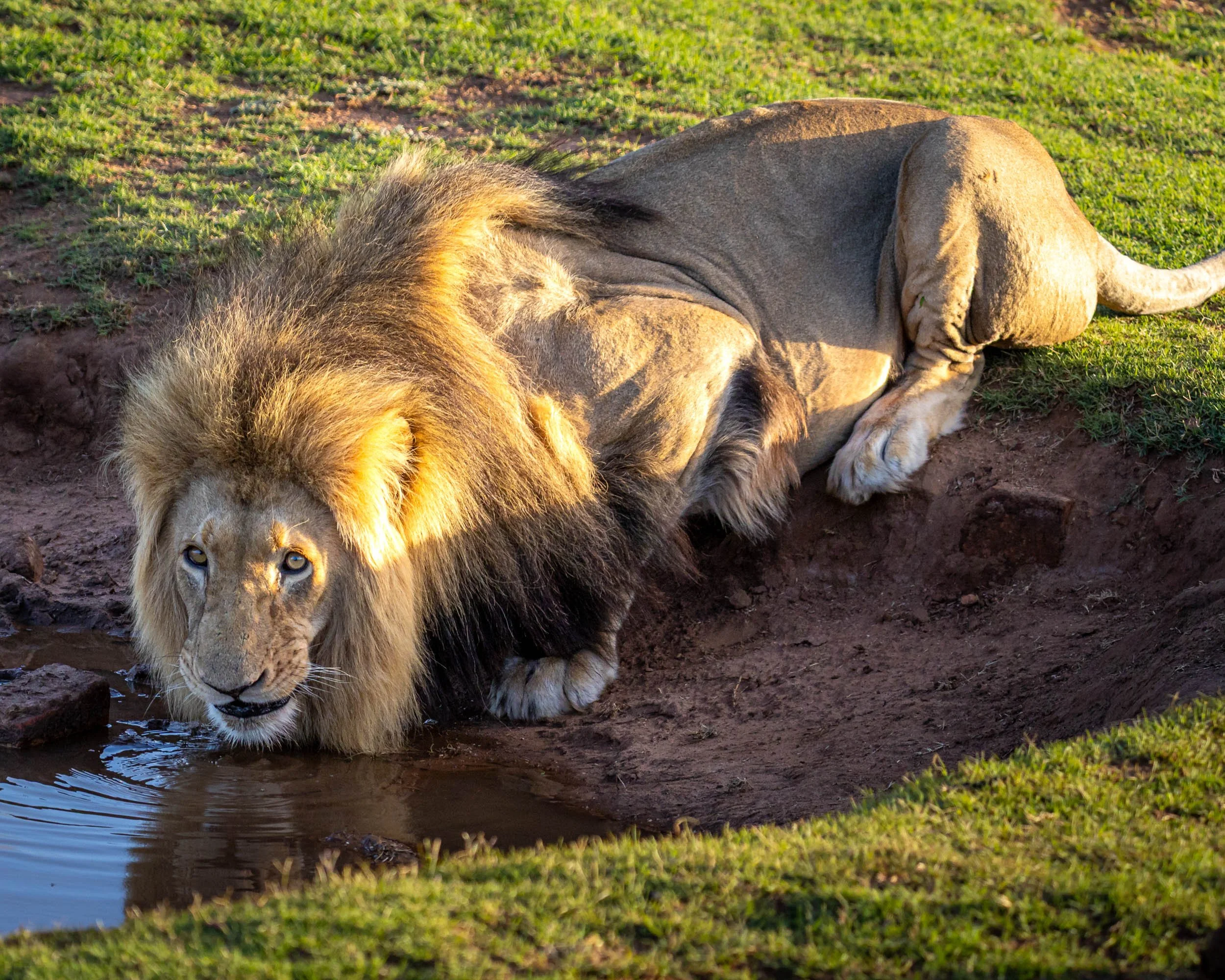
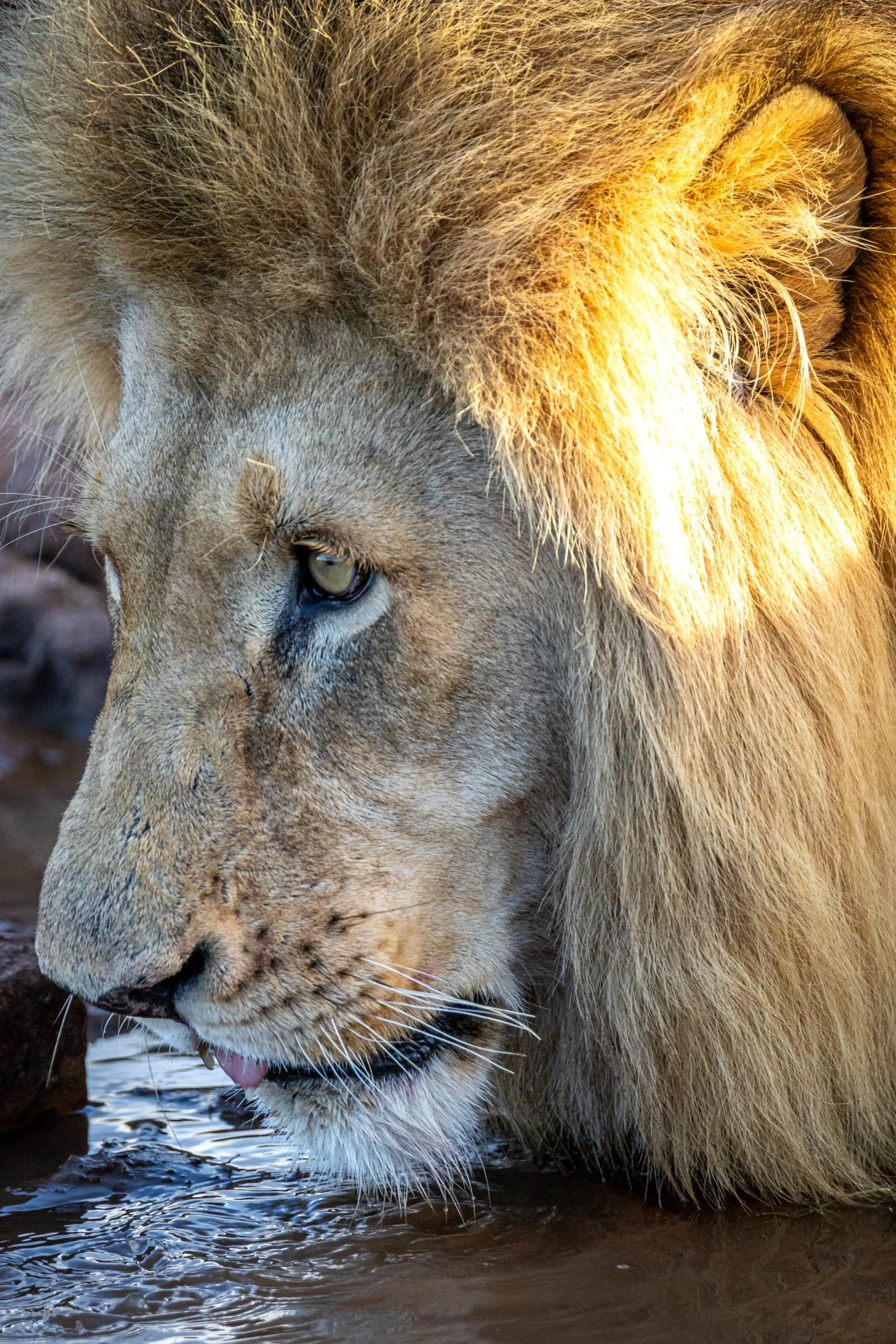
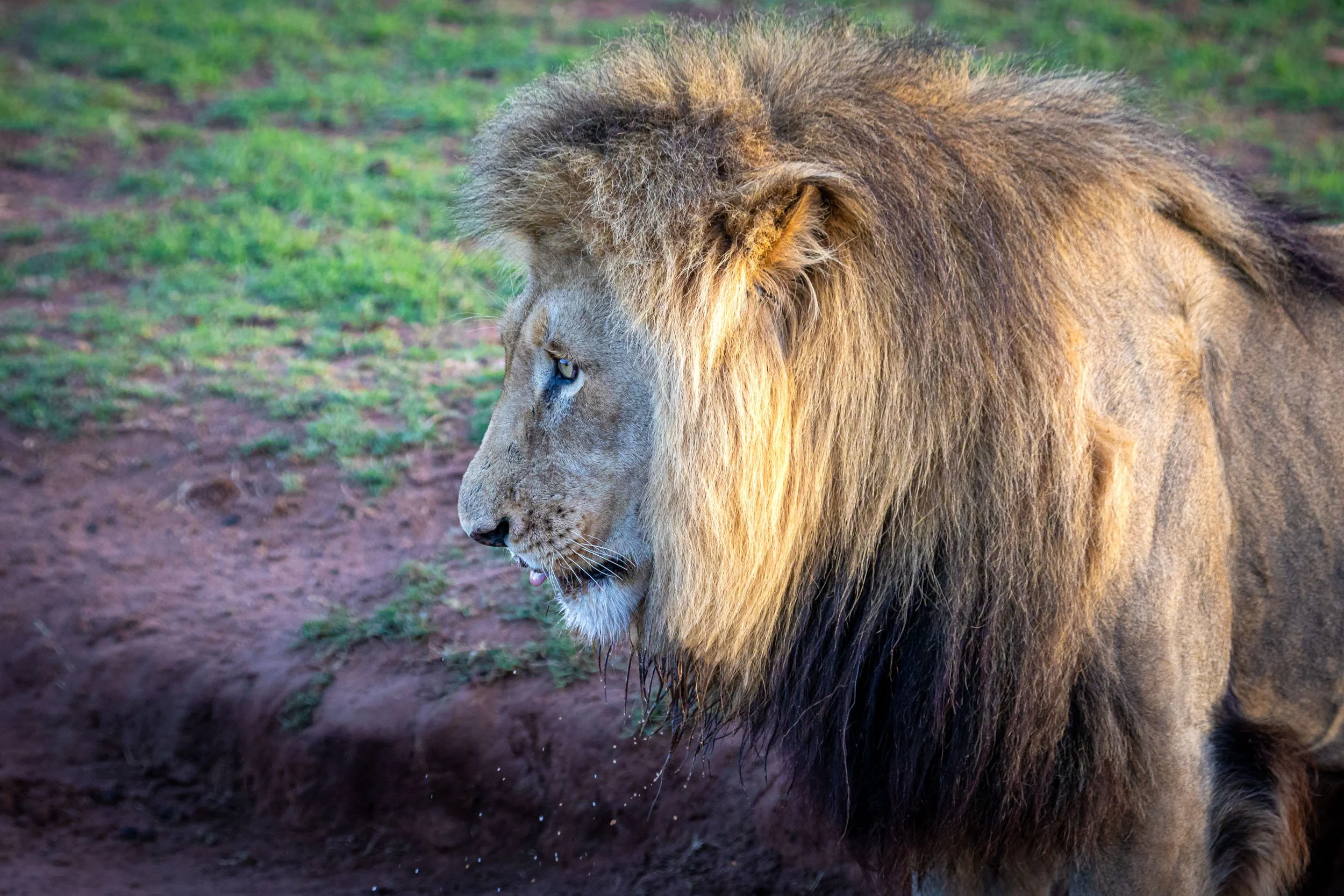
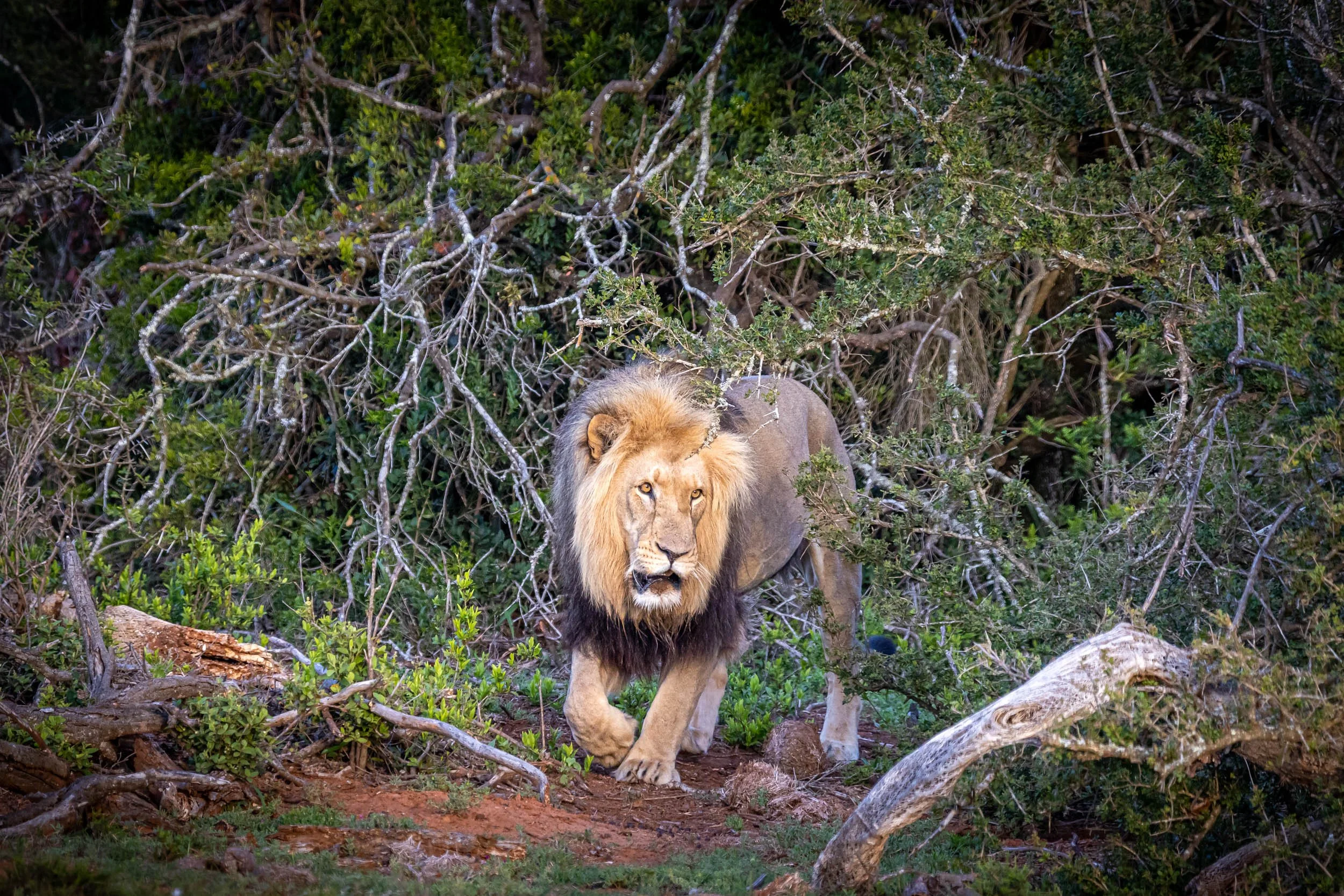
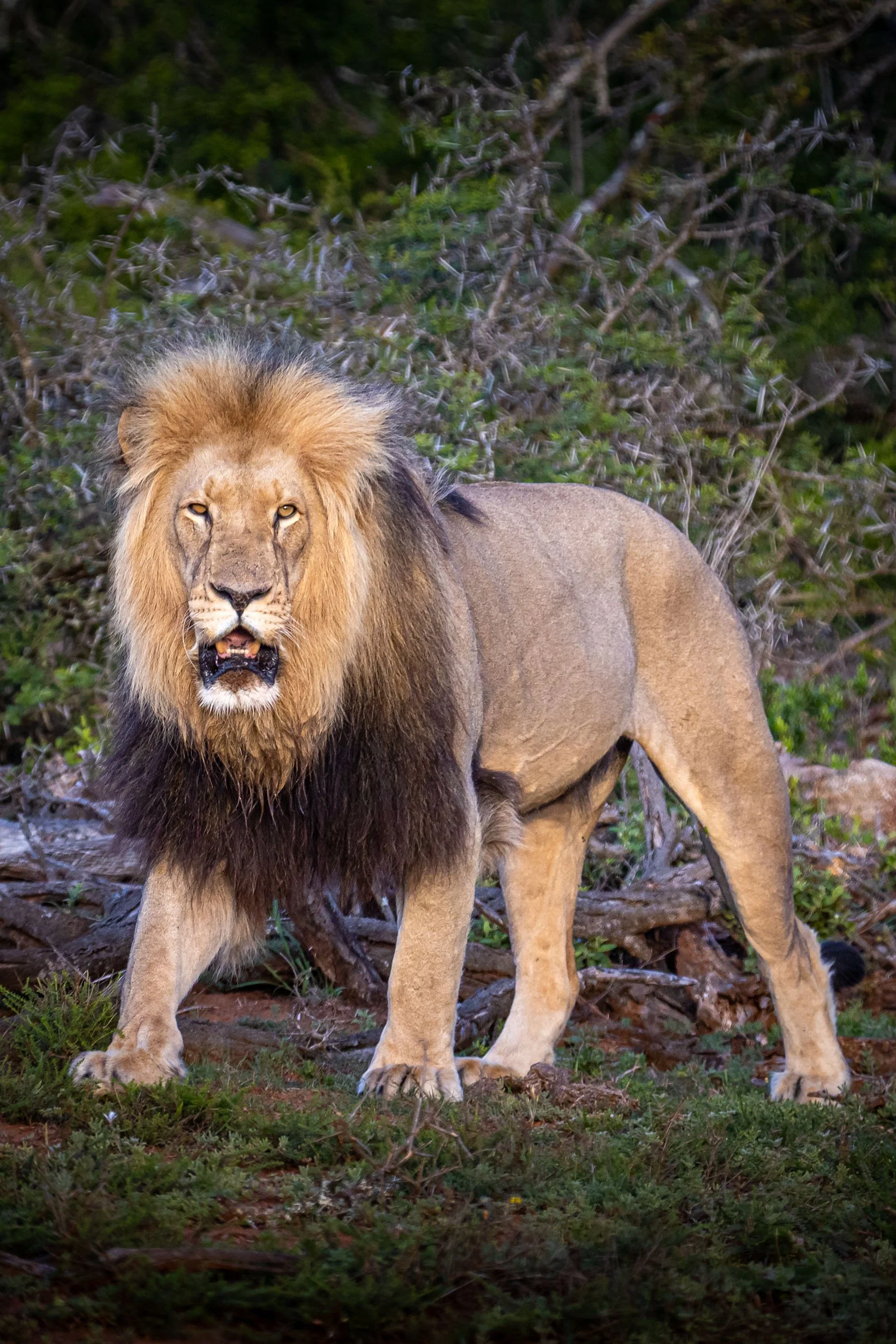
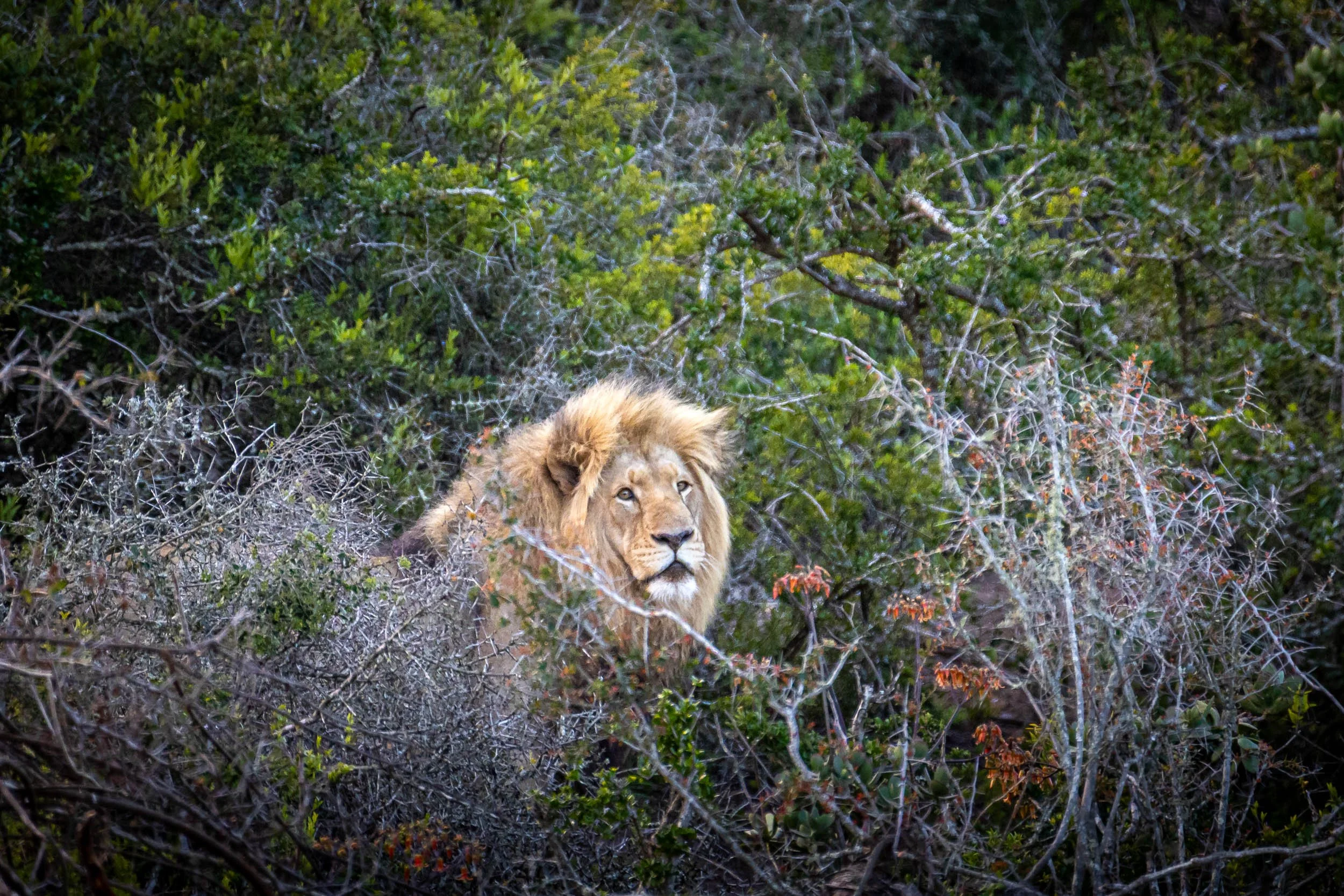
The reserve is divided into two parts: North and South. We first explored the southern section, then drove up to the north. After a short break, we headed back to the south again, mainly to look for giraffes and lions. Just when we had given up hope and were about to turn back, we finally spotted one lion on its way to a waterhole for a drink. It was an impressive moment — made unintentionally funny by the lion’s loud flatulence.
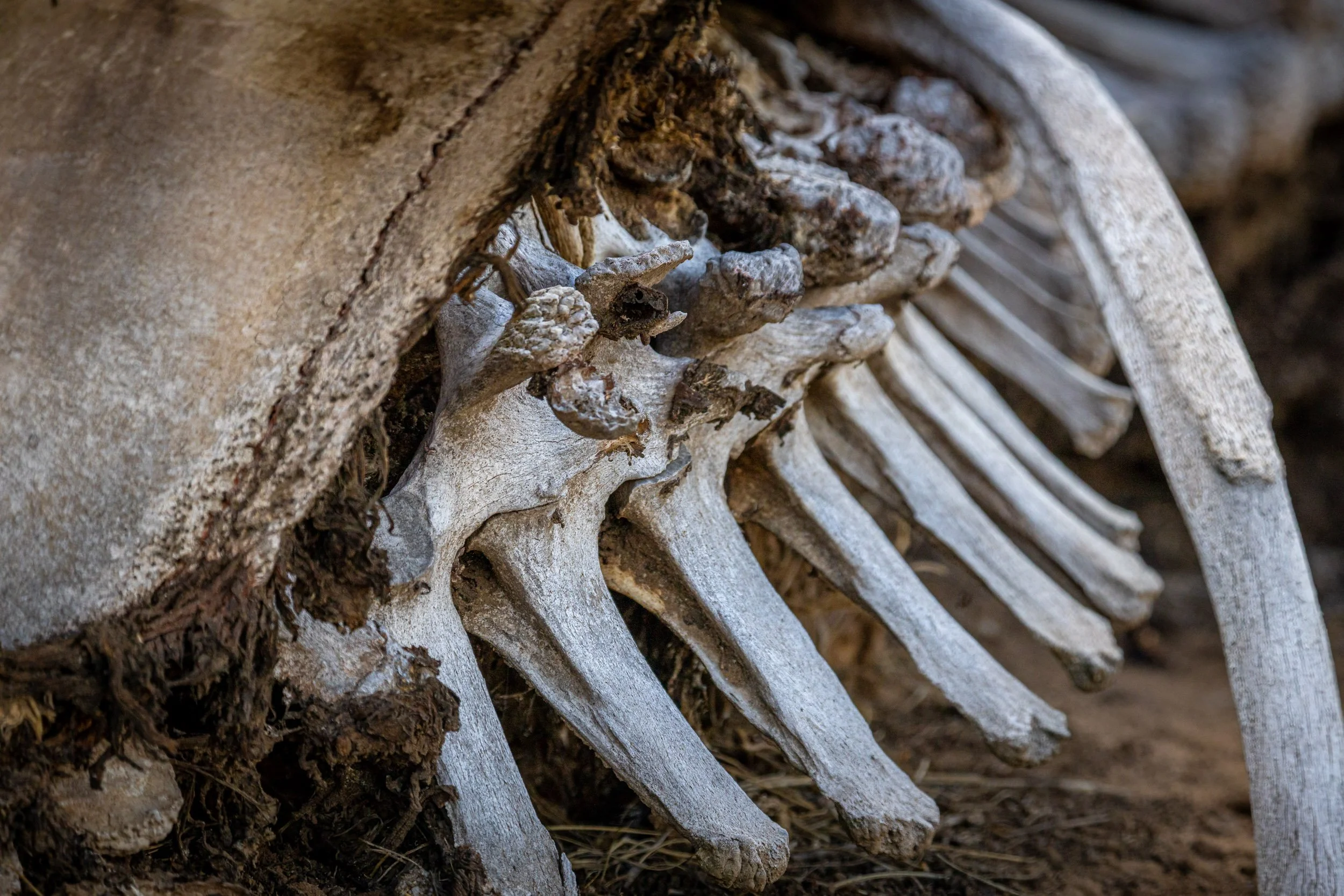
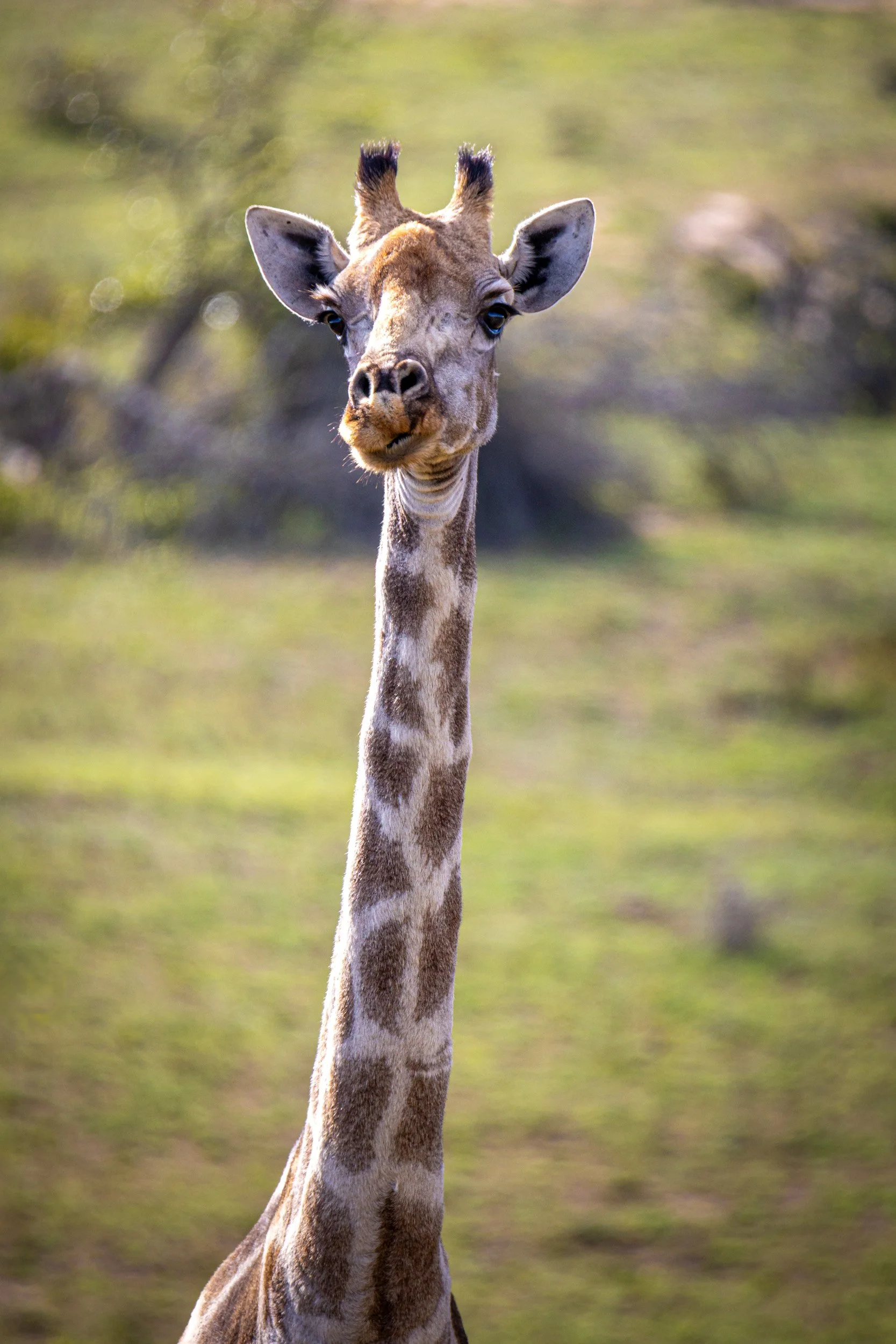
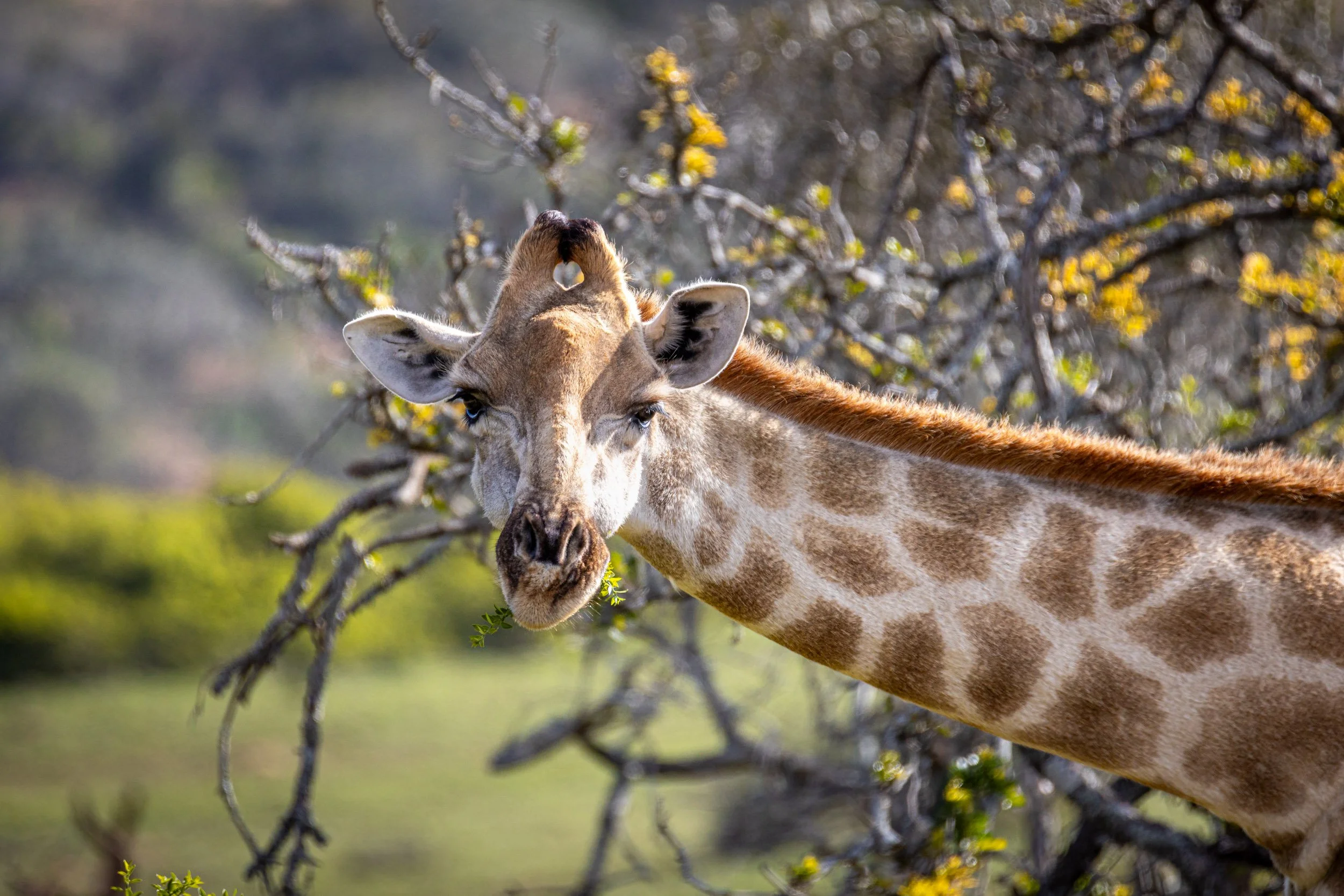
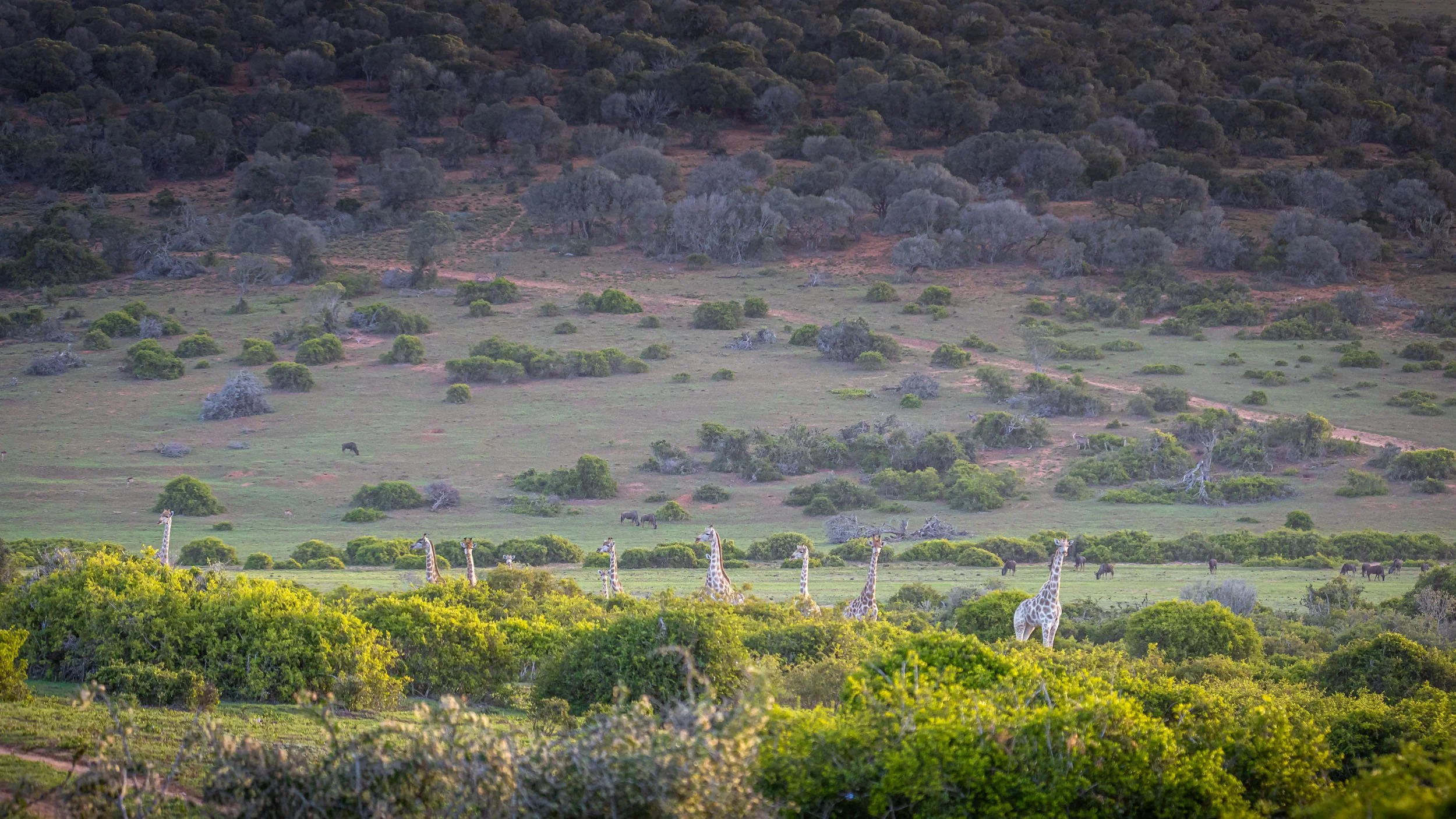
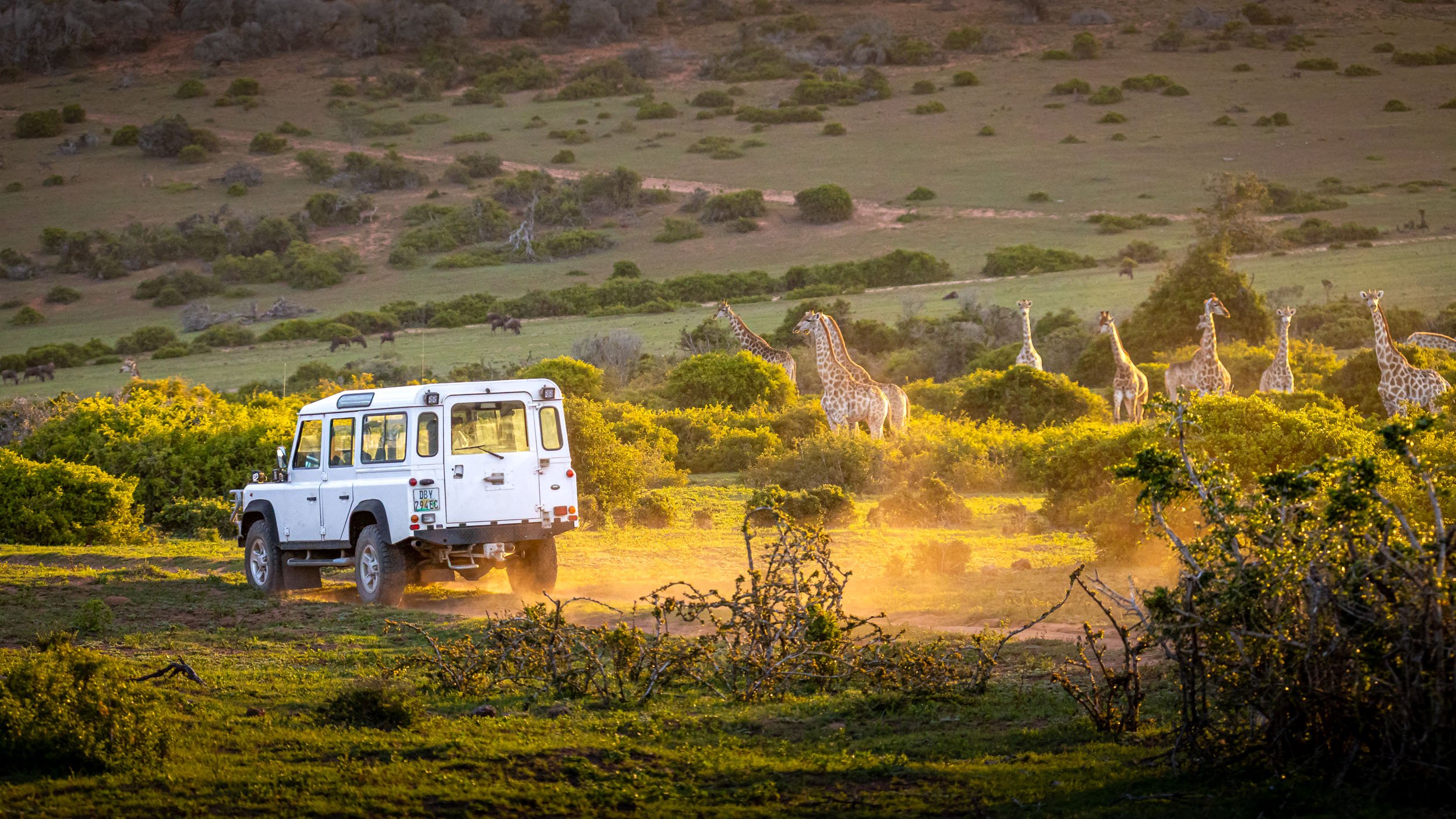
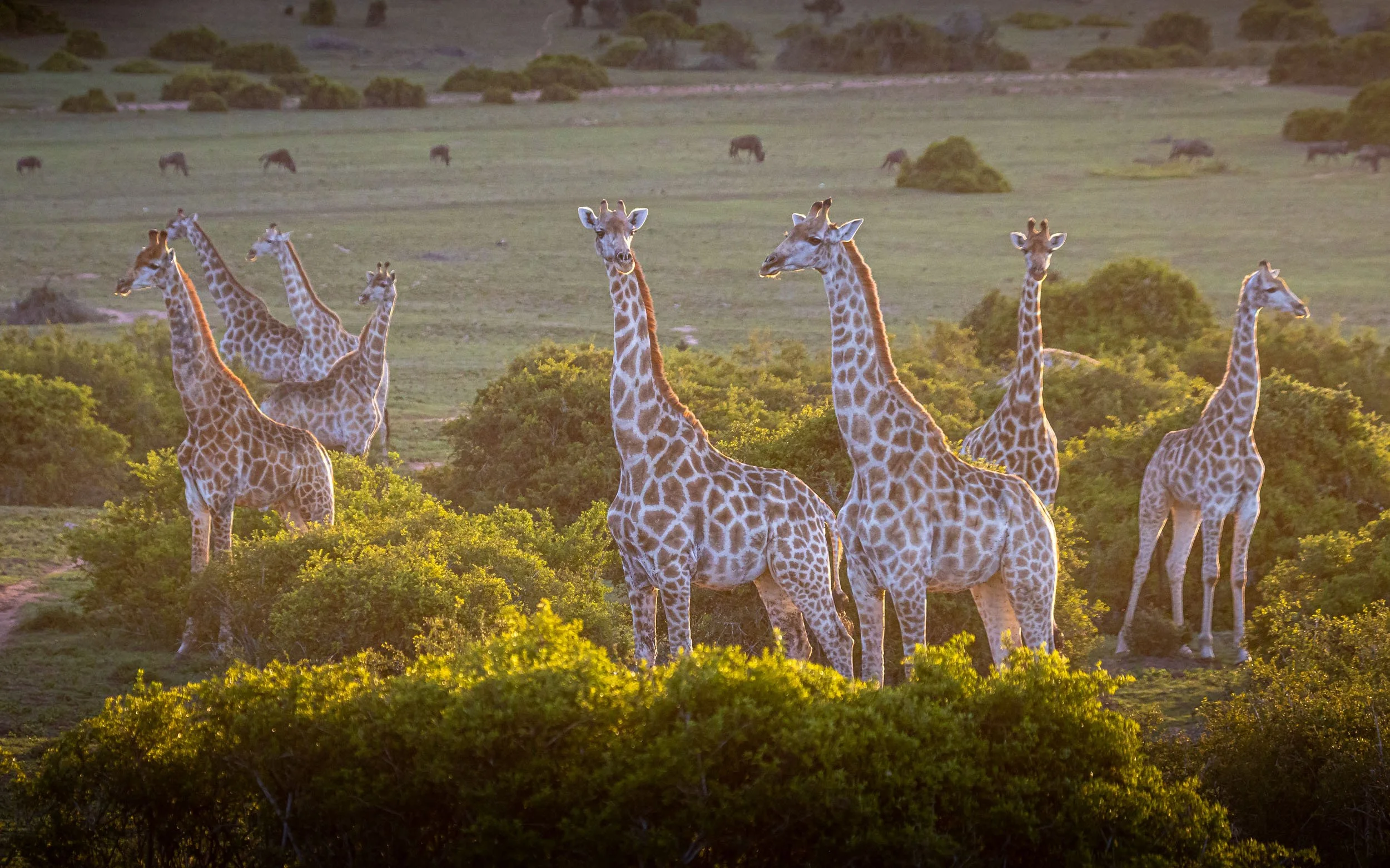
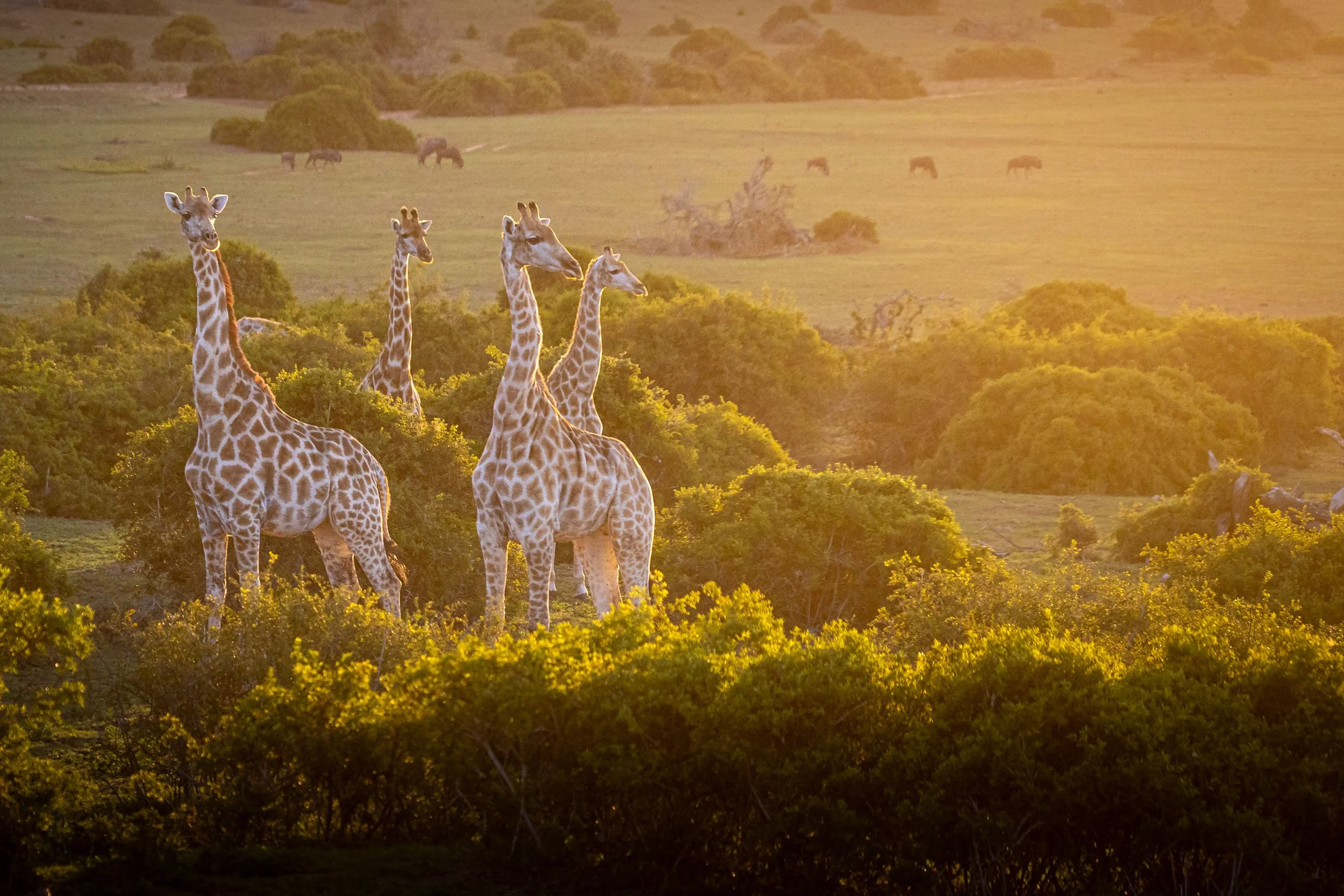
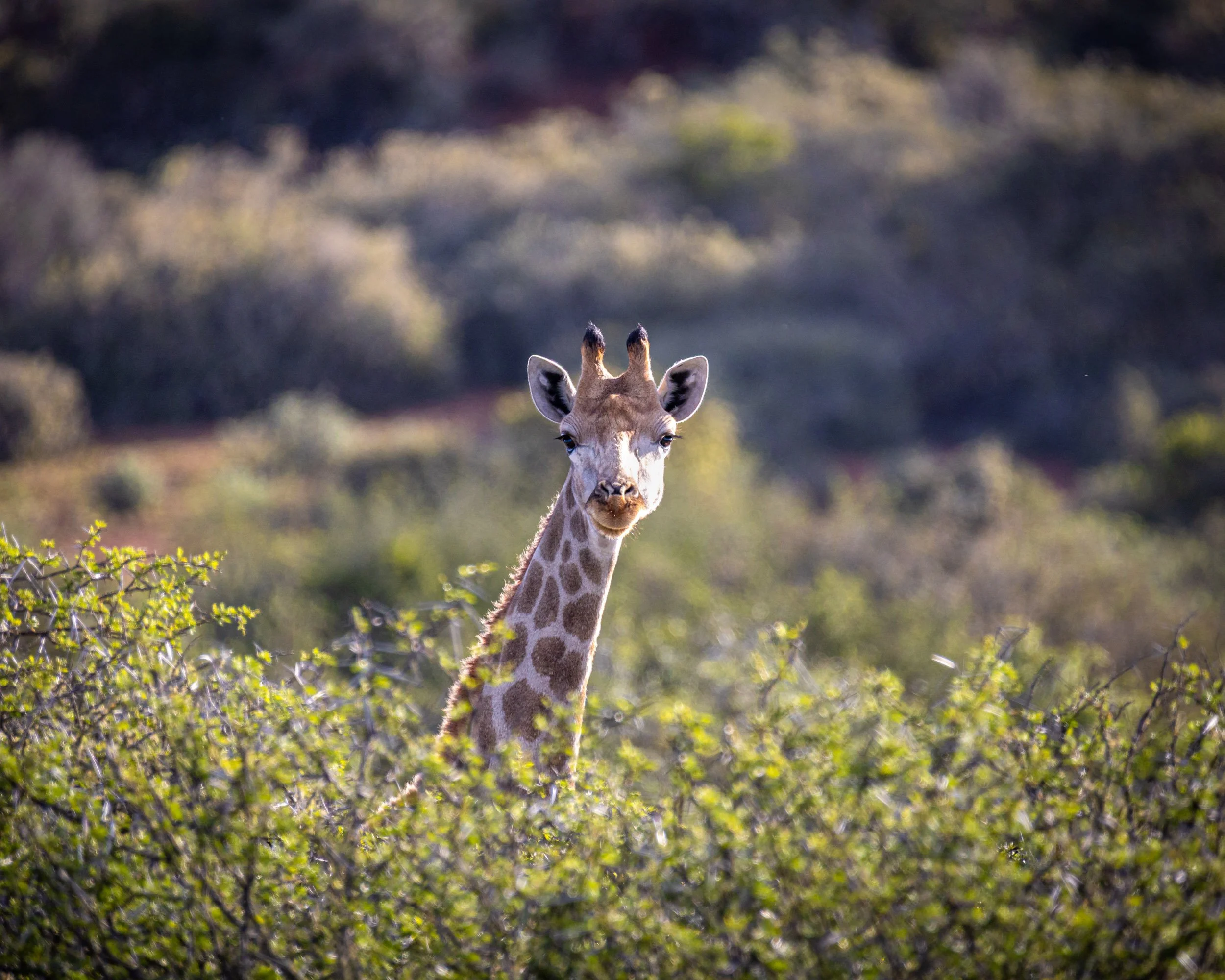
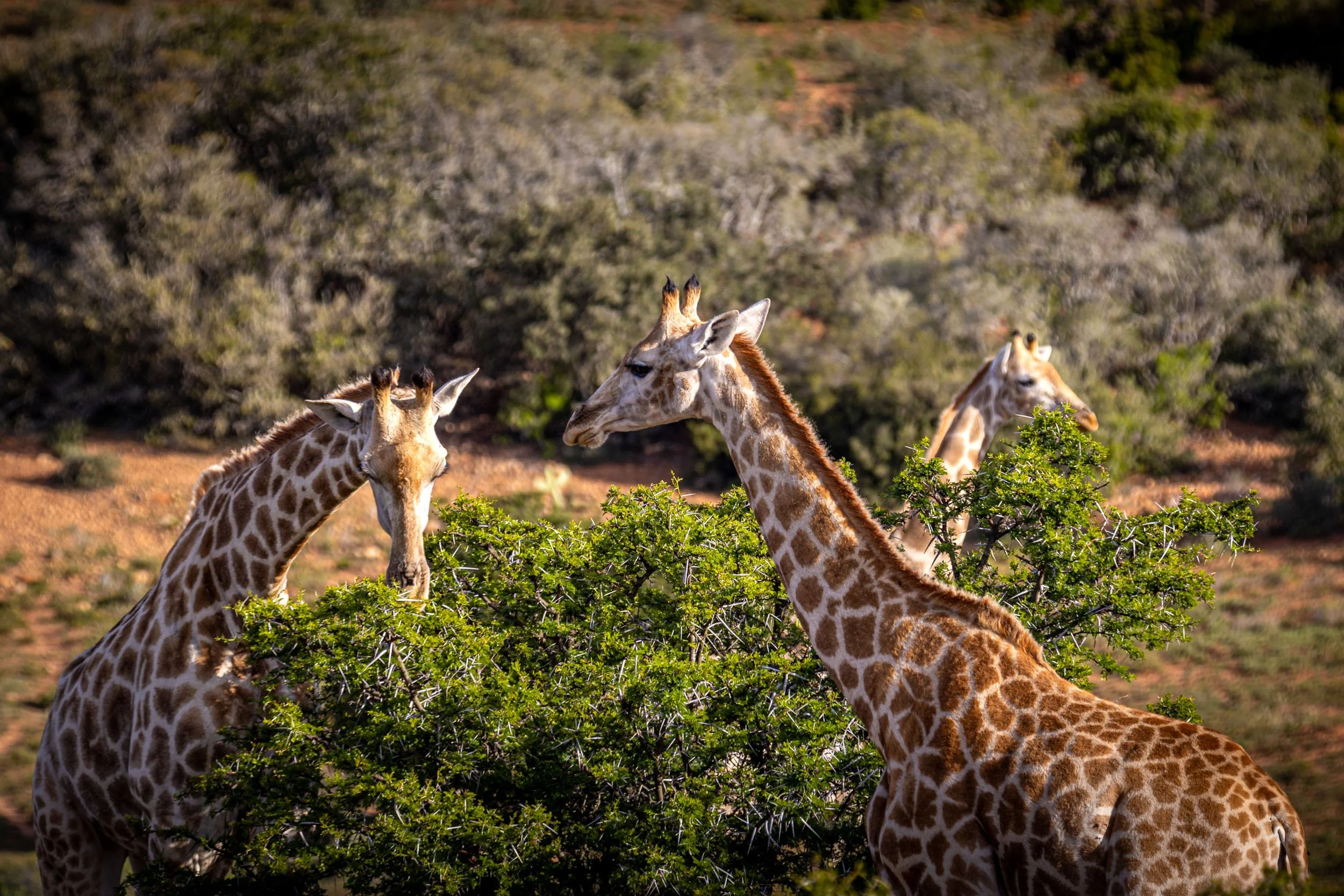
After the lion moved on, we drove to the camp and, on the way back, observed a group of very alert giraffes who clearly had great respect for the presence of the lion. After a communal dinner with the other participants, we drove out of the park in the dark and returned to Amakhala.

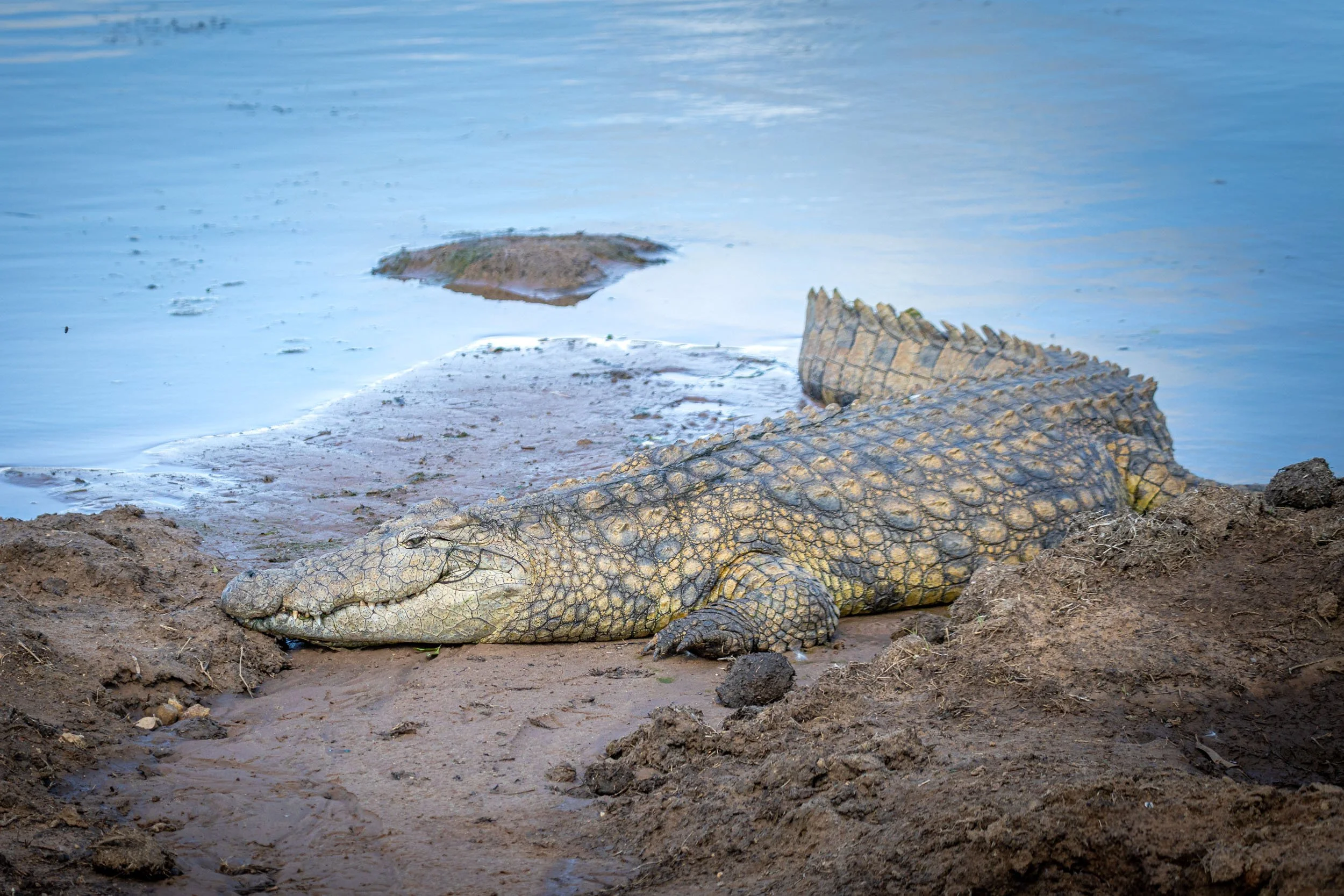


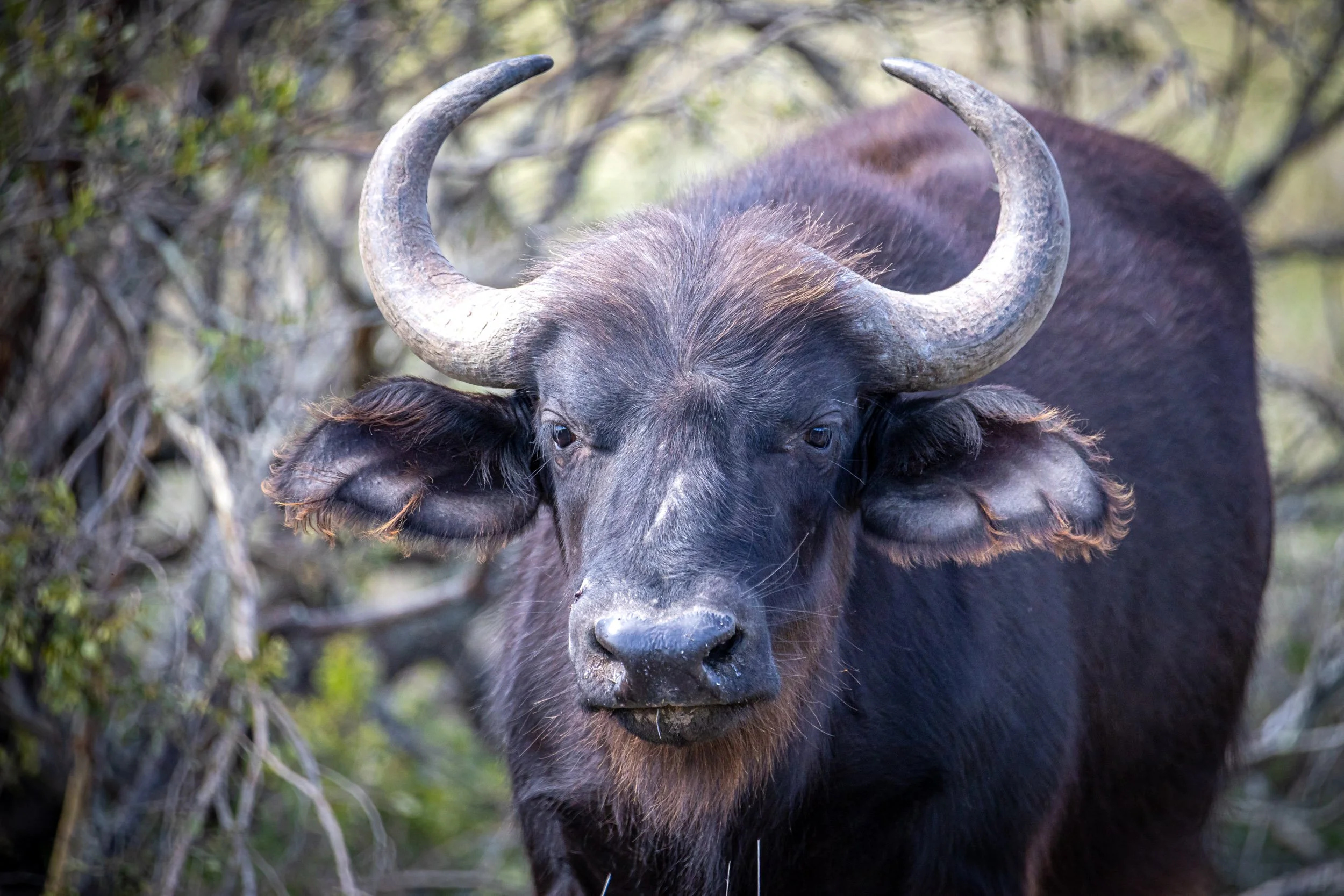
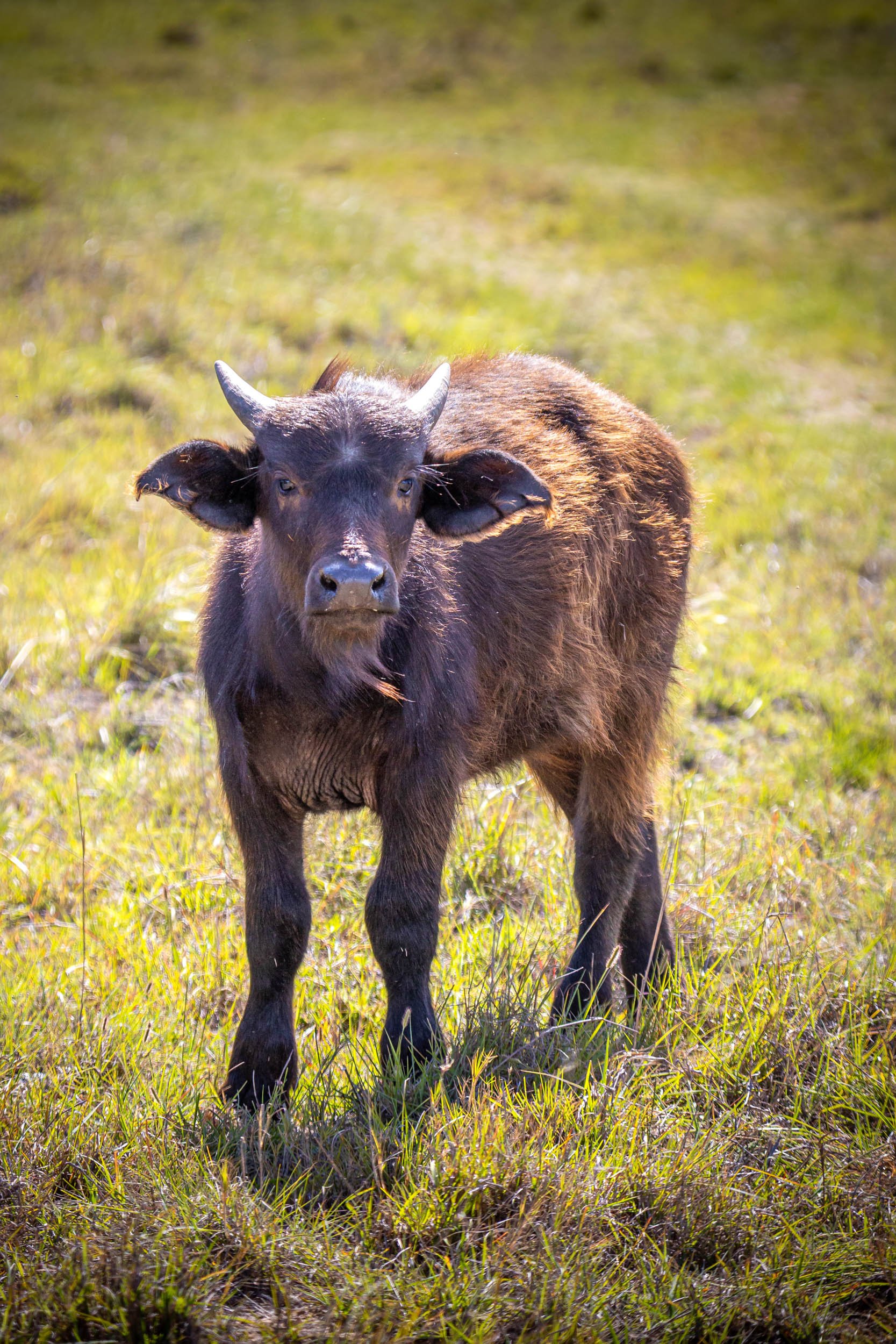
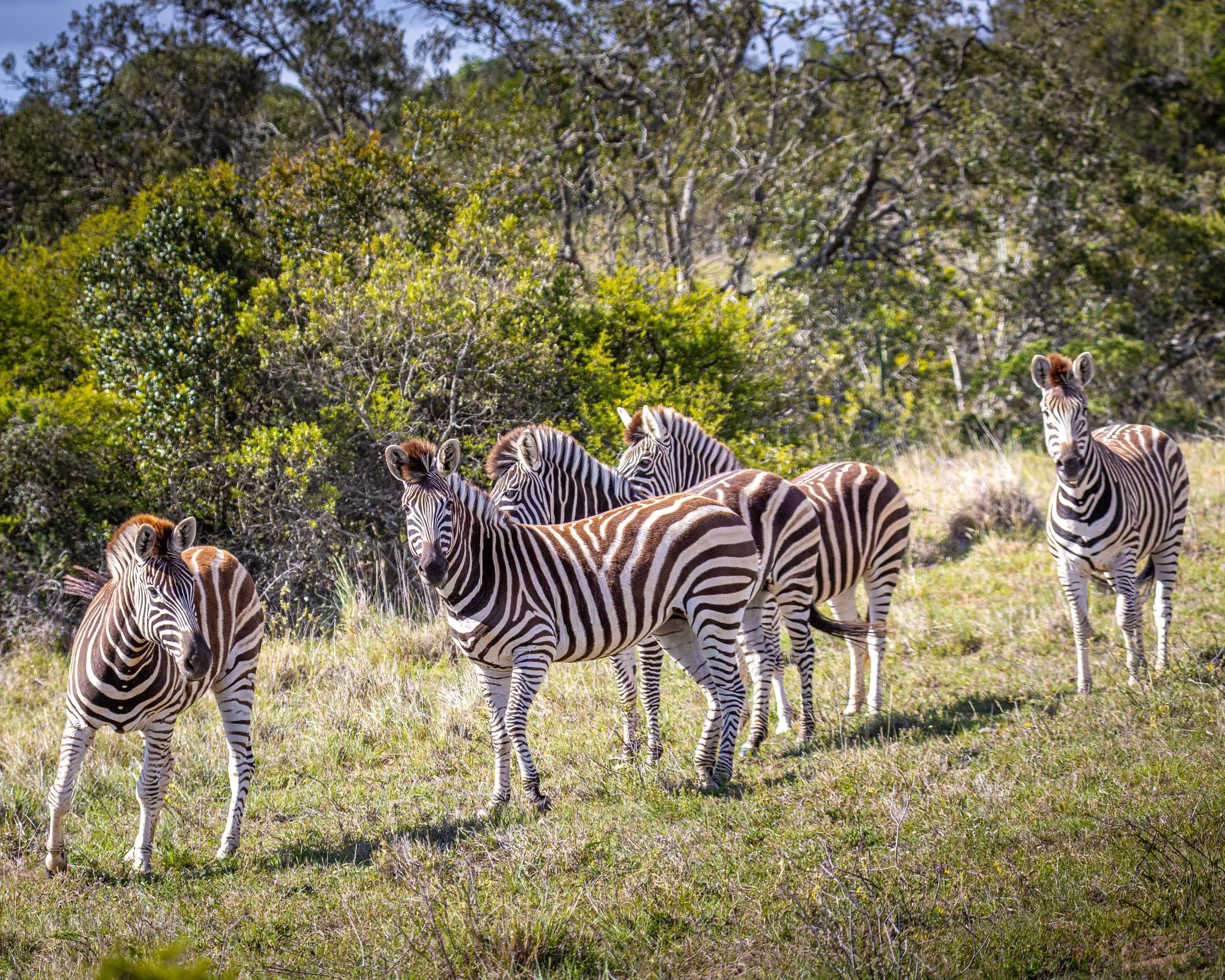
Amakhala Game Reserve
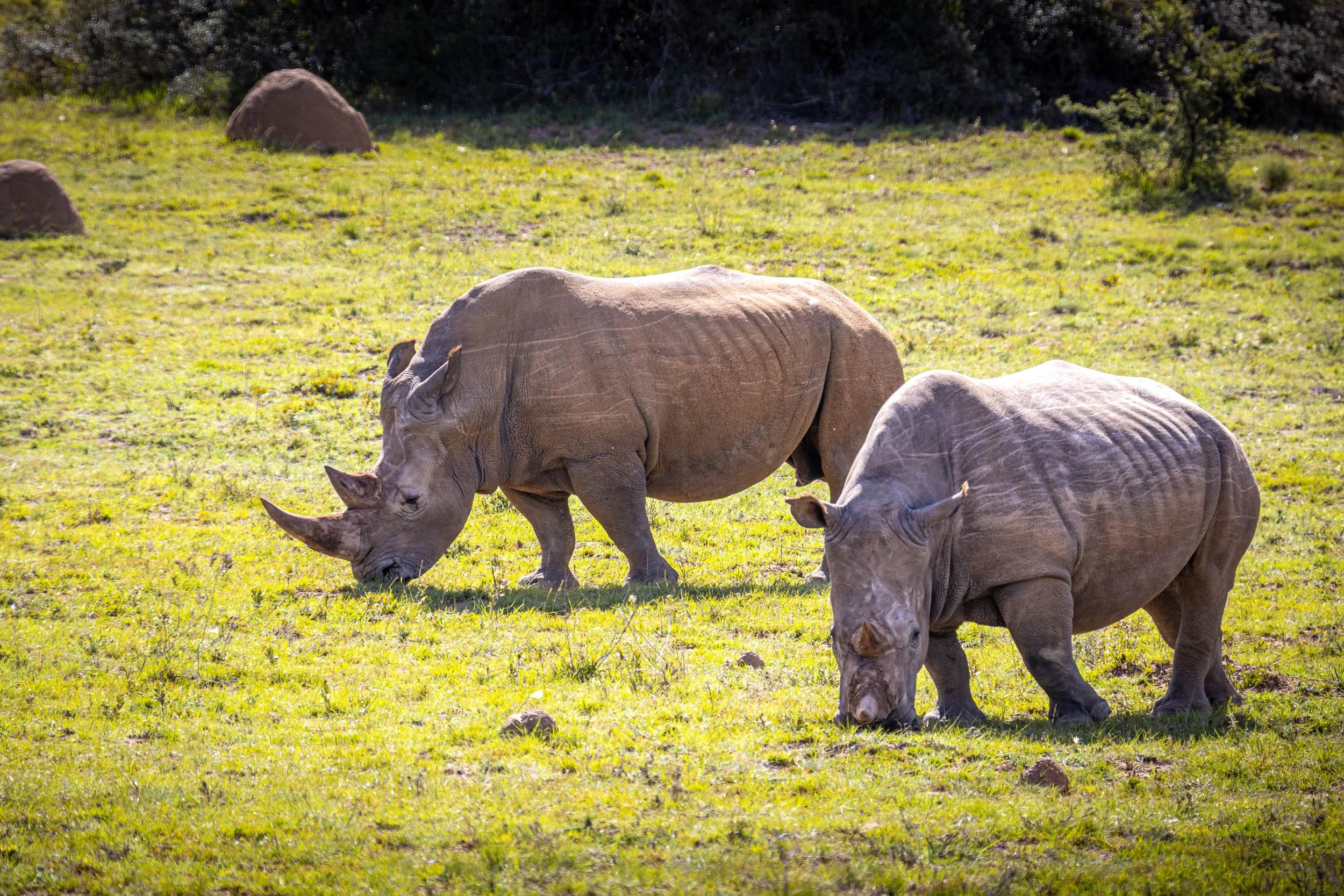
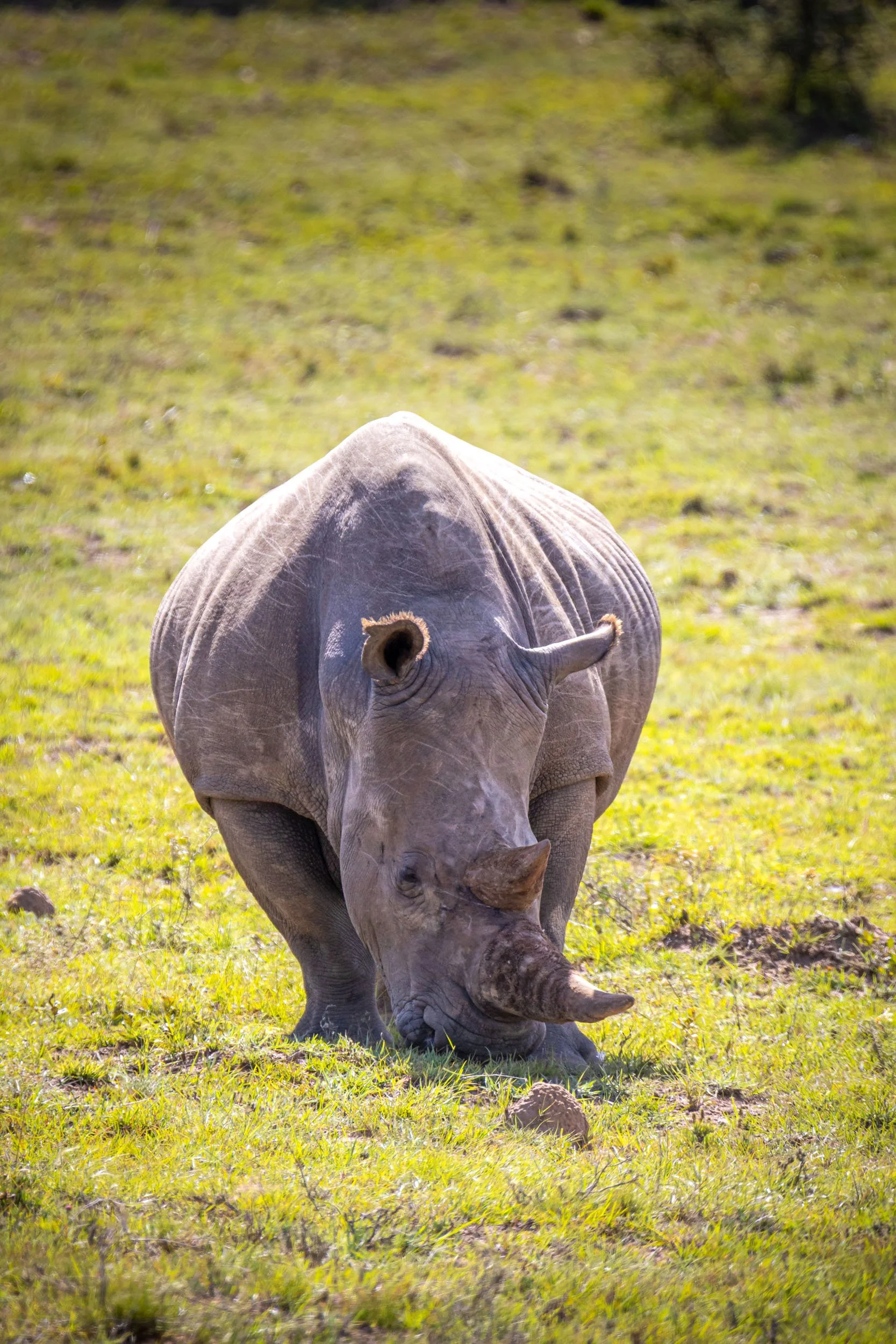
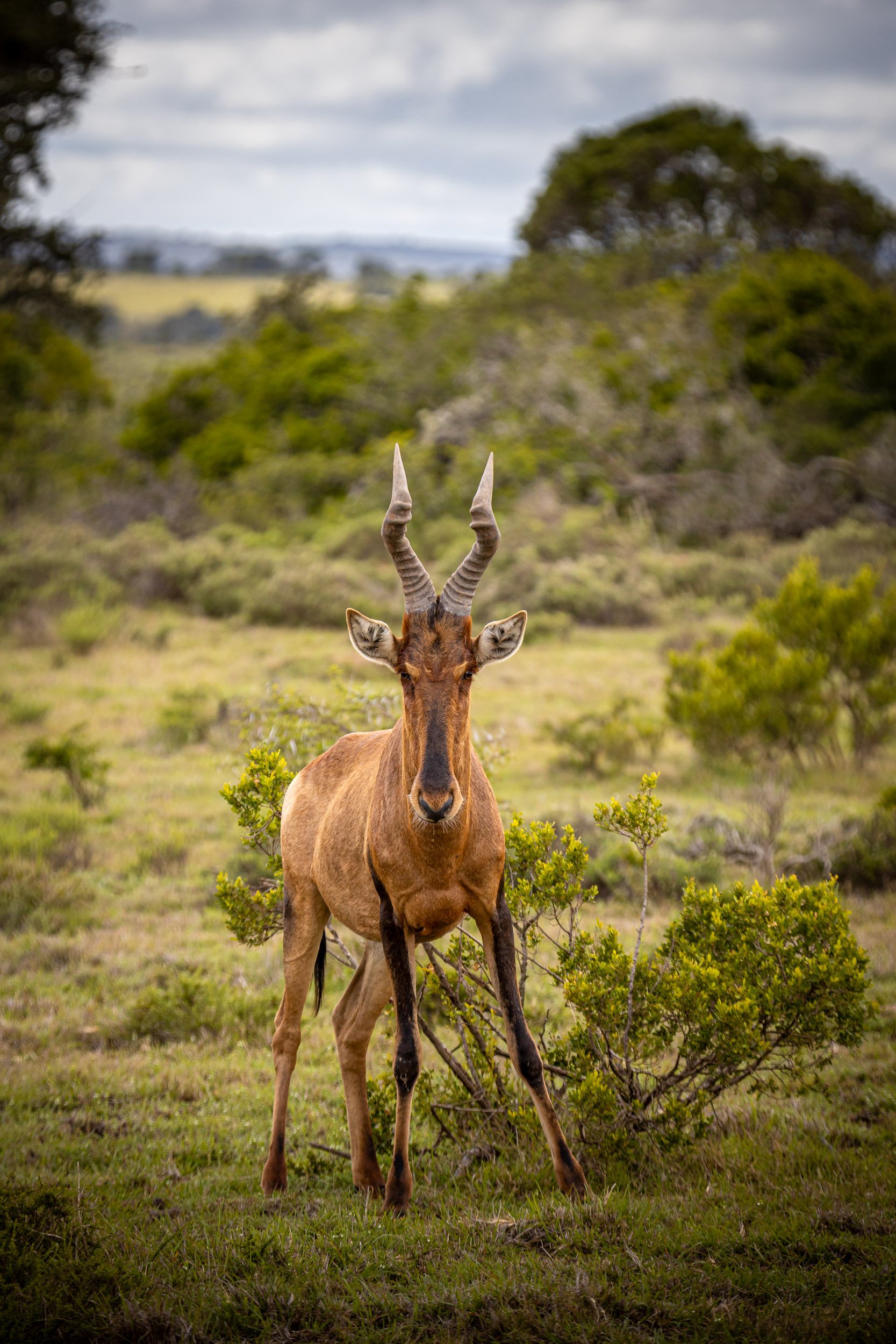
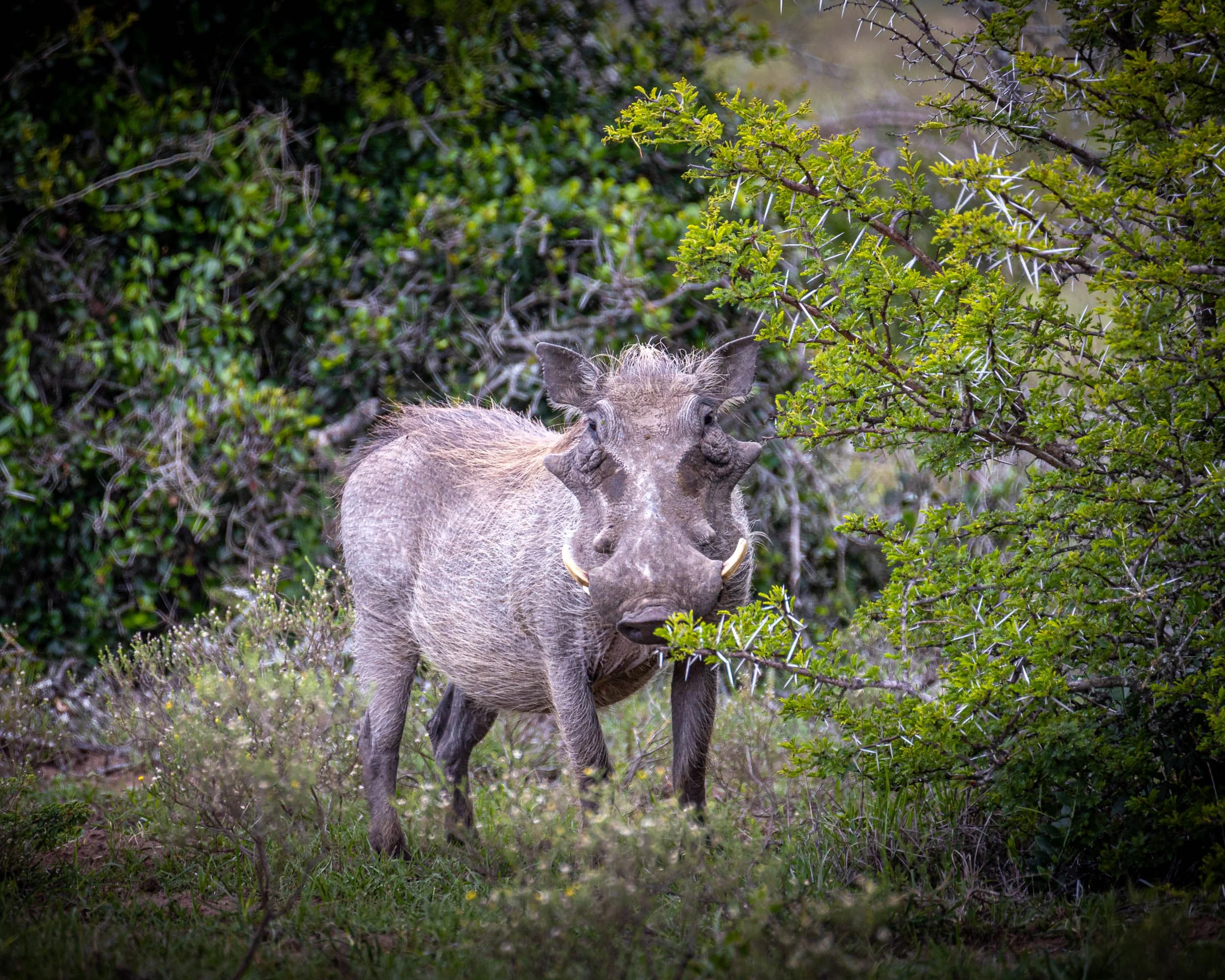
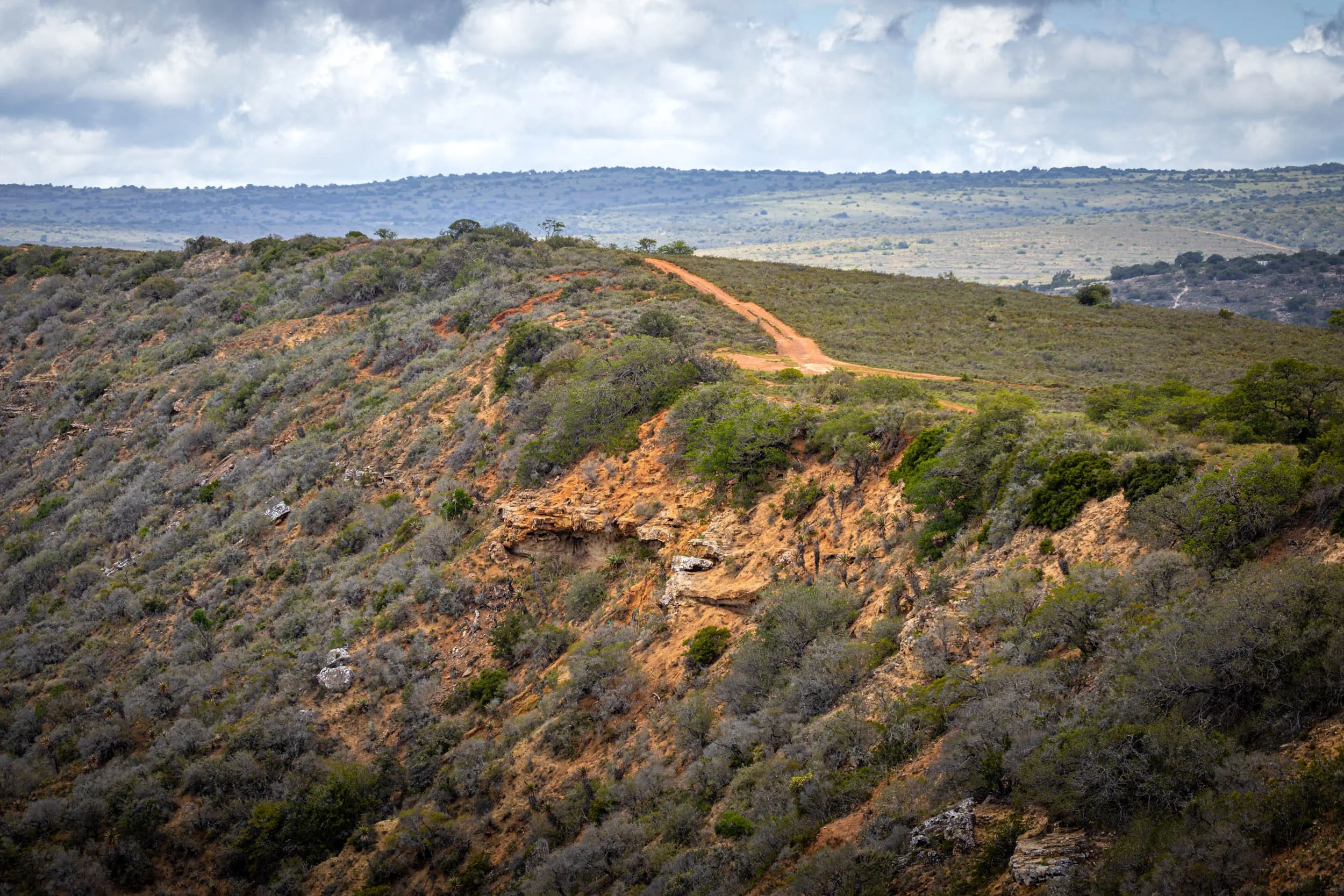
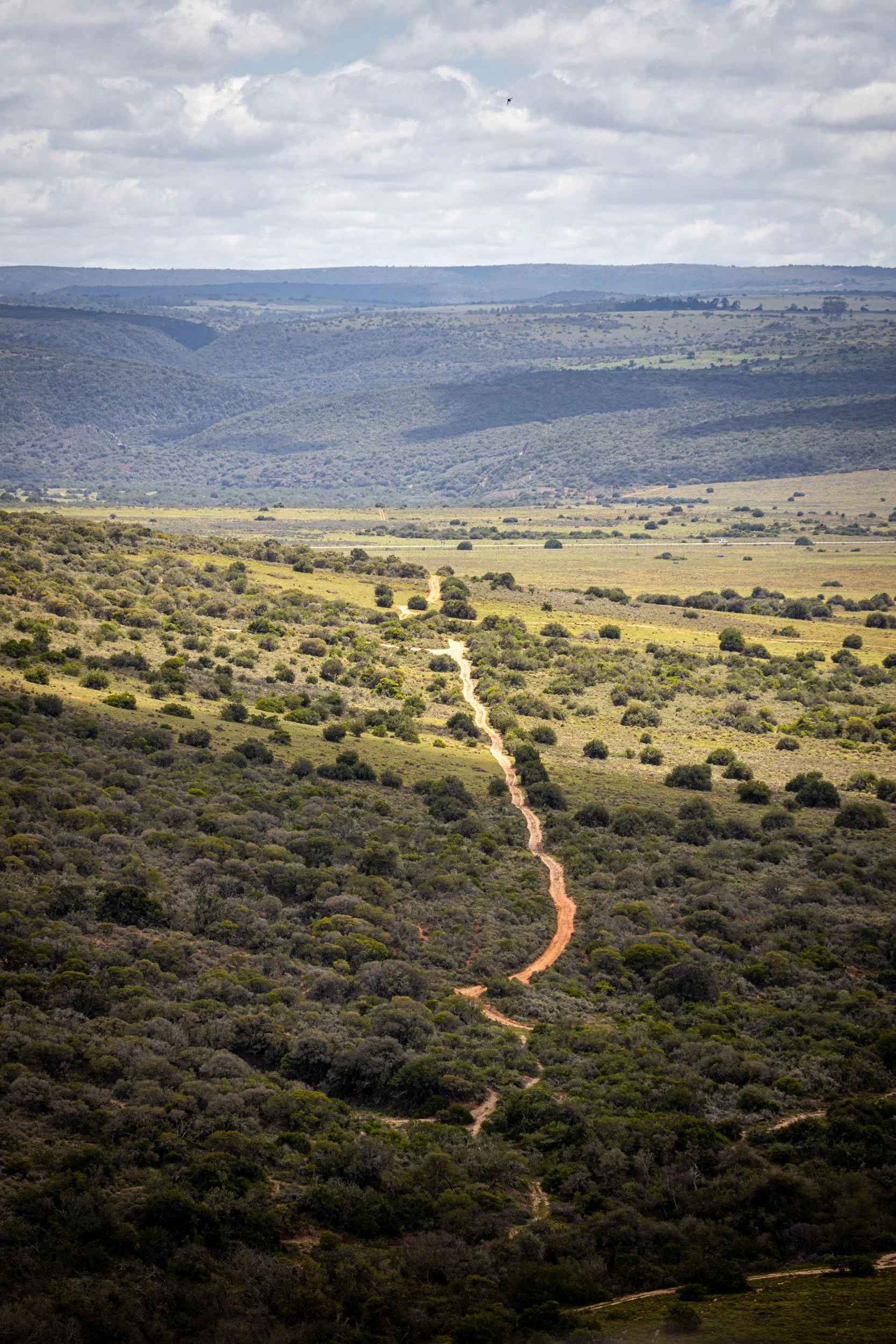
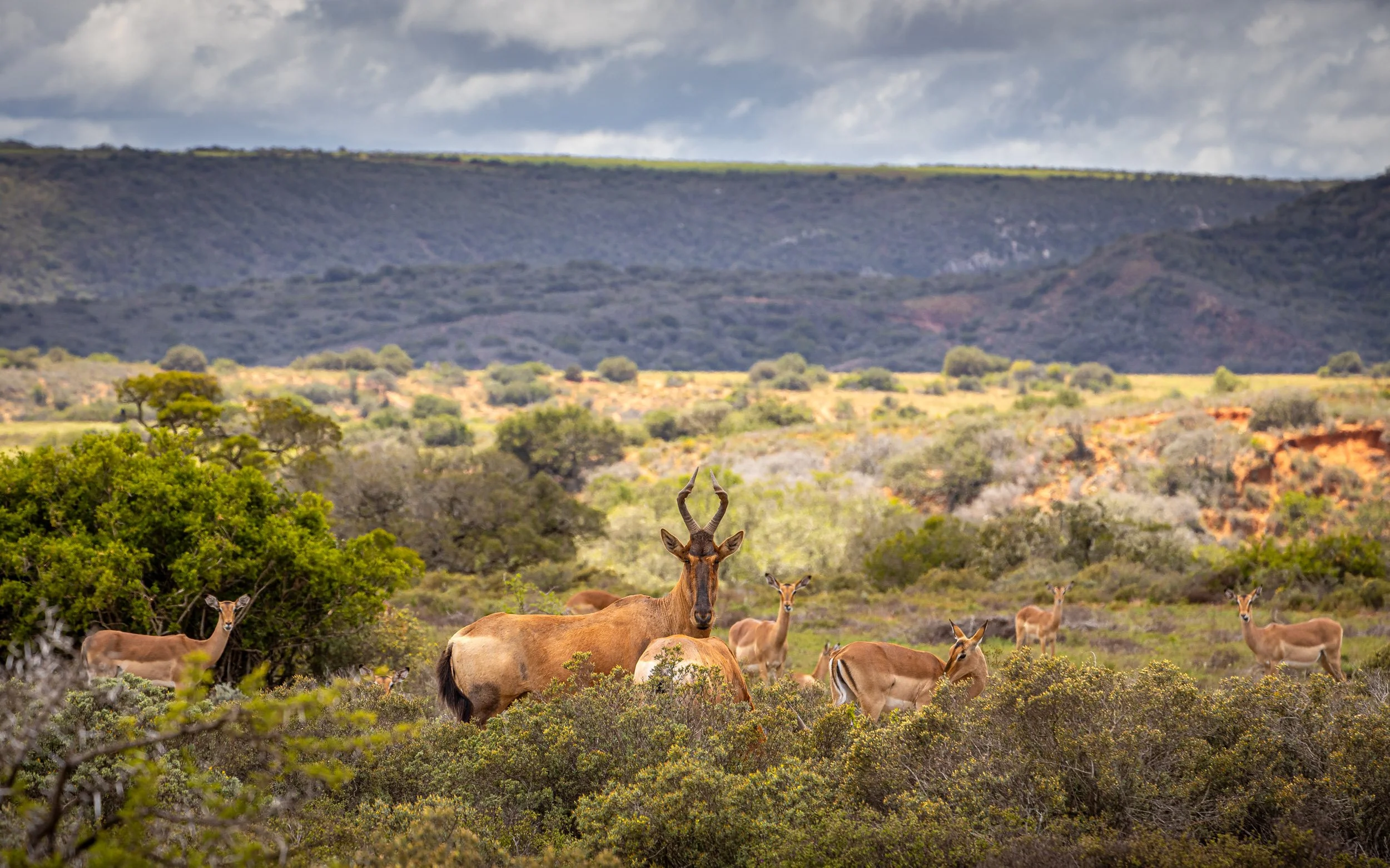
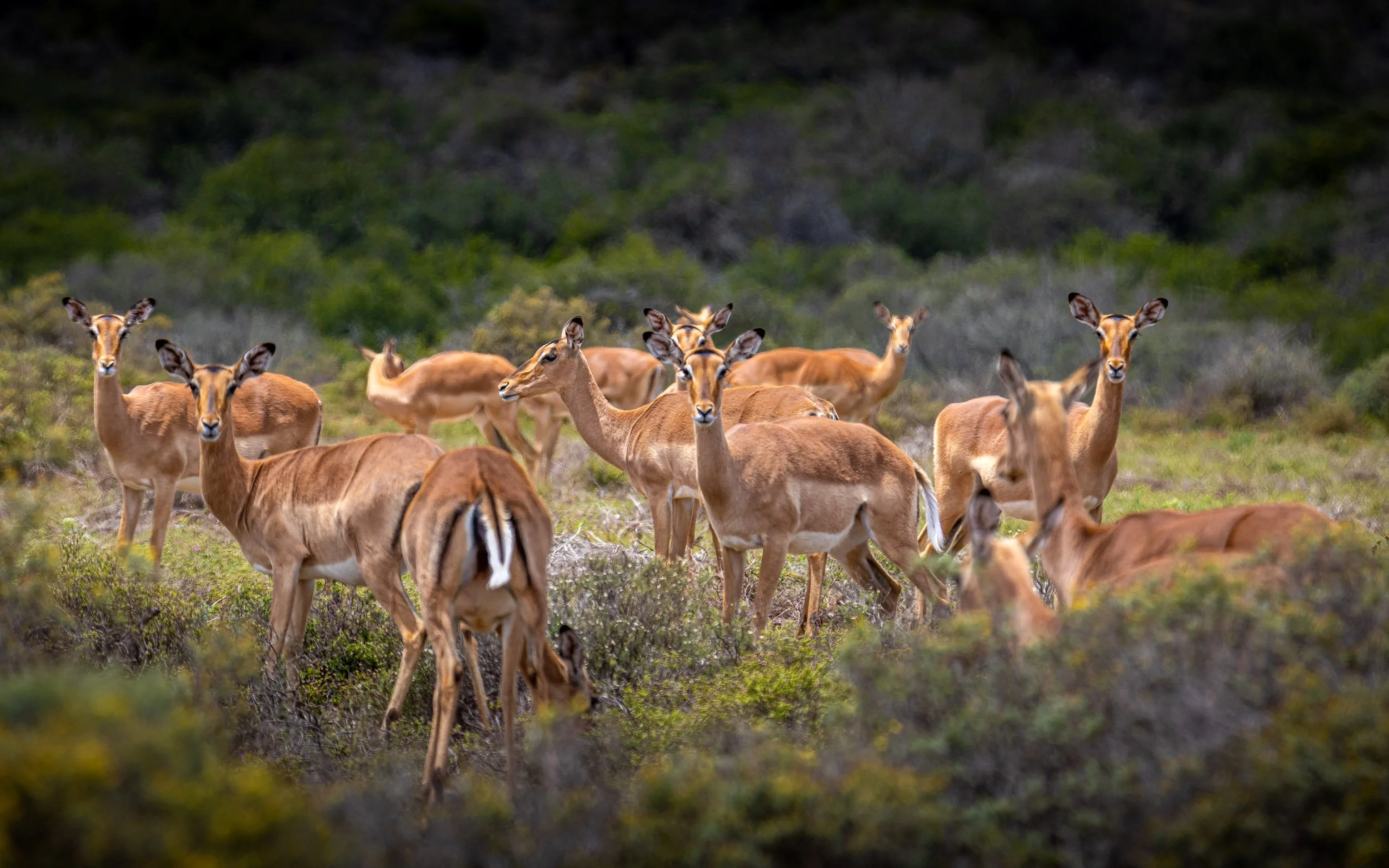
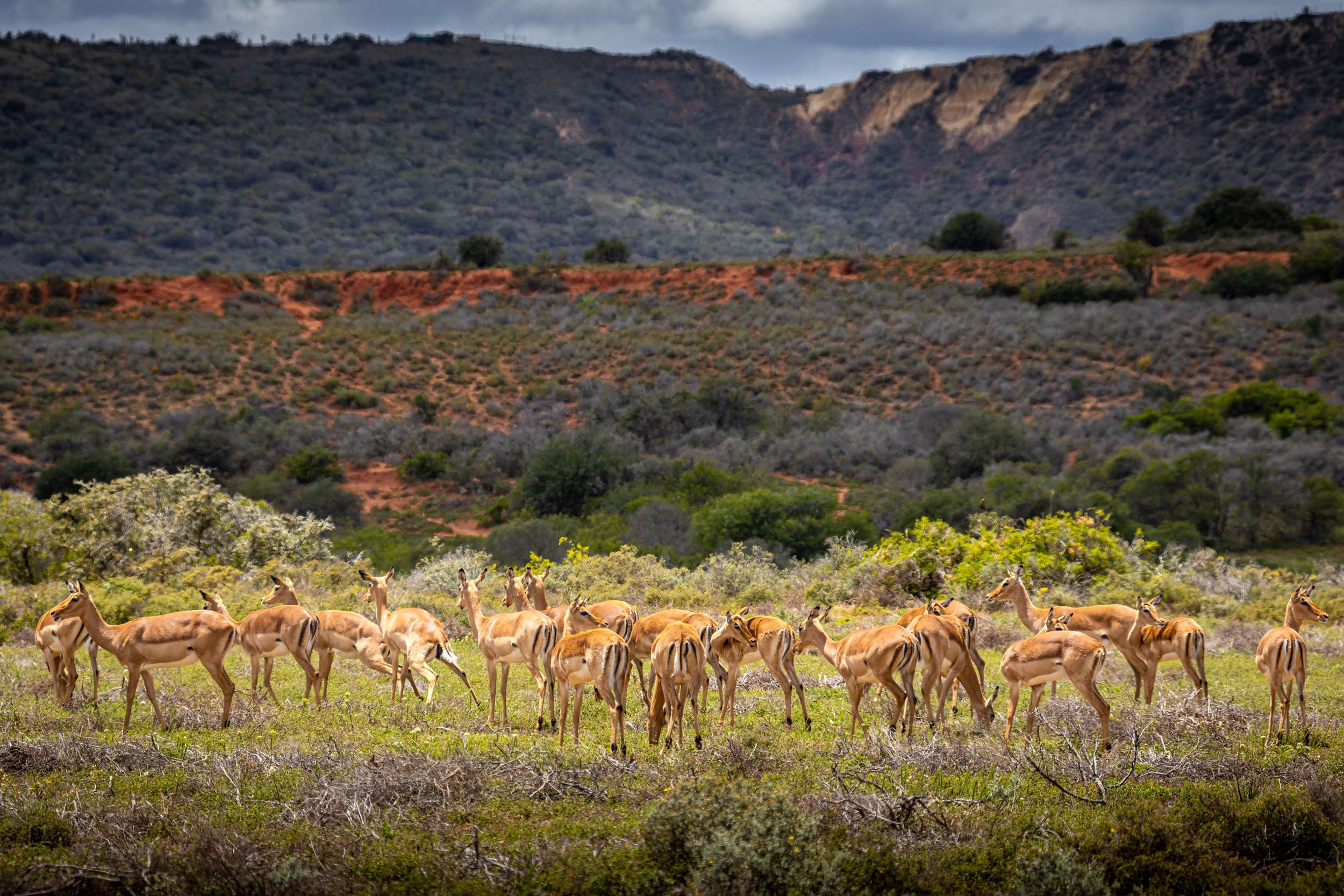
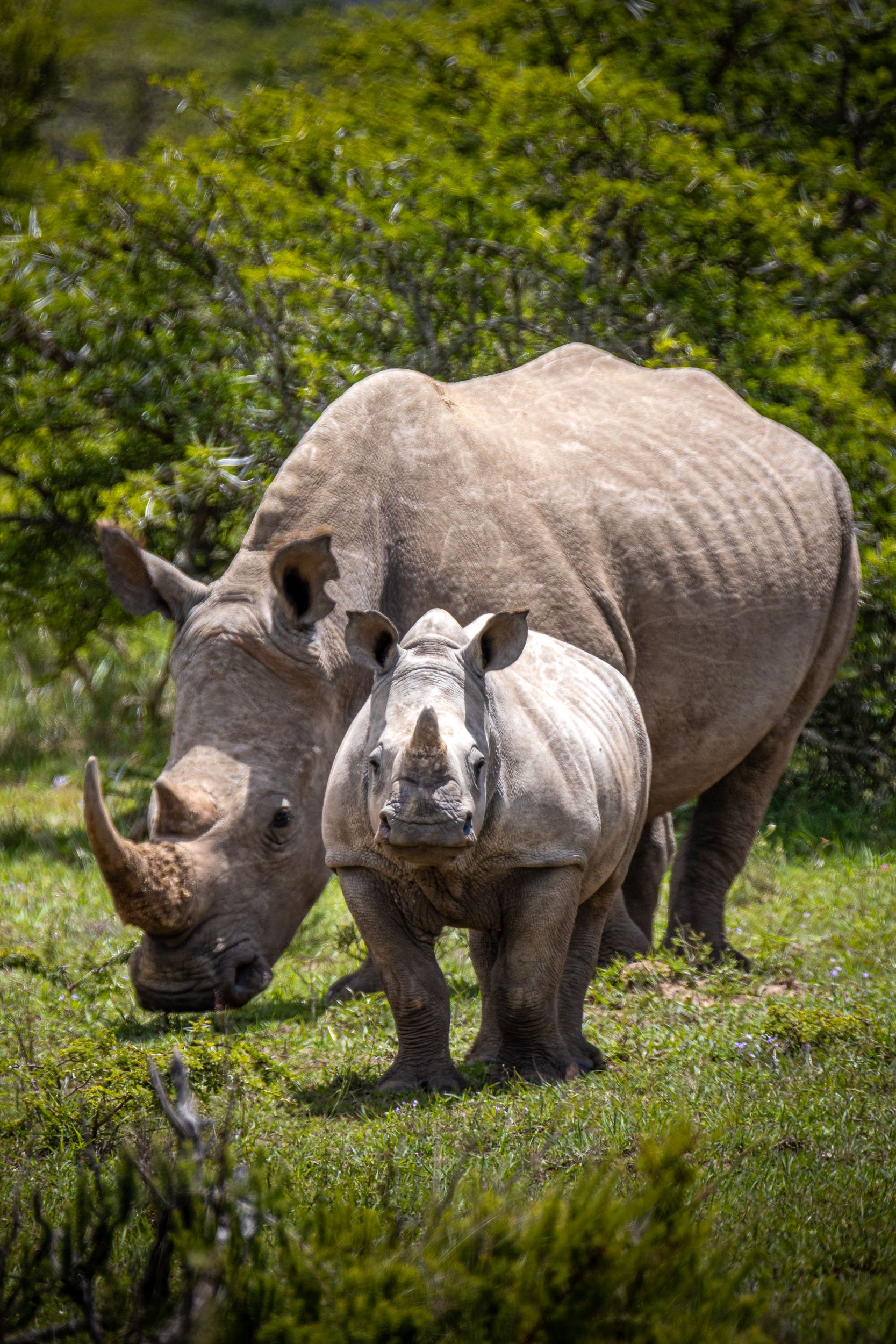
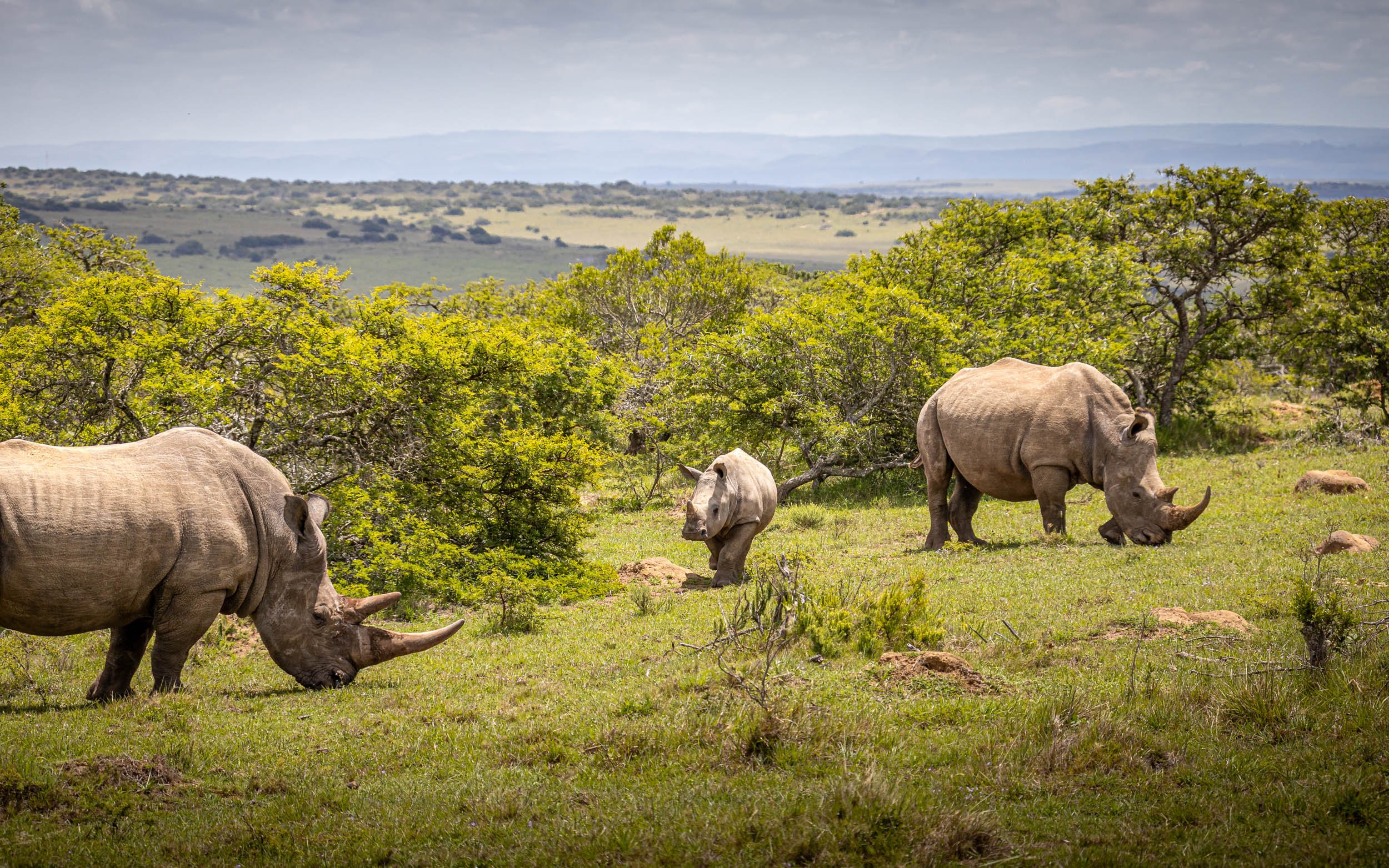
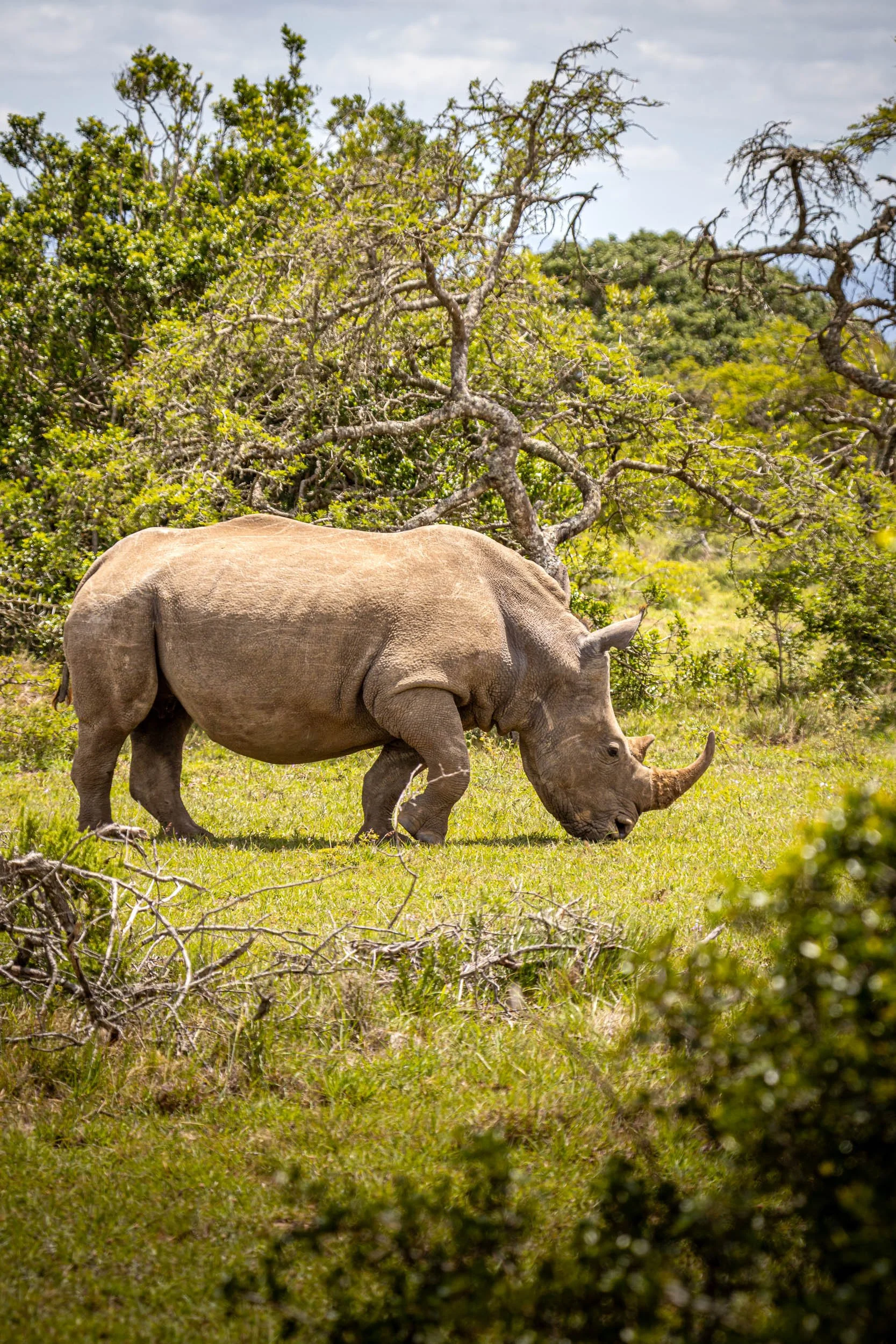
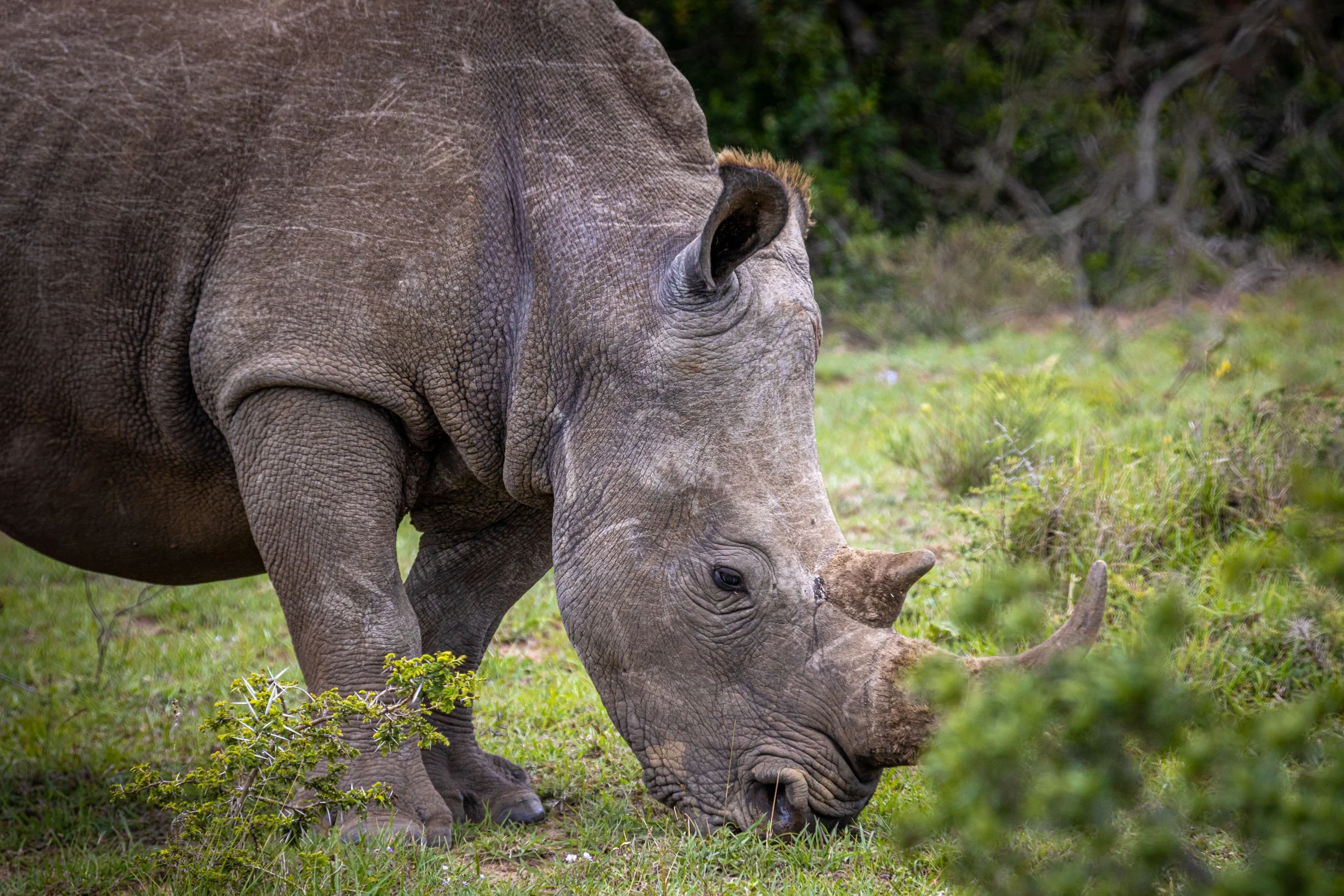
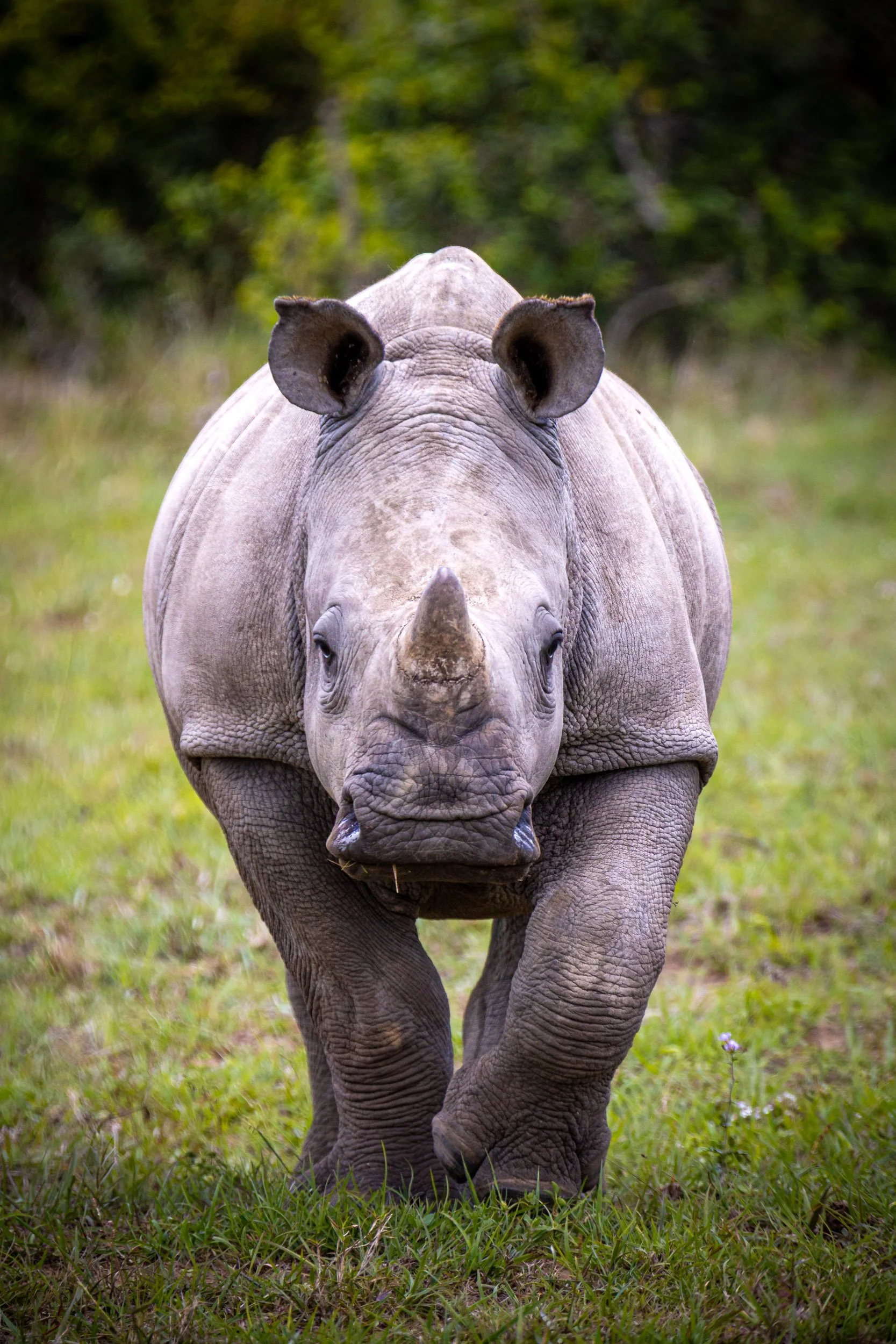
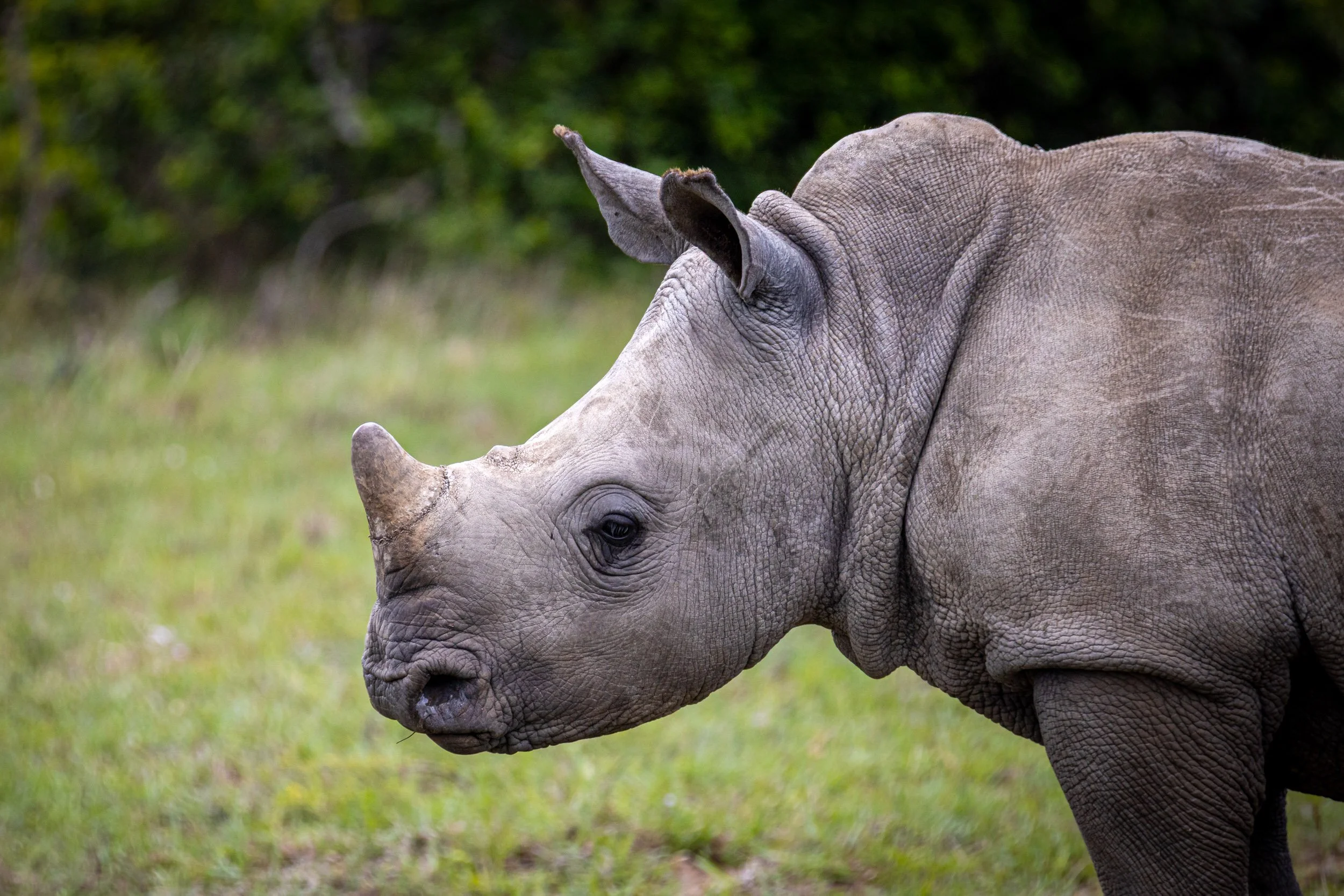
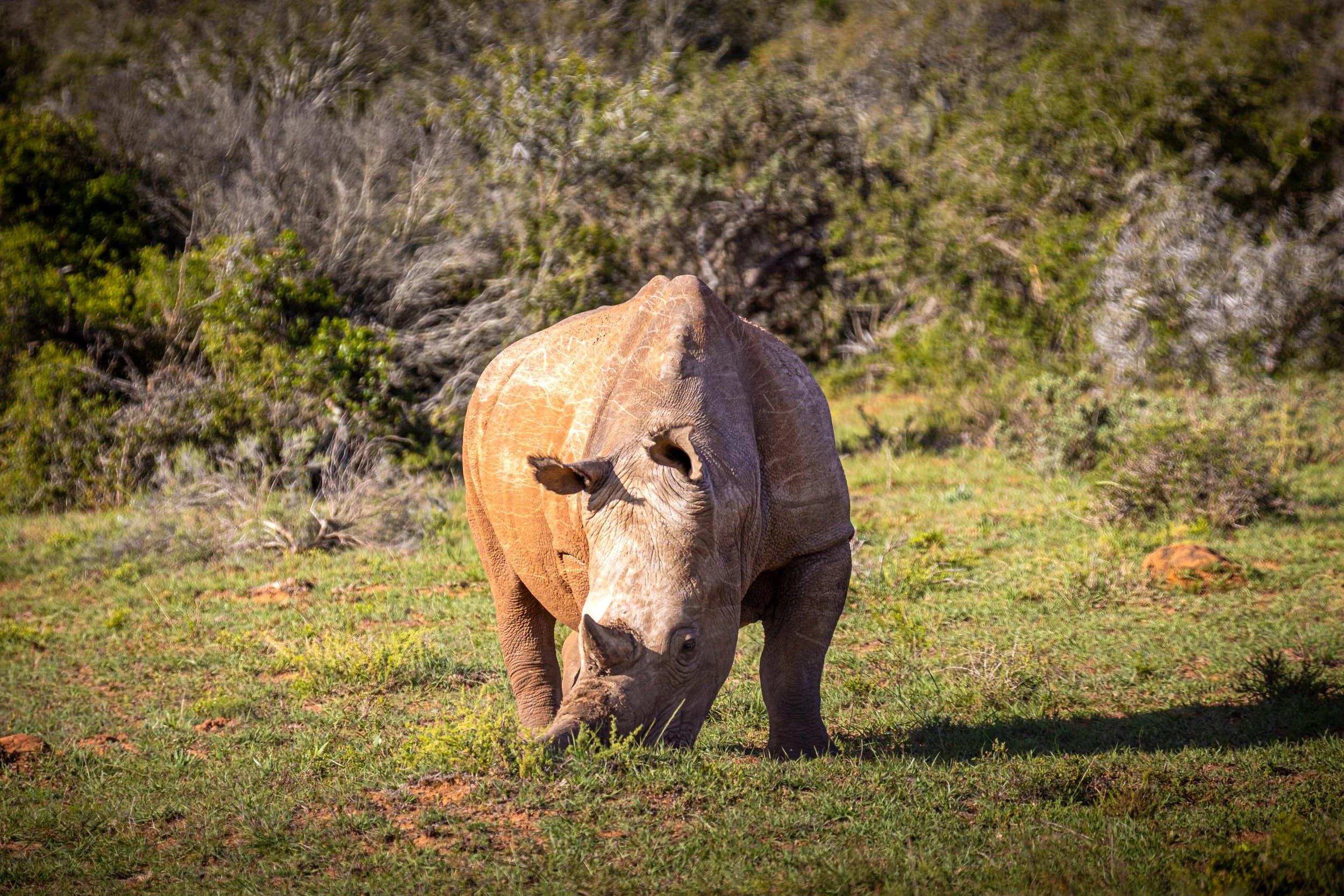
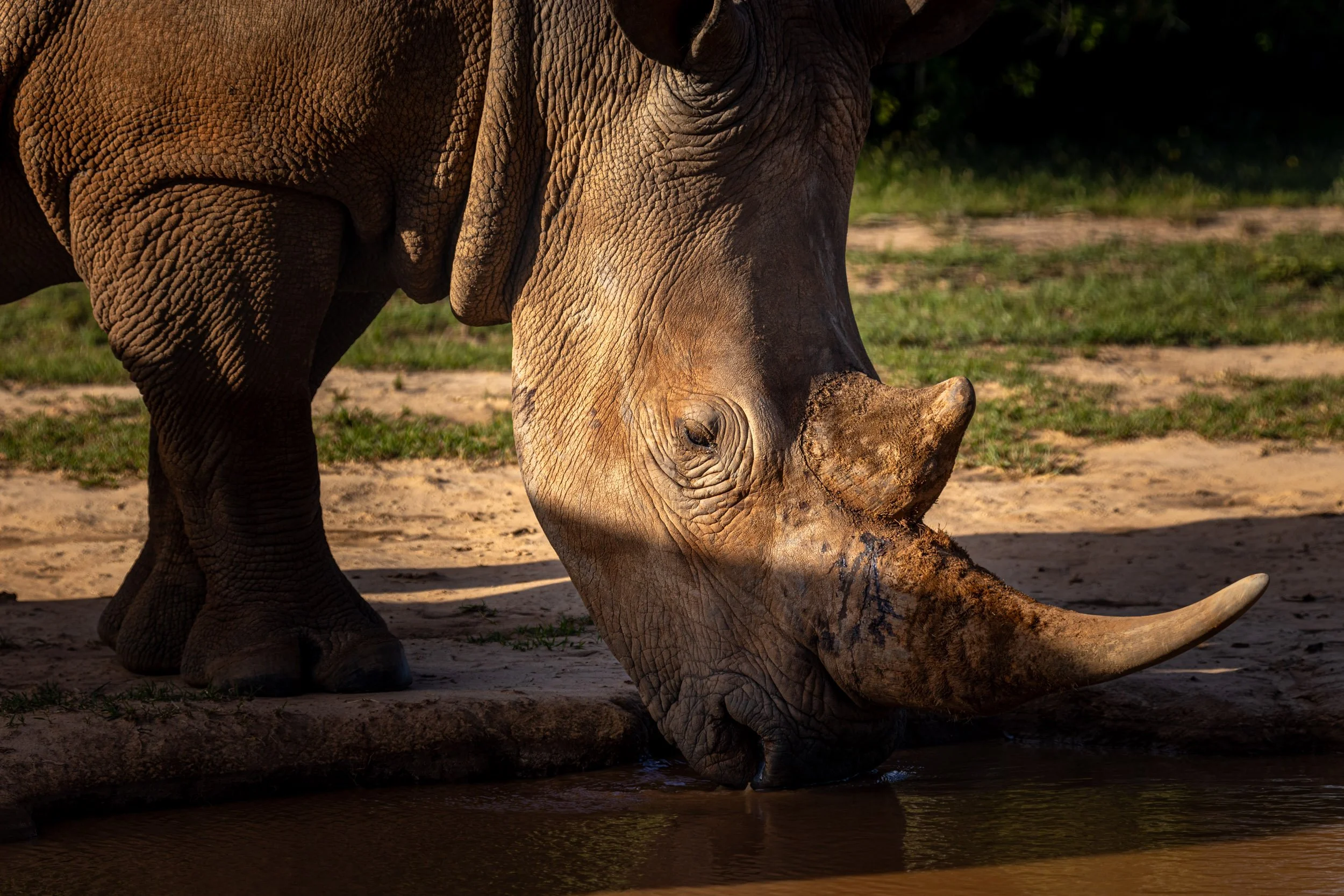
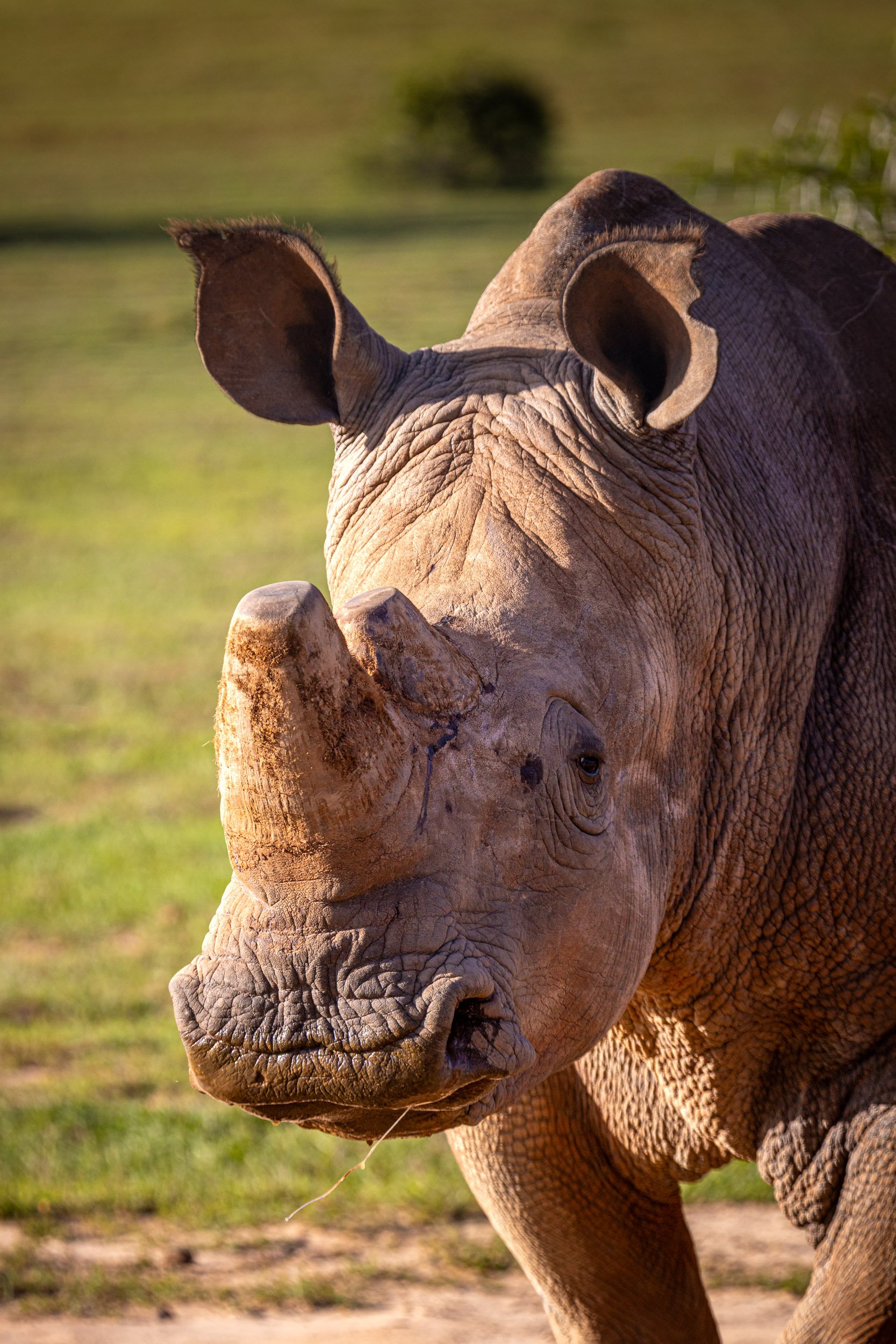
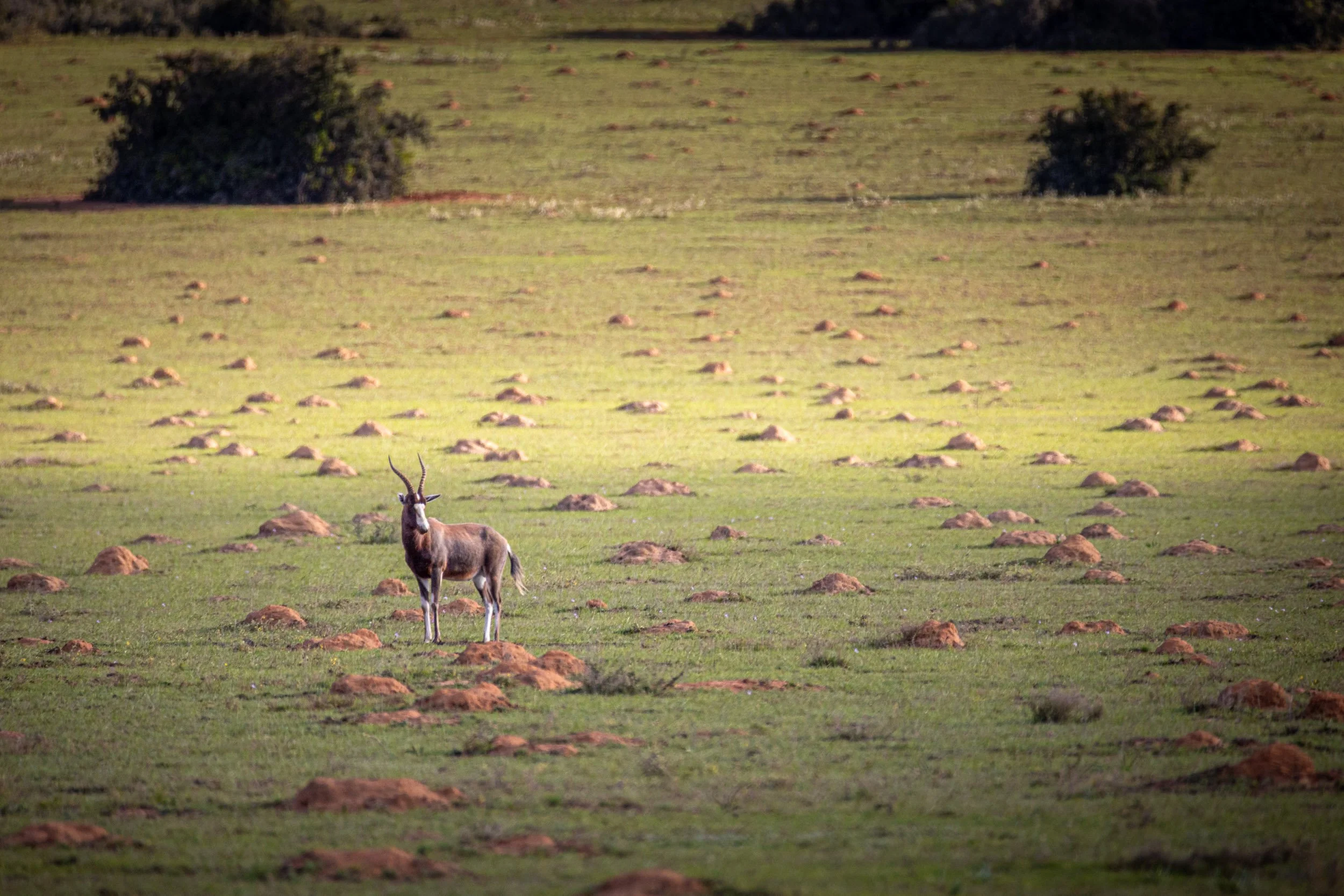
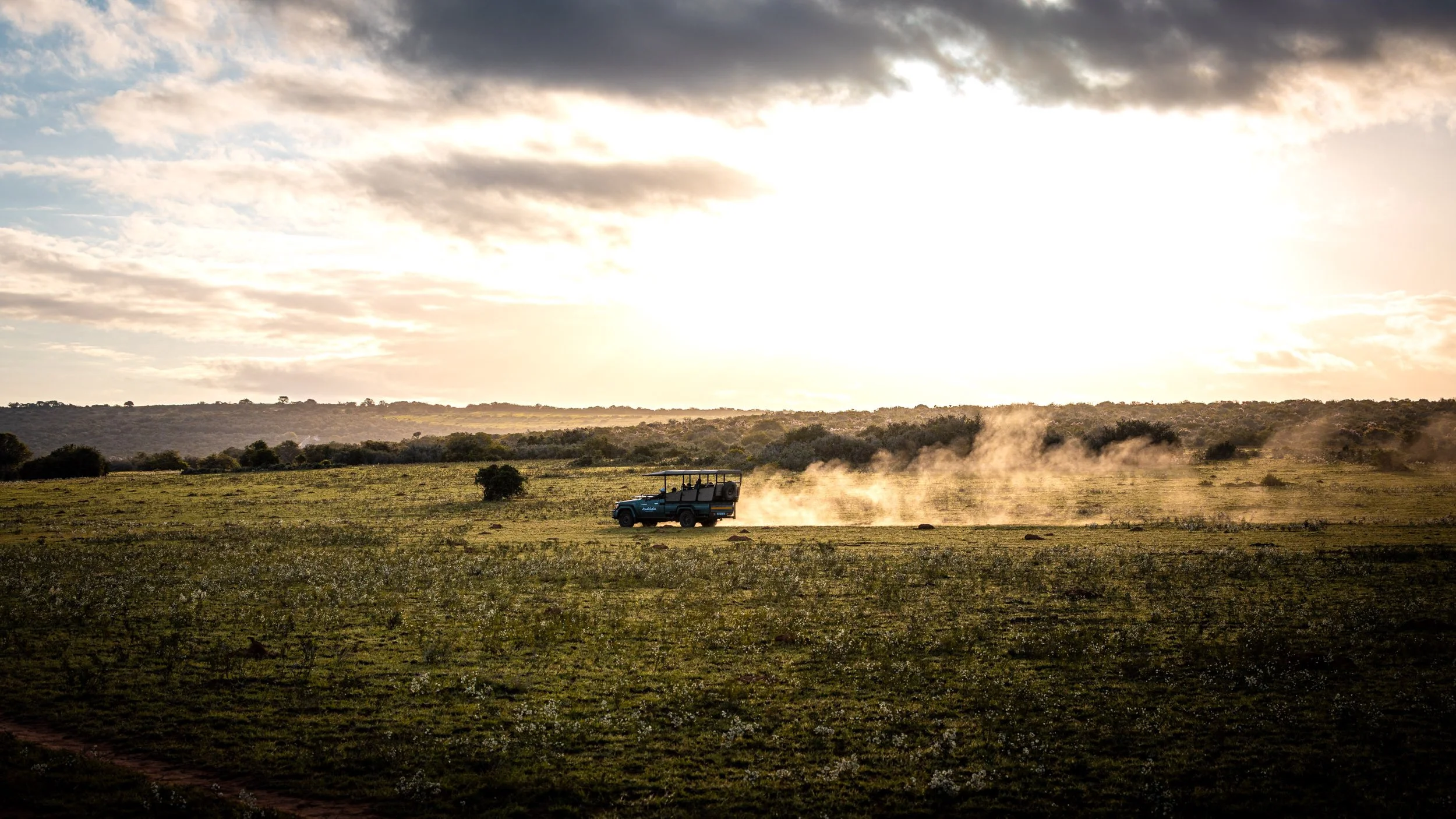
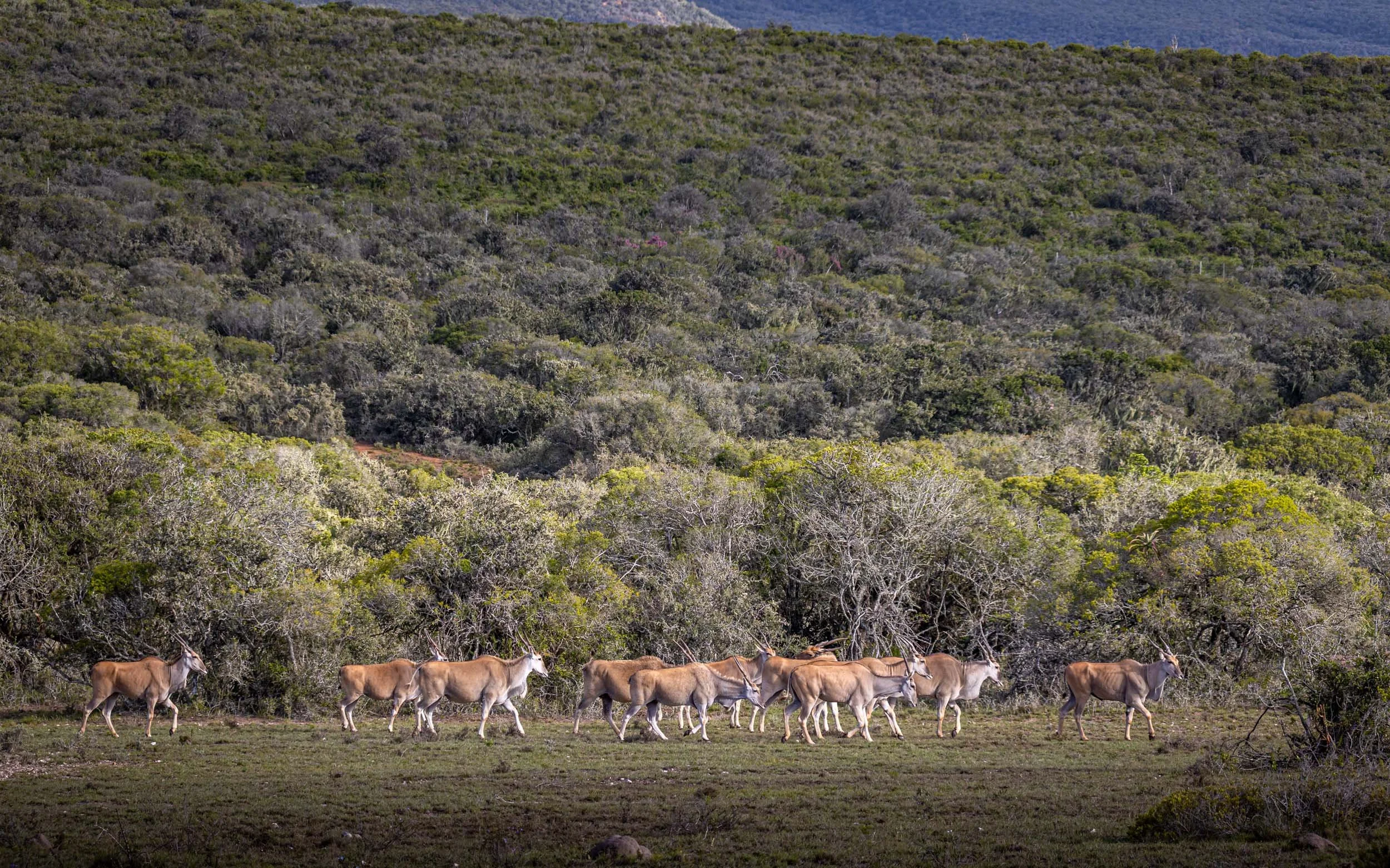
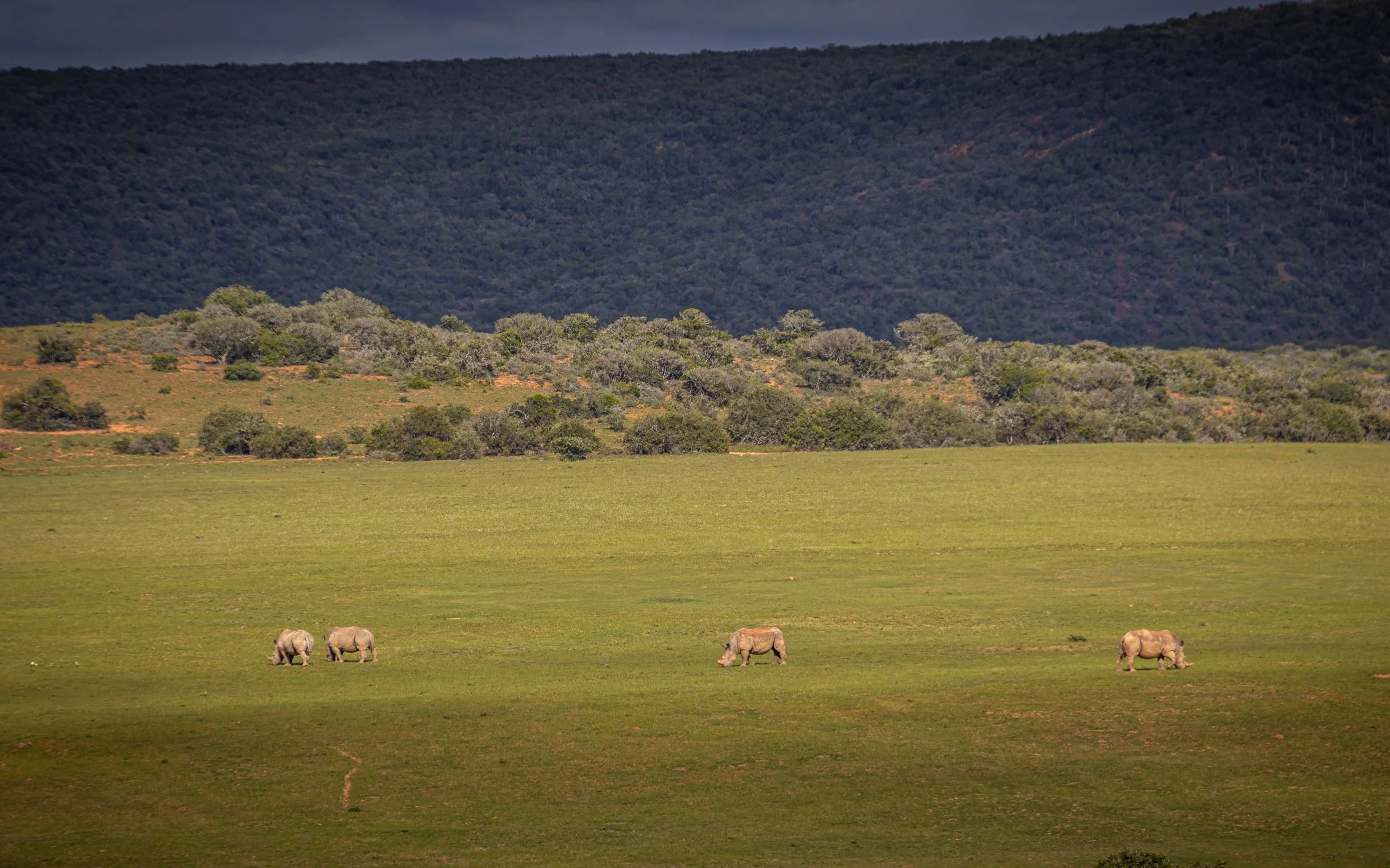
The next morning, we had an excellent breakfast (the food at the lodge was fantastic overall) and then joined a game drive. The landscape here is a bit more hilly and the roads narrower, which made the ride quite bumpy, but we still saw plenty of animals and beautiful scenery. Among them were five rhinos, including a baby. Afterwards, we enjoyed a generous lunch and spent the afternoon relaxing by the pool after the exhausting first days.
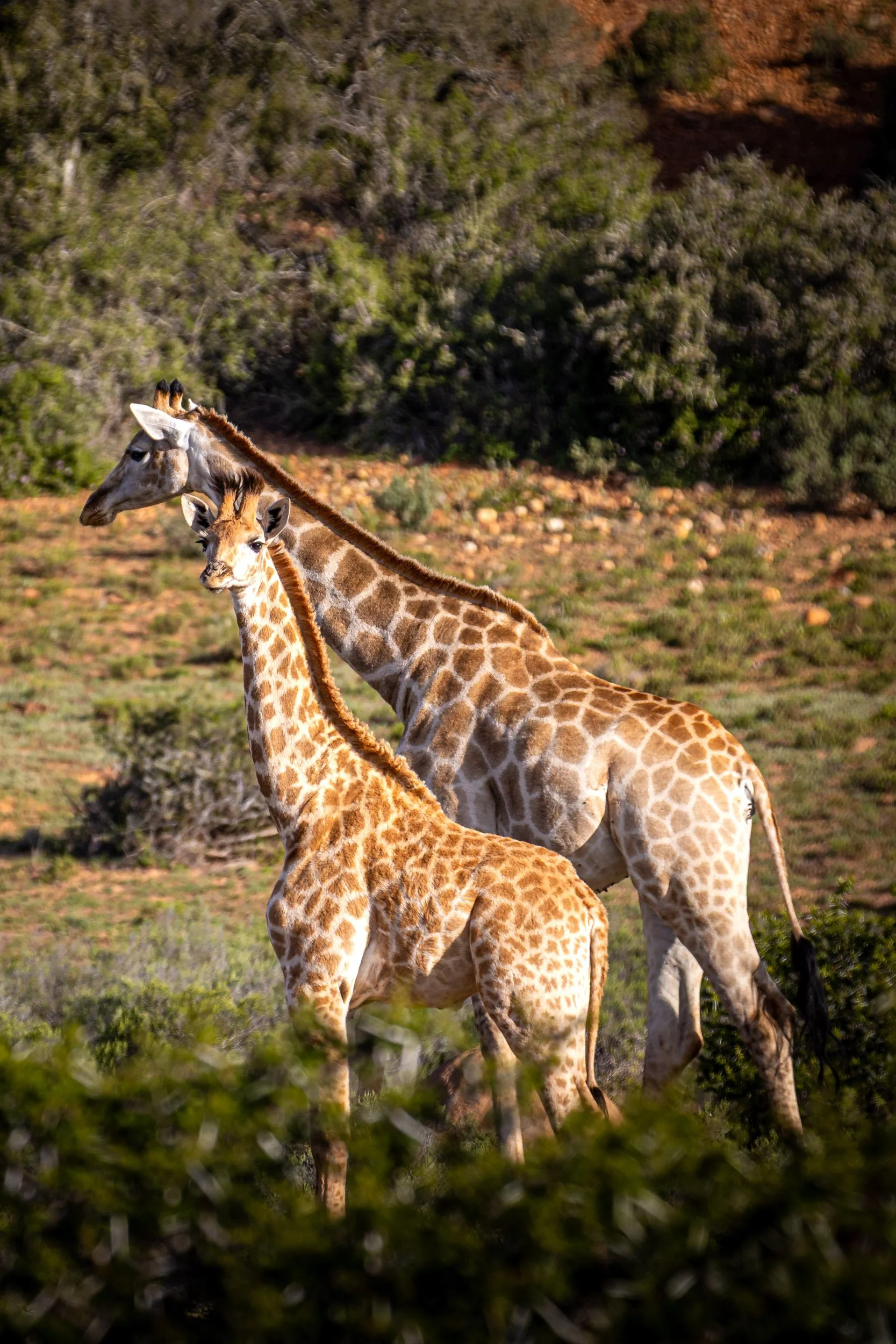
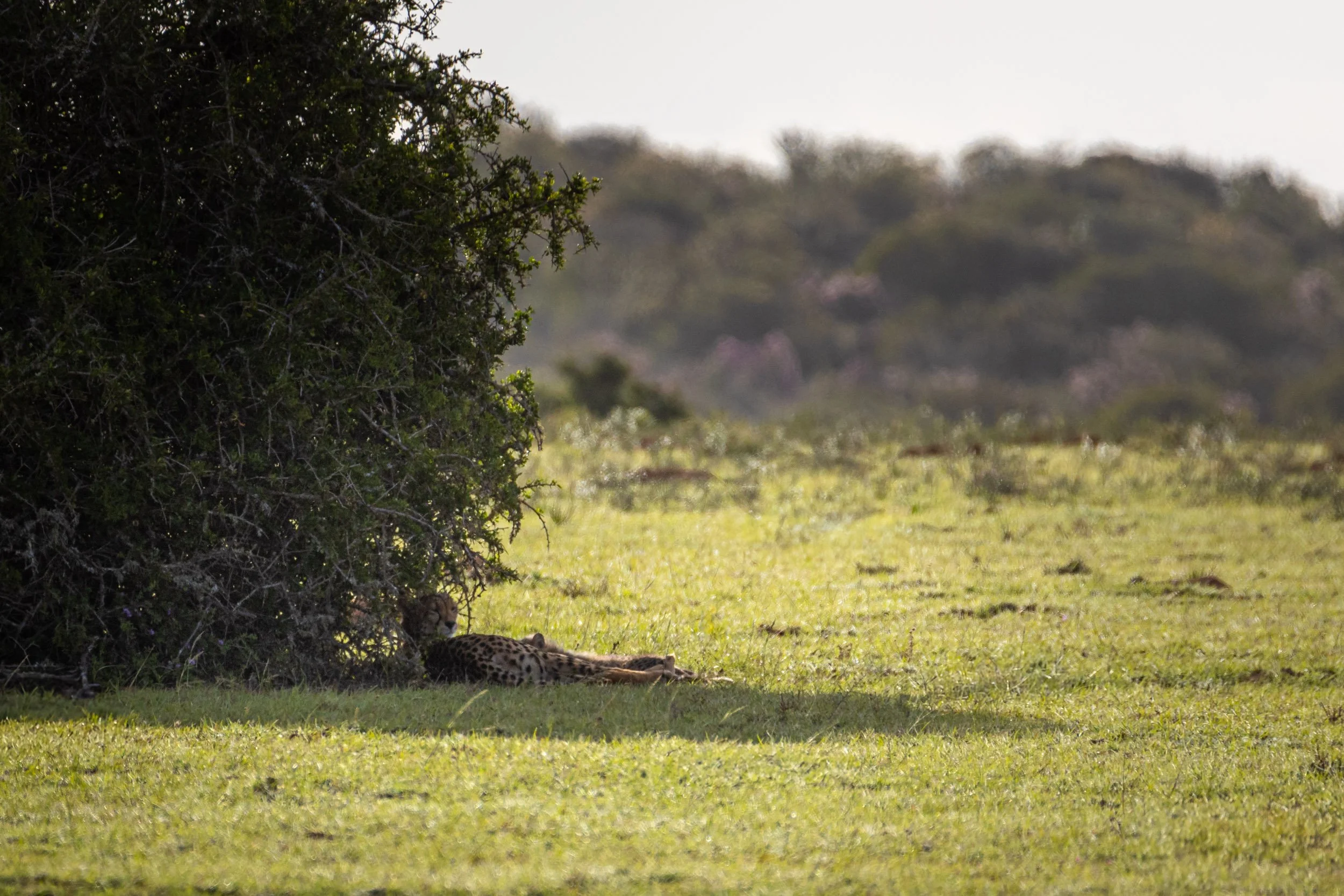
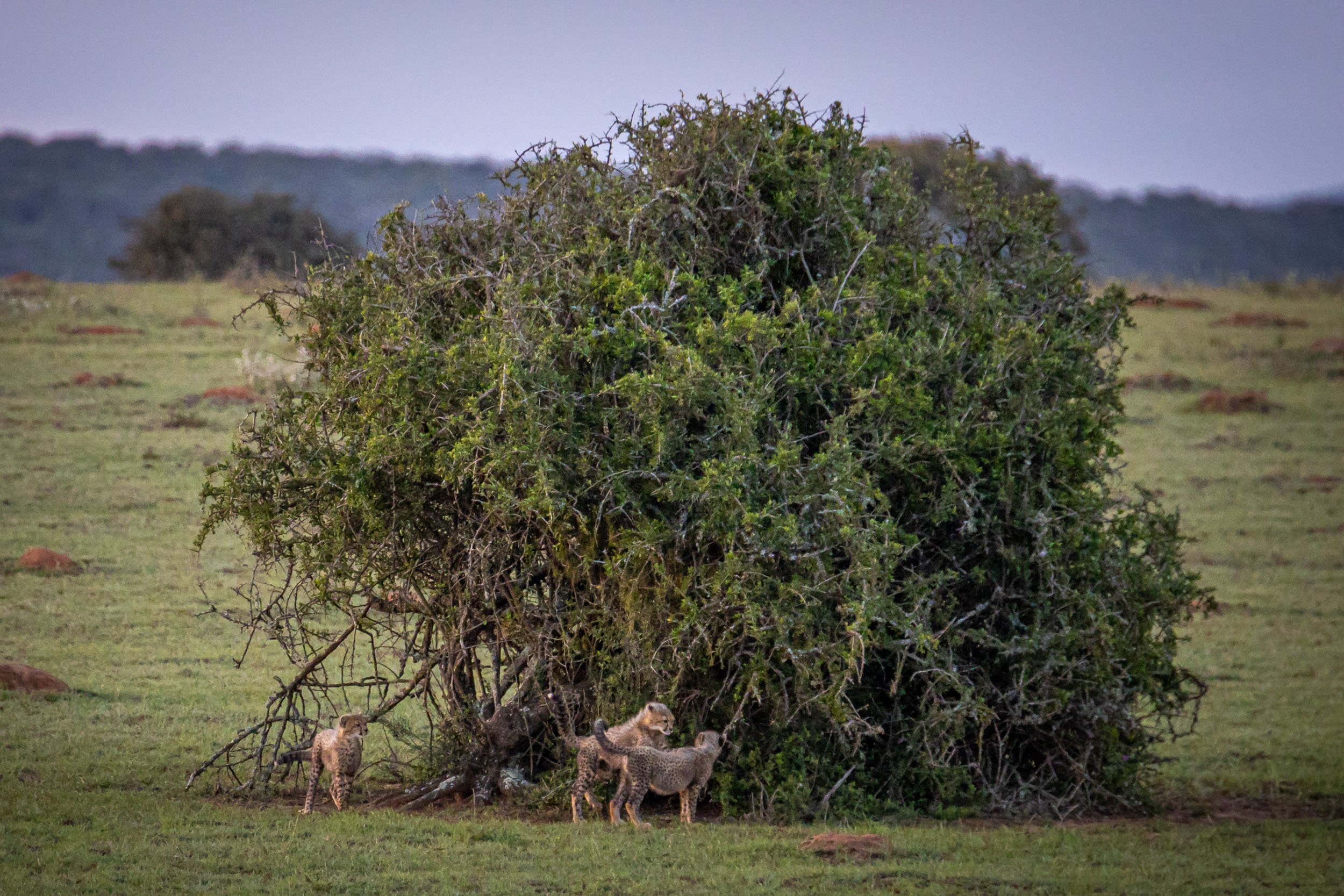
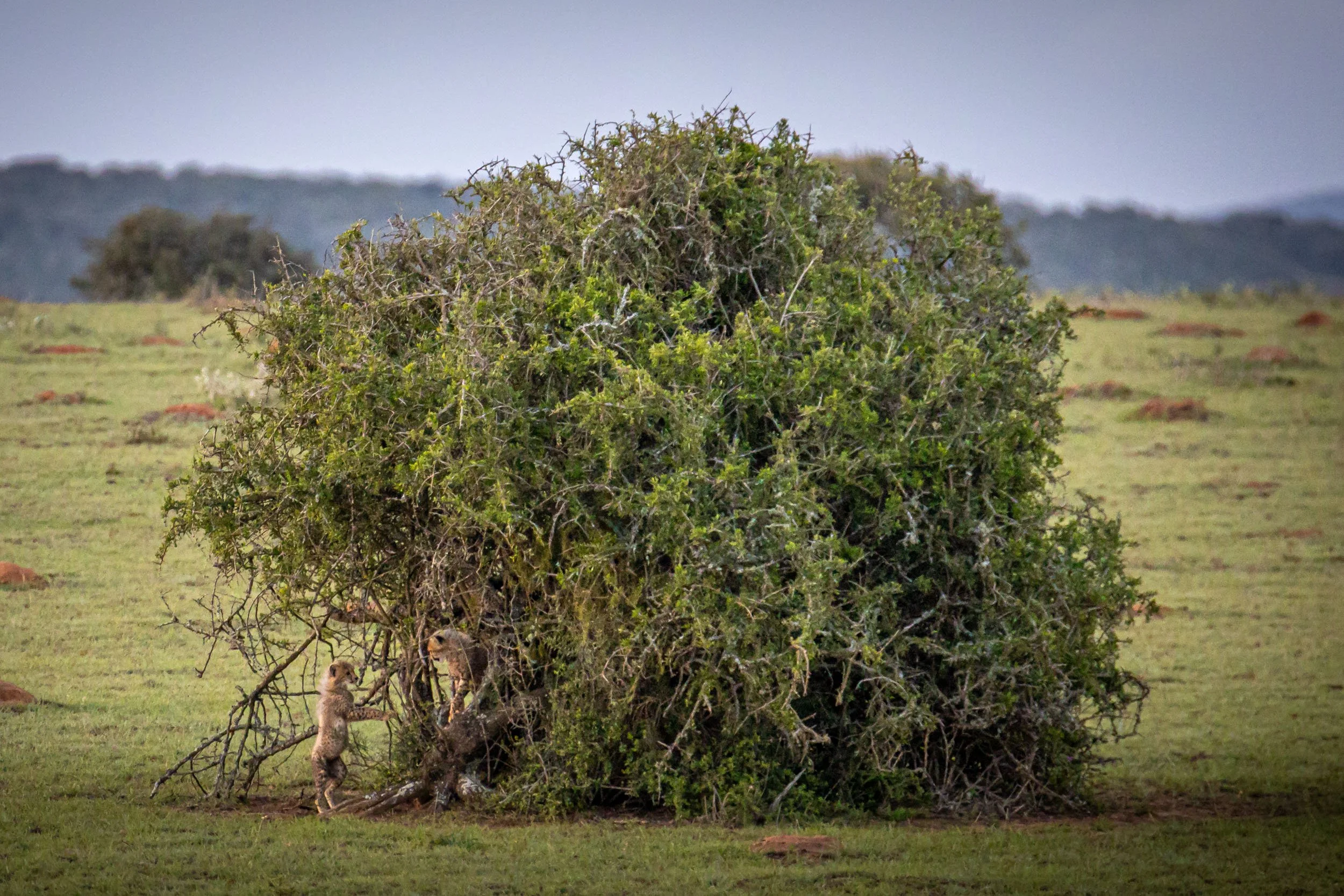
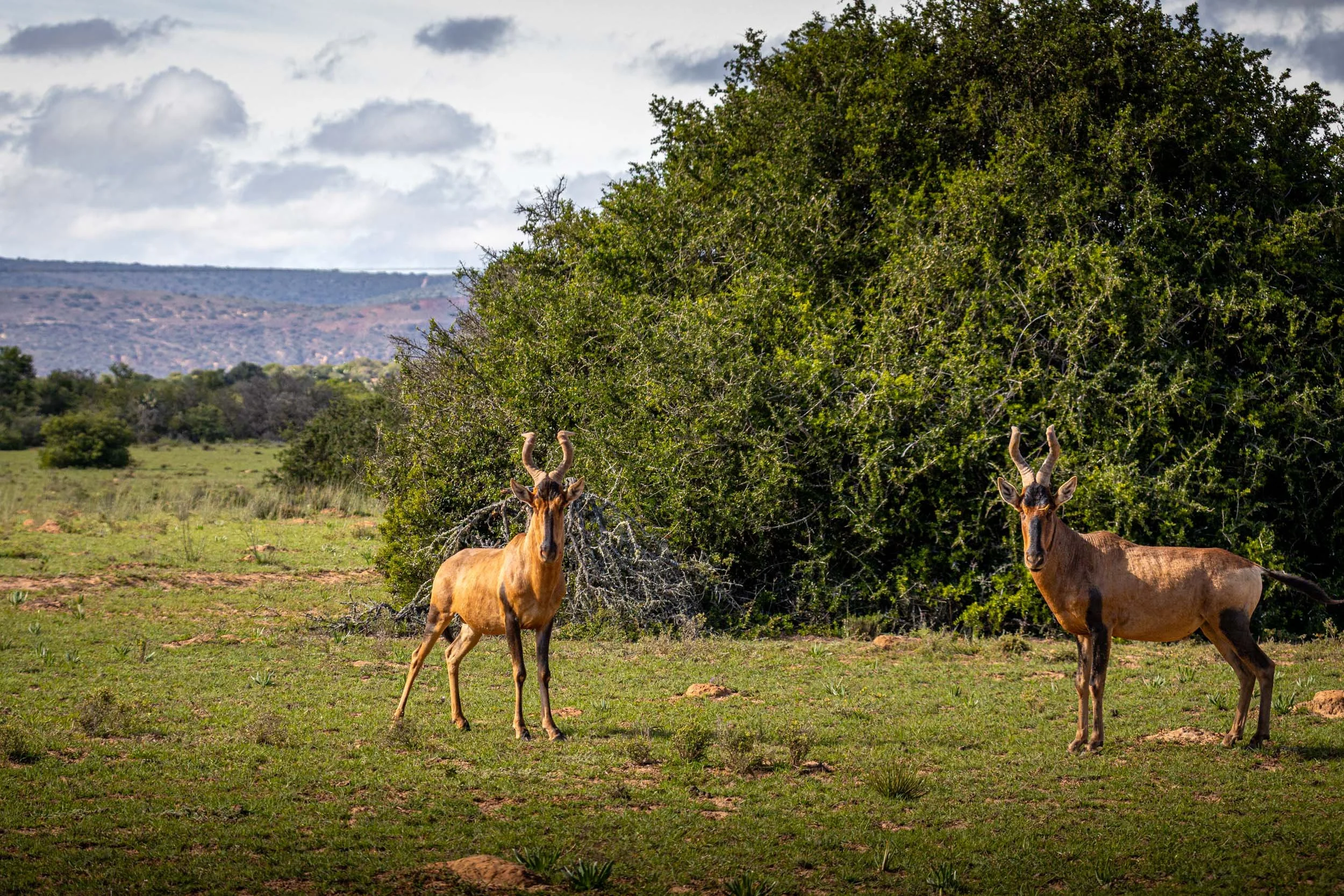
In the afternoon, I joined another game, this time on the other part of the reserve, which is separated by a road. Again, there were new animals to discover, including baby giraffes and a cheetah mother with three little cubs playing together. At one point, we stopped at a safe spot for a sundowner. It was a wonderfully successful game drive and motivated me to book another one for the next morning at 6 a.m.
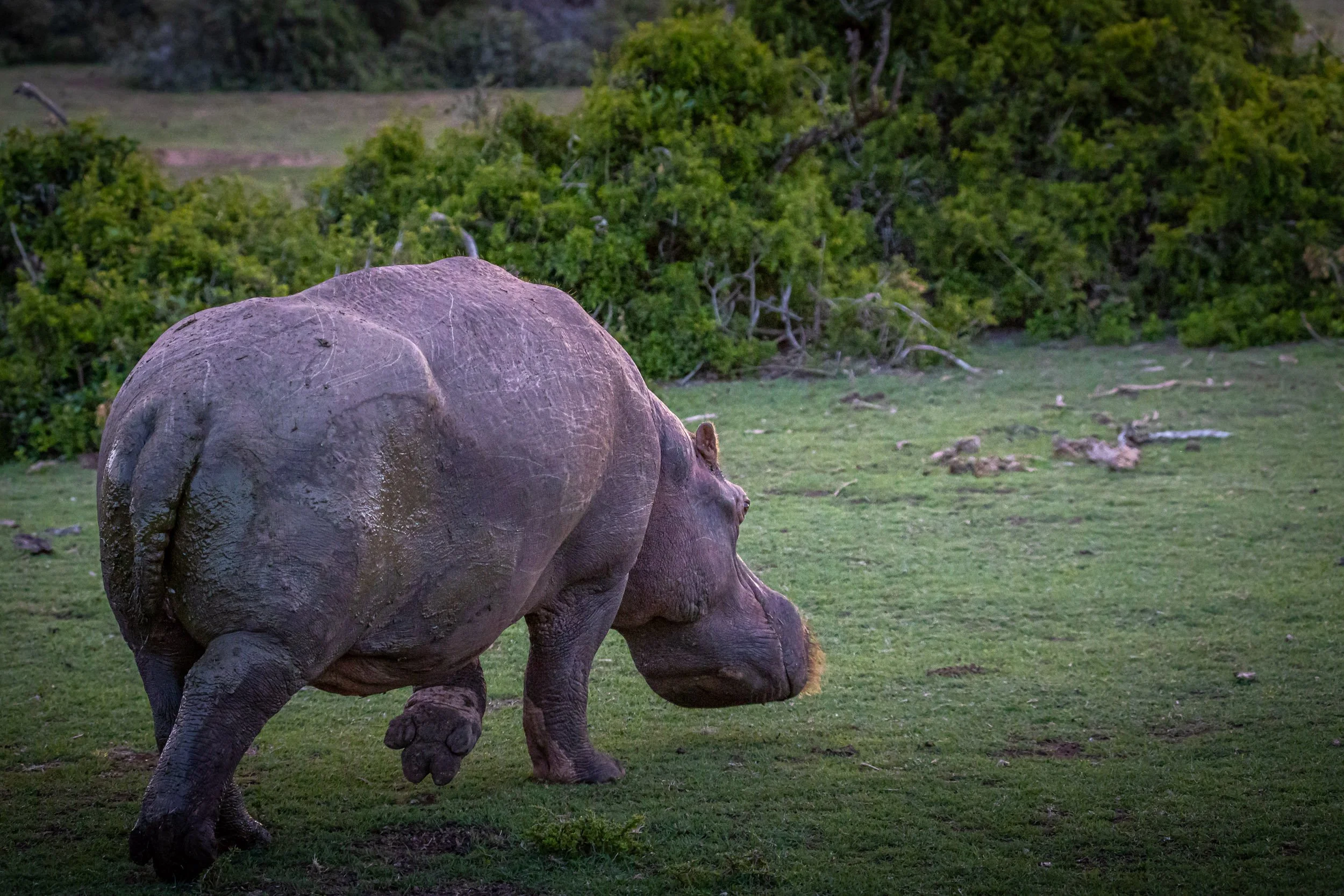
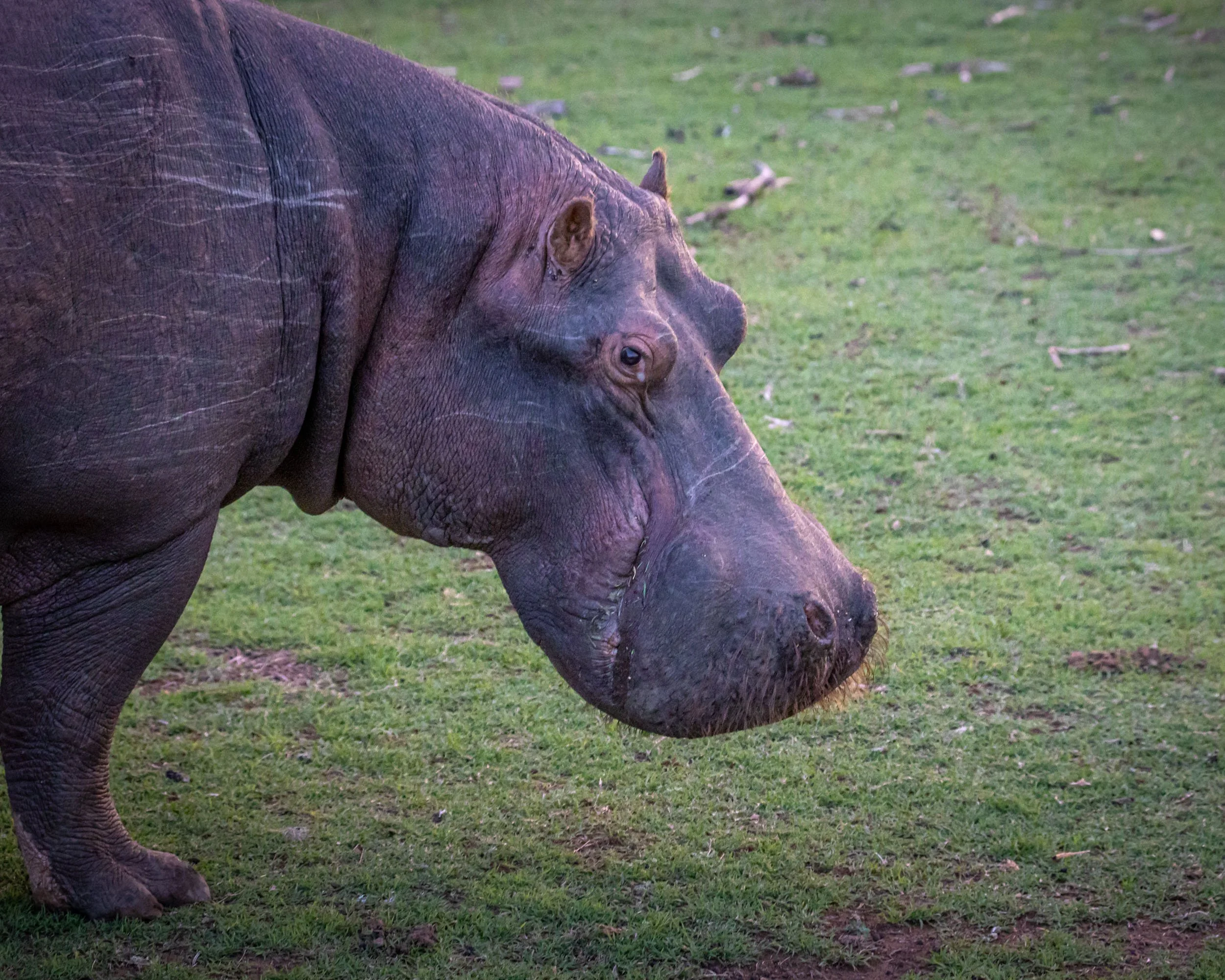
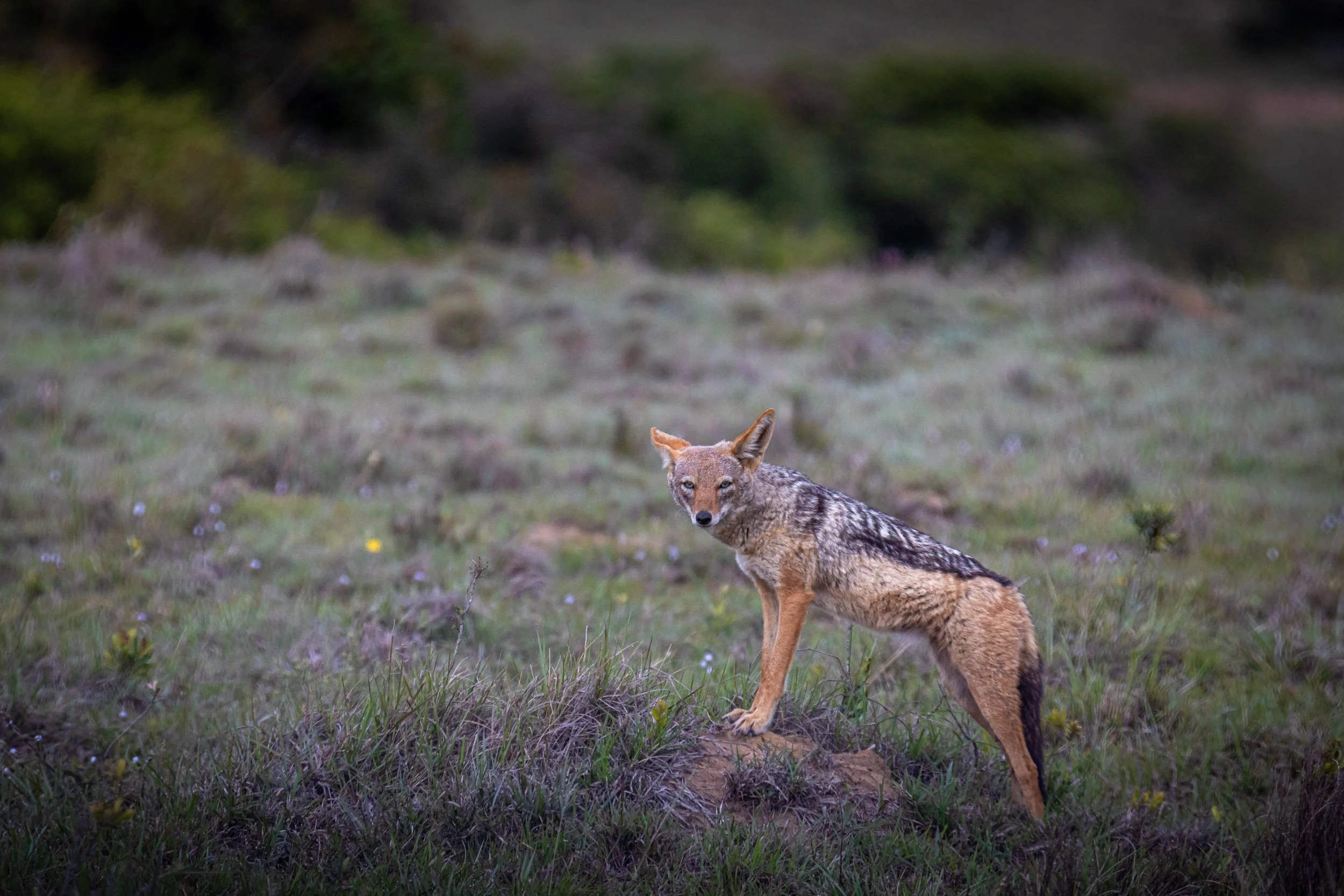
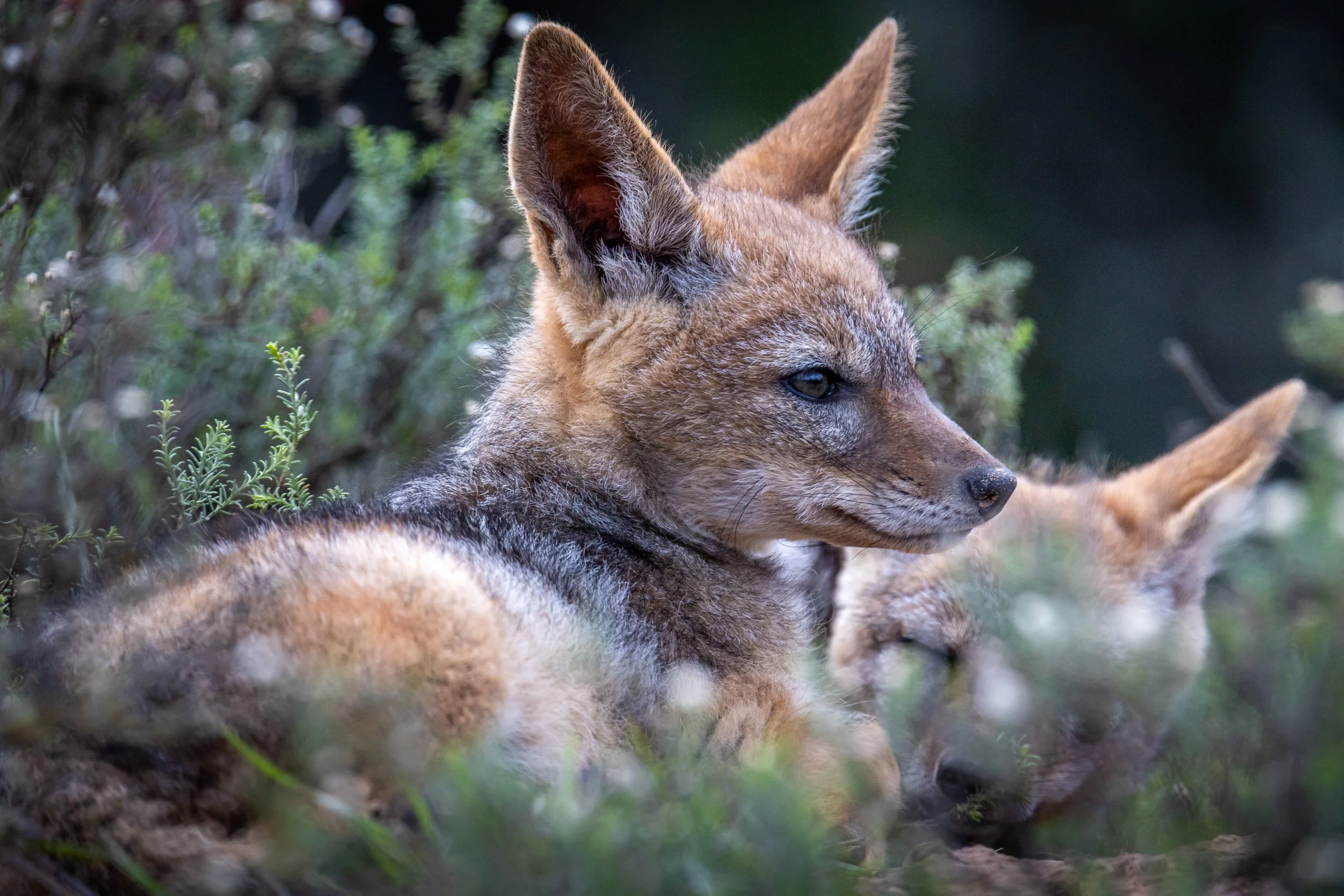
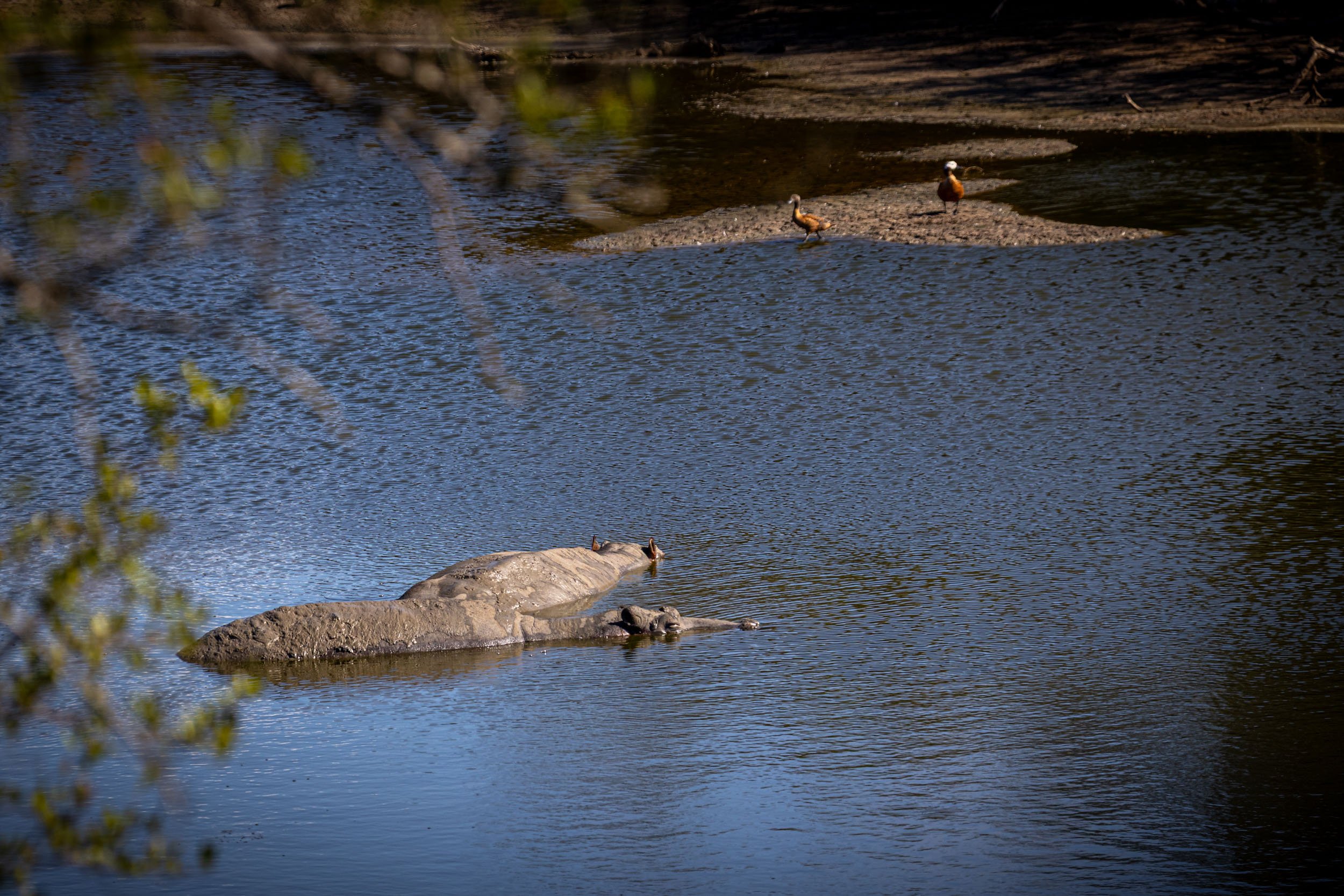
It turned out the same group joined again, and we had hoped to see the cheetahs once more, but unfortunately that didn’t happen. Instead, we spotted hippos, baby jackals, and a few other animals. In the end, another group reported a lion sighting, so we rushed over, but arrived a bit too late to get a good view. Still, it was exciting to try — and the game drive lasted much longer than originally planned.
After another fantastic breakfast, we packed up, checked out, and made our way to the Fernery & Lodge near Tsitsikamma National Park.






Tsitsikamma National Park
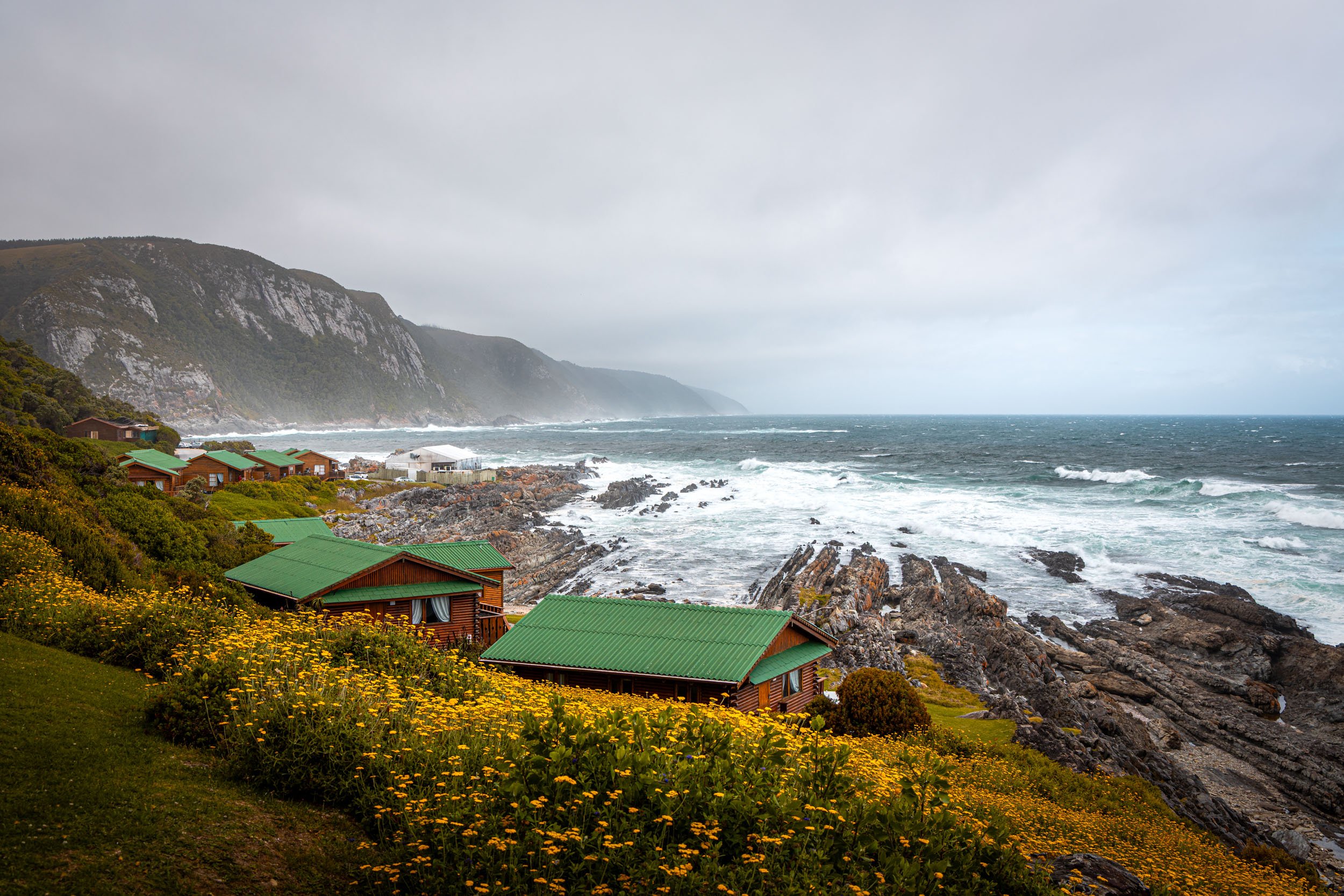
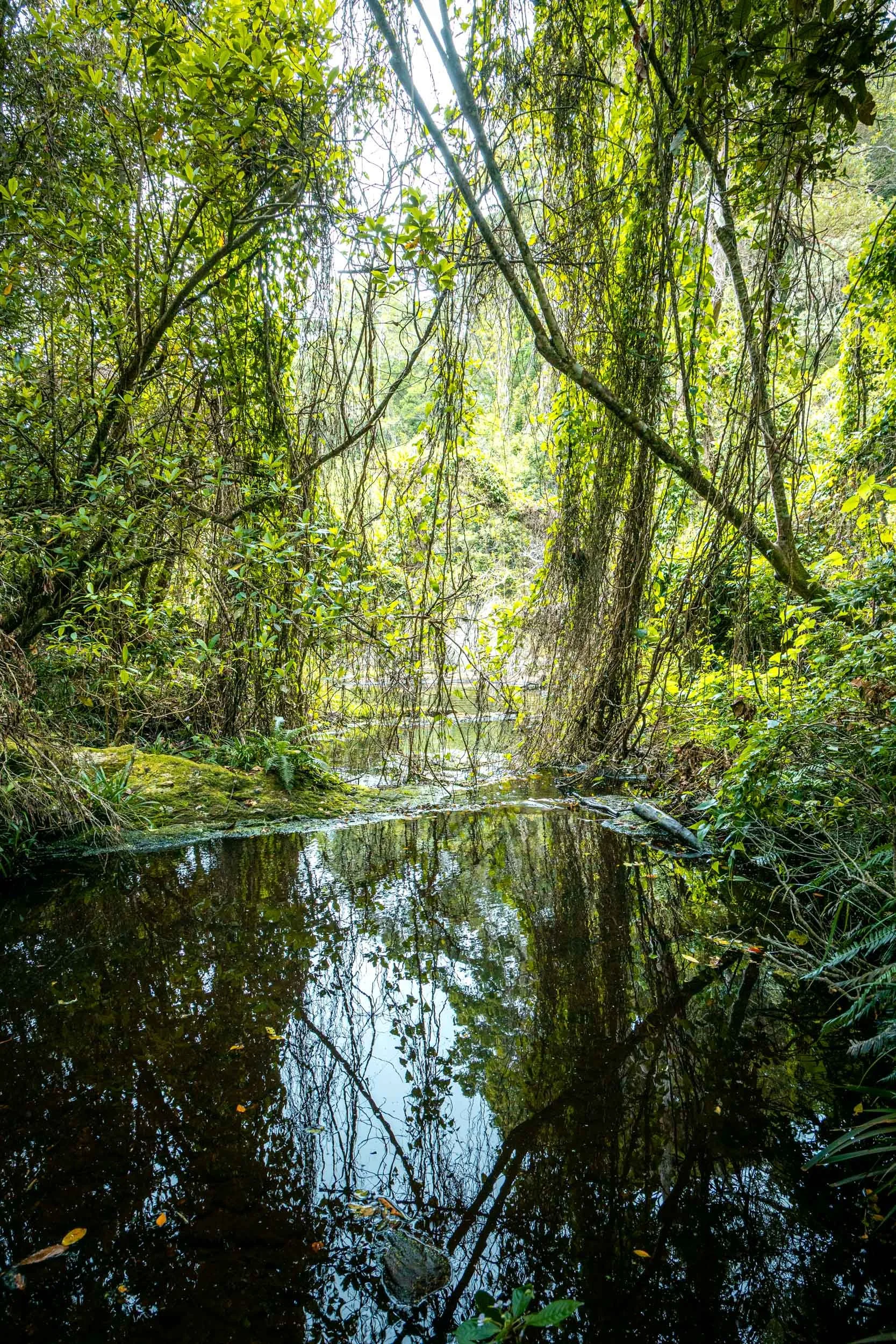
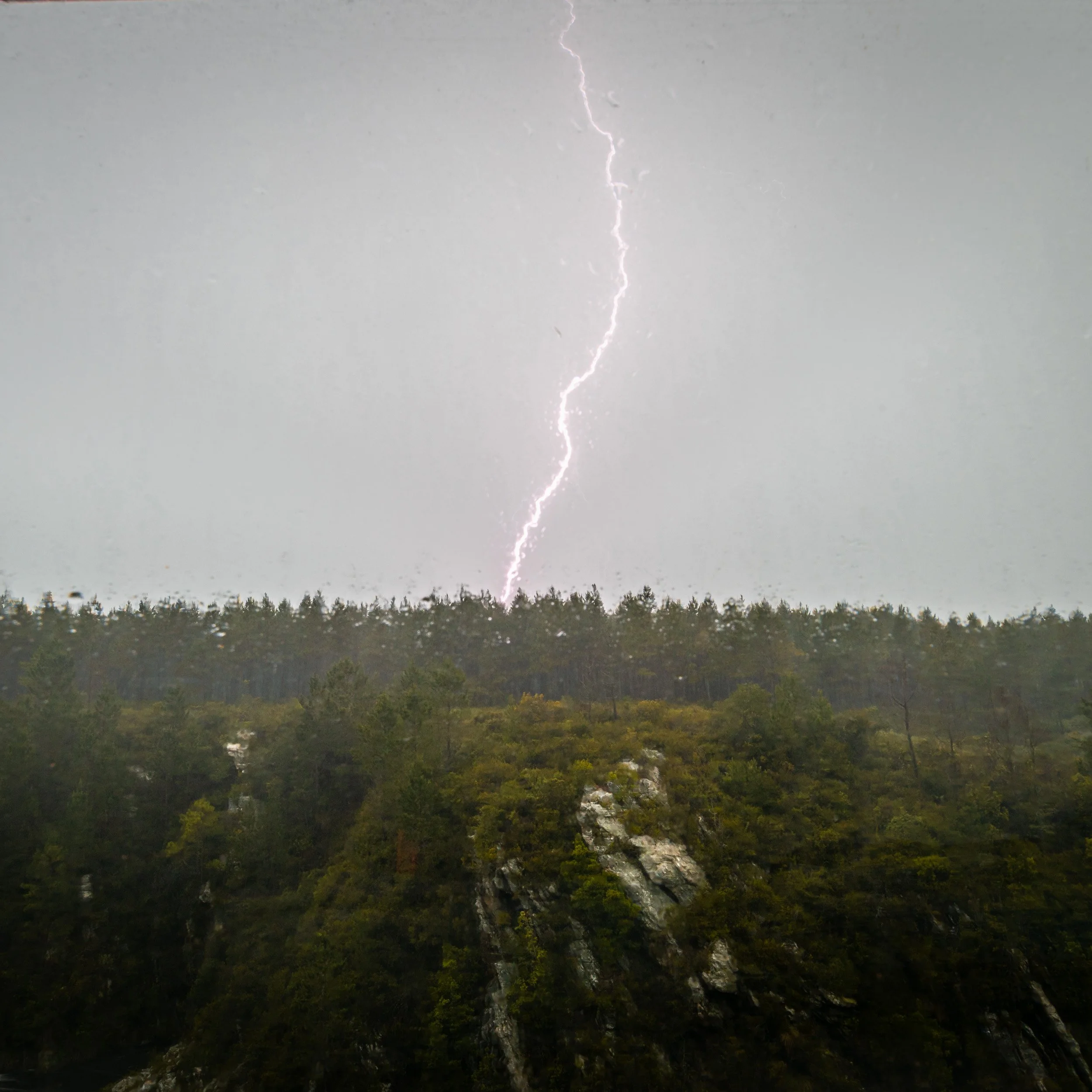
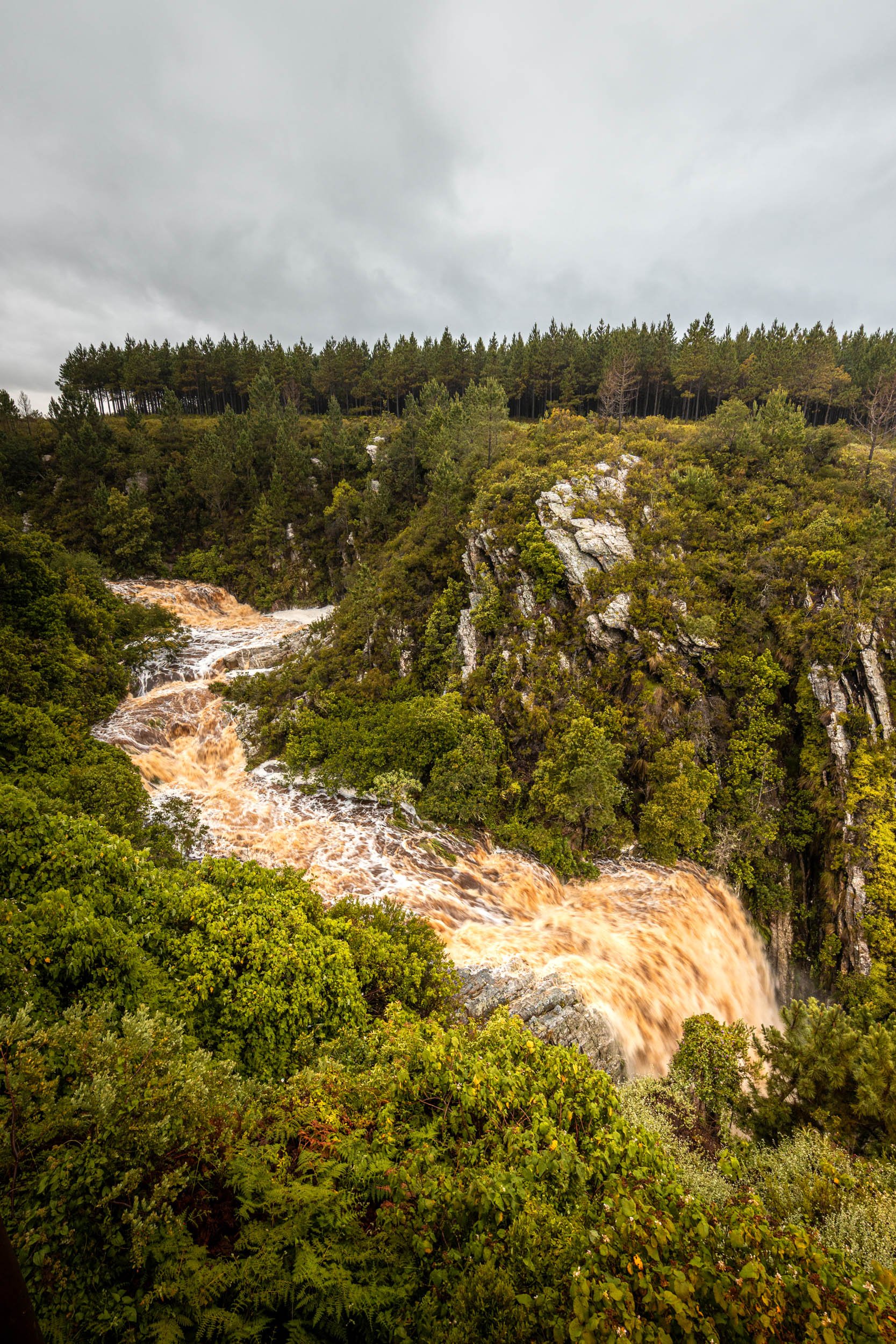
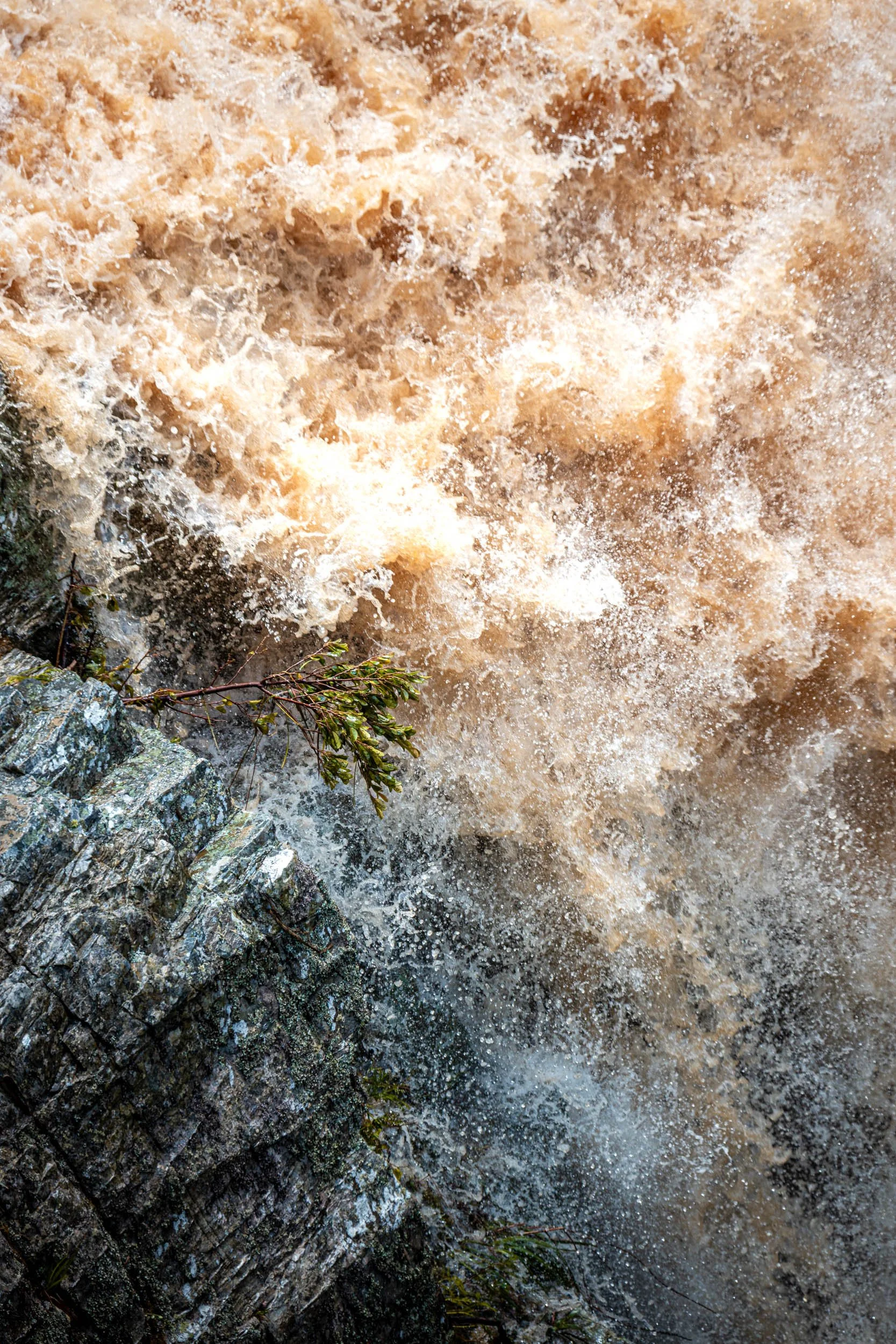
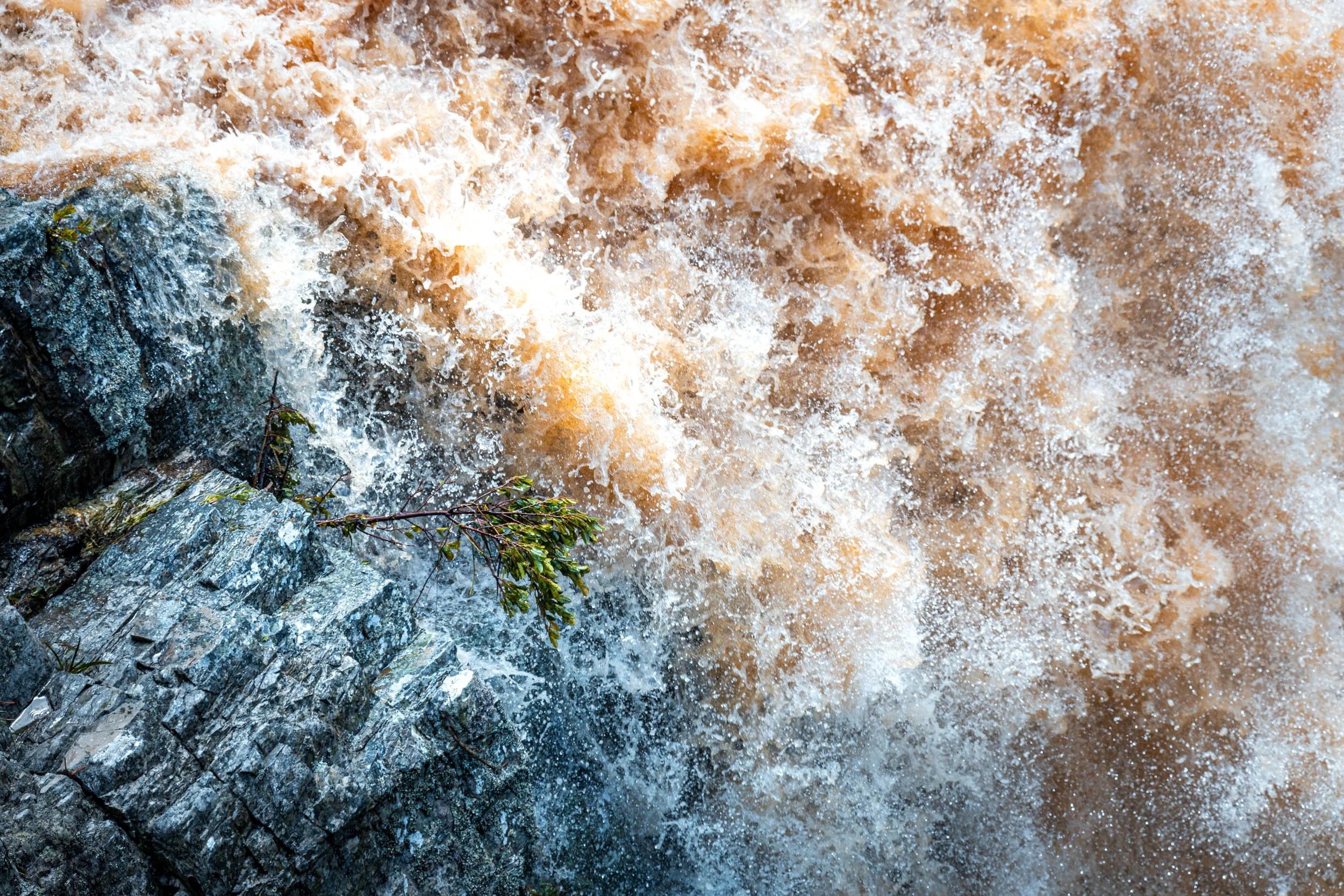
The drive to Tsitsikamma National Park was mostly uneventful, but the last 6 km to the lodge were quite something. A gravel road with a few potholes, which normally wouldn’t have been a big issue — but the heavy rain and thunderstorms that rolled in made the road much more challenging and partially flooded in some places.
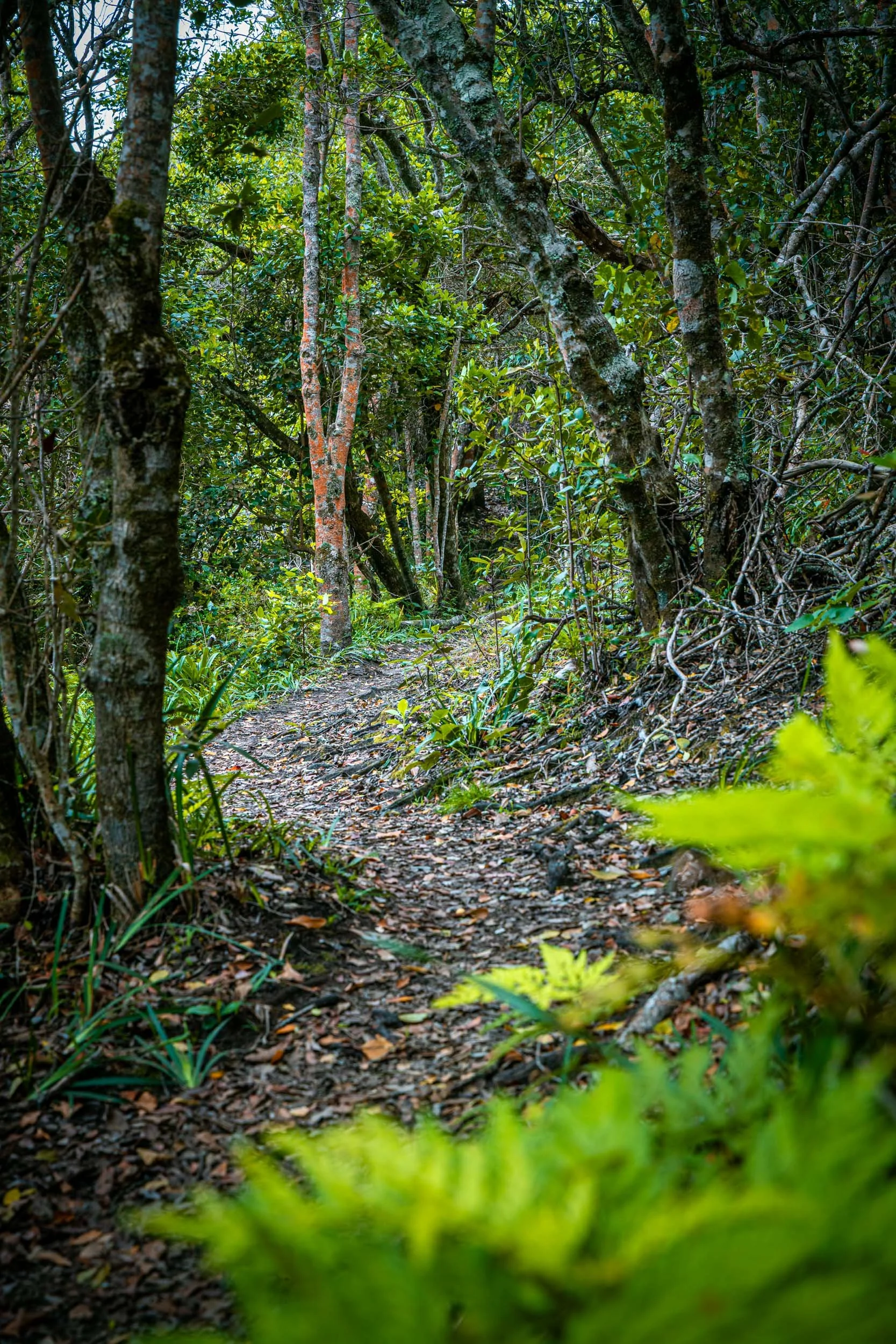
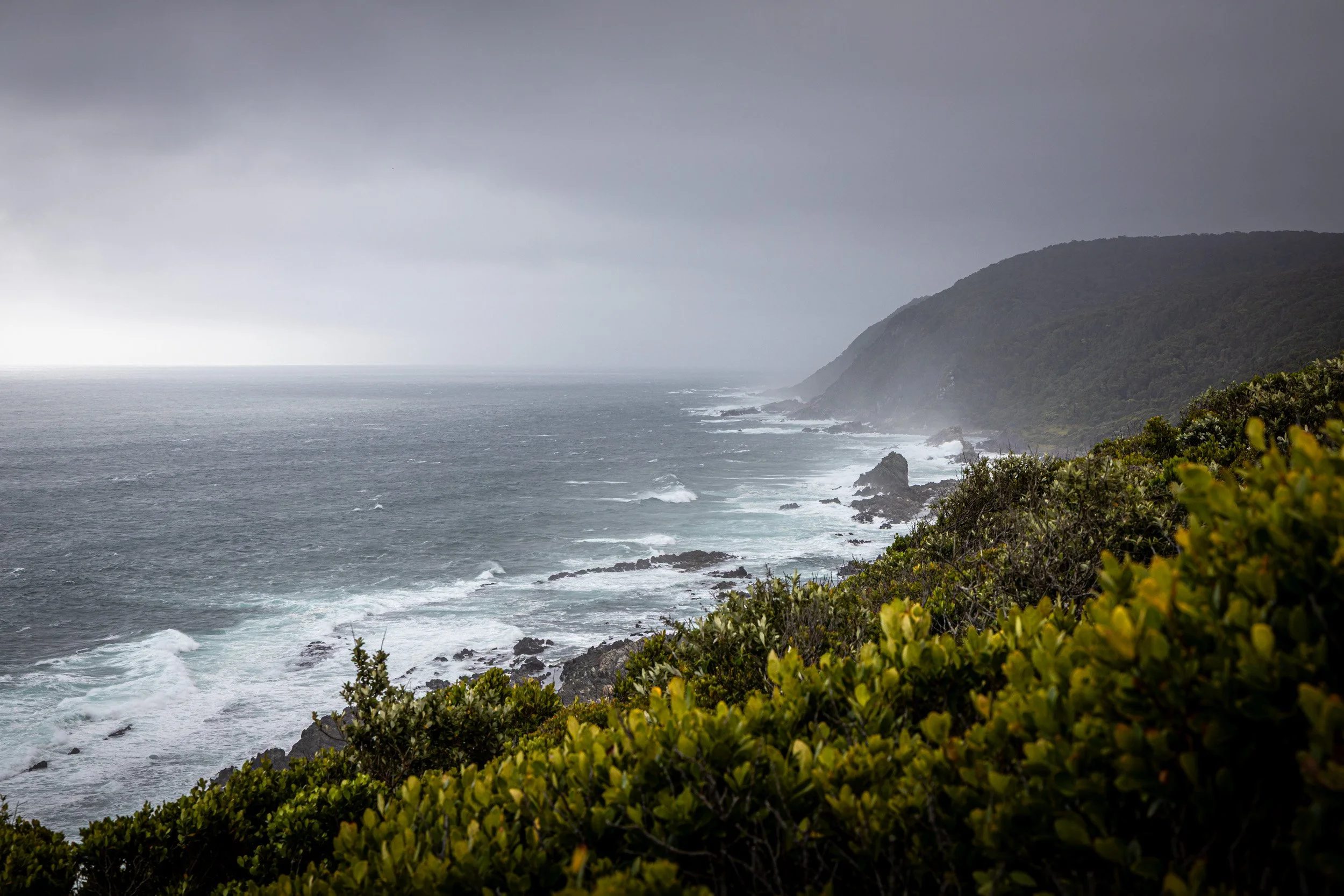
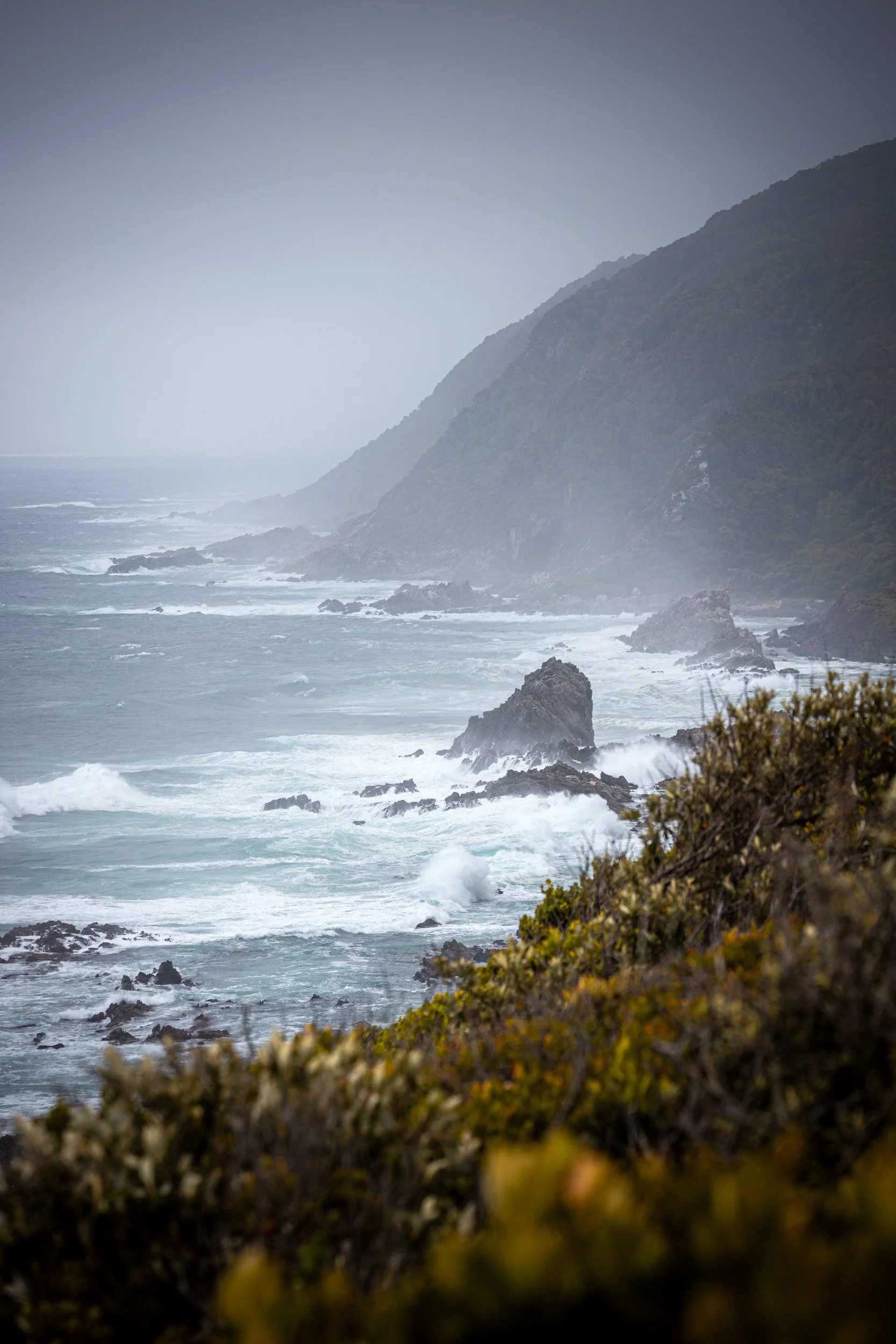
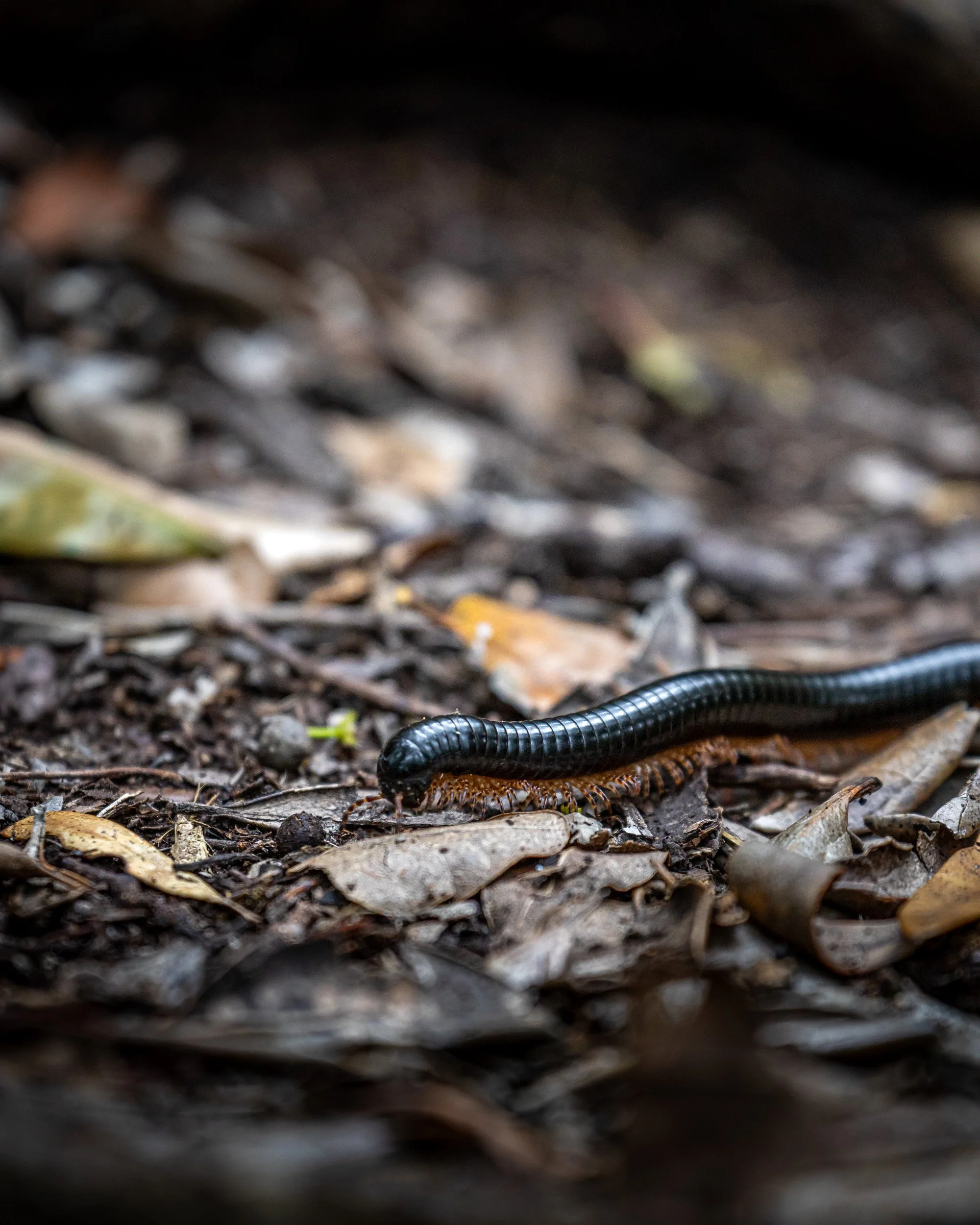
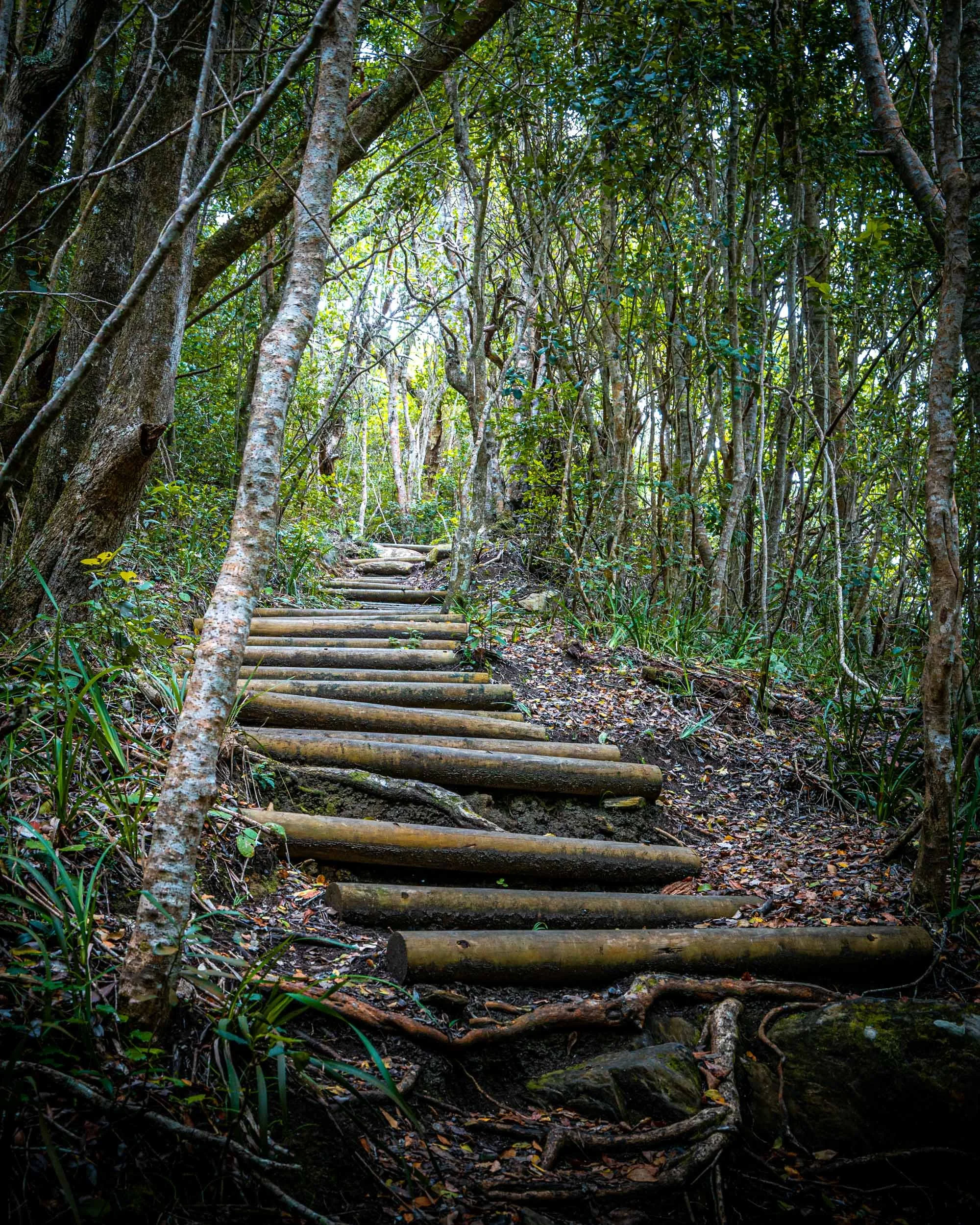
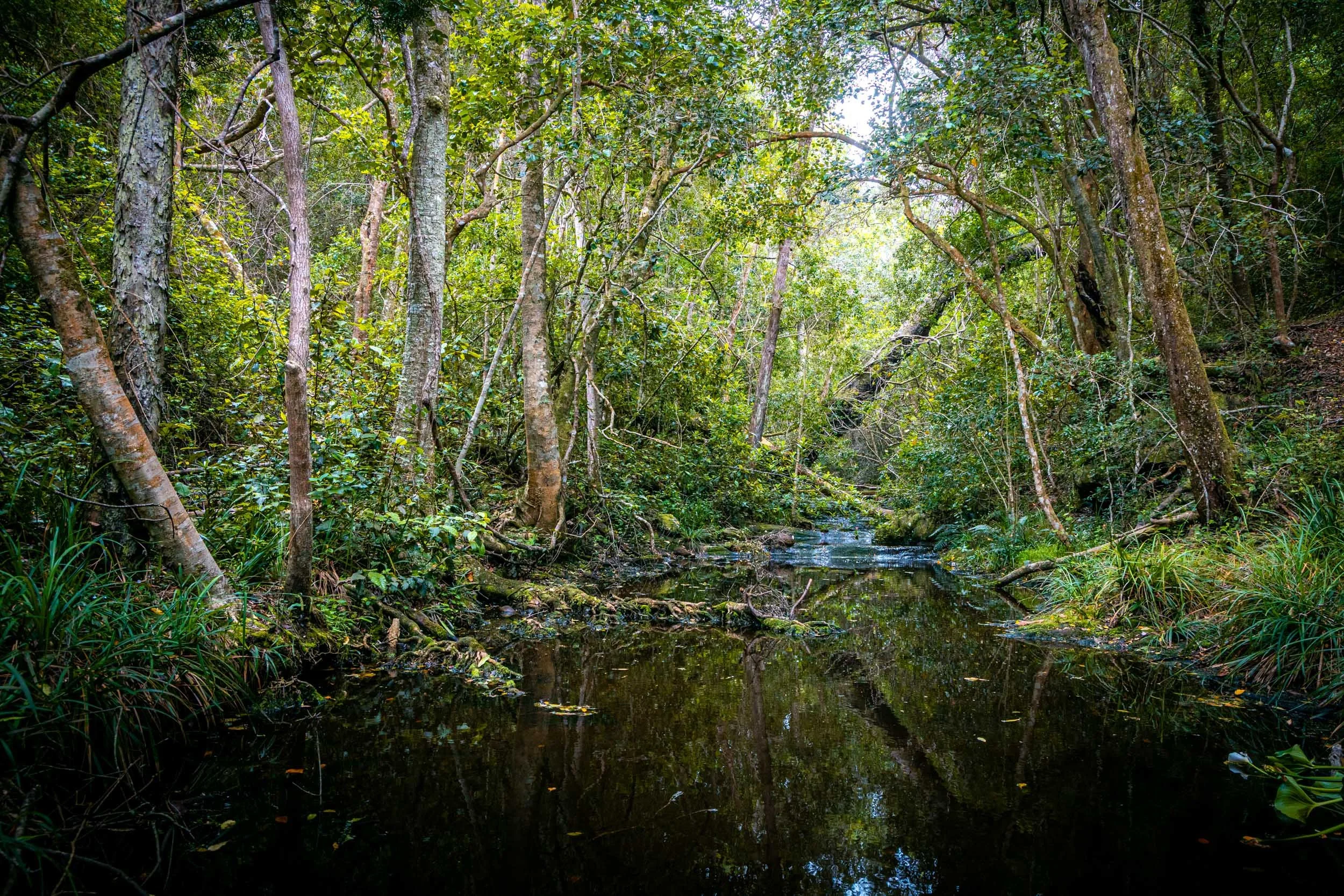
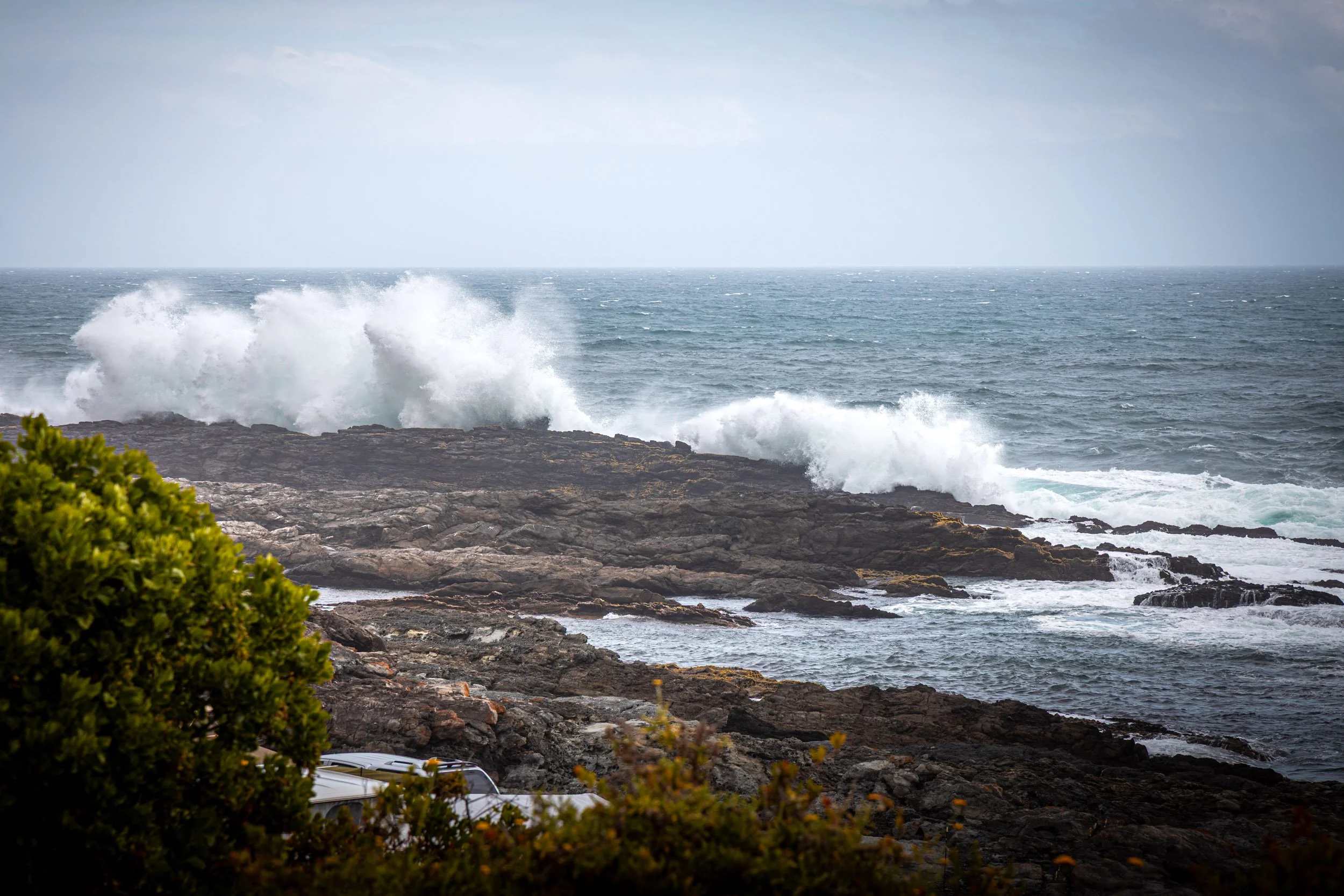
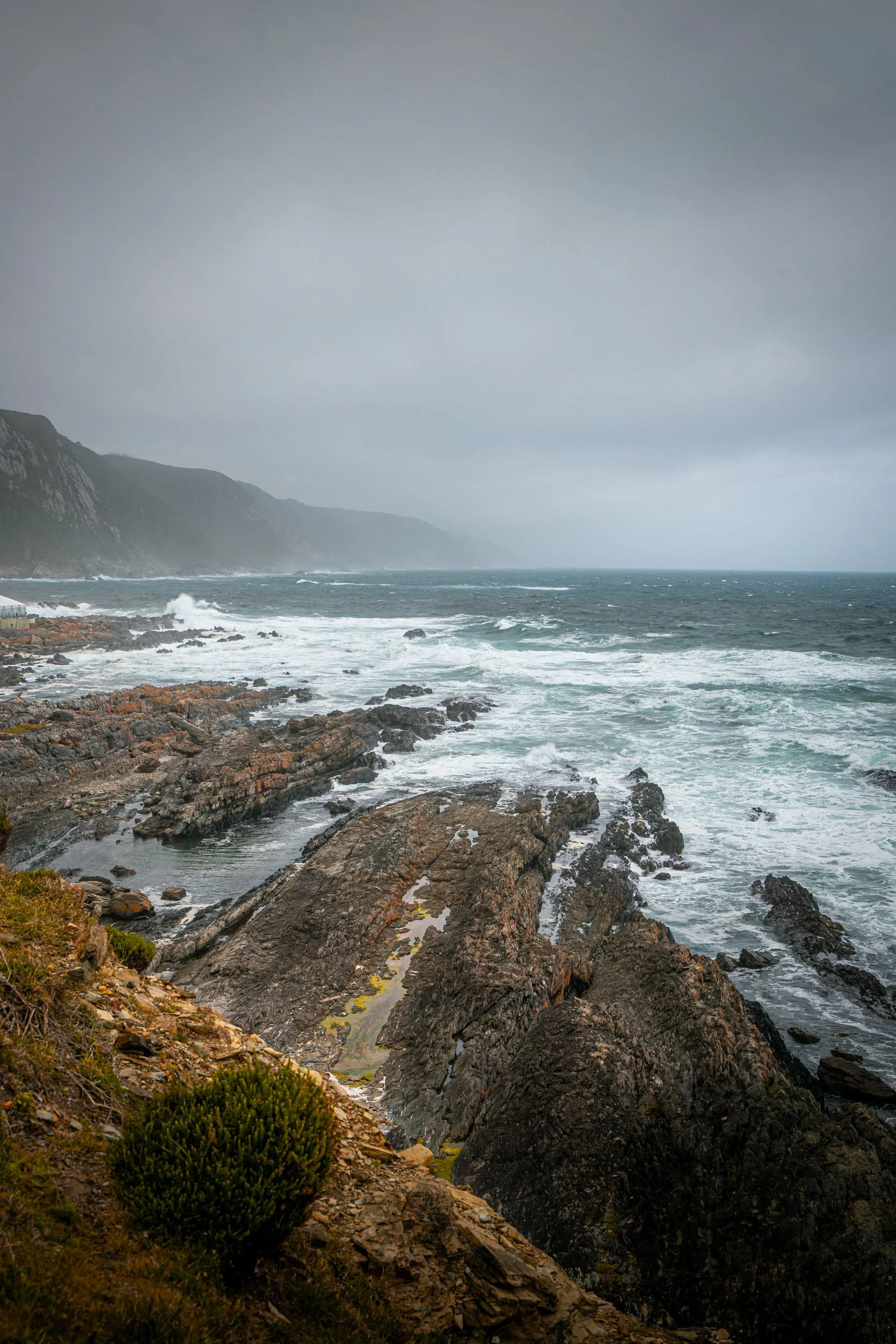
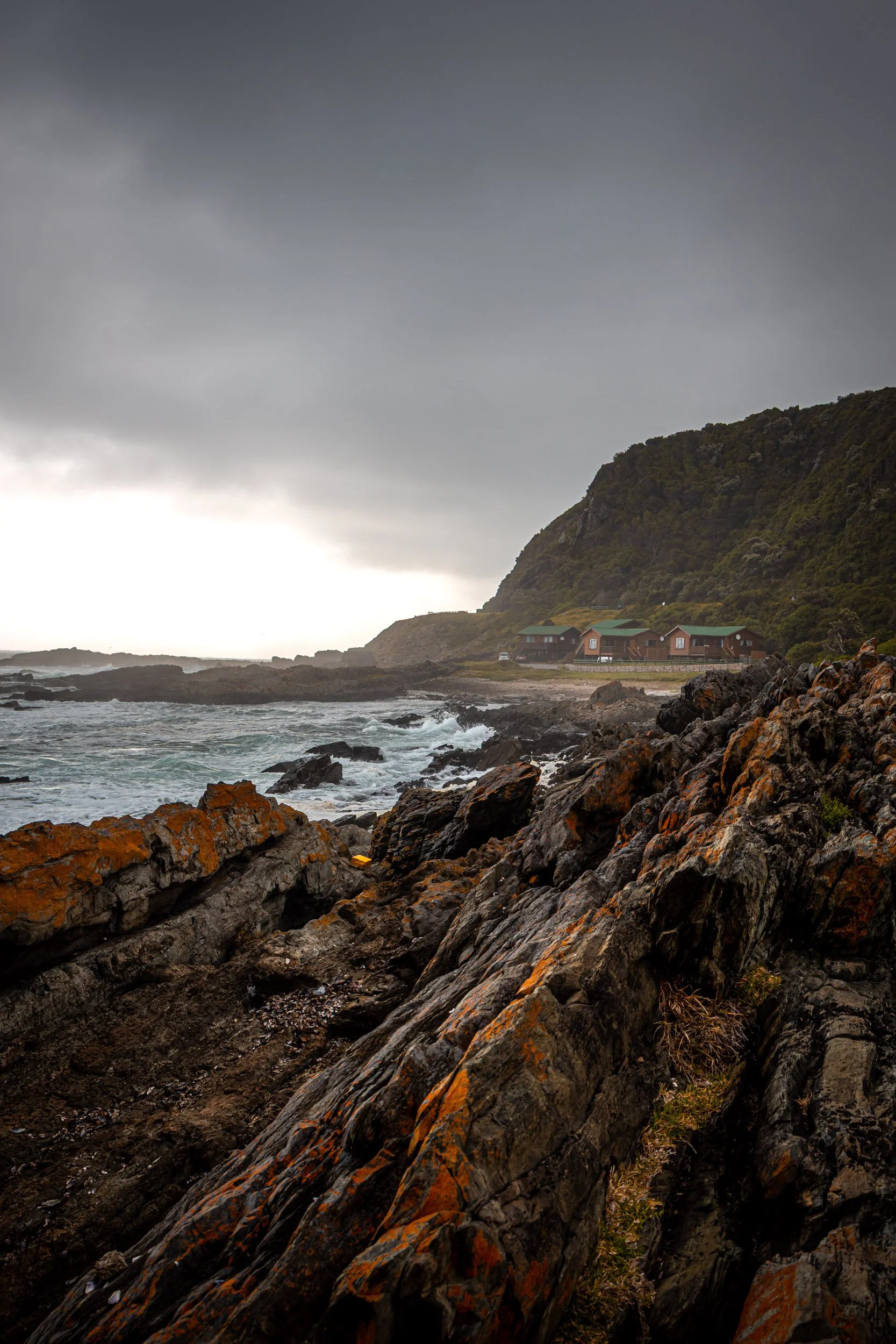
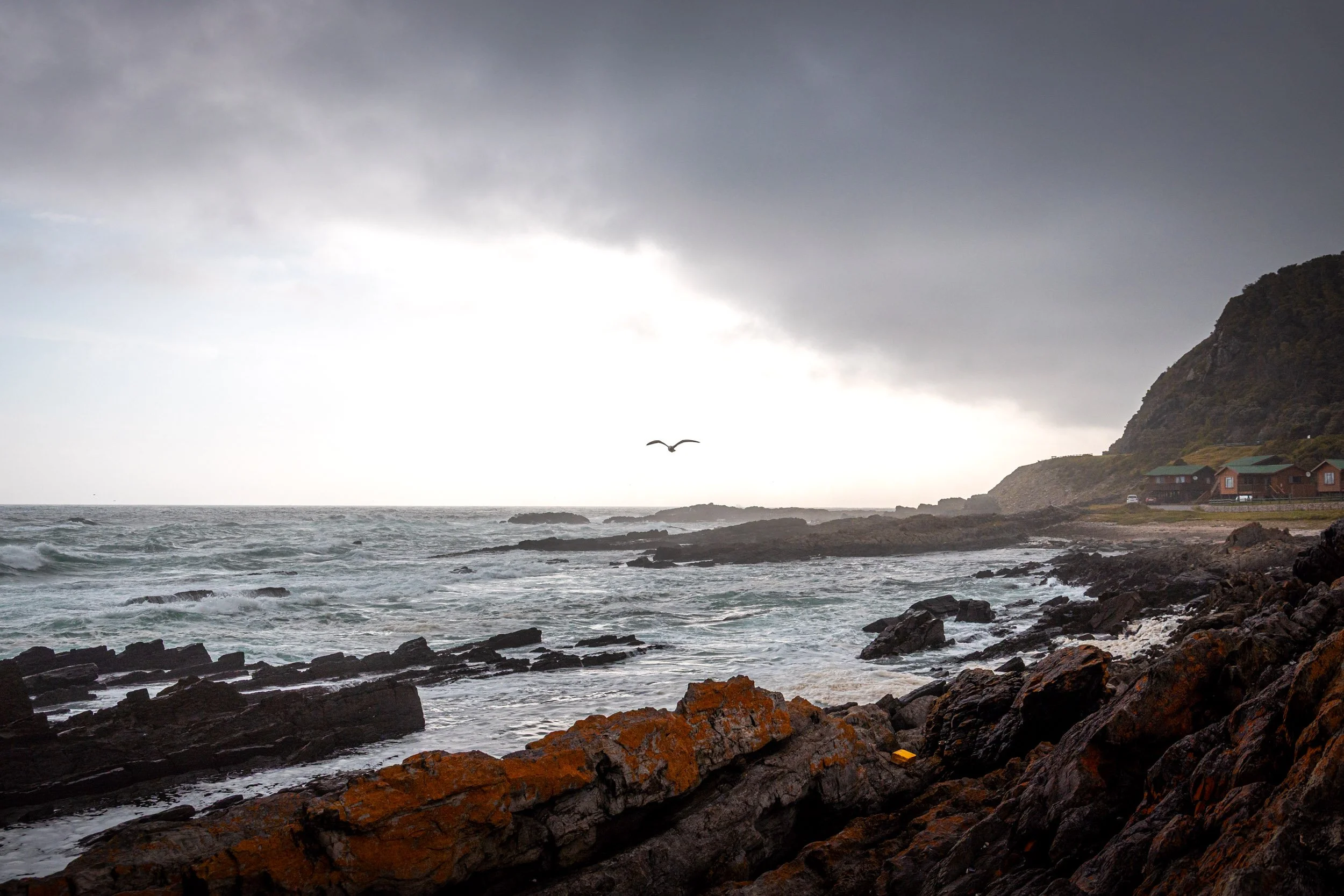
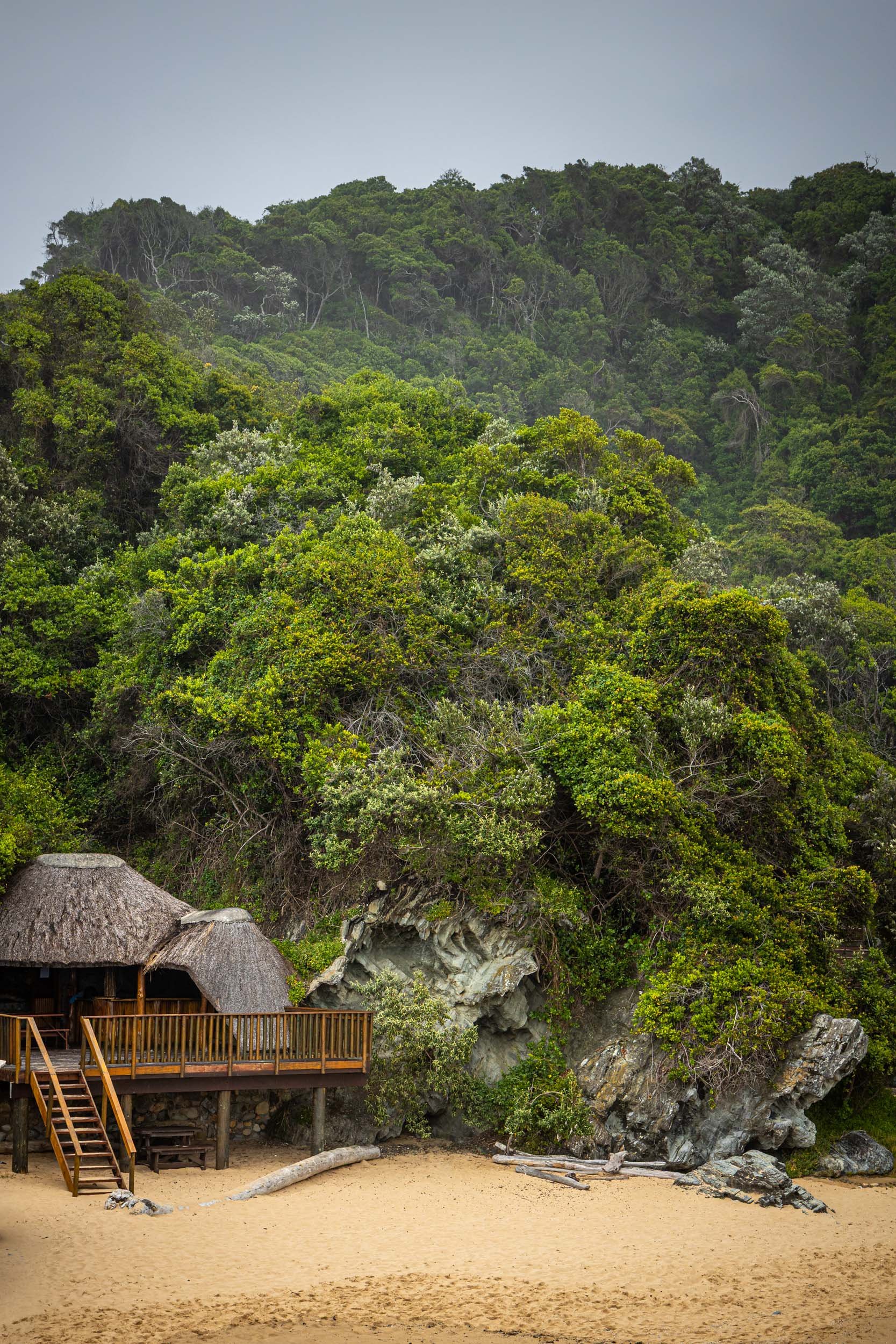
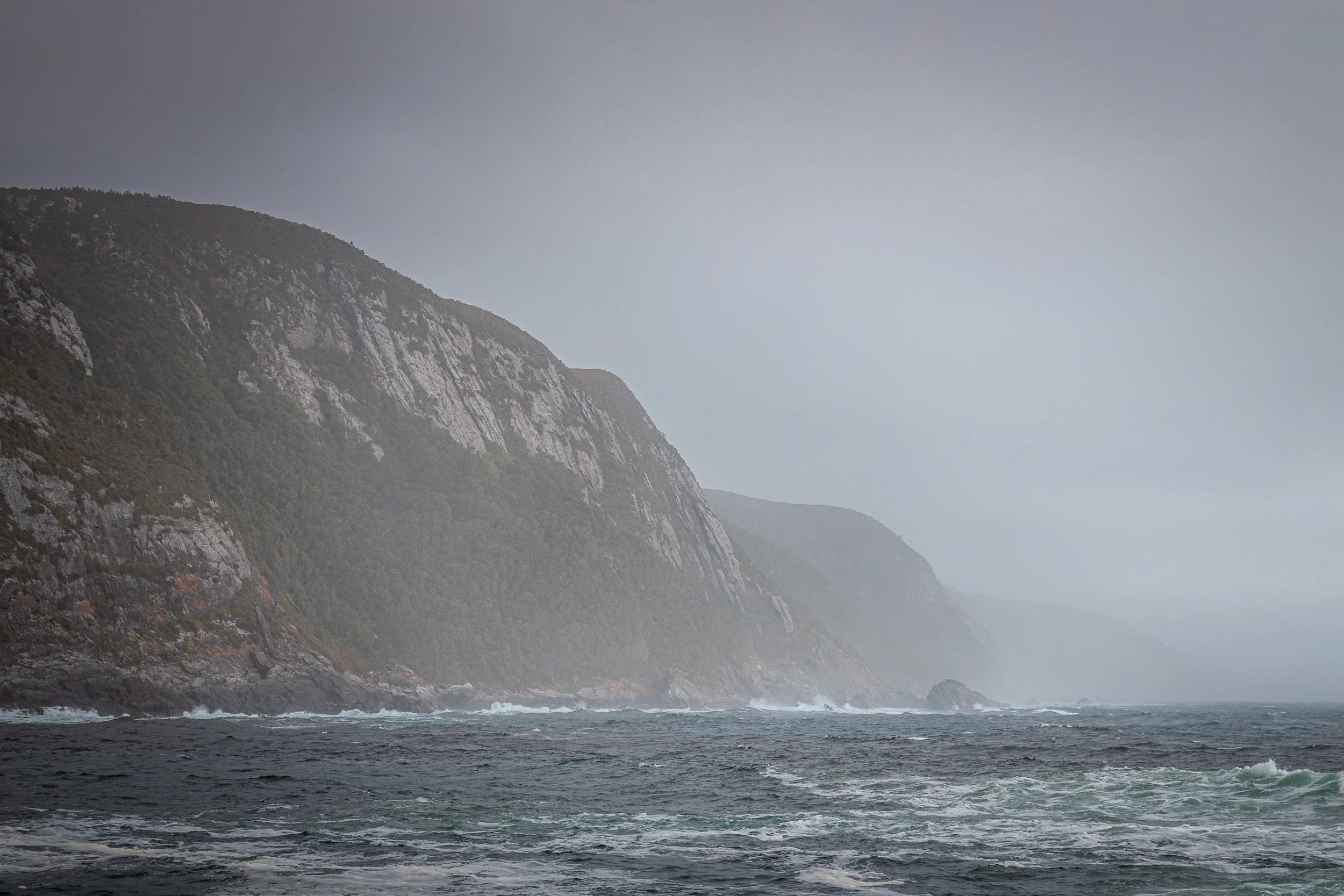
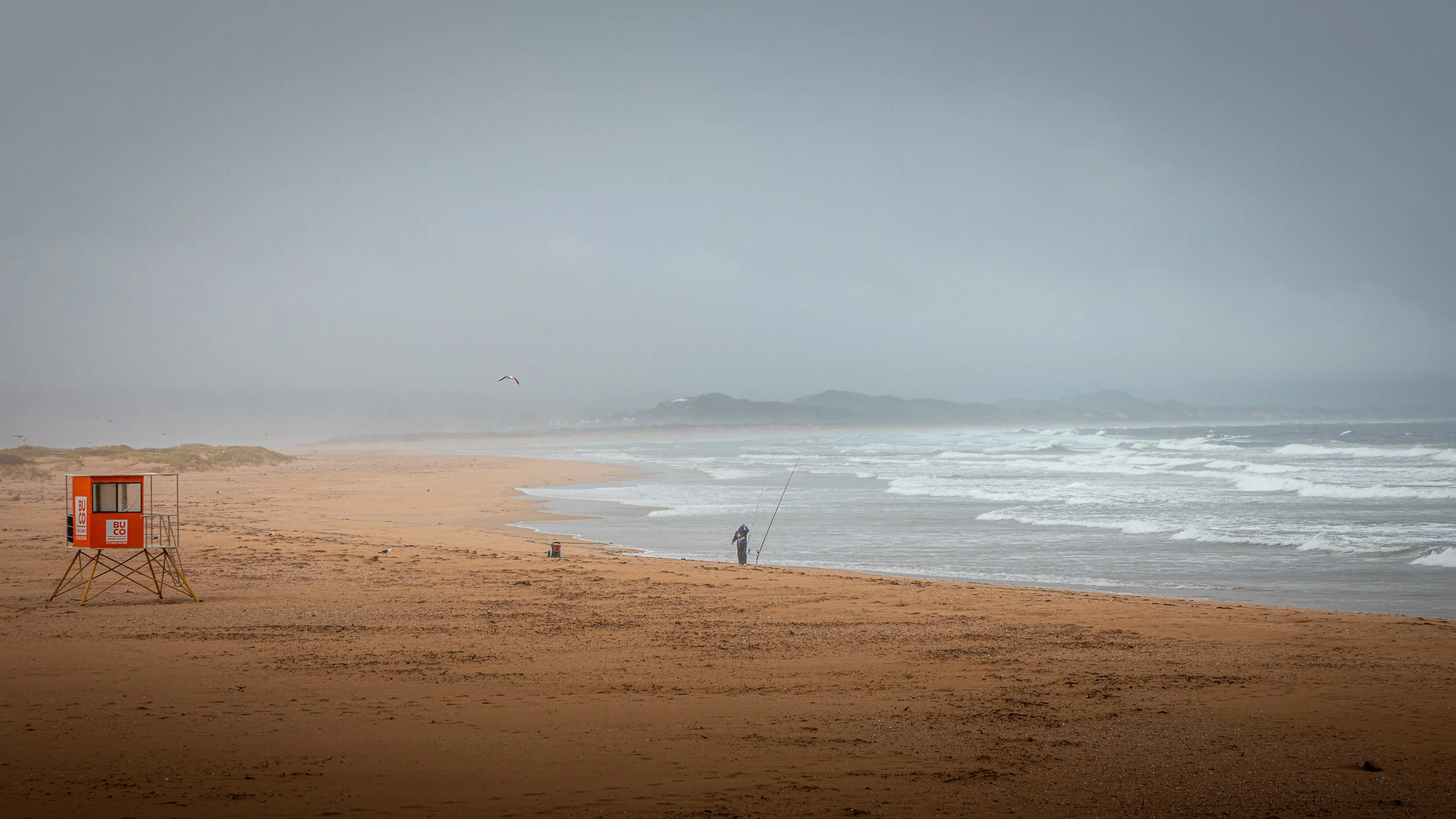
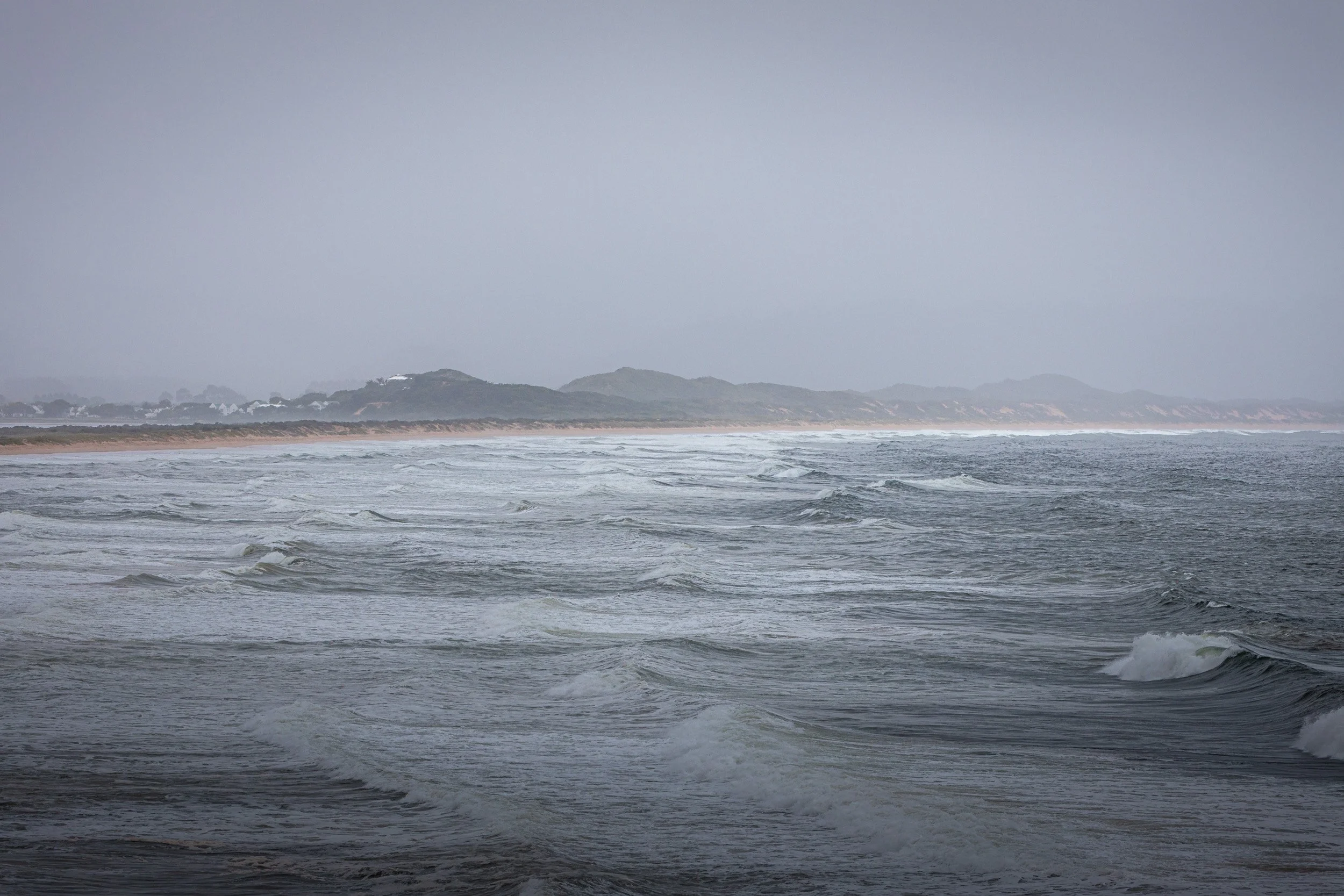
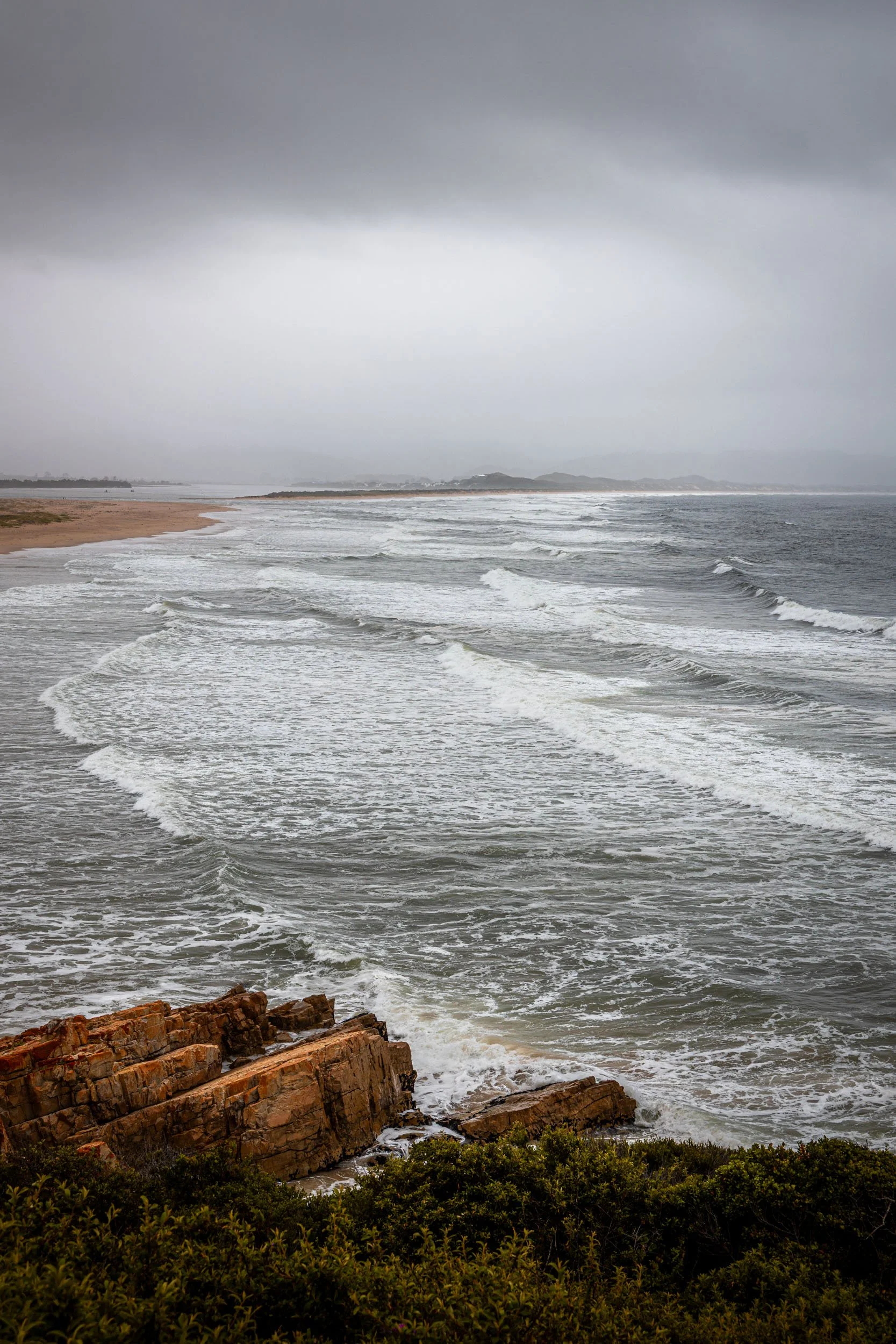
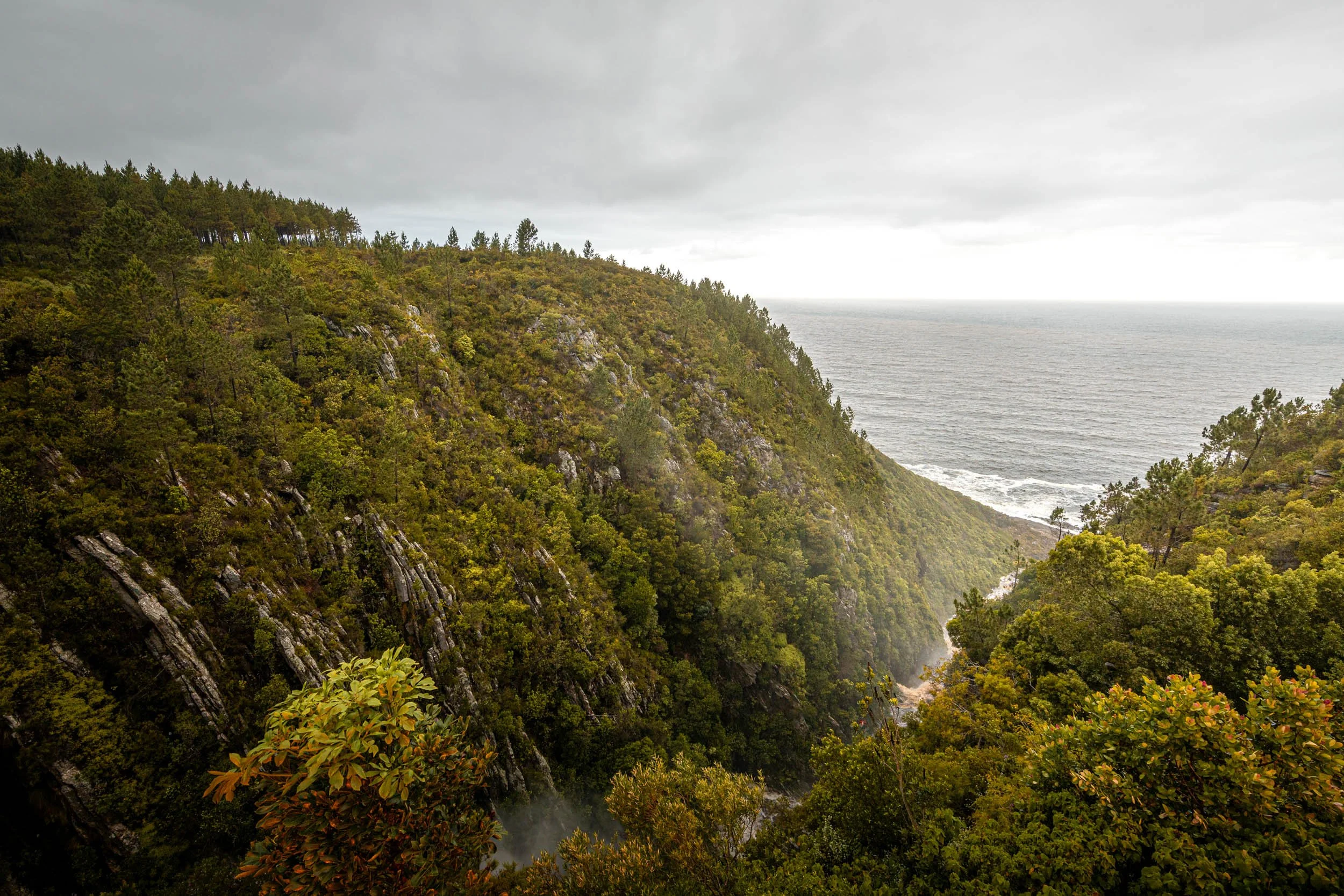
After checking in and registering for dinner, we drove to the park to do a short but beautiful hike before it closed at 6 p.m. The view of the ocean and the cliffs was stunning, especially with the approaching storm. Afterwards, we had dinner at the lodge, and our high expectations were not disappointed. This was, after all, by far the most expensive accommodation of our trip. At least it made the bad weather a bit more bearable, because that night brought intense thunderstorms and the following day it rained heavily almost nonstop.
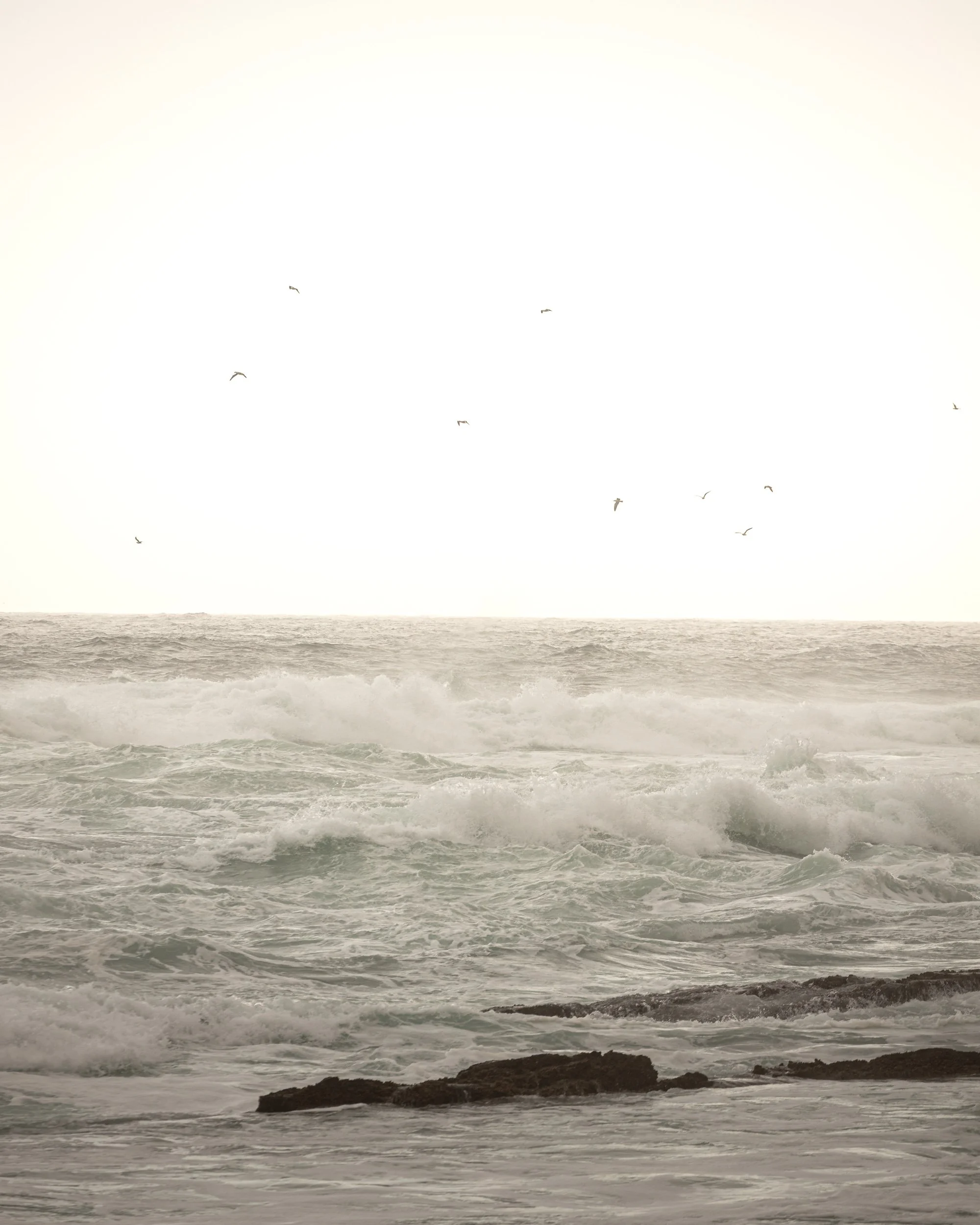
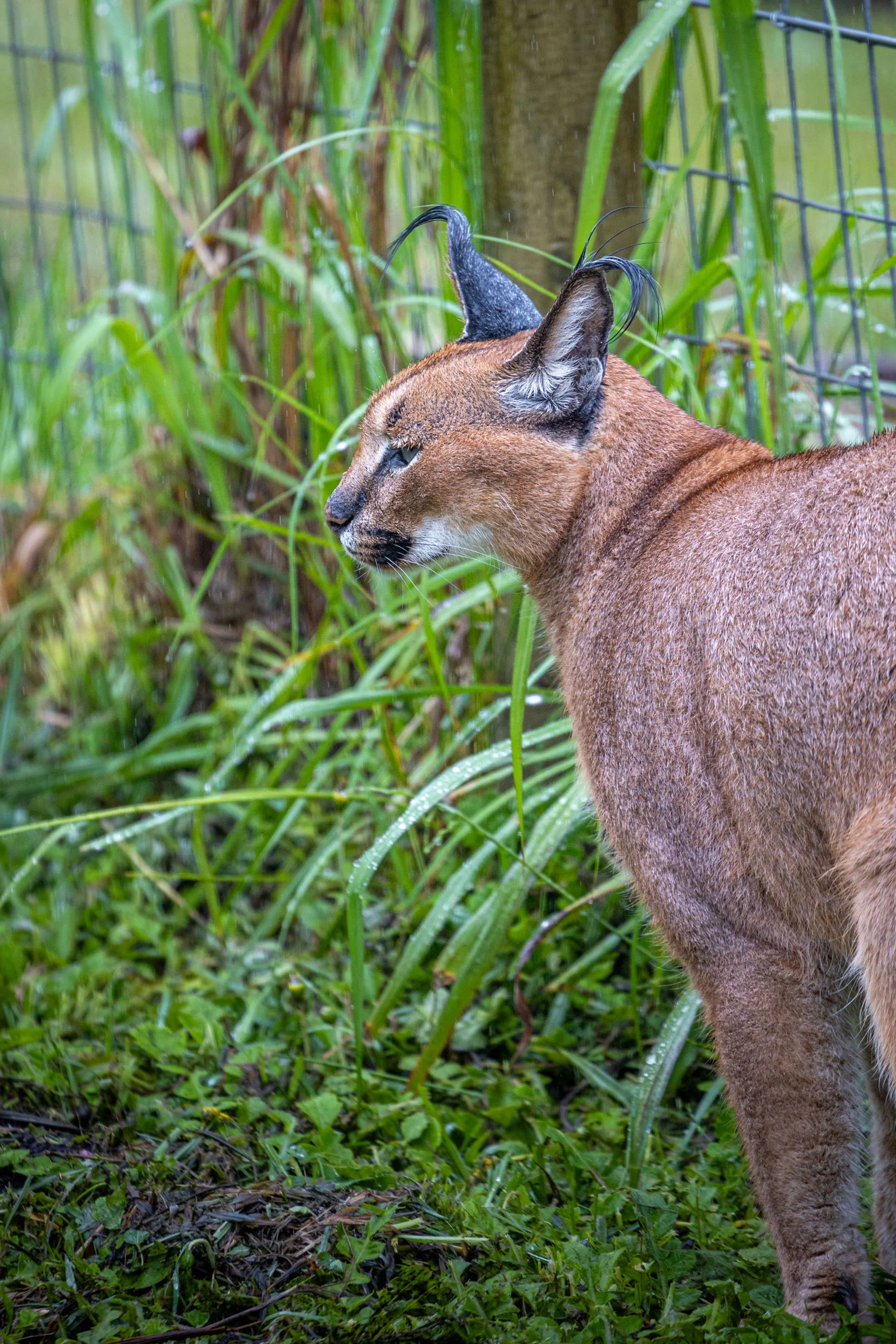
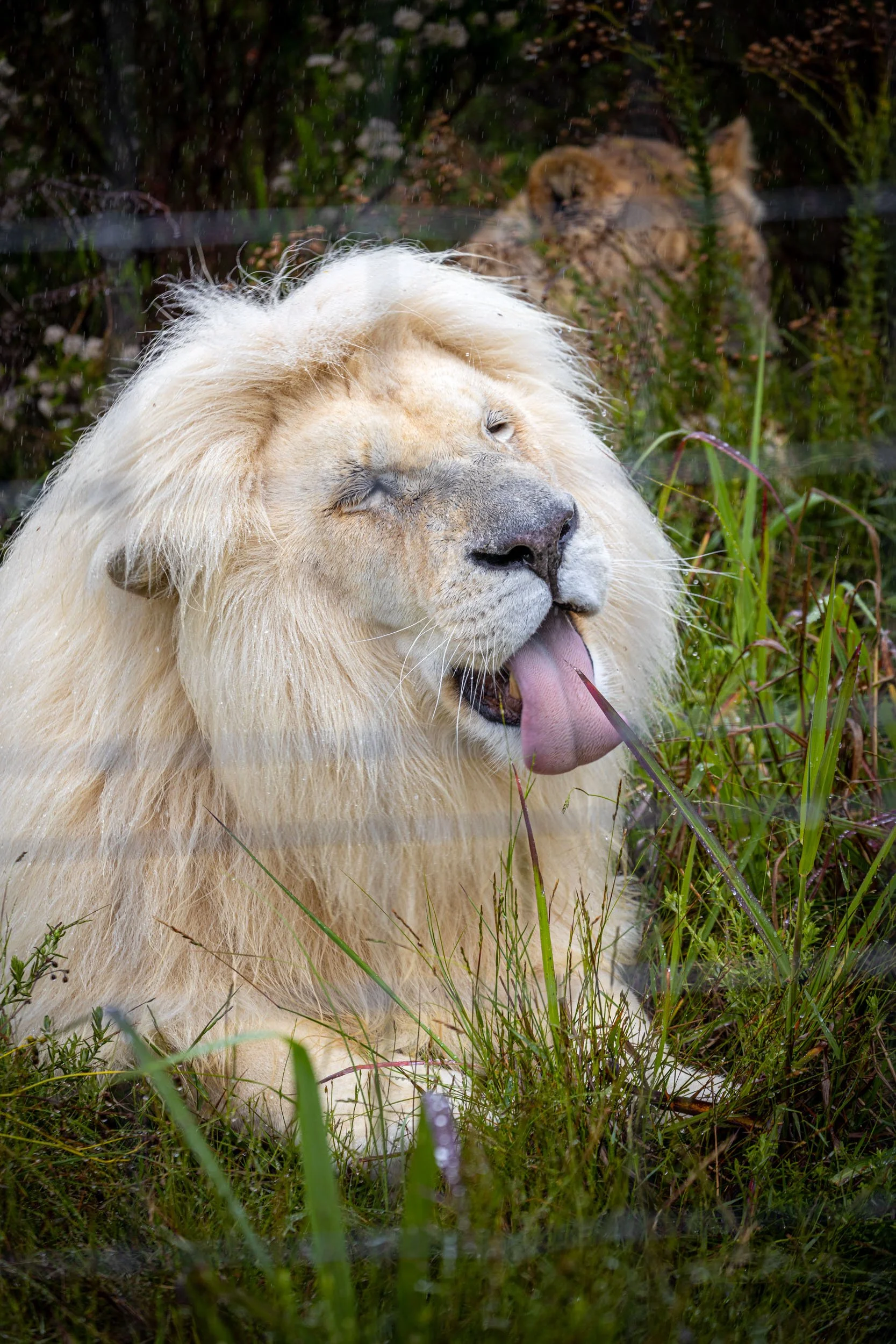
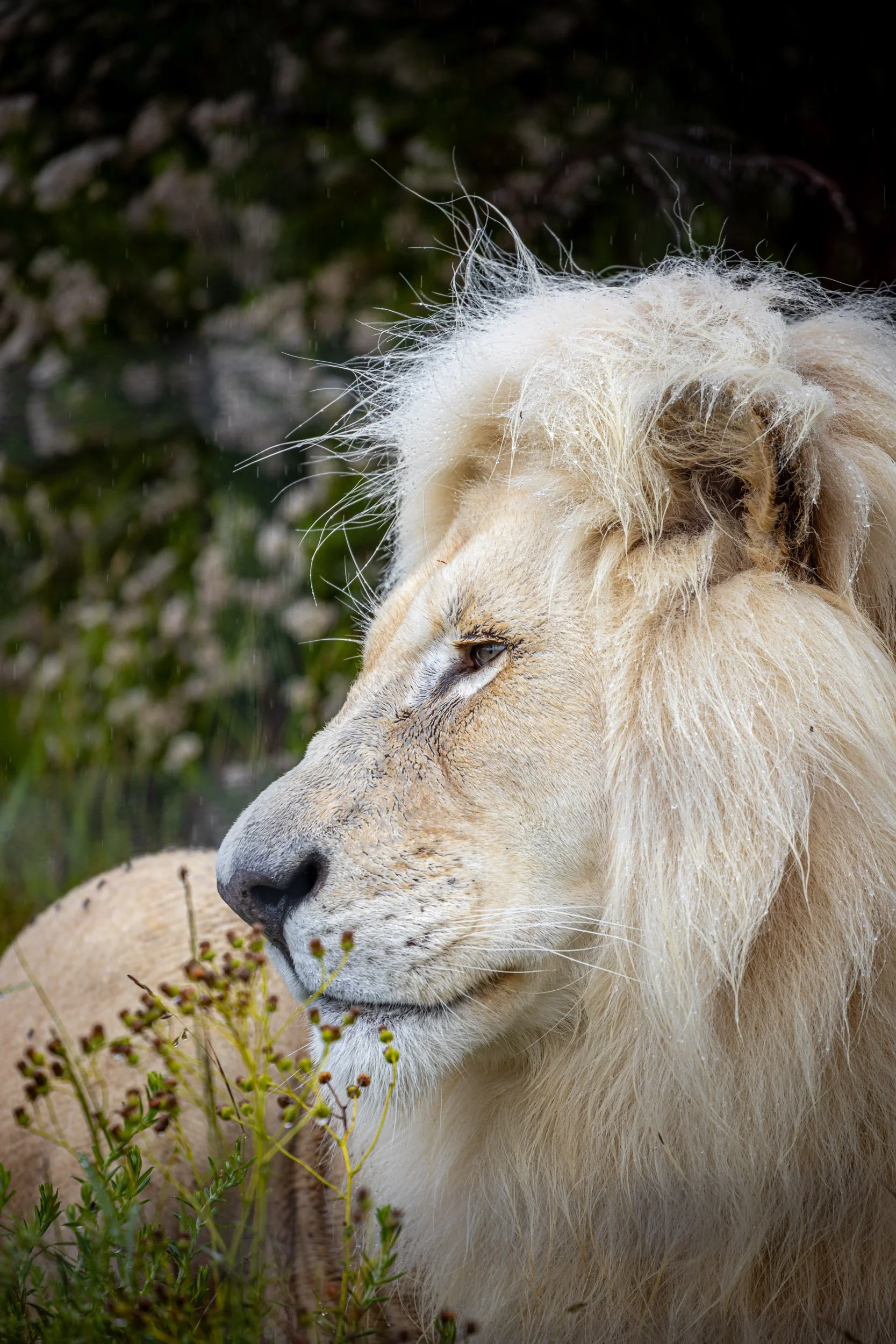
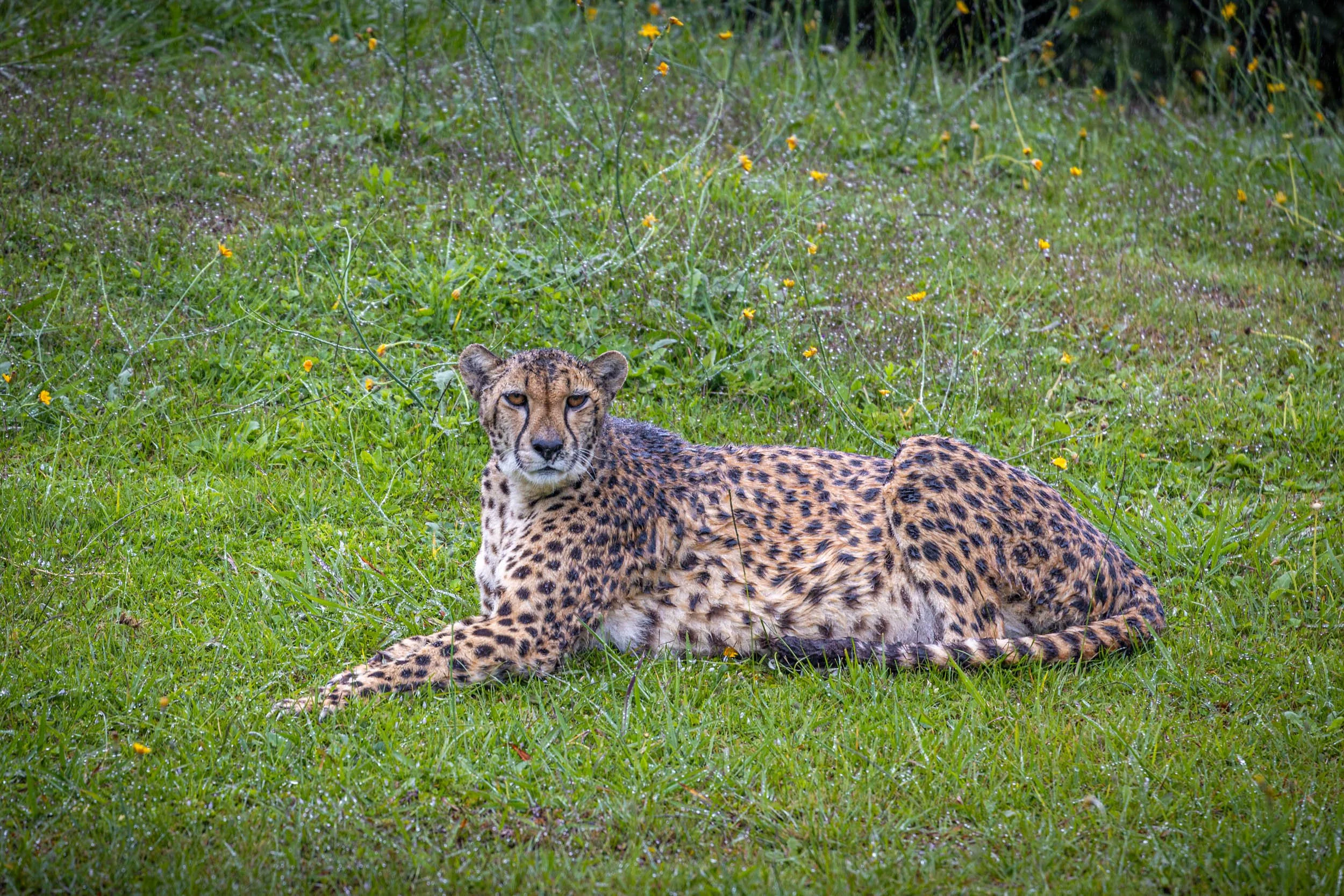
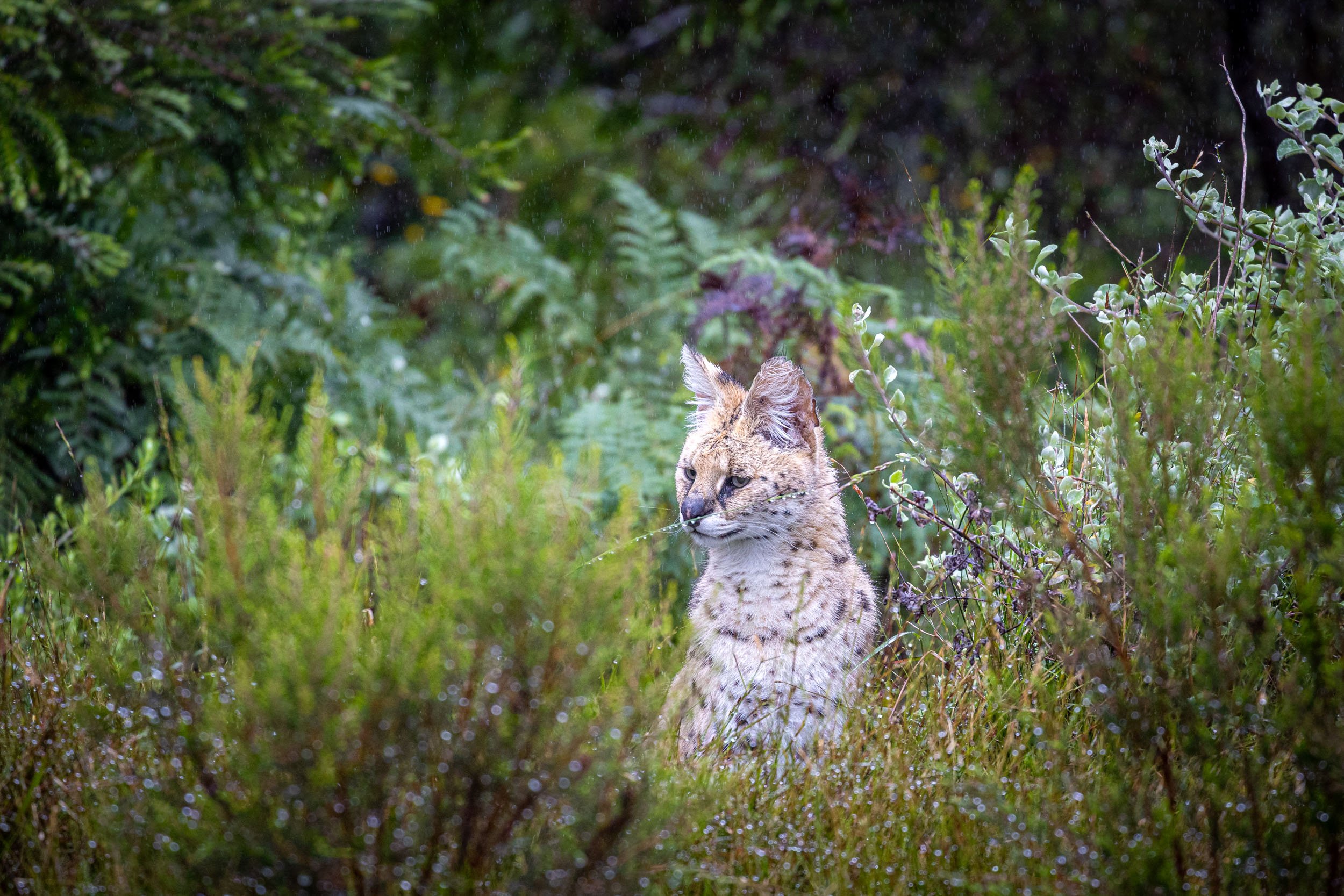
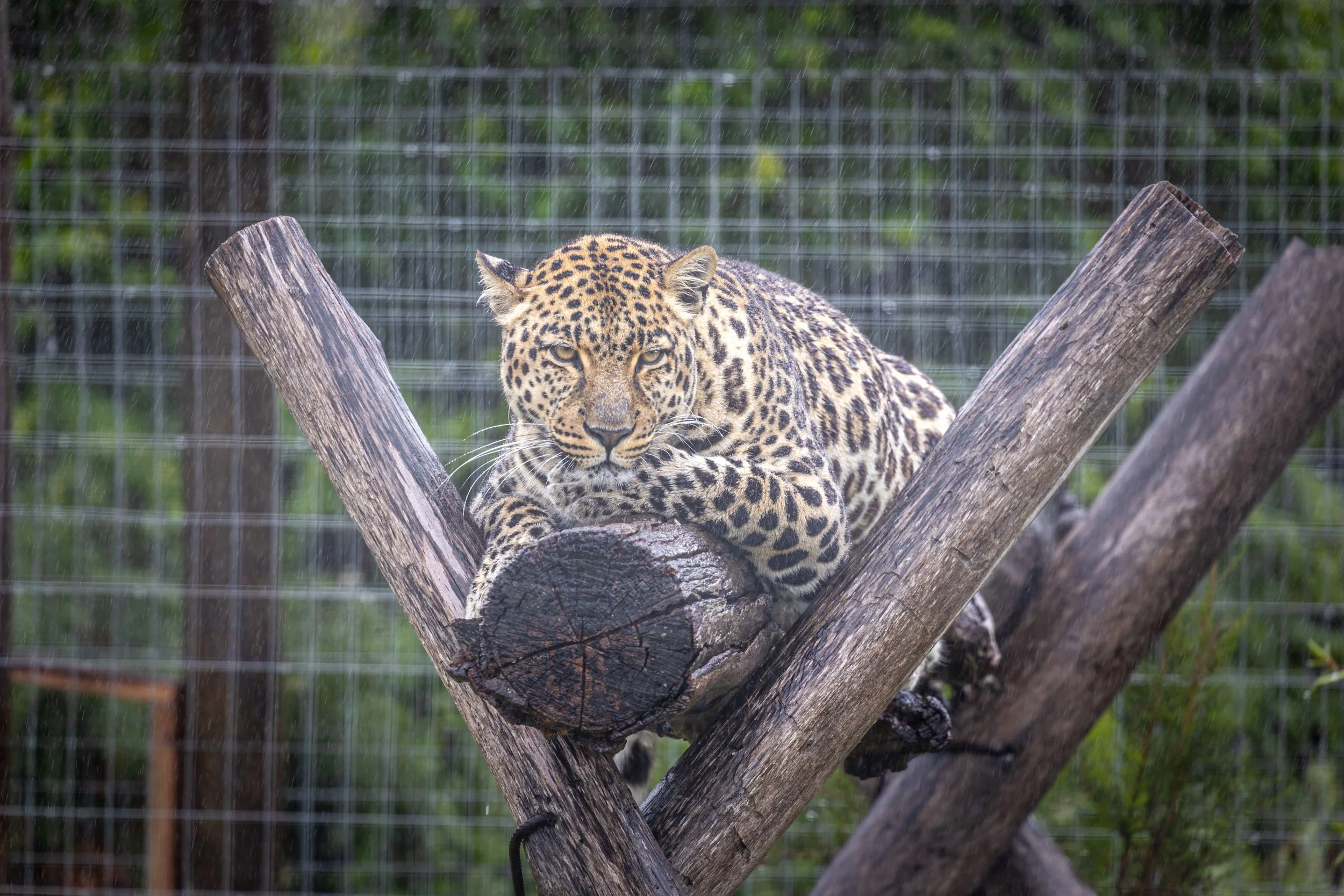
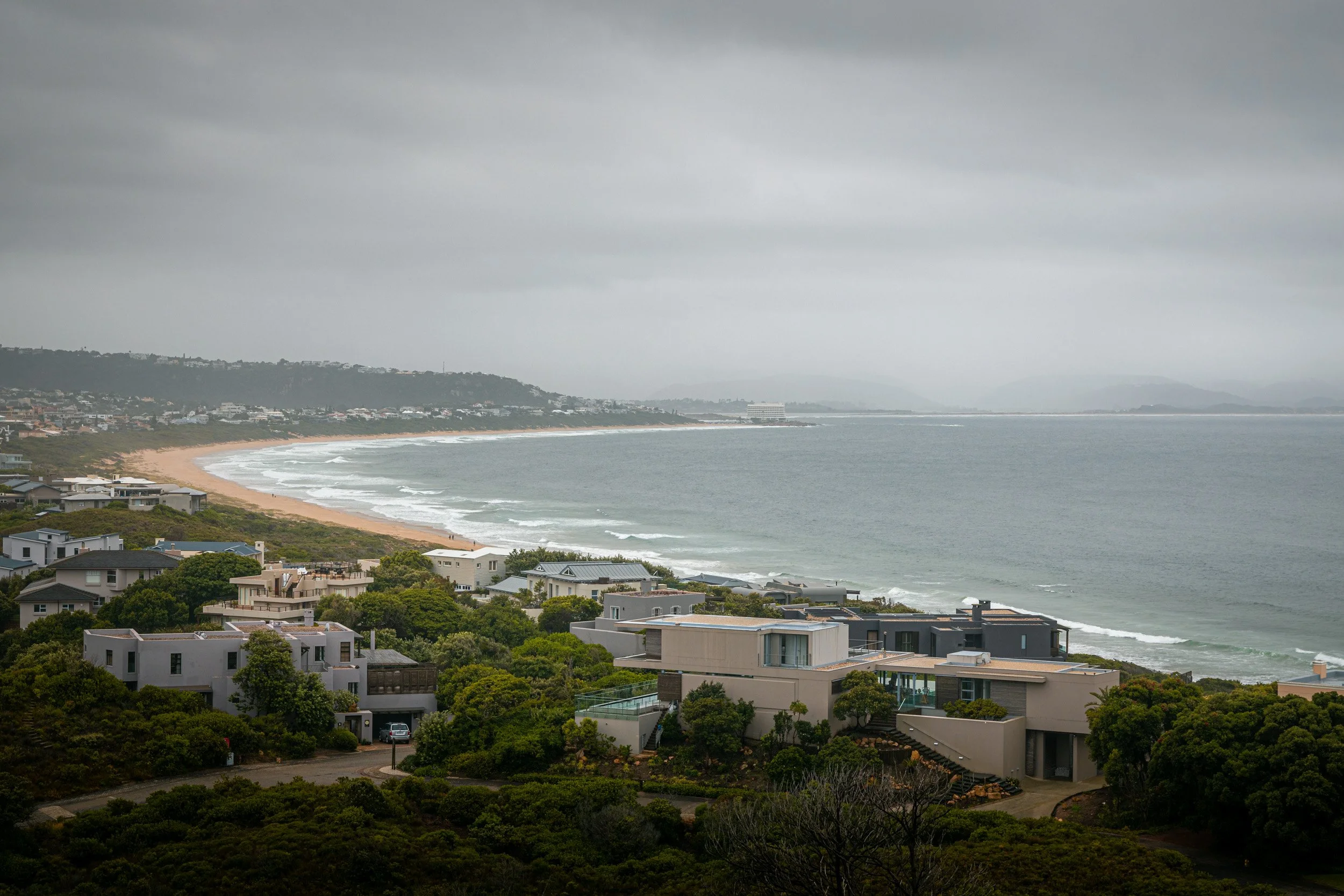
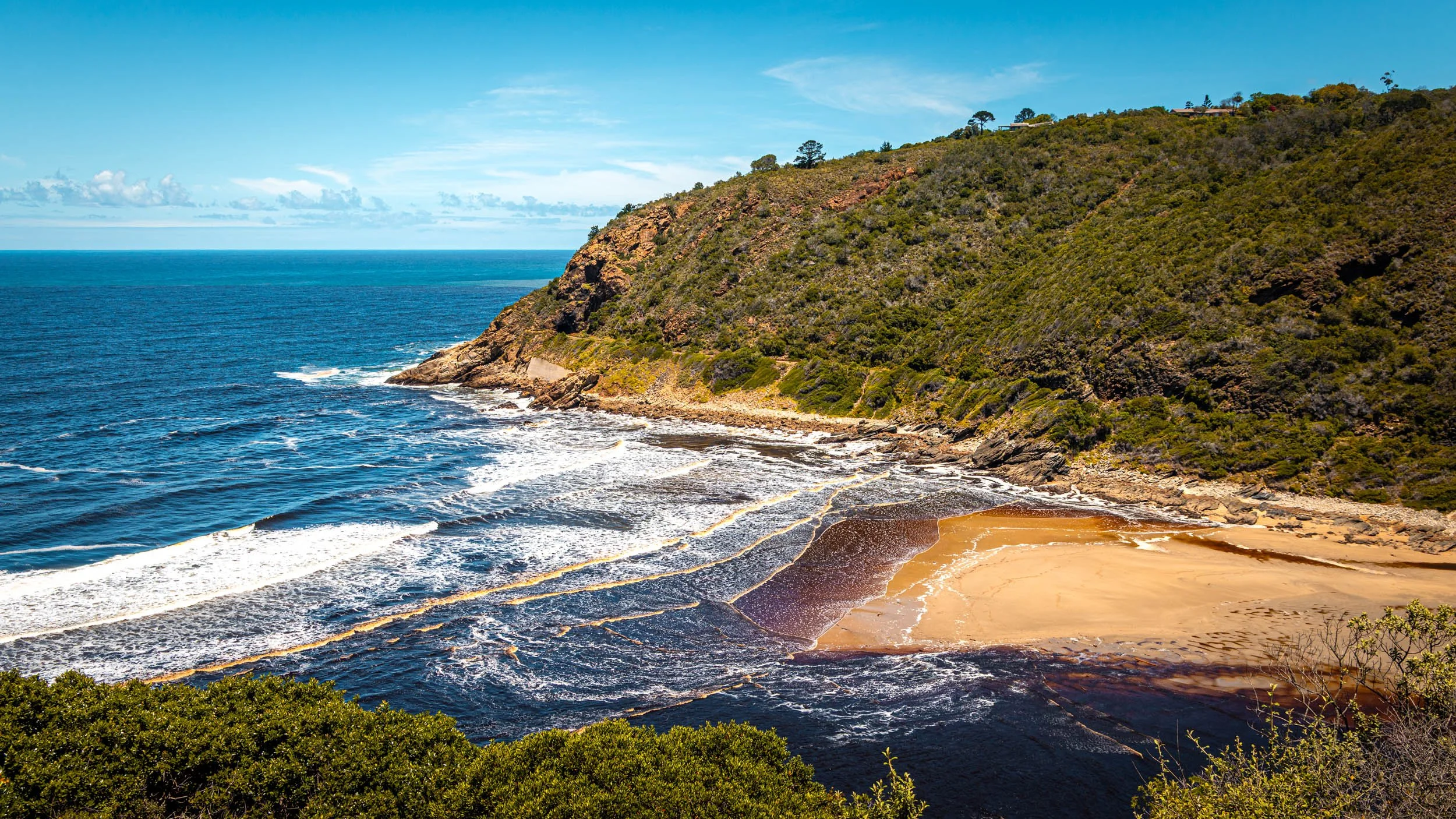
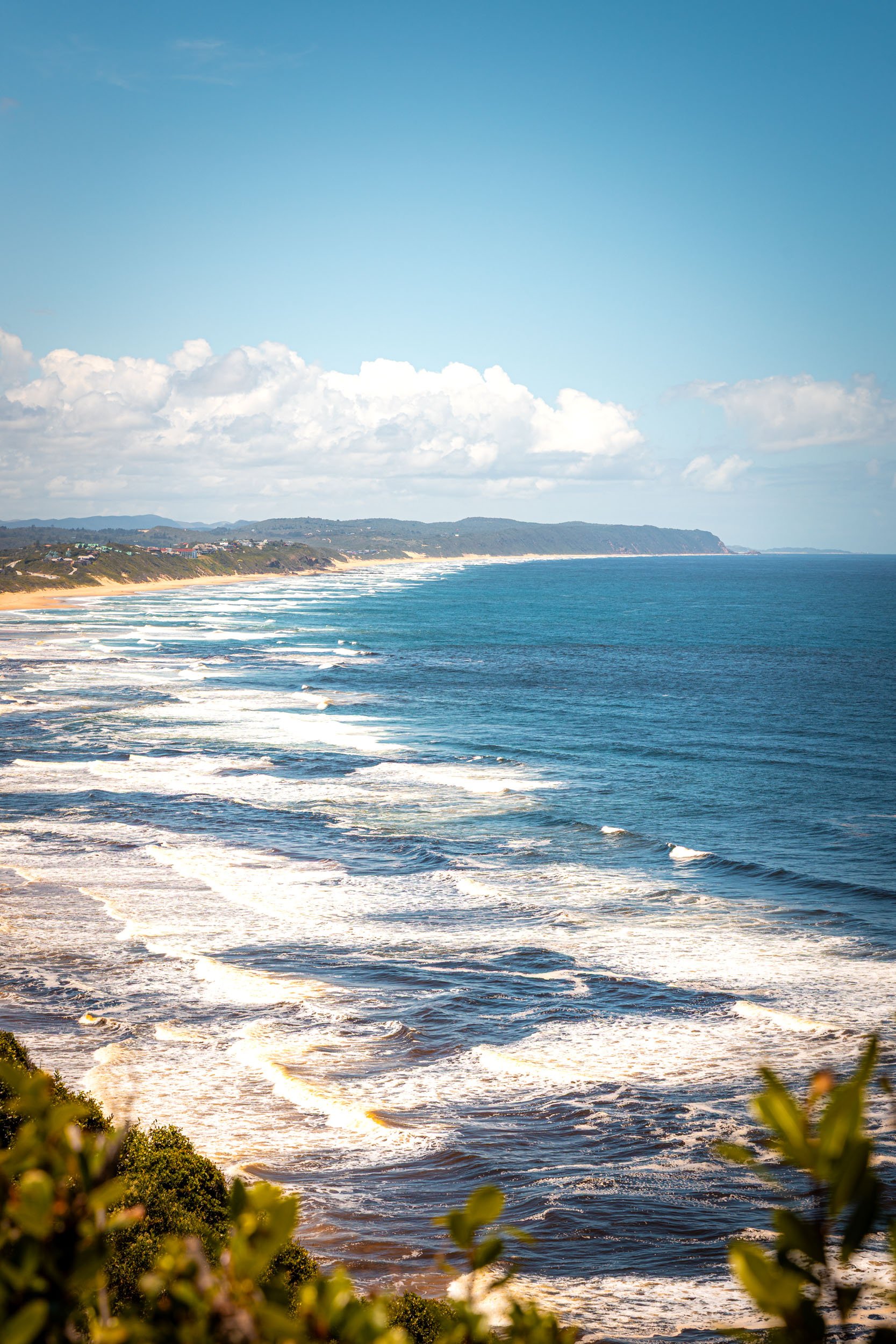
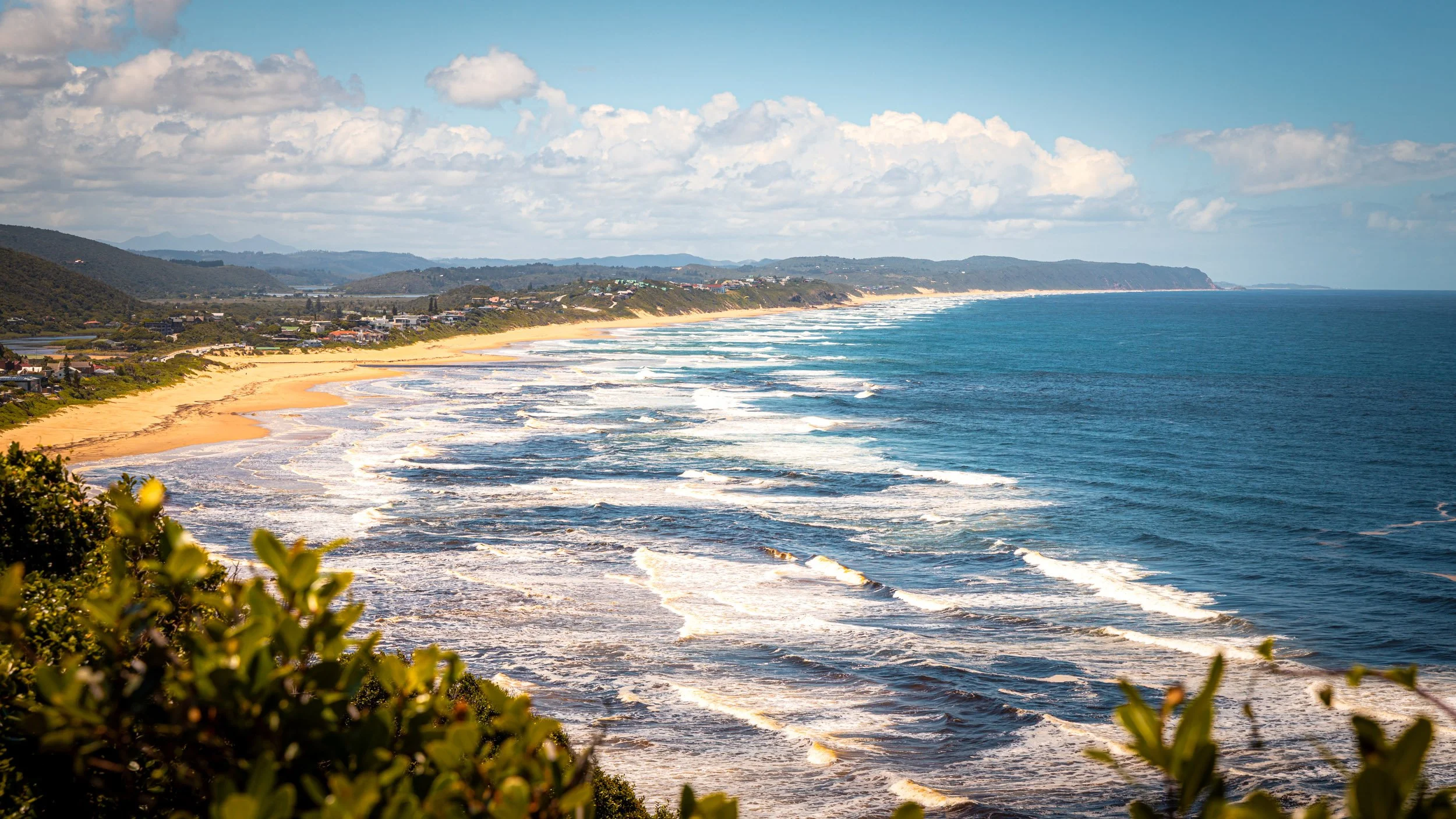
So we spent the morning relaxing at the lodge and later drove along the coast in the afternoon. On the way, we visited the Tenikwa Wildlife Rehabilitation & Awareness Centre, where we saw, among other animals, a white lion and various wild cats such as leopards and cheetahs. Afterwards, we continued to a viewpoint in Plettenberg Bay. We then had something to eat at The Lookout Deck before heading back to the lodge.

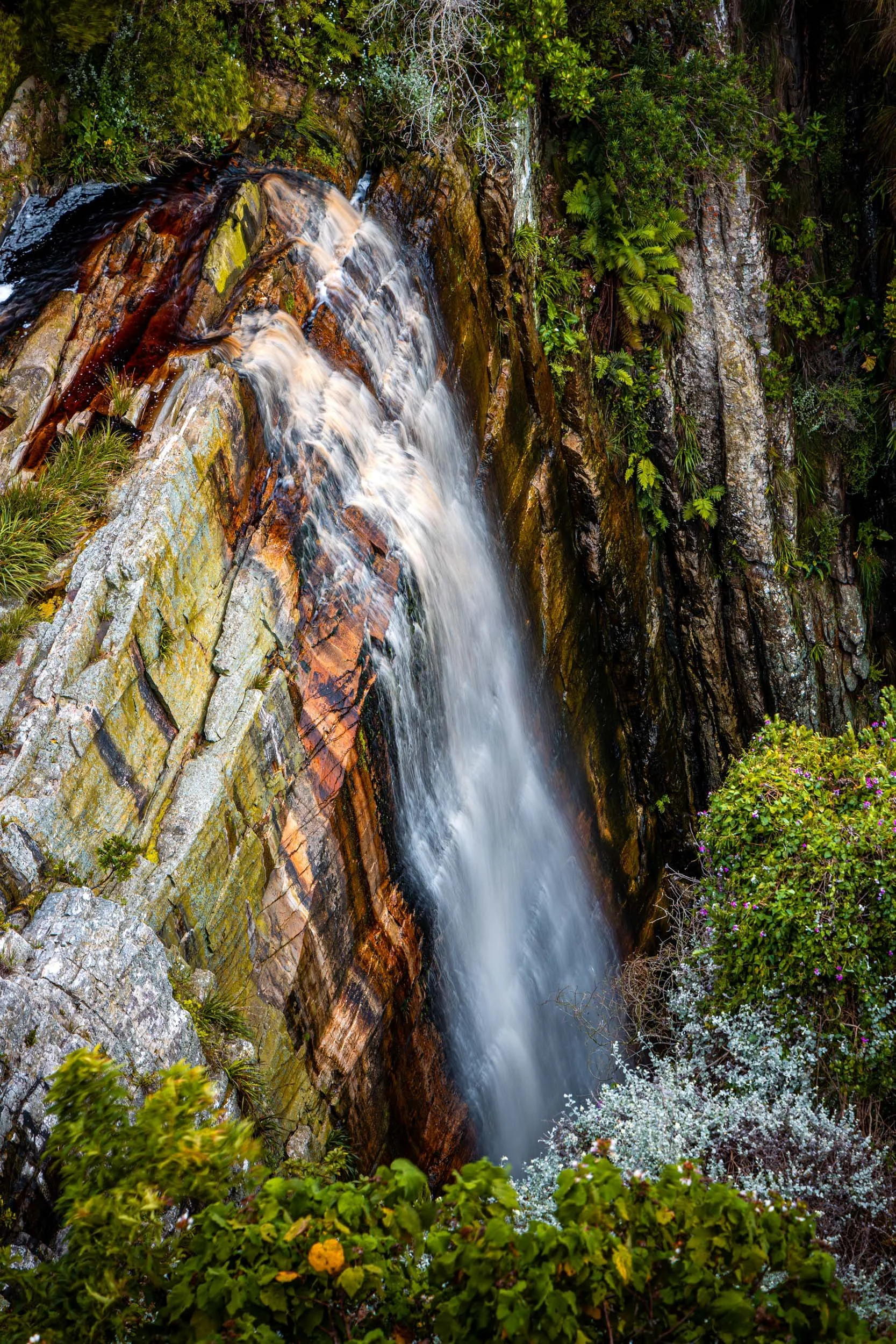
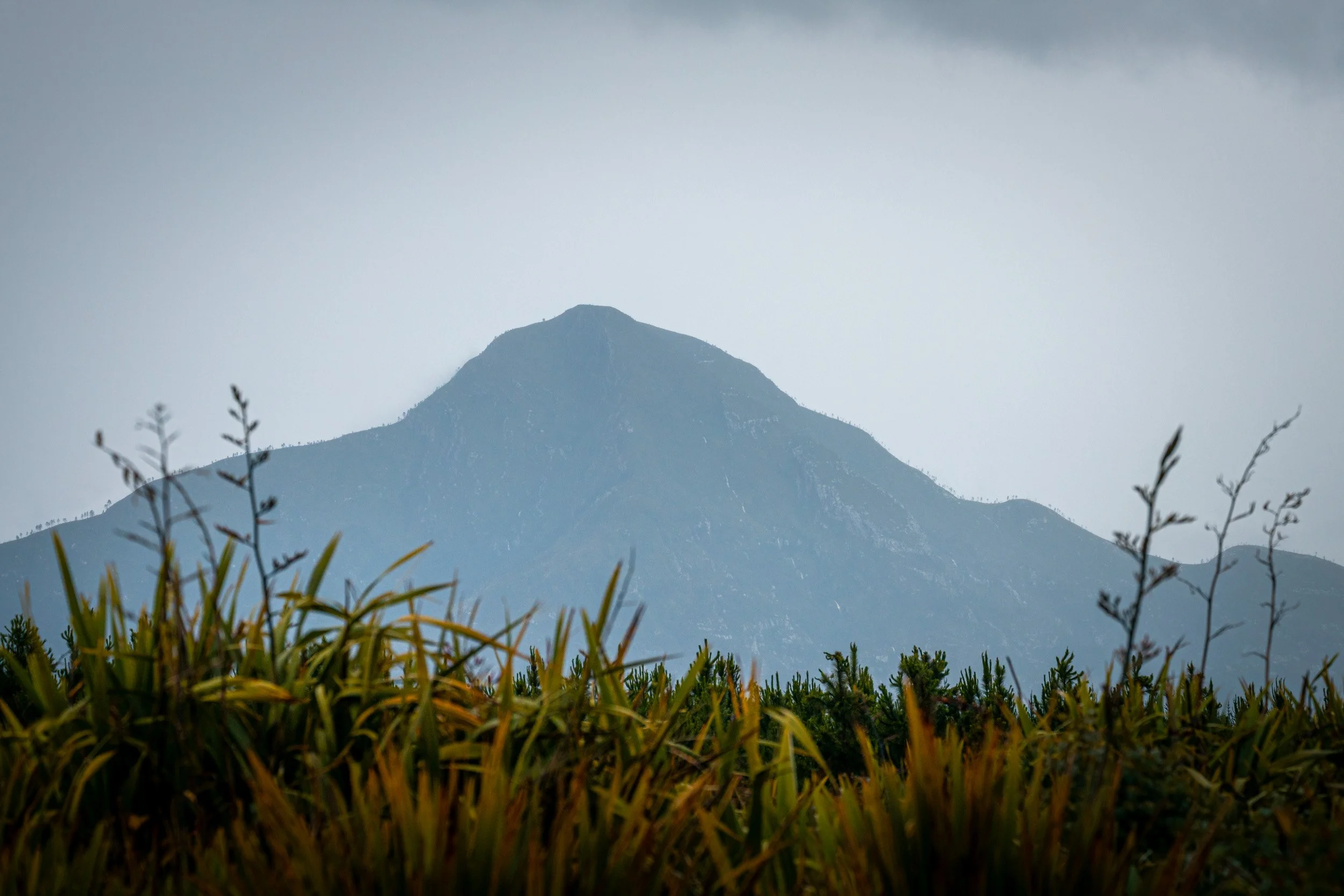
De Hoop Nature Reserve
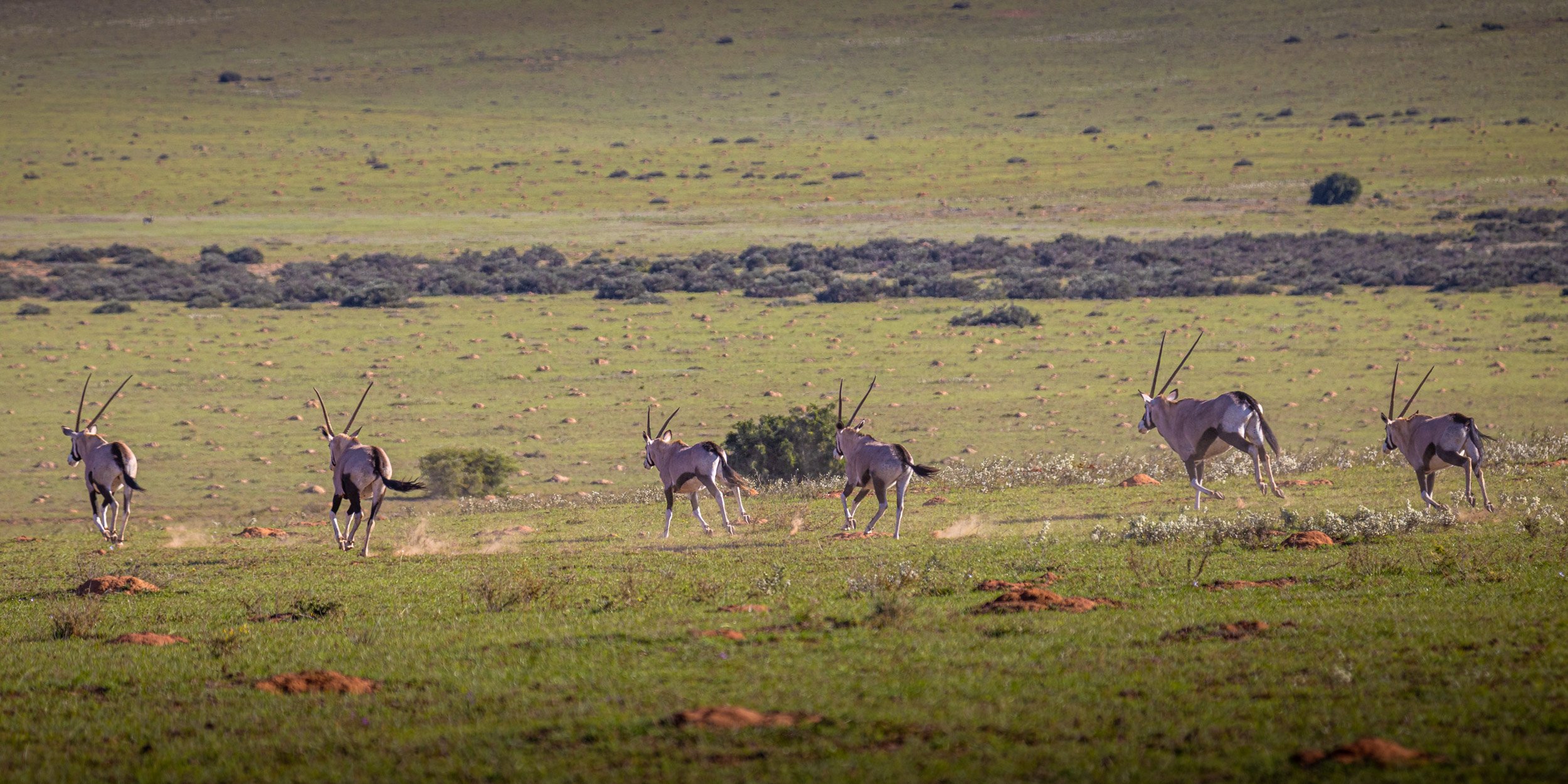
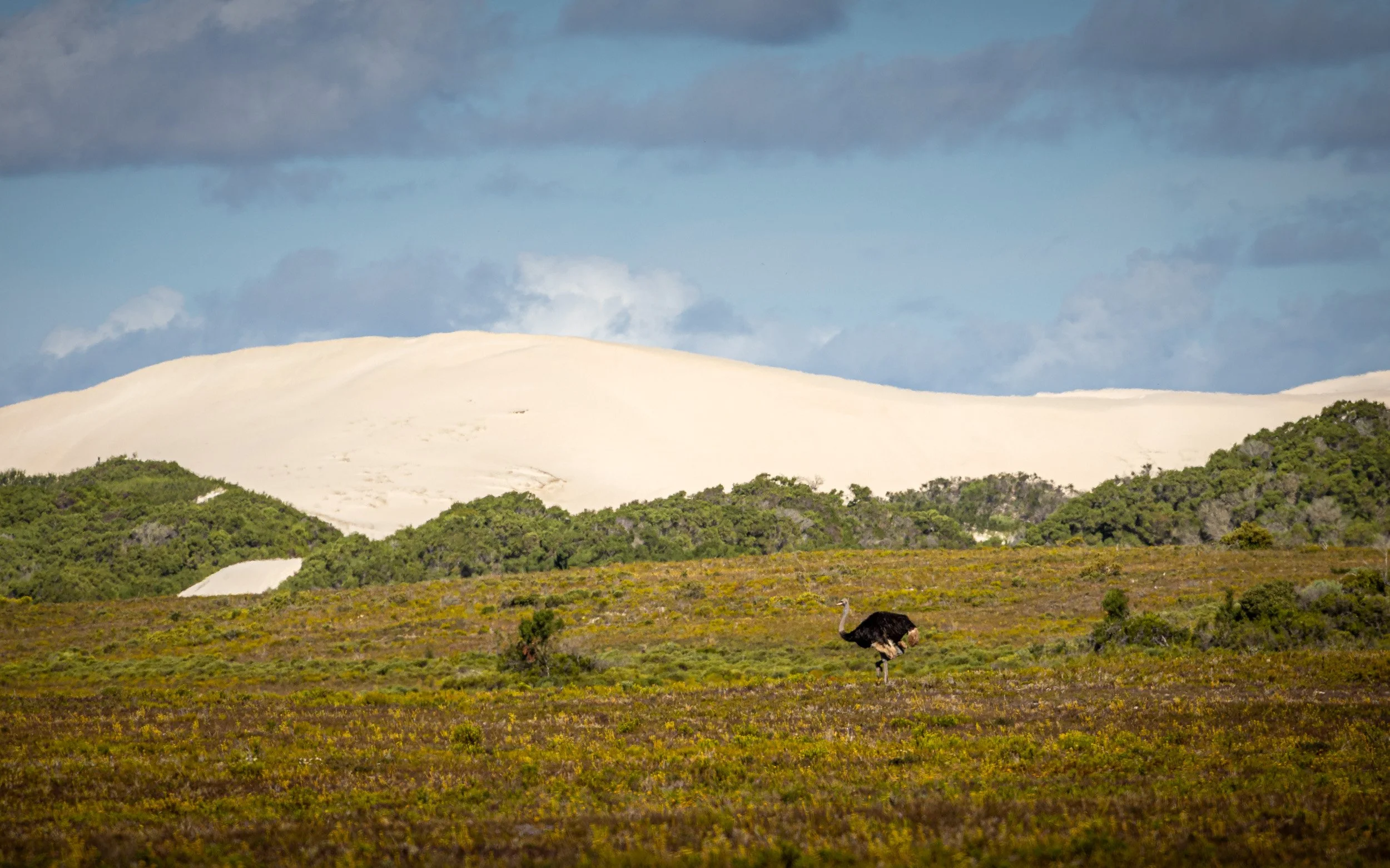
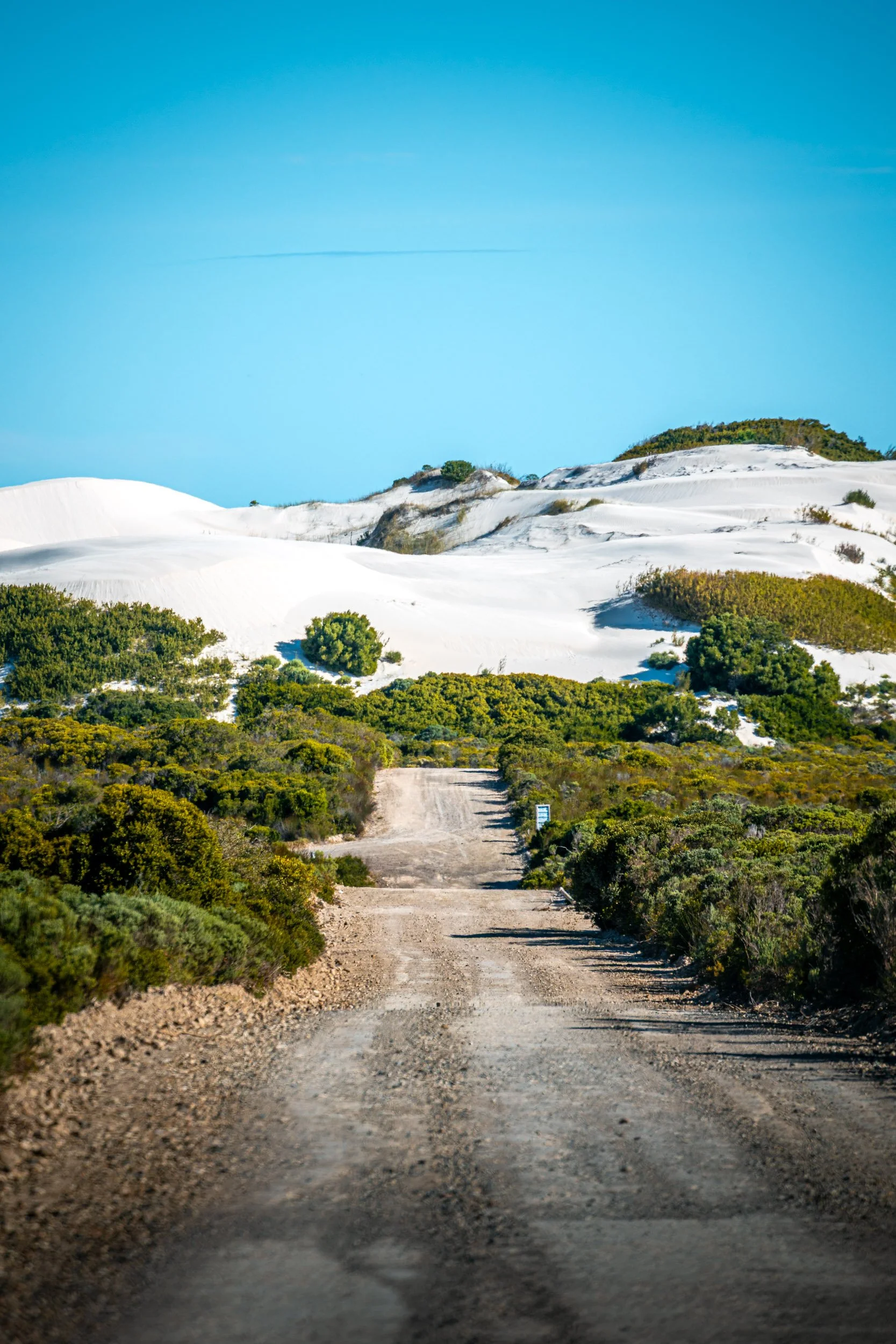
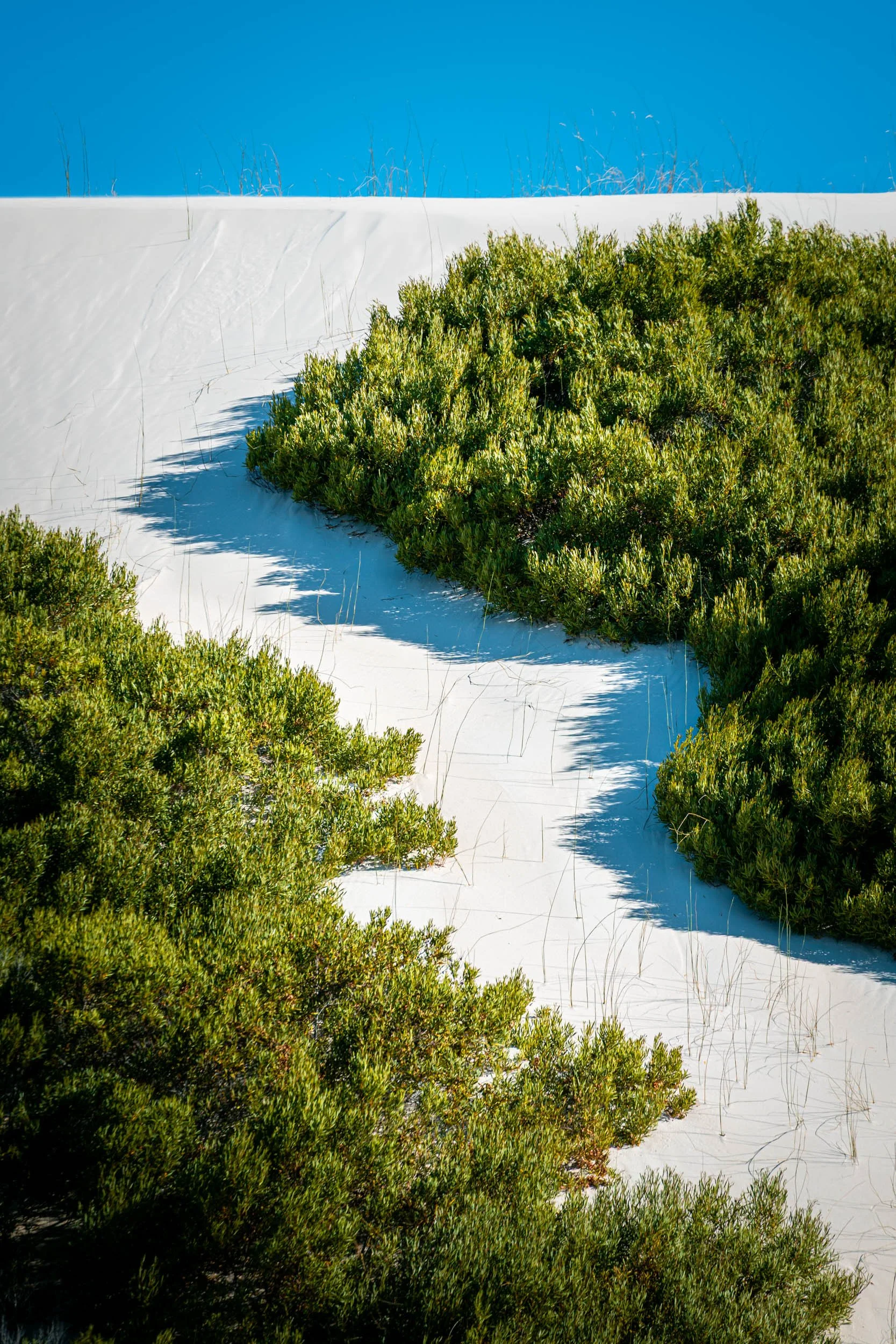
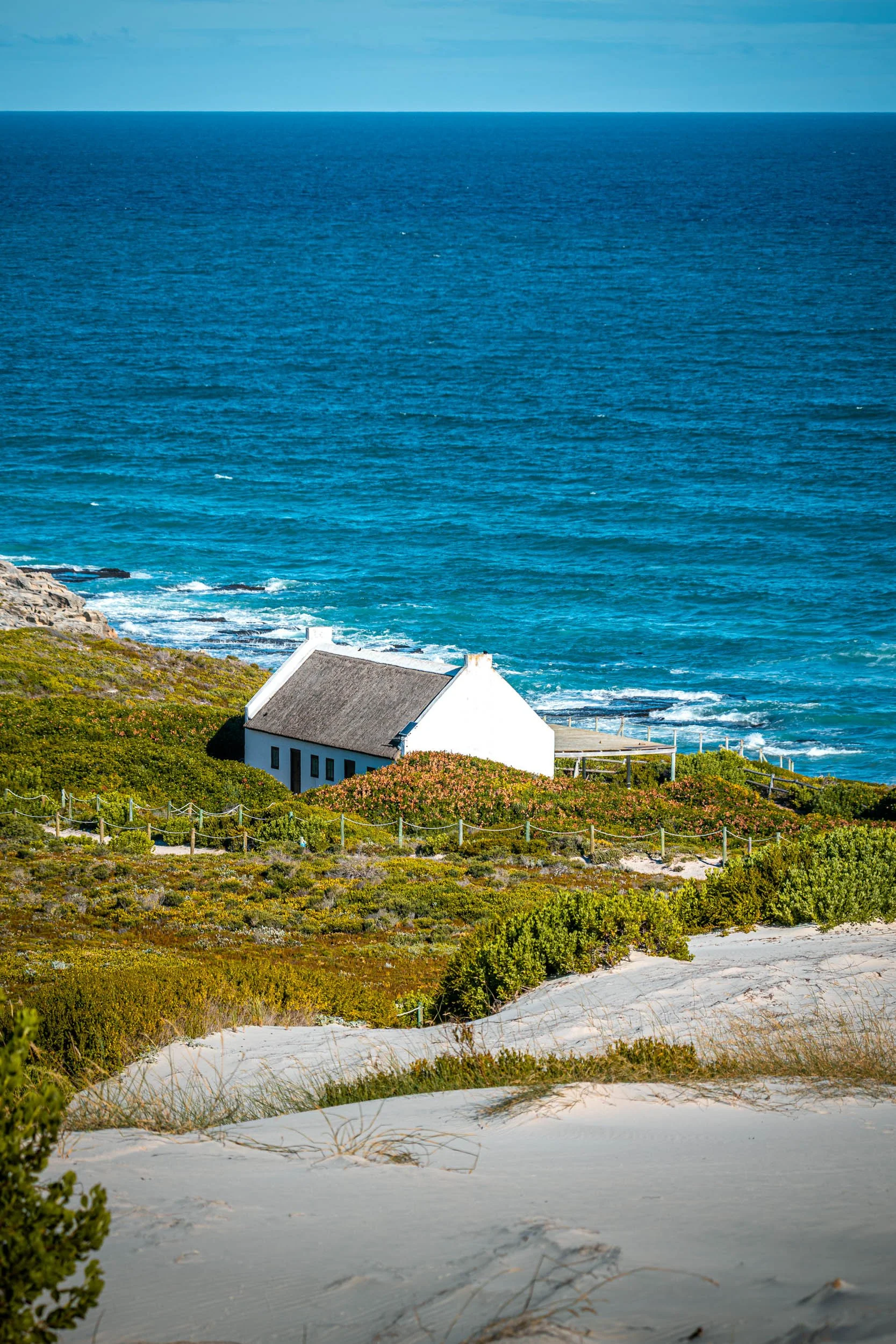
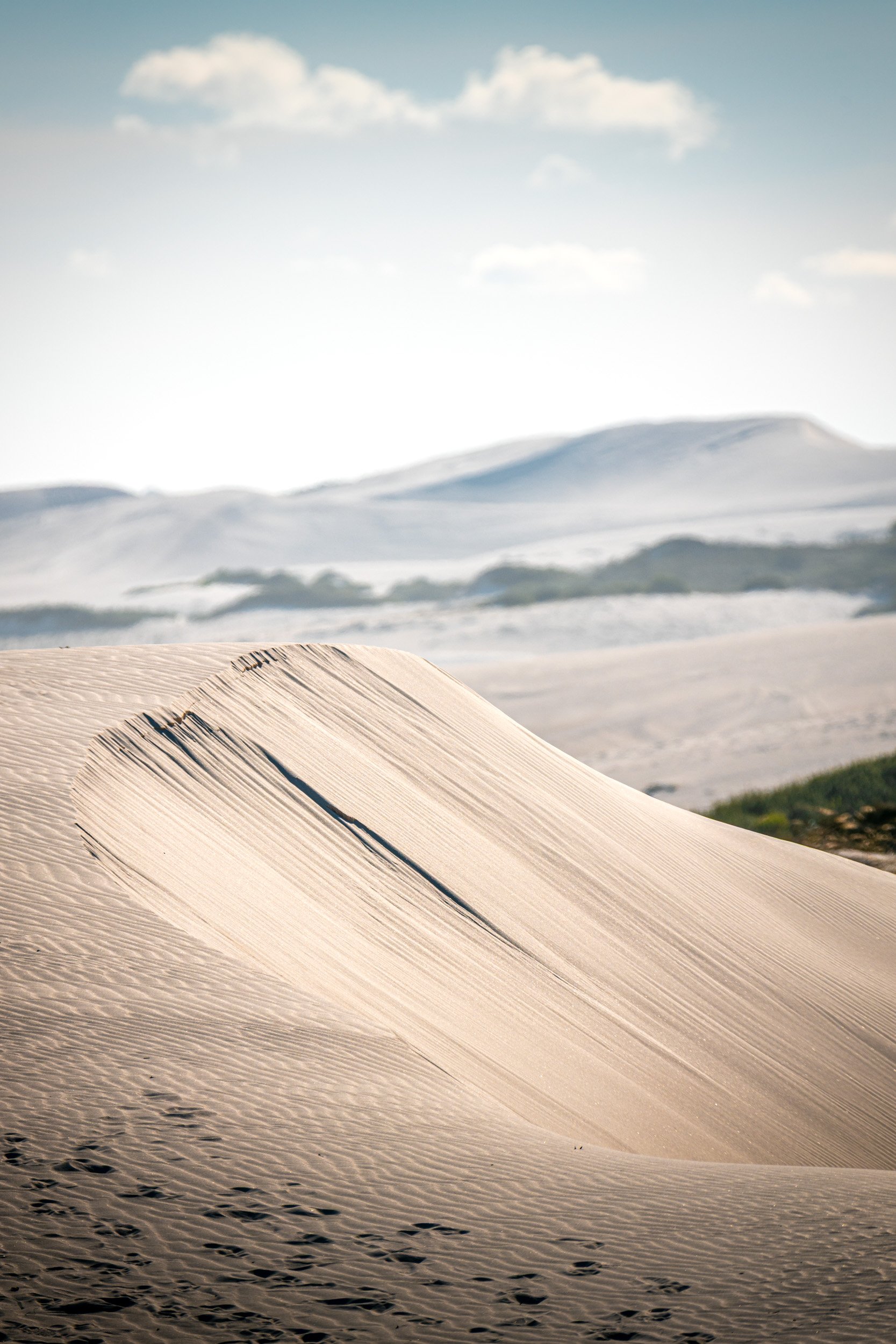
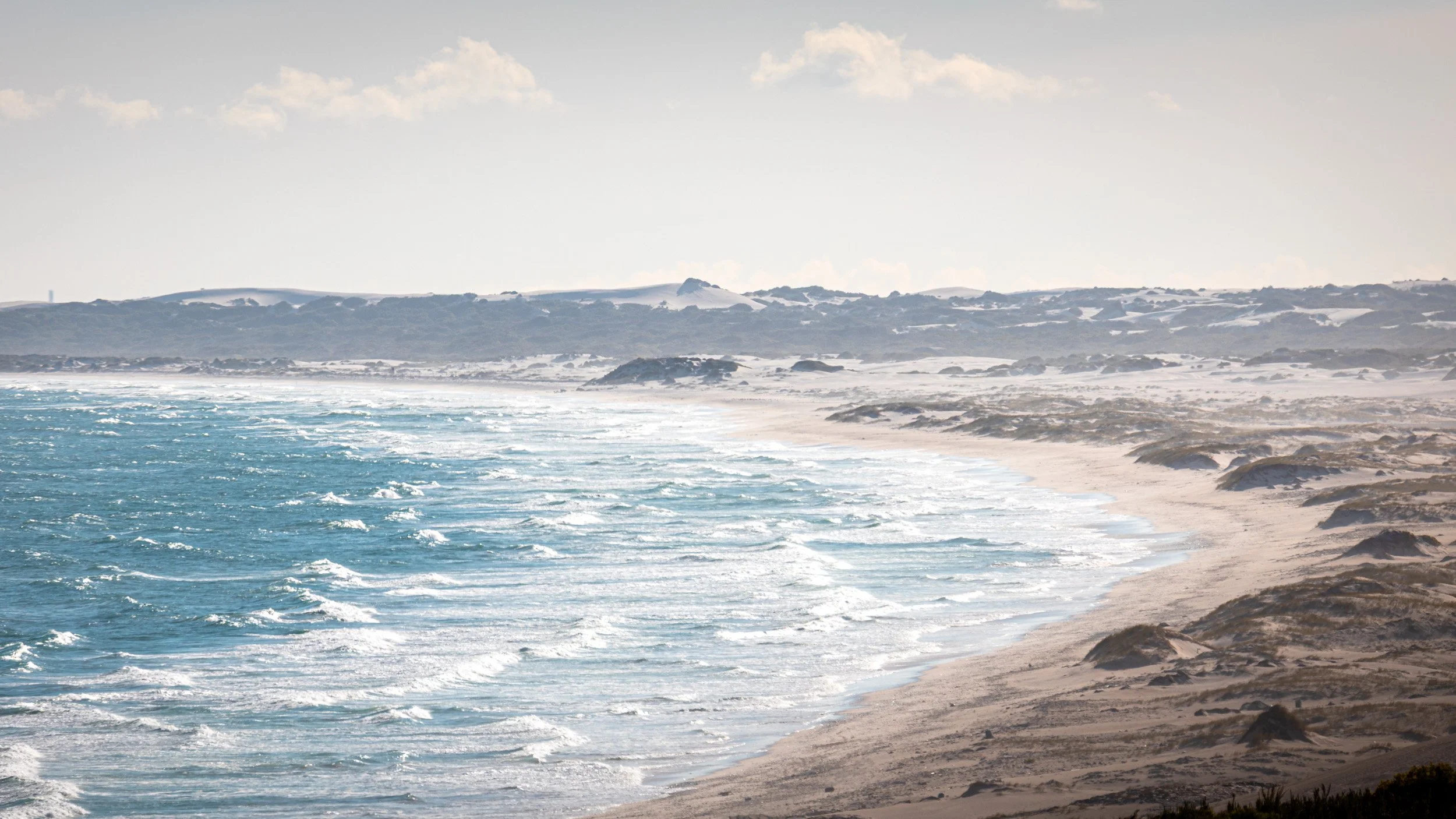
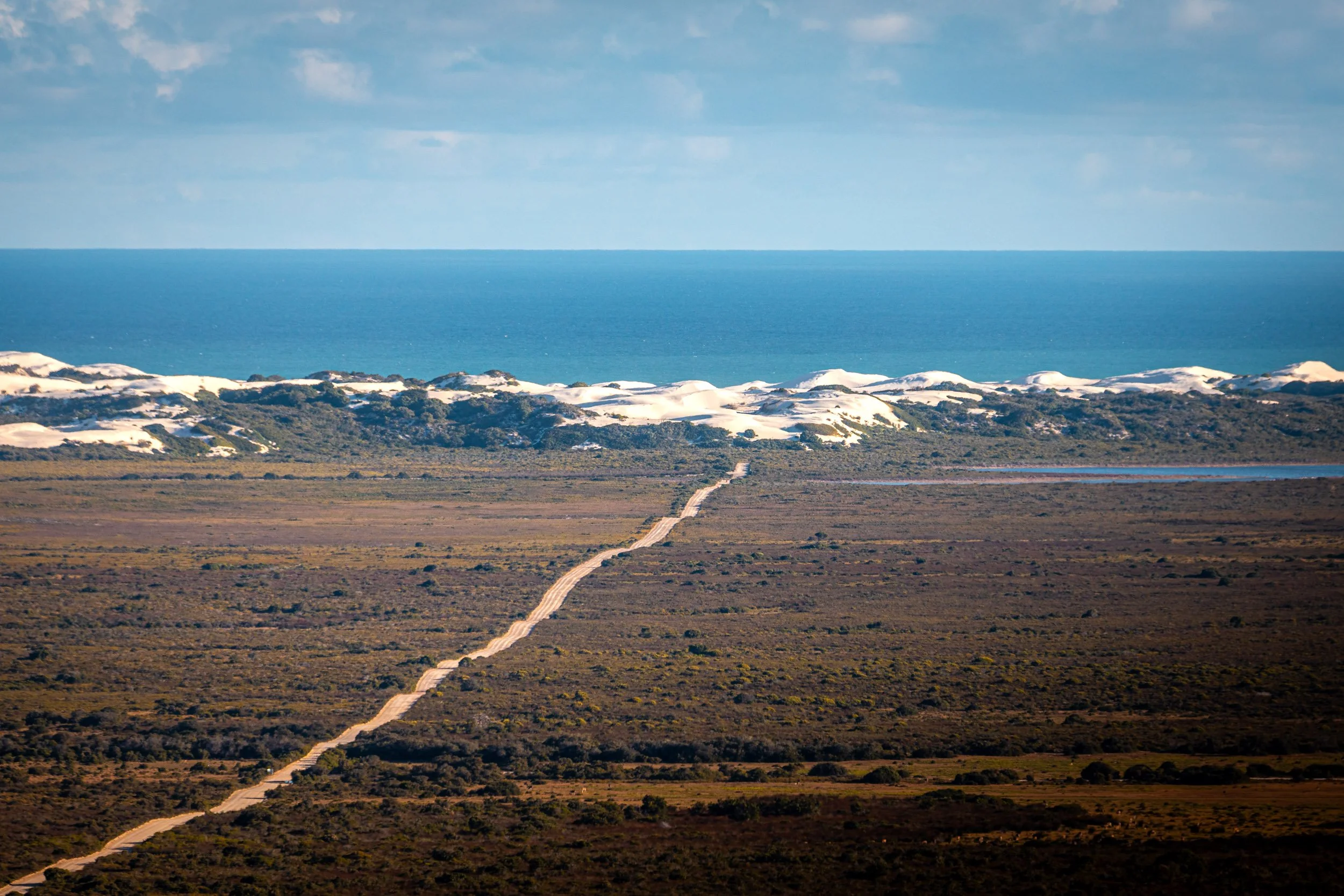
The next day, we headed towards the De Hoop Nature Reserve. The last 40 km or so of the route consisted of a wide and generally well-maintained gravel road, though it still had its fair share of potholes — one of which gave us a flat tire. Fortunately, we managed to reach the park entrance, where an employee kindly helped us change the tire. Unfortunately, this cost us some of the time we had planned for exploring the park, but we still had about two hours left to get an impression of the area and visit the sand dunes. We also spotted some wildlife in the park, such as oryx and ostriches.
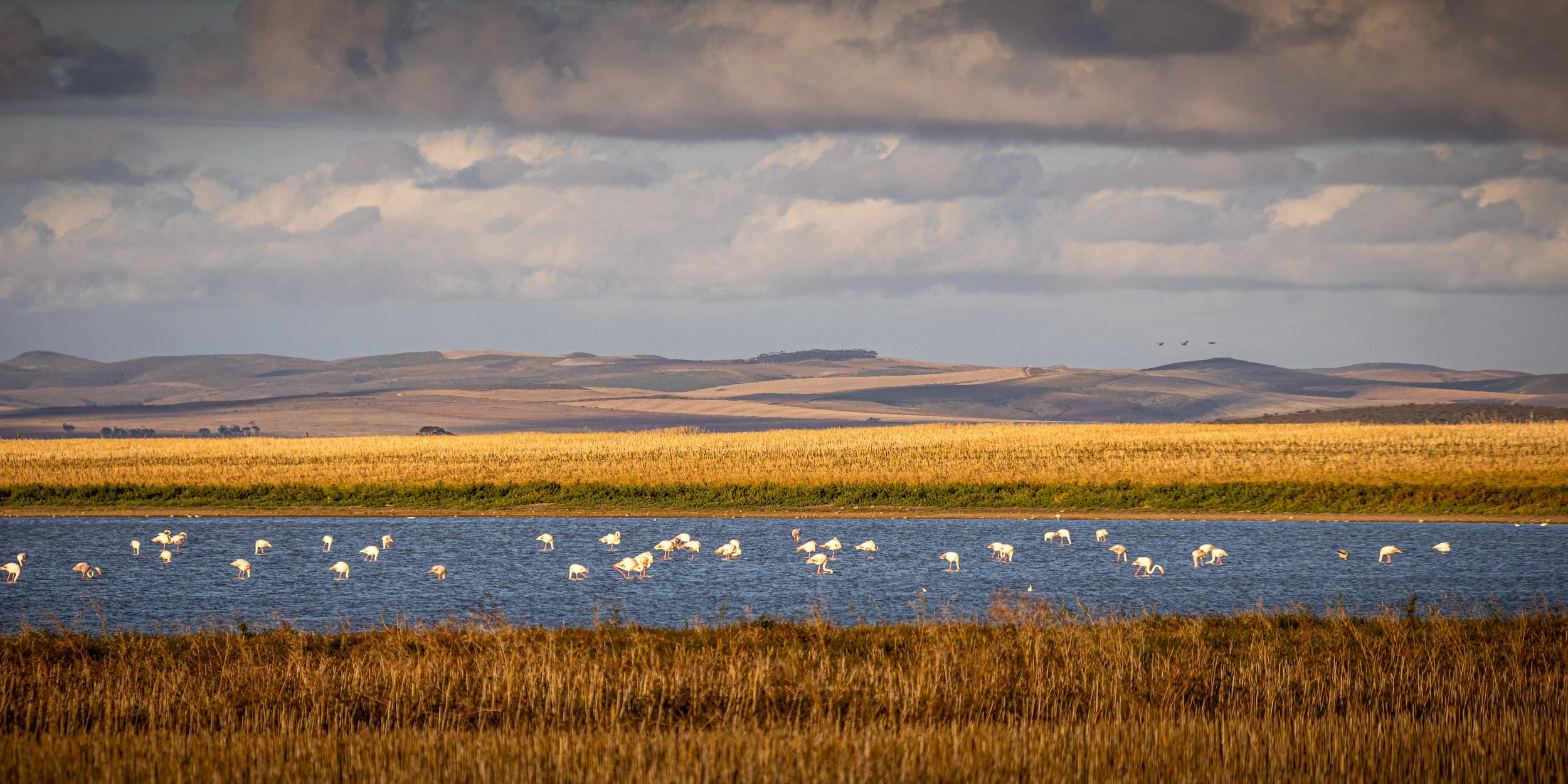
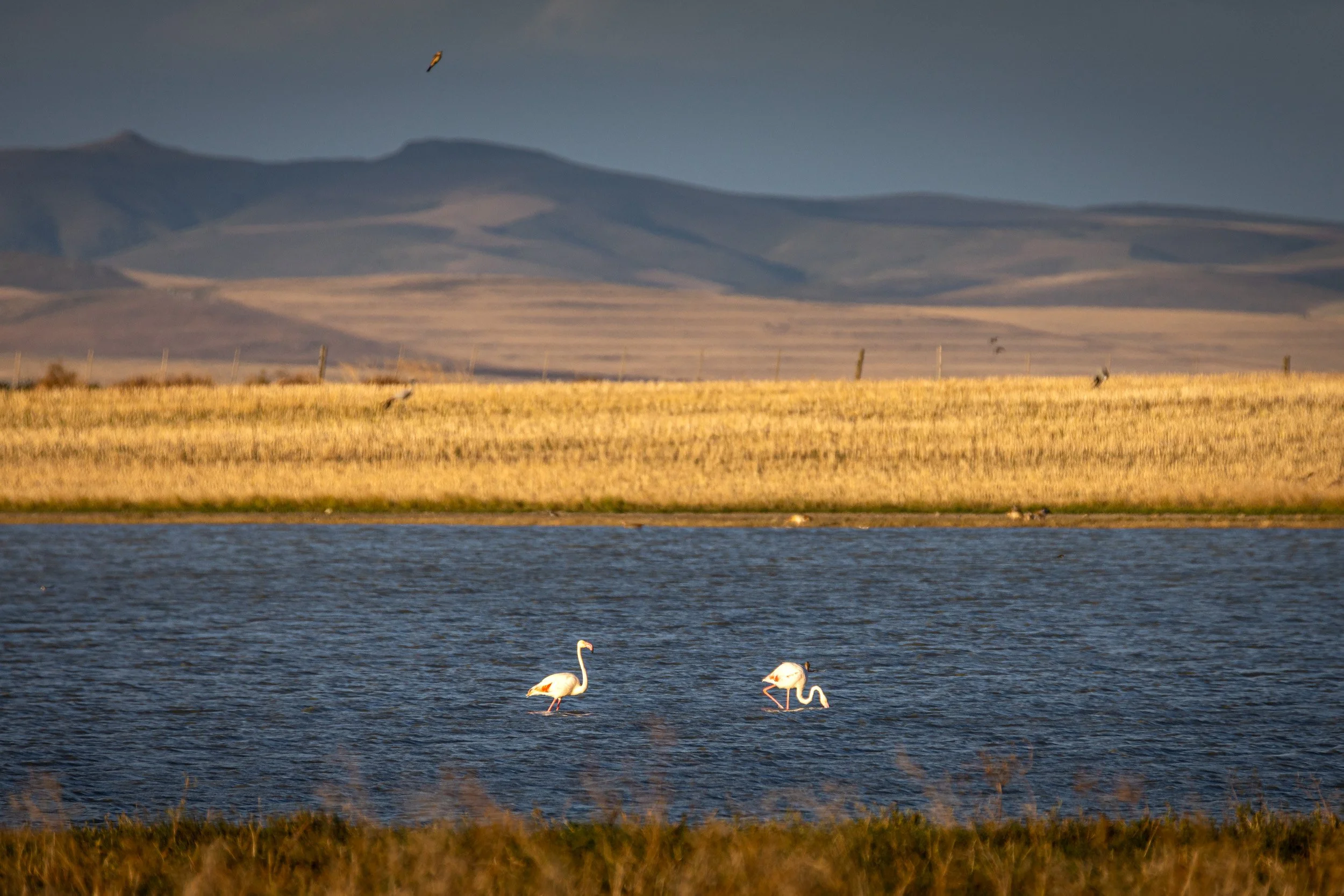
Afterwards, we continued for another 1.5 hours to our accommodation near Bredasdorp, where we arrived just in time for sunset. Shortly before reaching our lodge, we even spotted a flamboyance of flamingos. In Bredasdorp, we found a place to eat in the evening and then went straight to bed after the long day of driving.
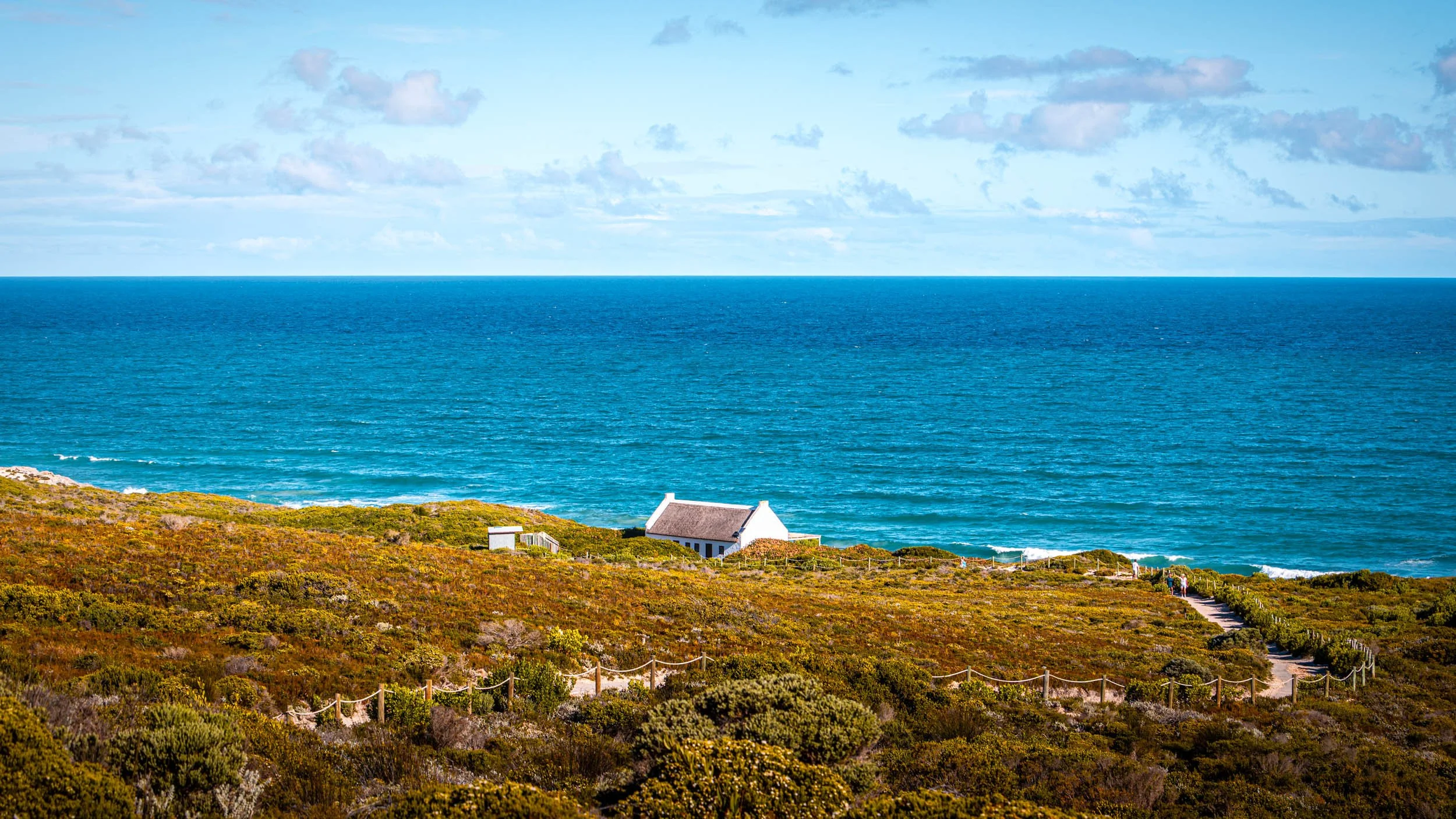
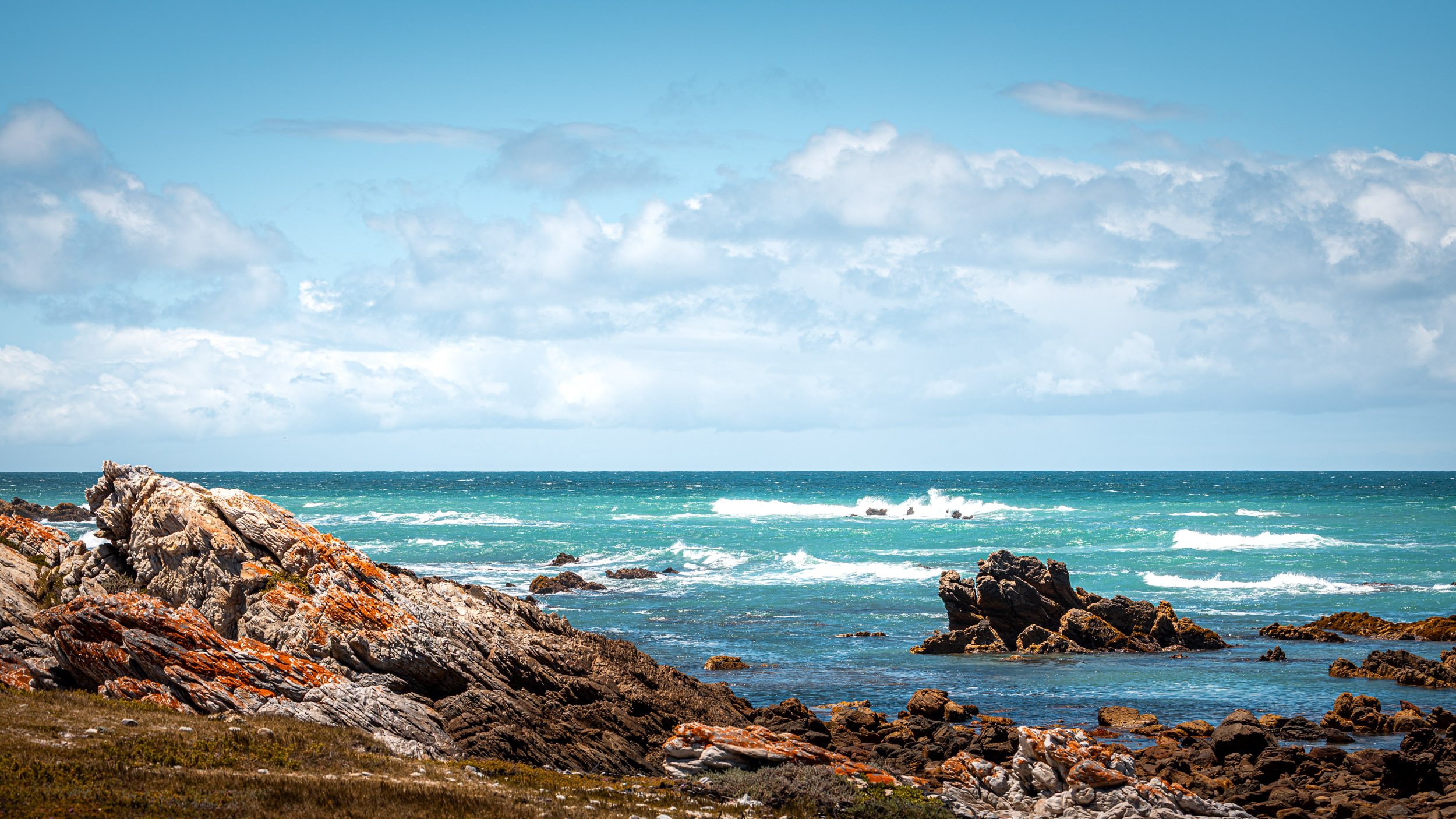
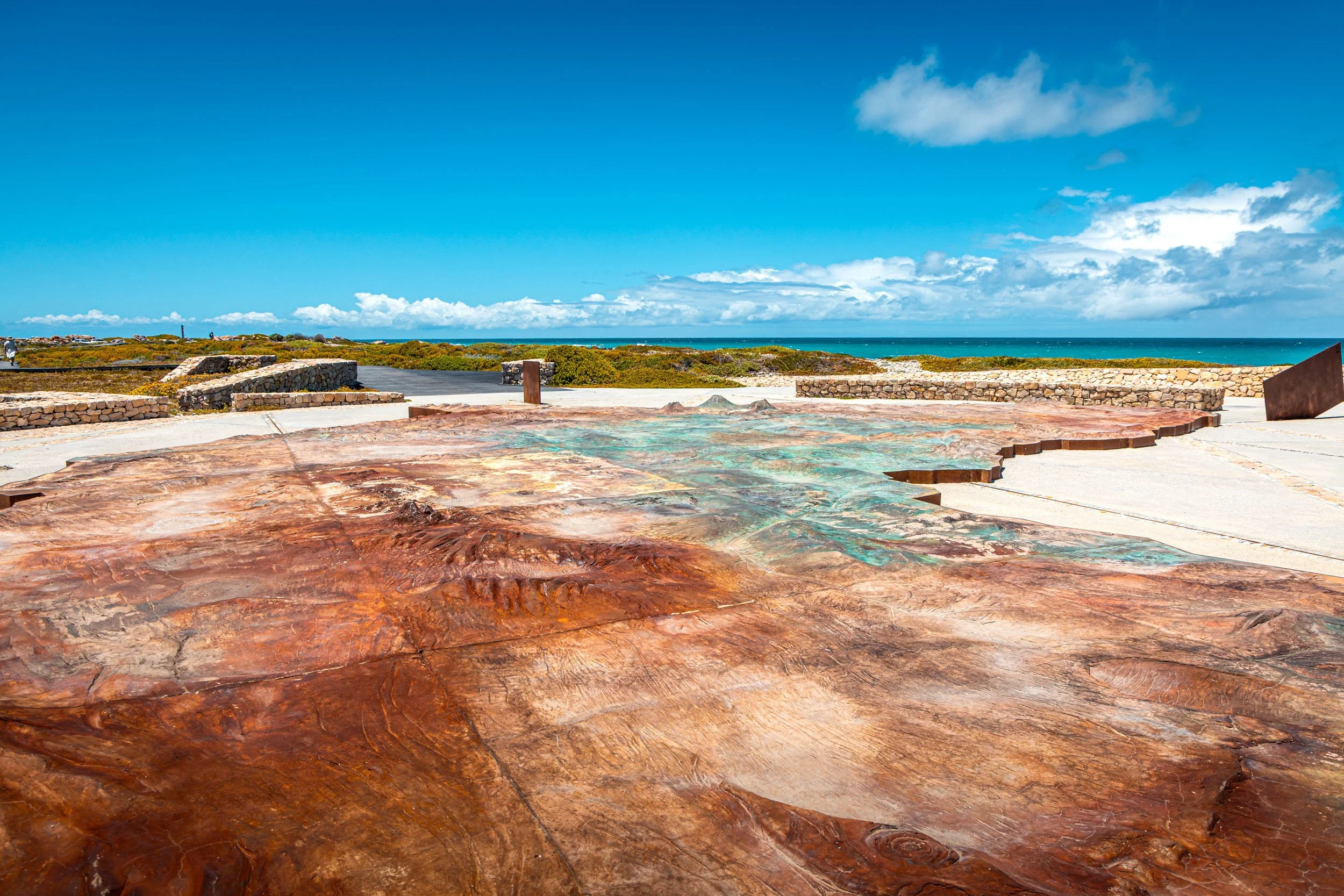
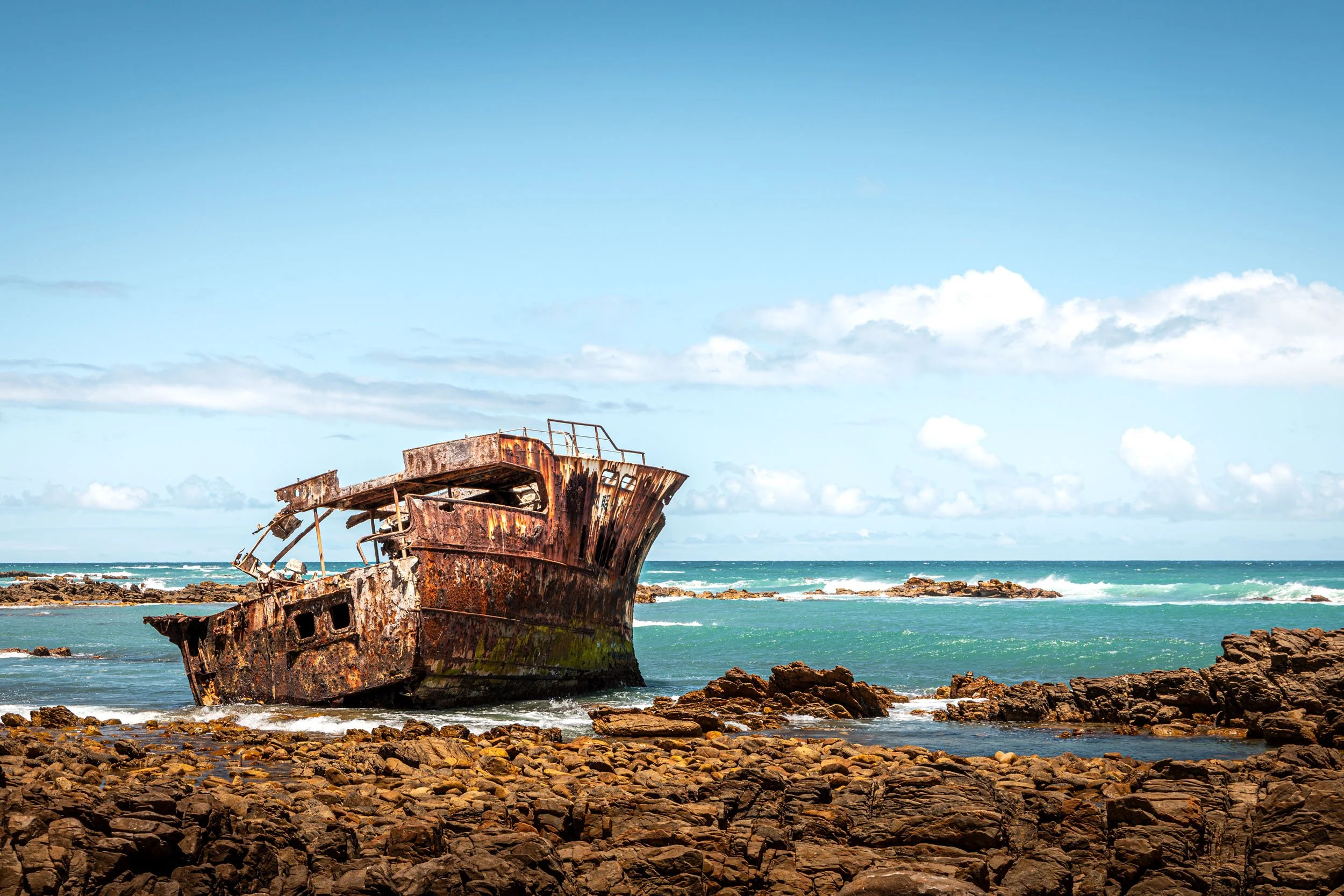
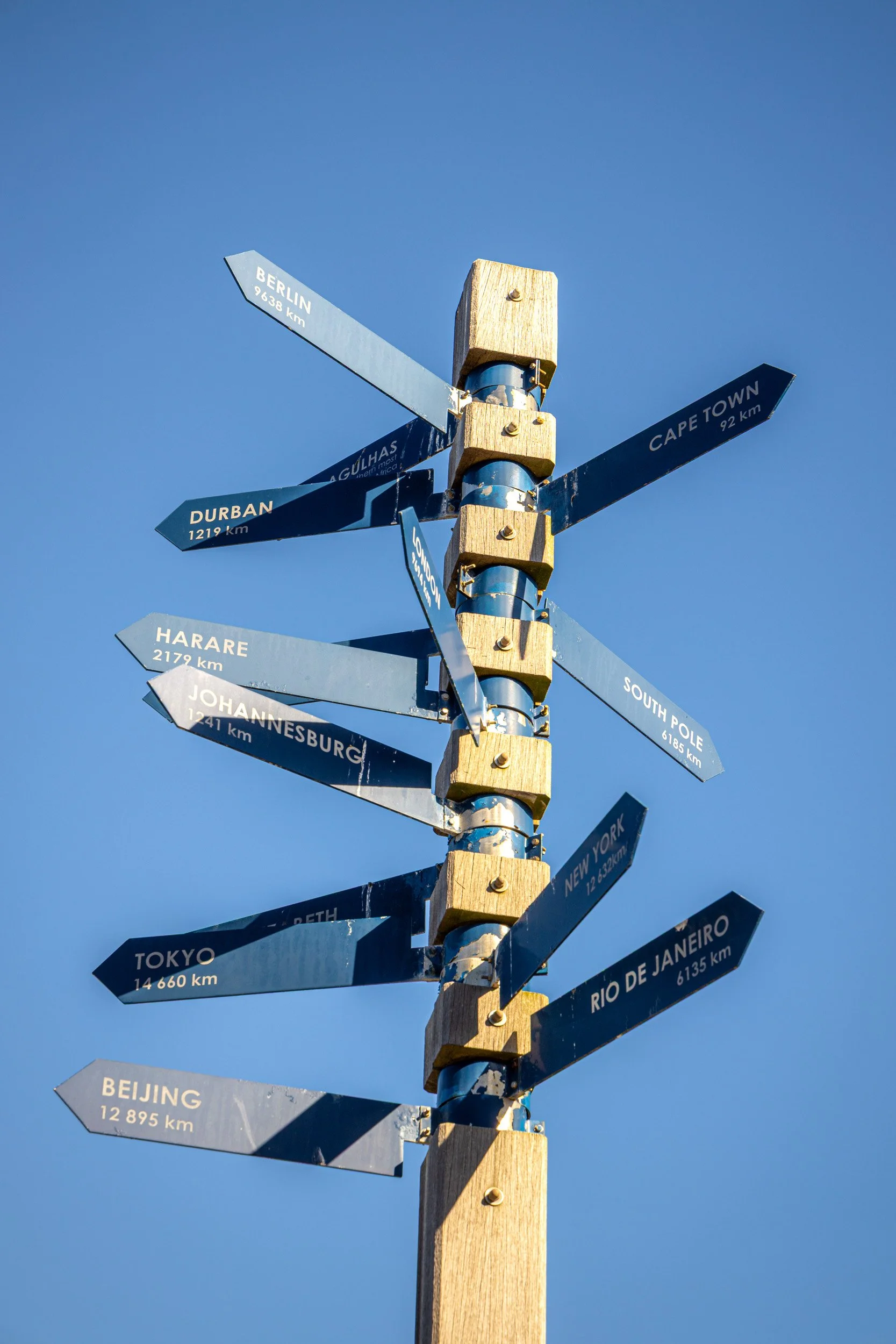
The next morning, we headed back toward the coast to visit Cape Agulhas. There is a beautiful lighthouse, several shipwrecks, and of course the southernmost point of Africa, where the Indian and Atlantic Oceans meet. The area is a lovely place to linger, offering charming shops, cafés, and restaurants.




Hermanus
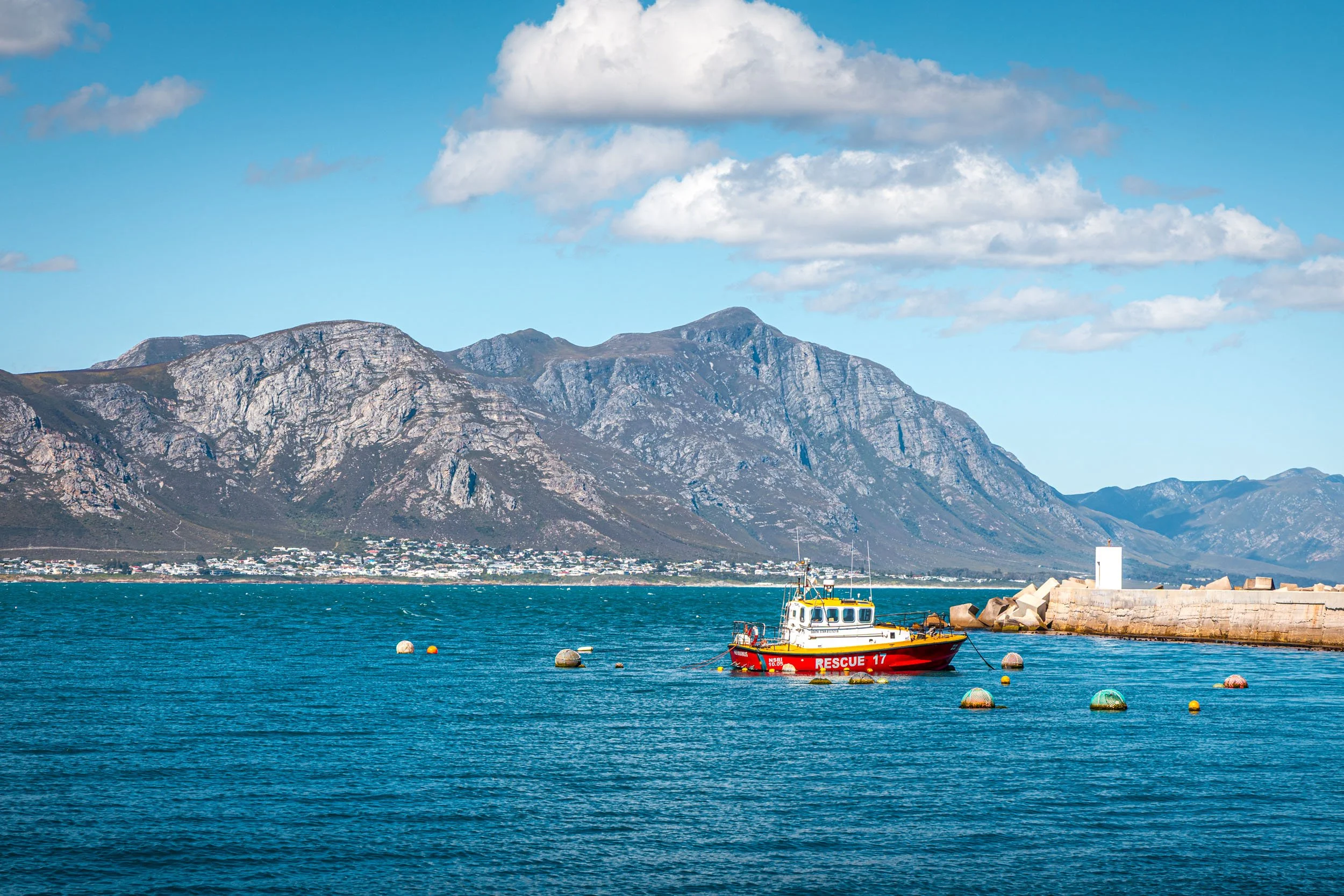
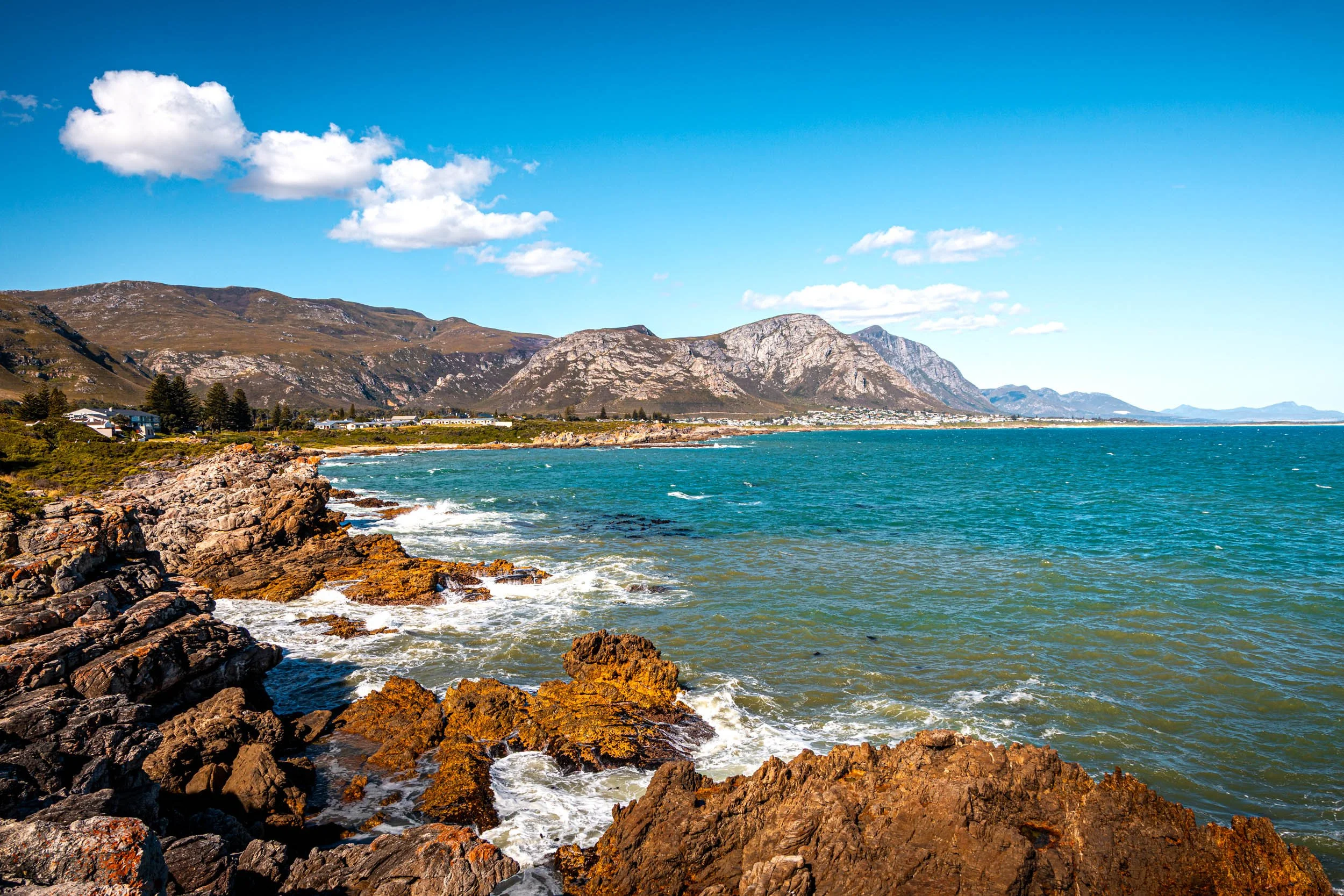
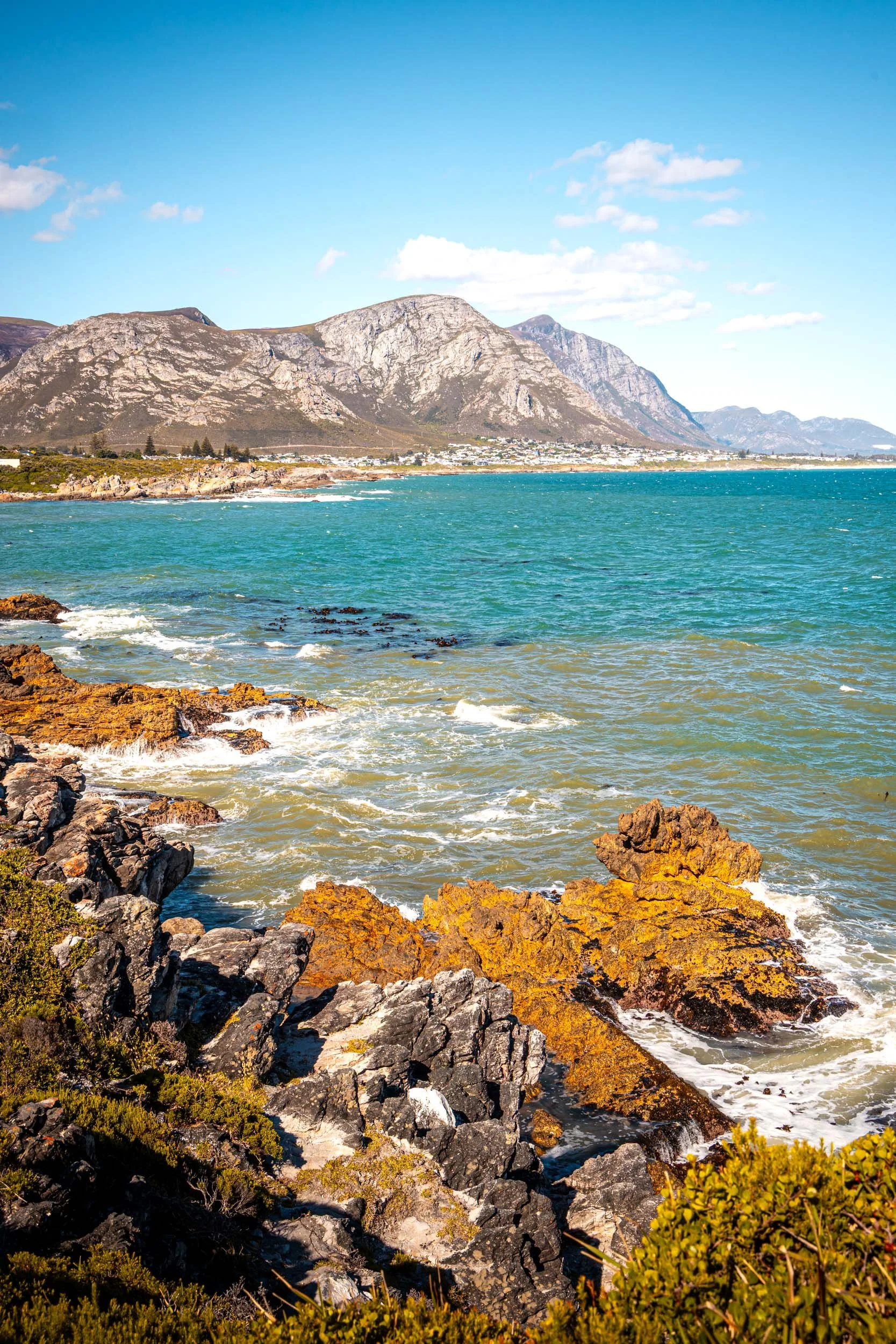
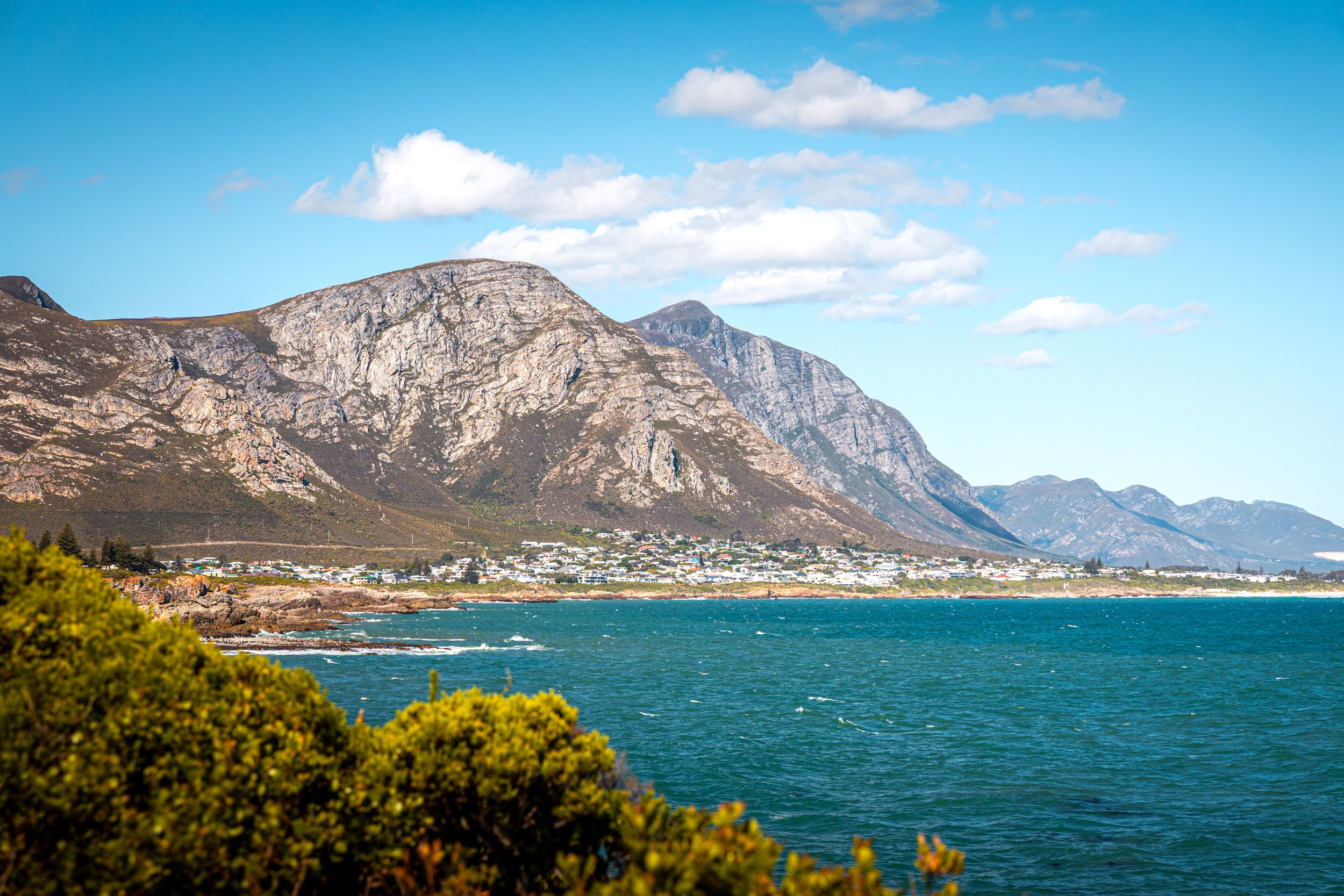
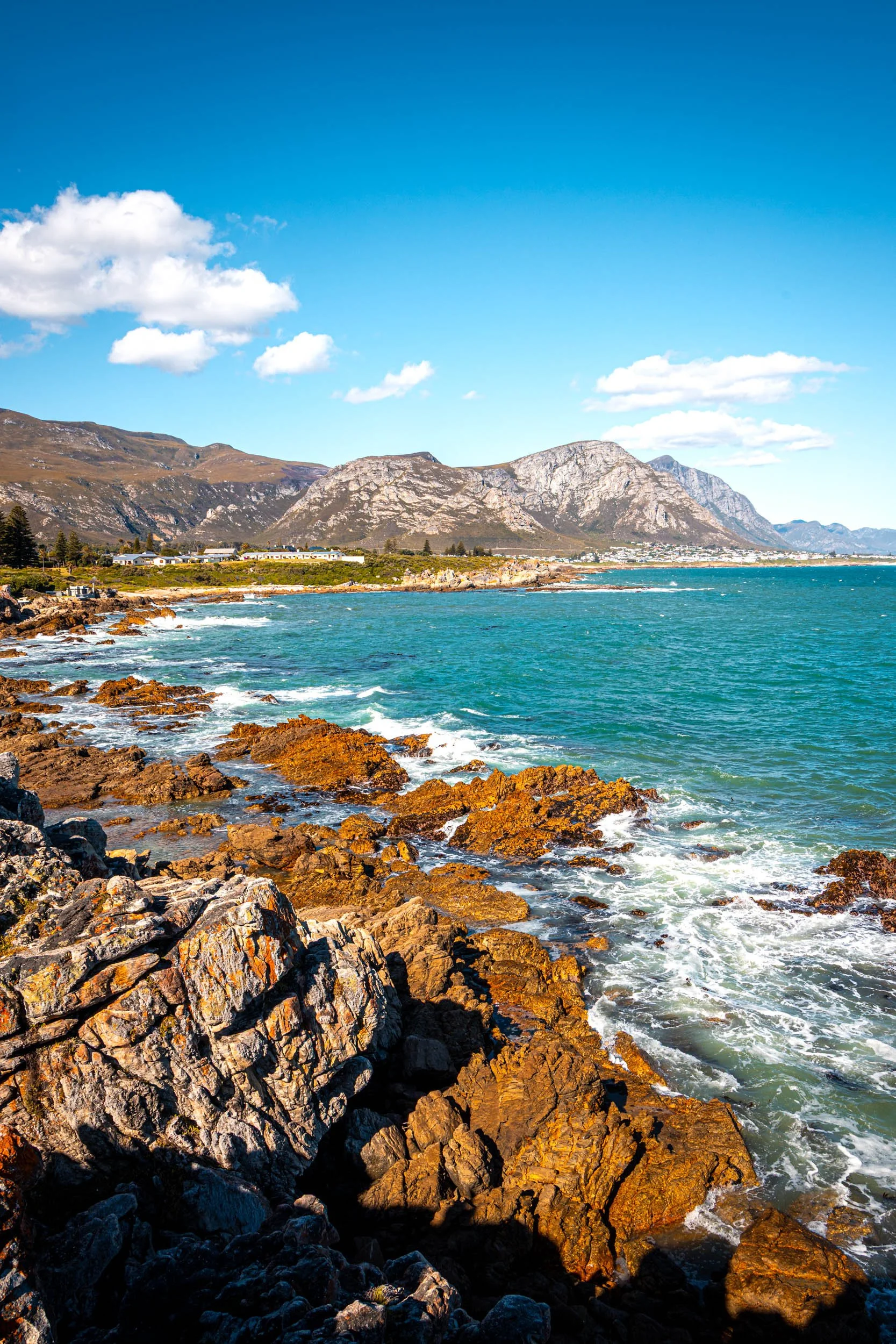
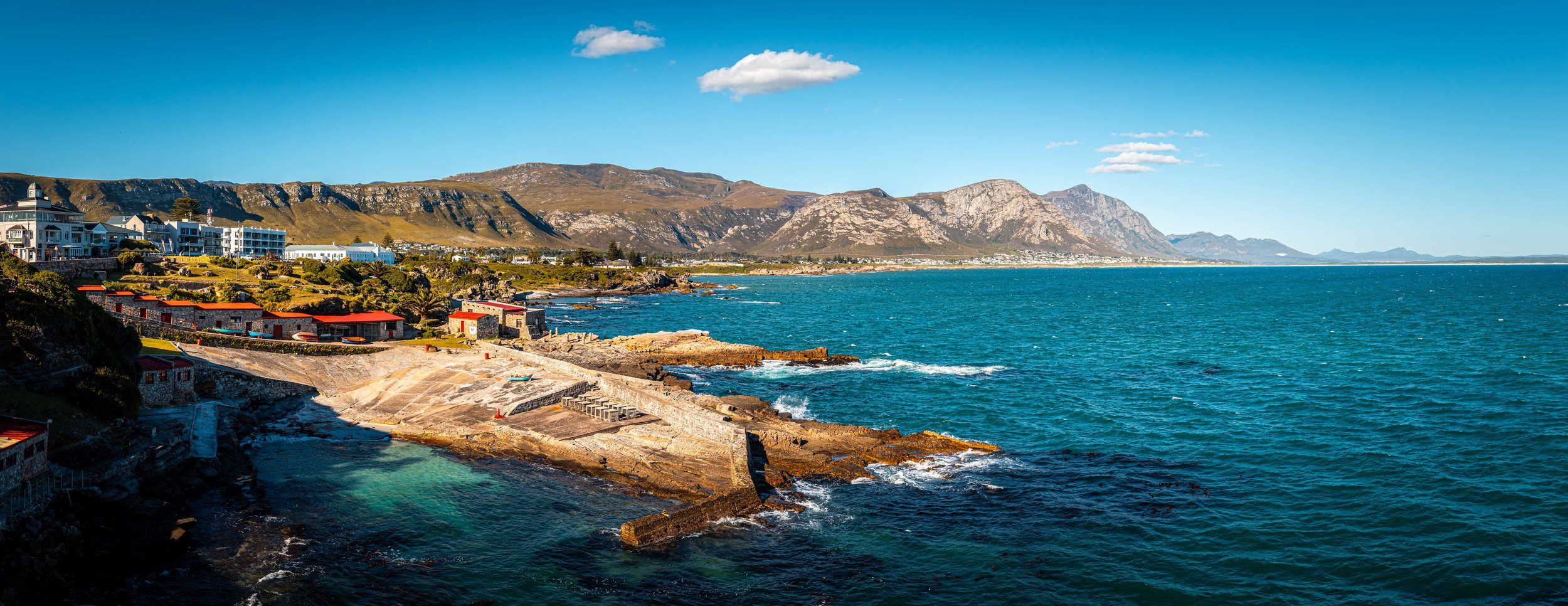
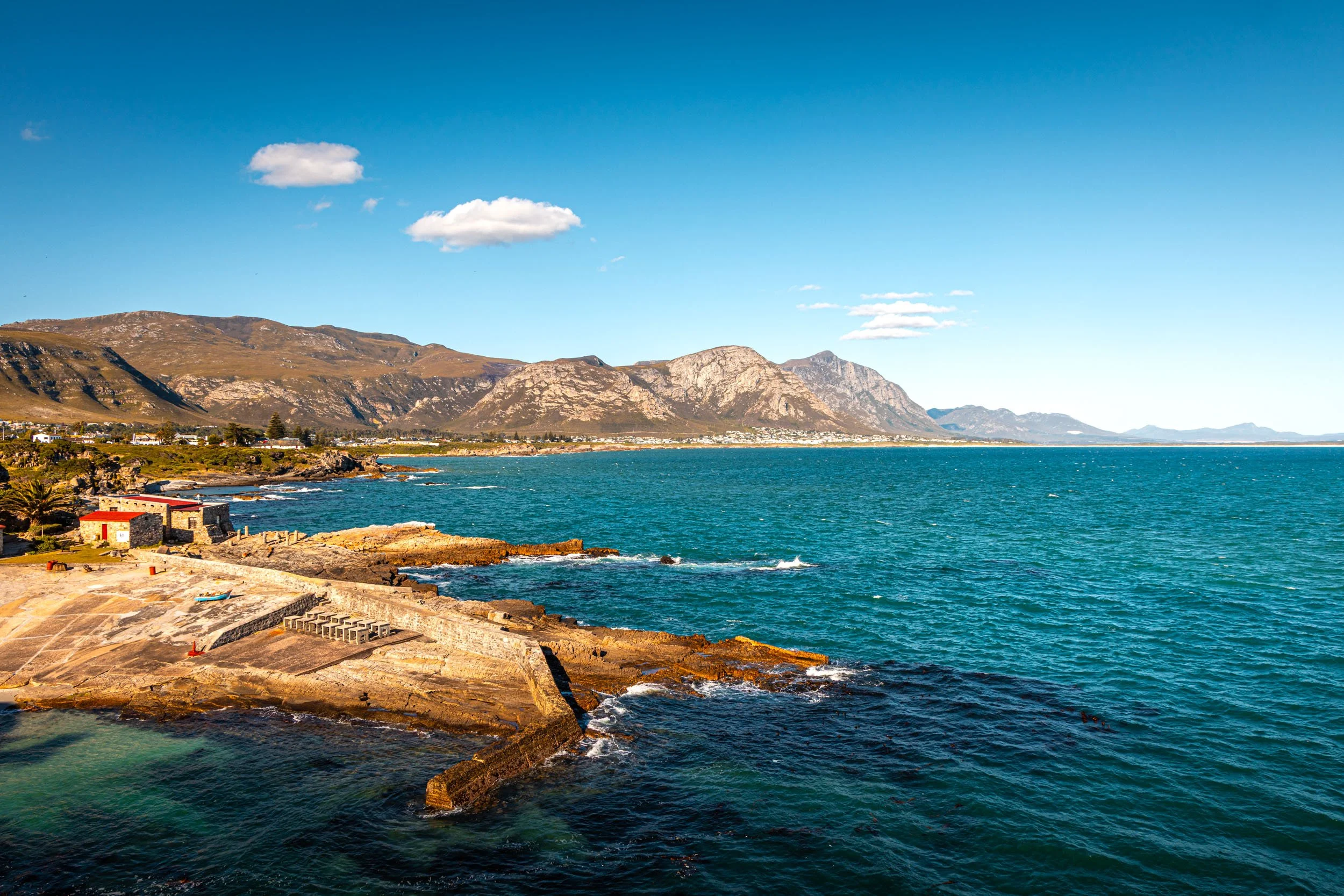
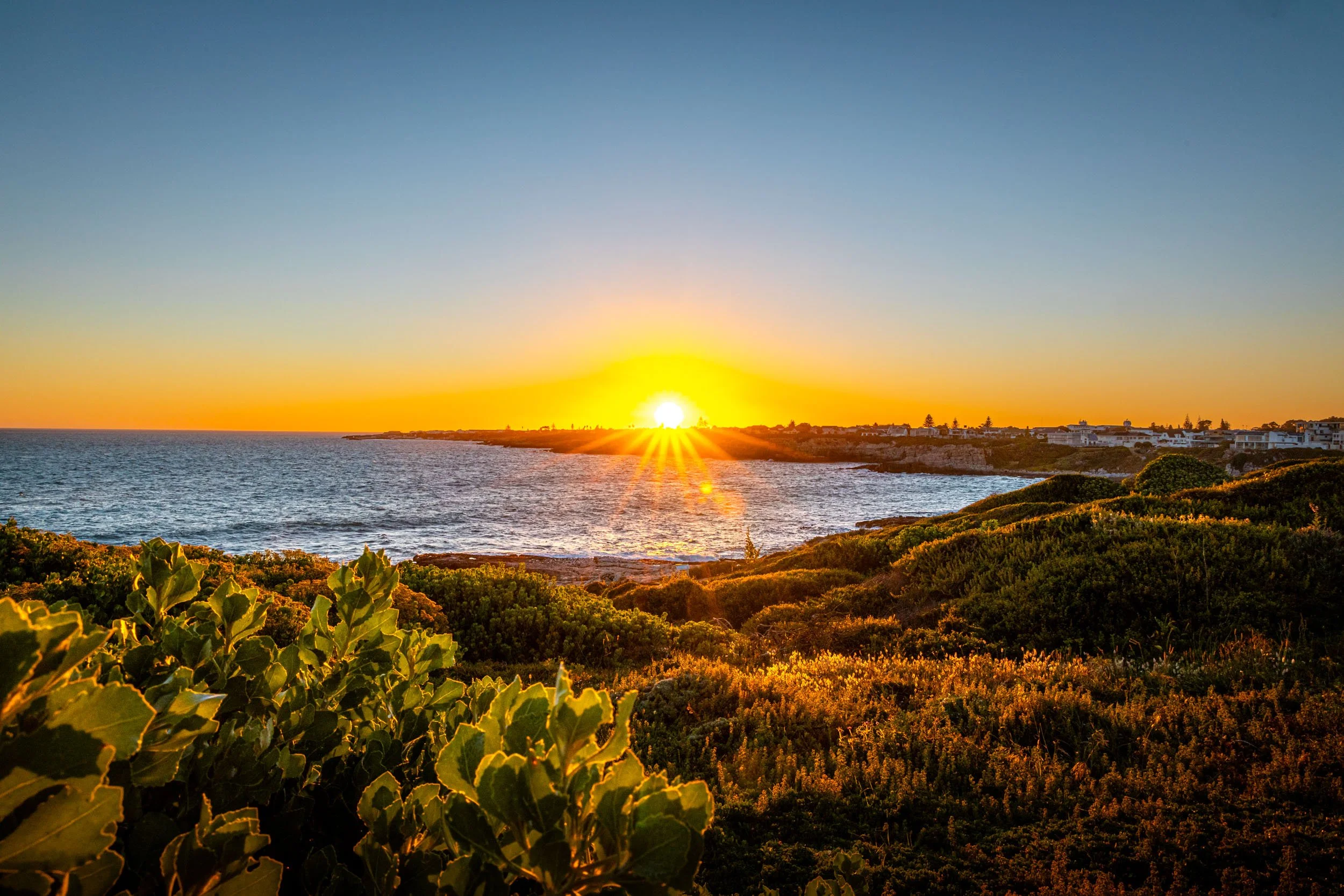
From Cape Agulhas, we continued to the coastal town of Hermanus, about a 1.5-hour drive away, which had been highly recommended to us by friends. When we arrived, we immediately understood why: stunning sea views and a great selection of charming cafés and restaurants. After a walk along the coast, we had dinner at The Wine Glass and then enjoyed the sunset.
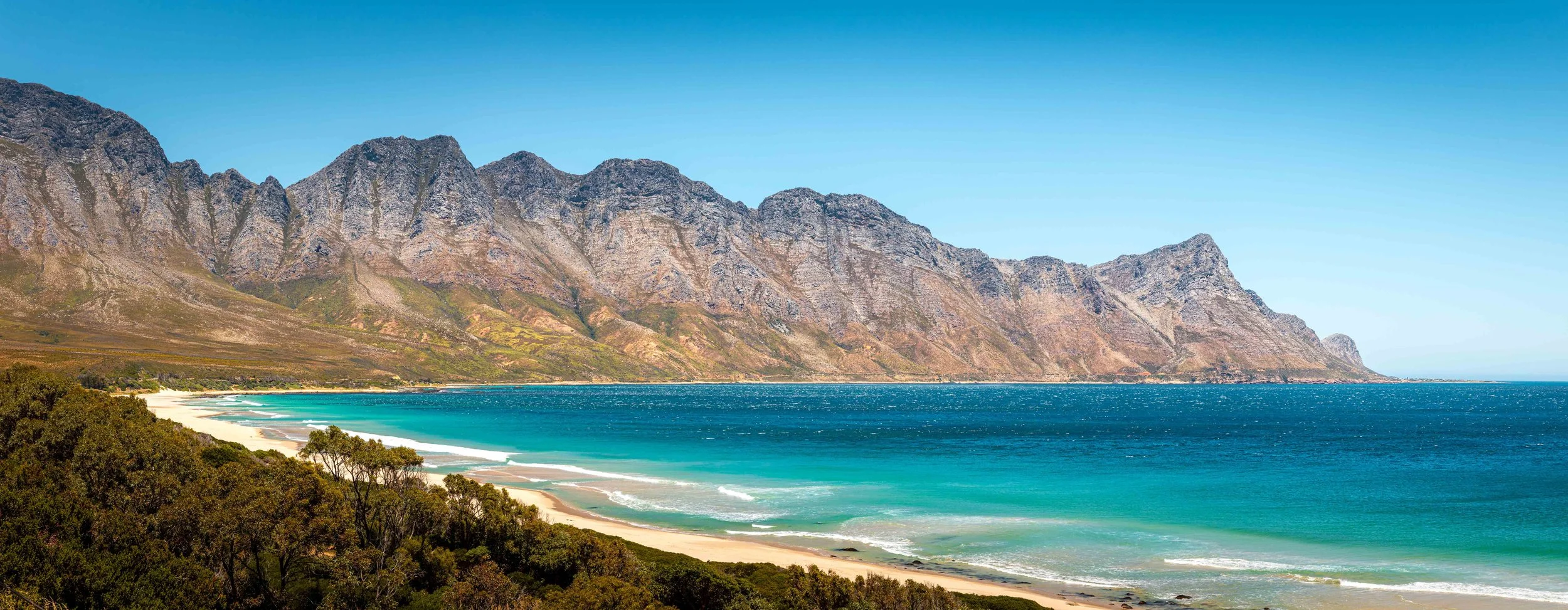
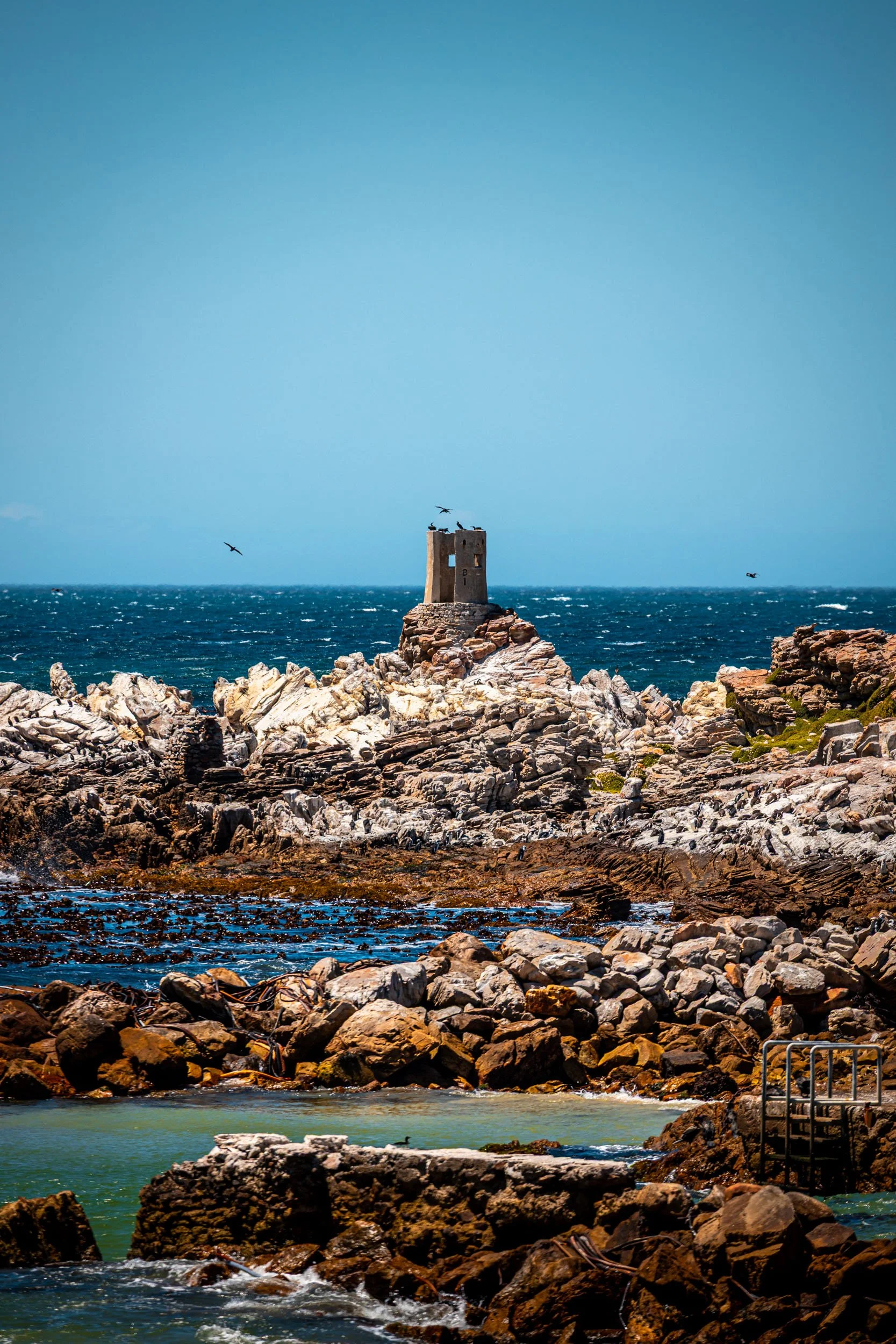
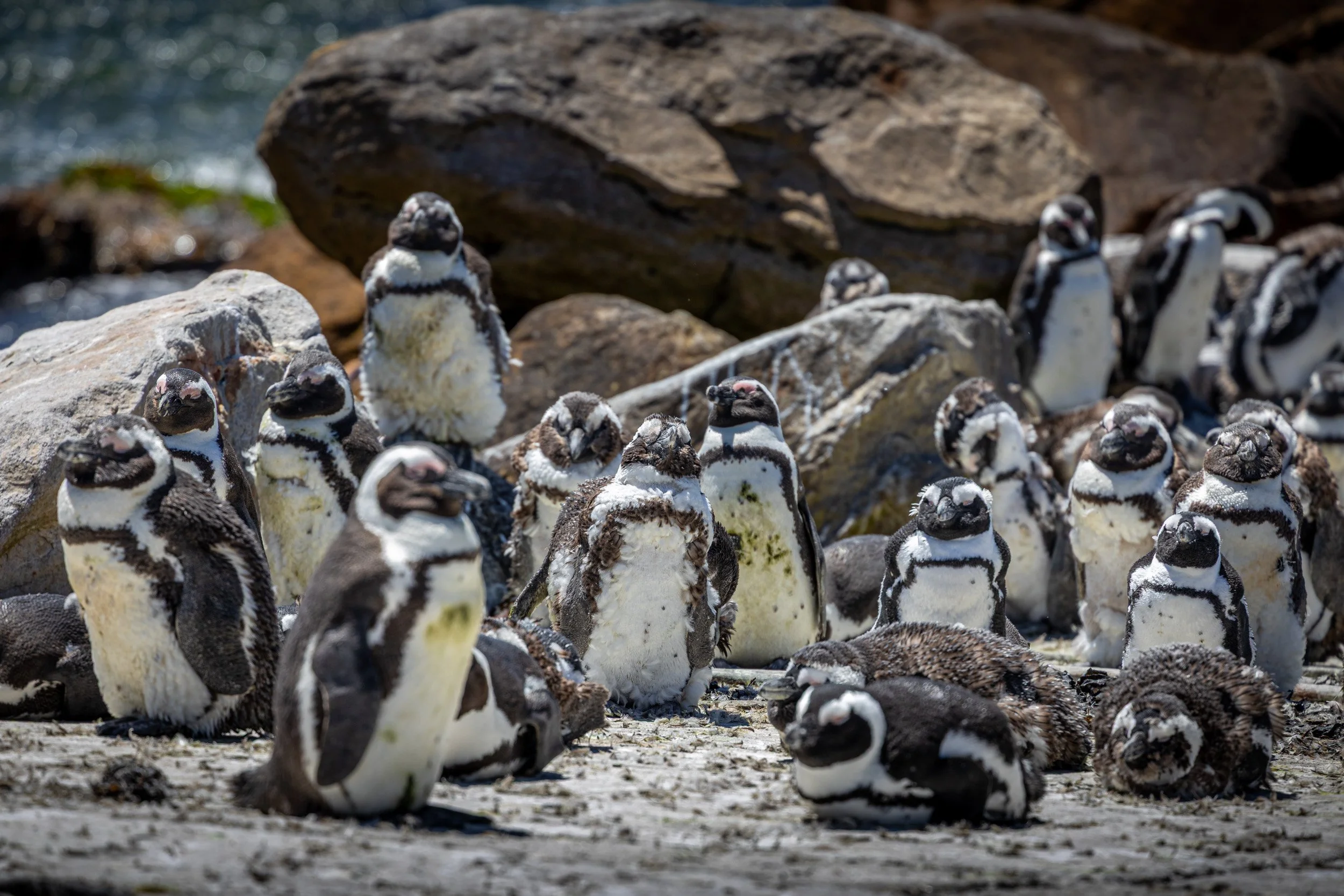
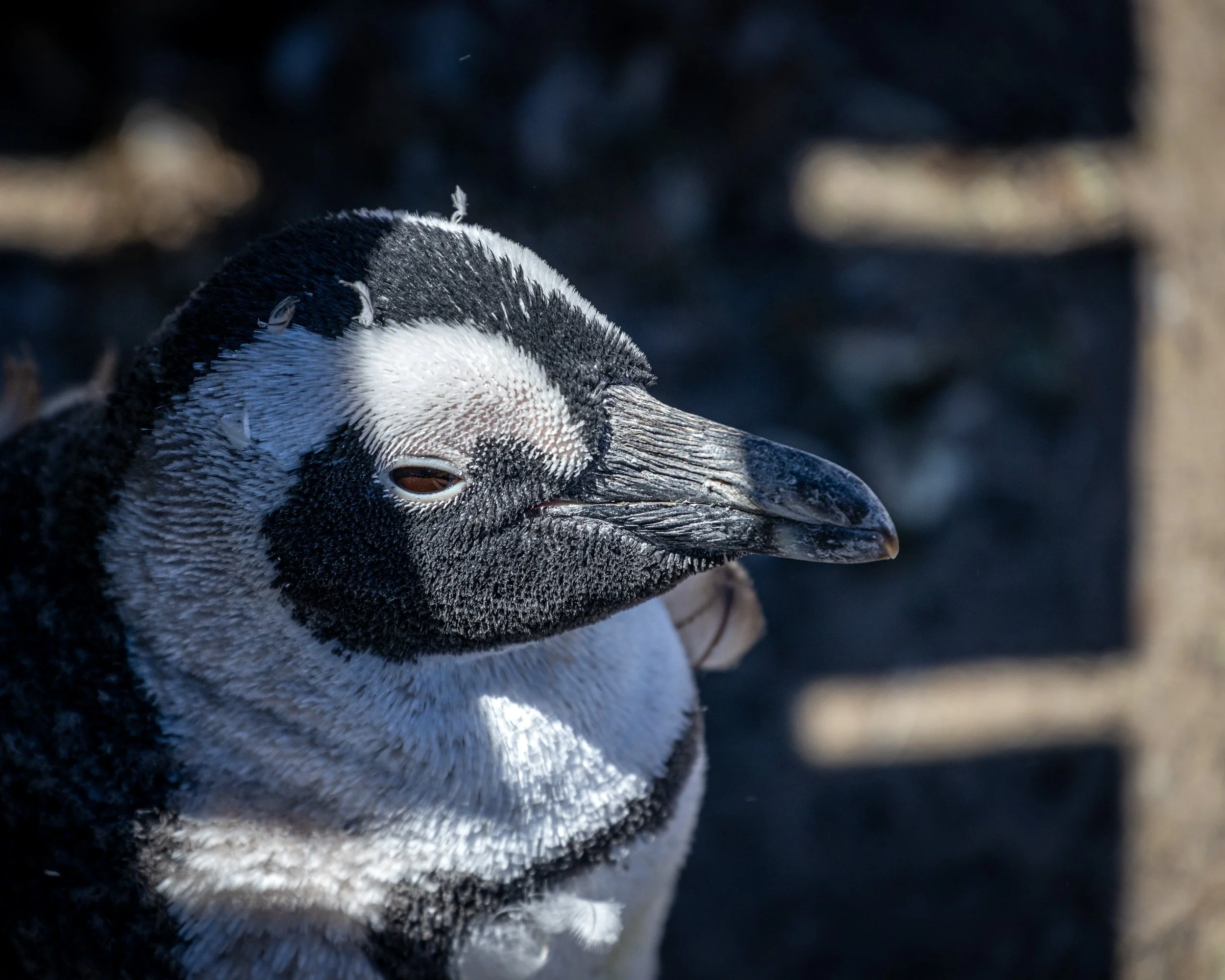
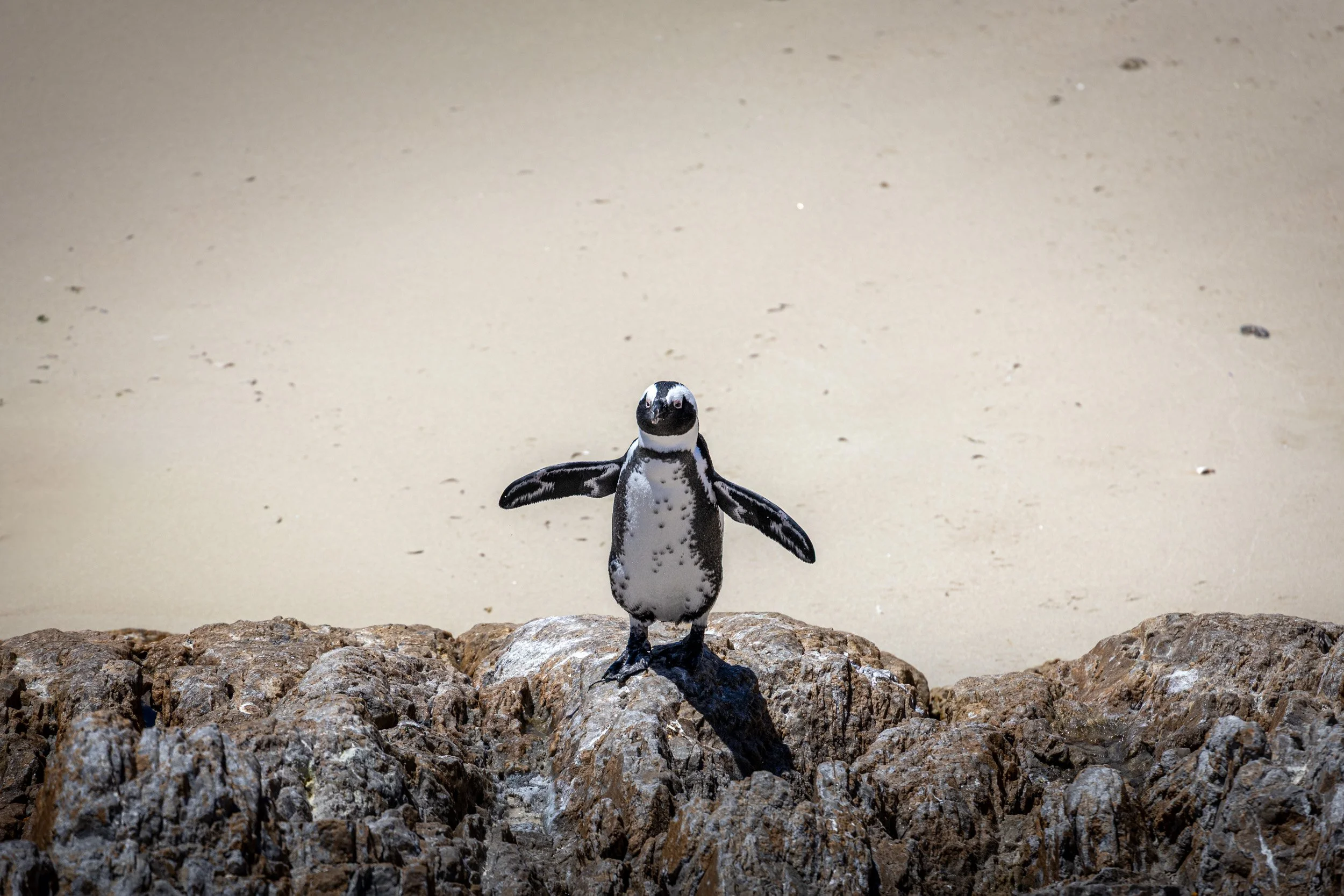
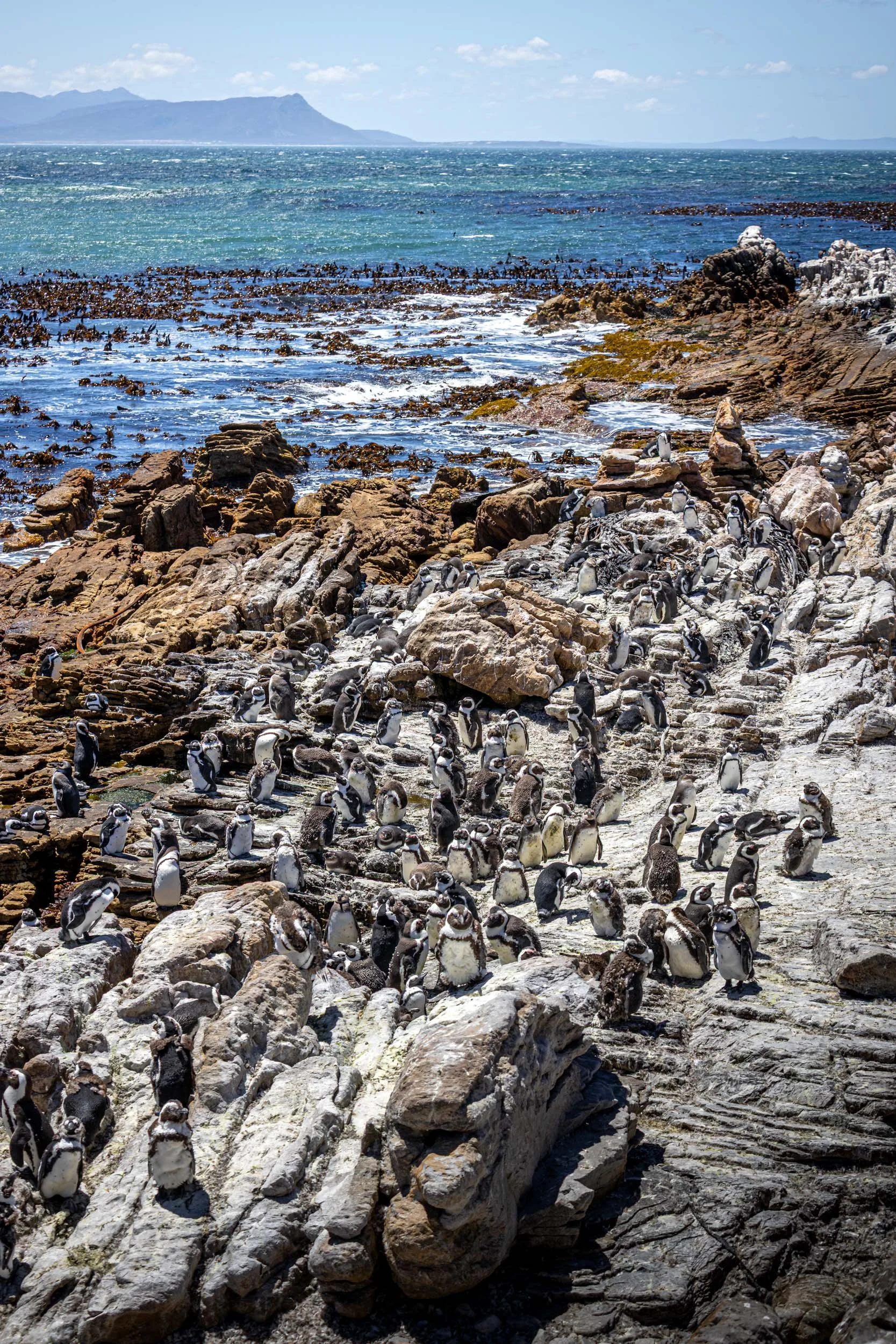
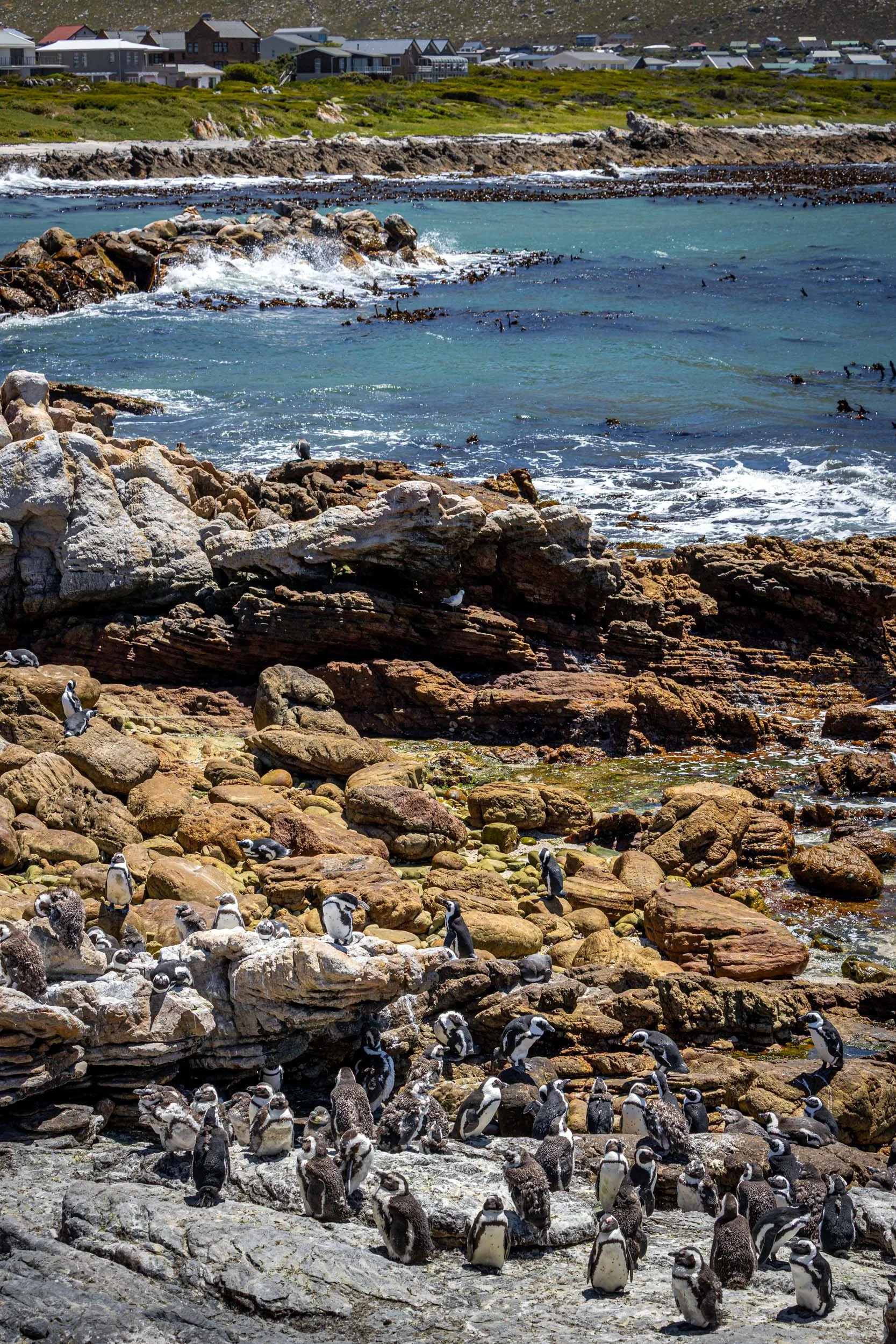
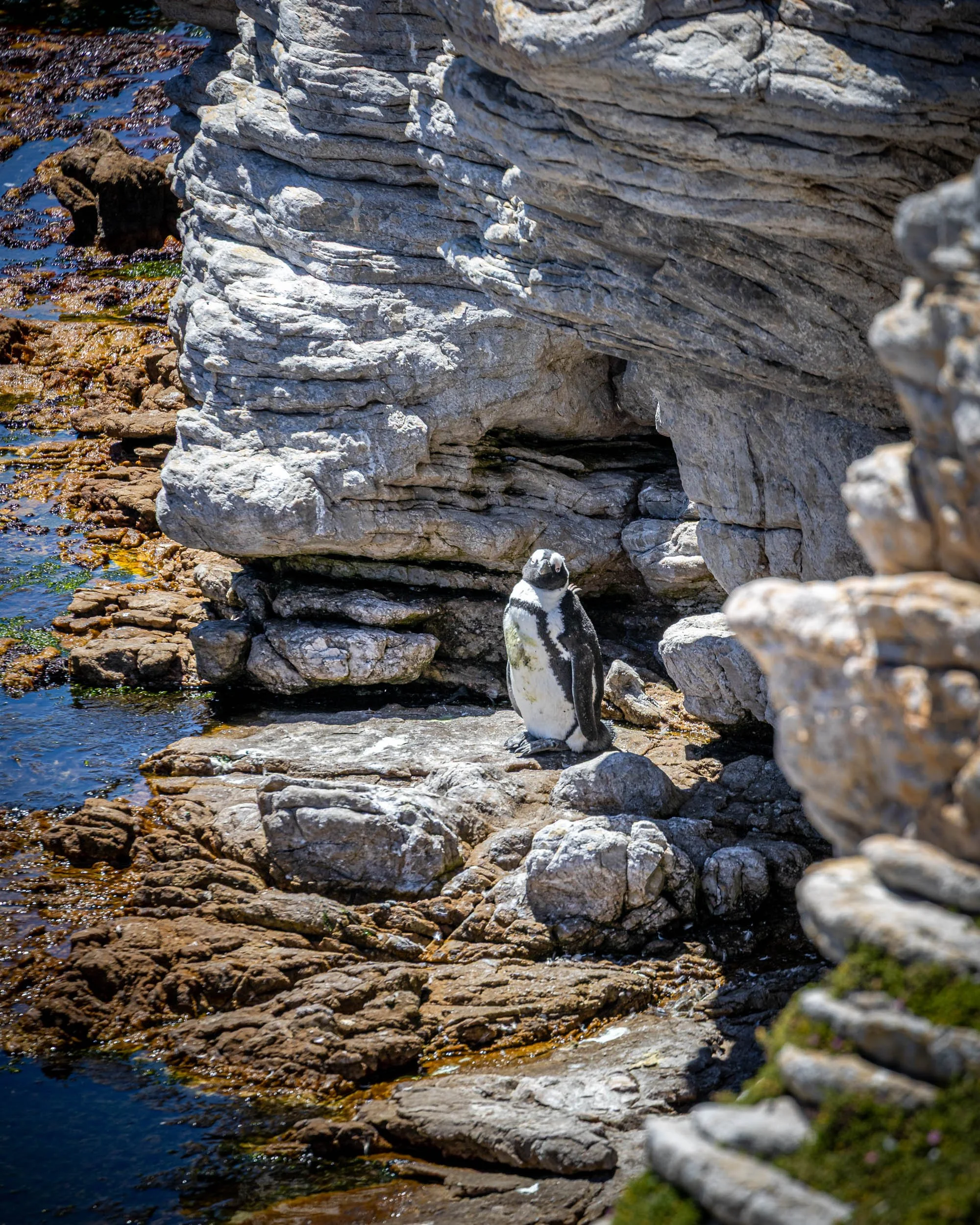
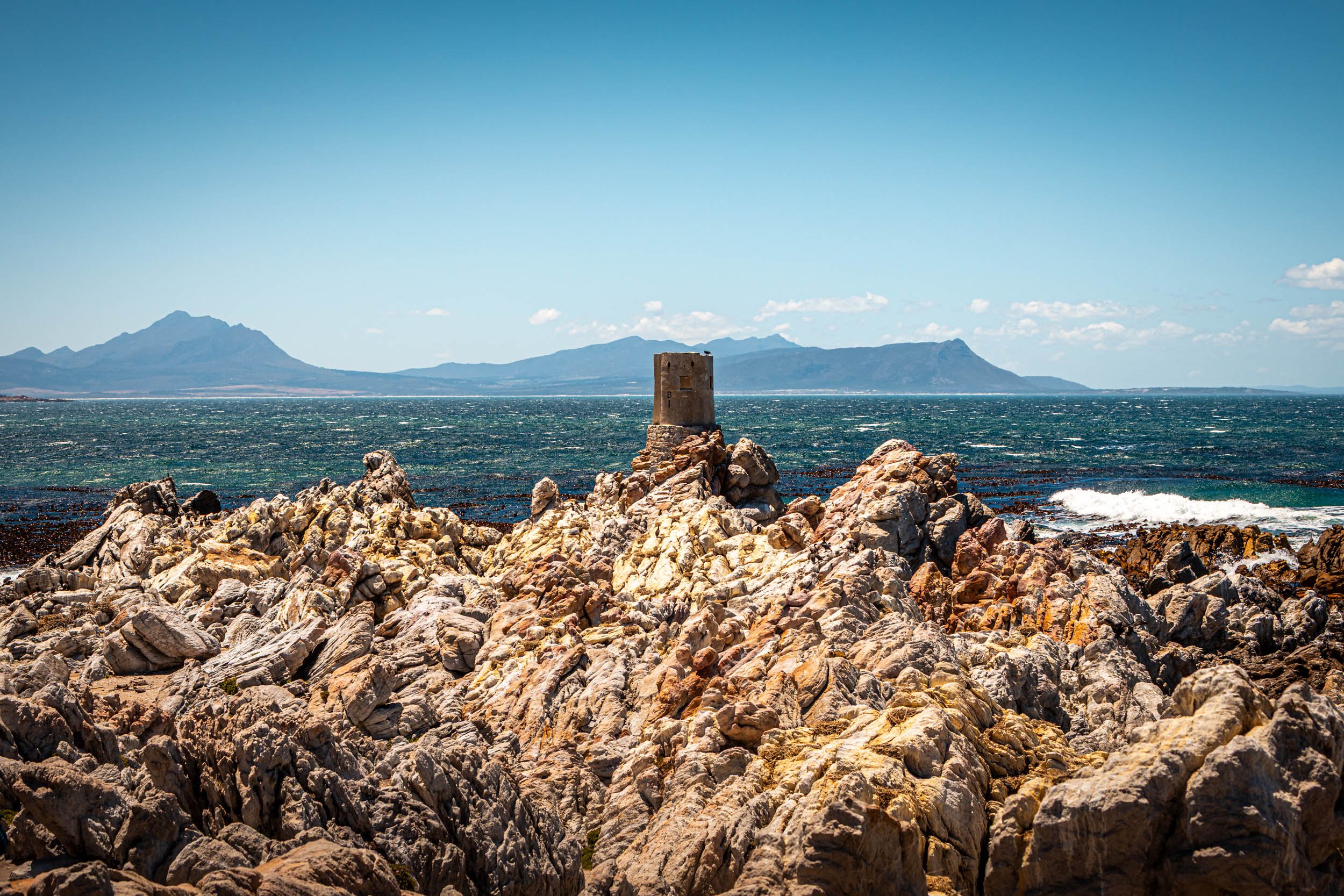
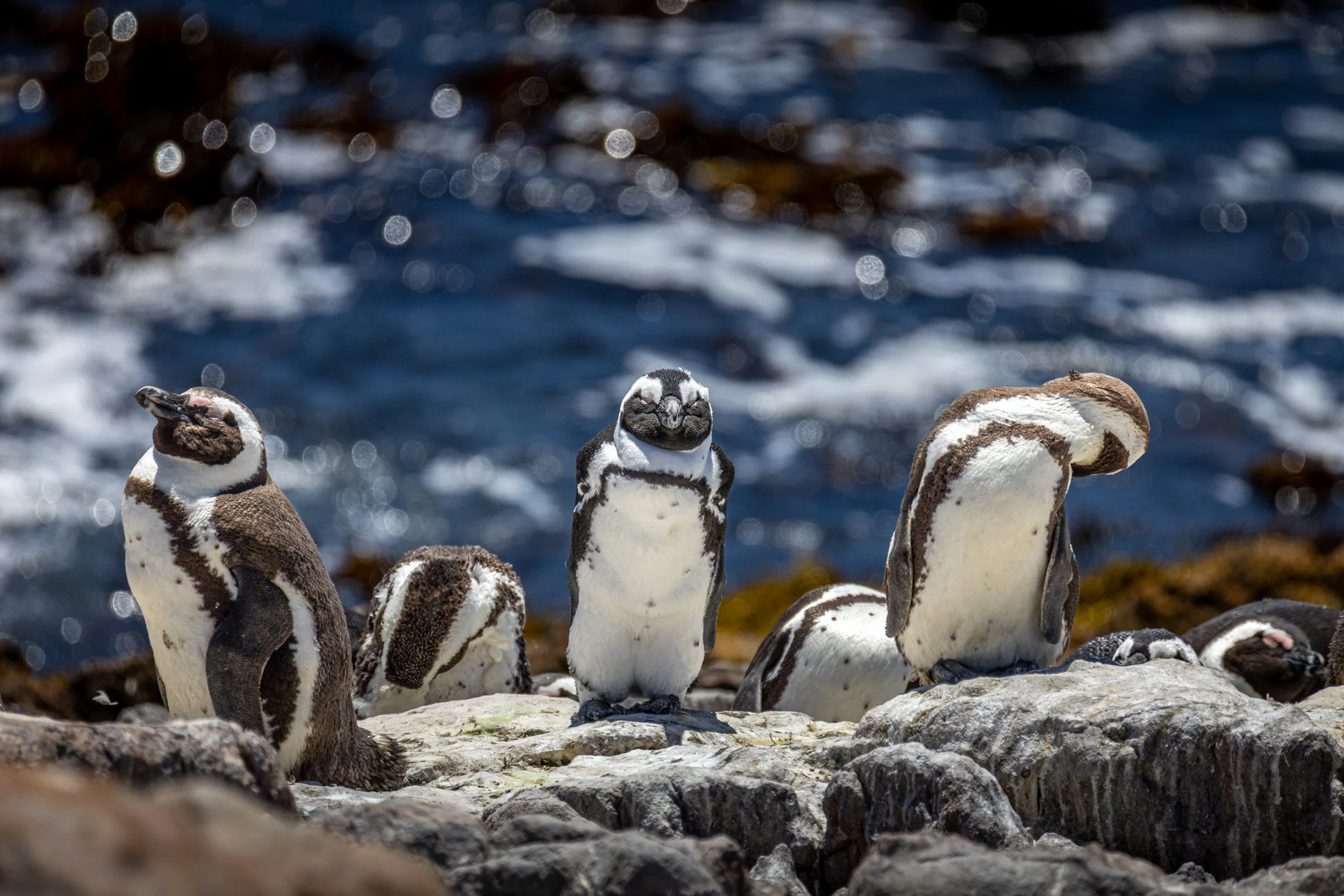
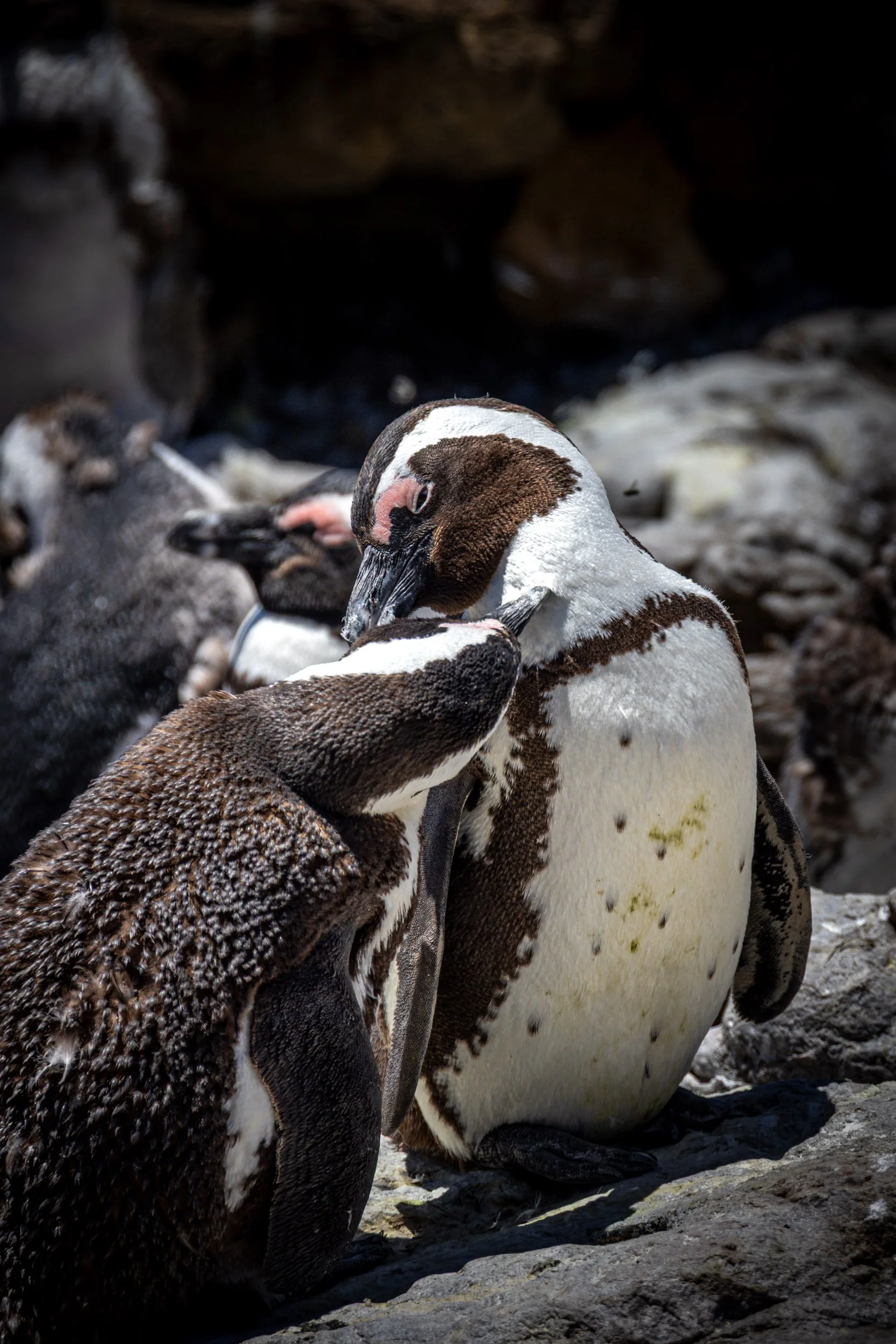
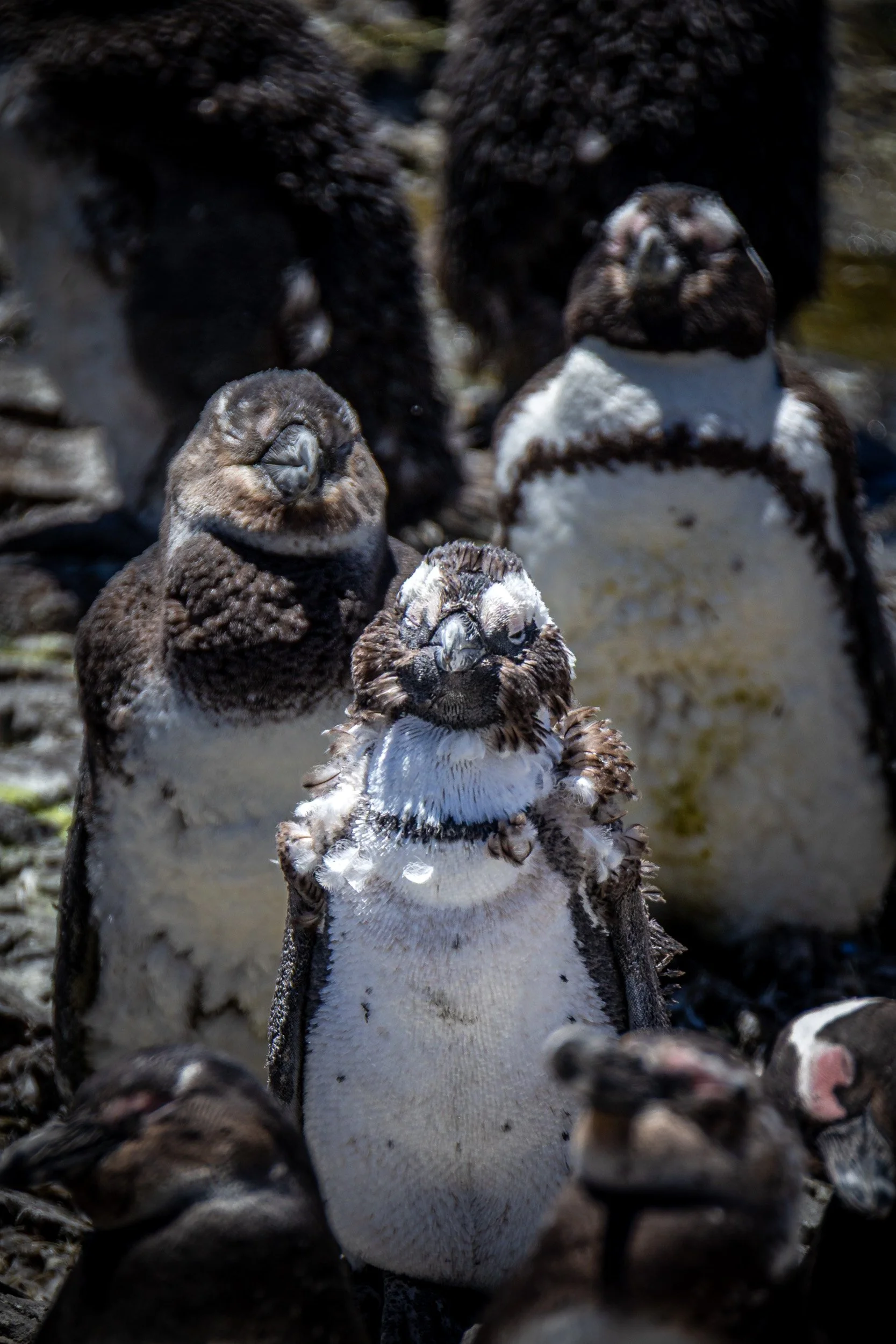
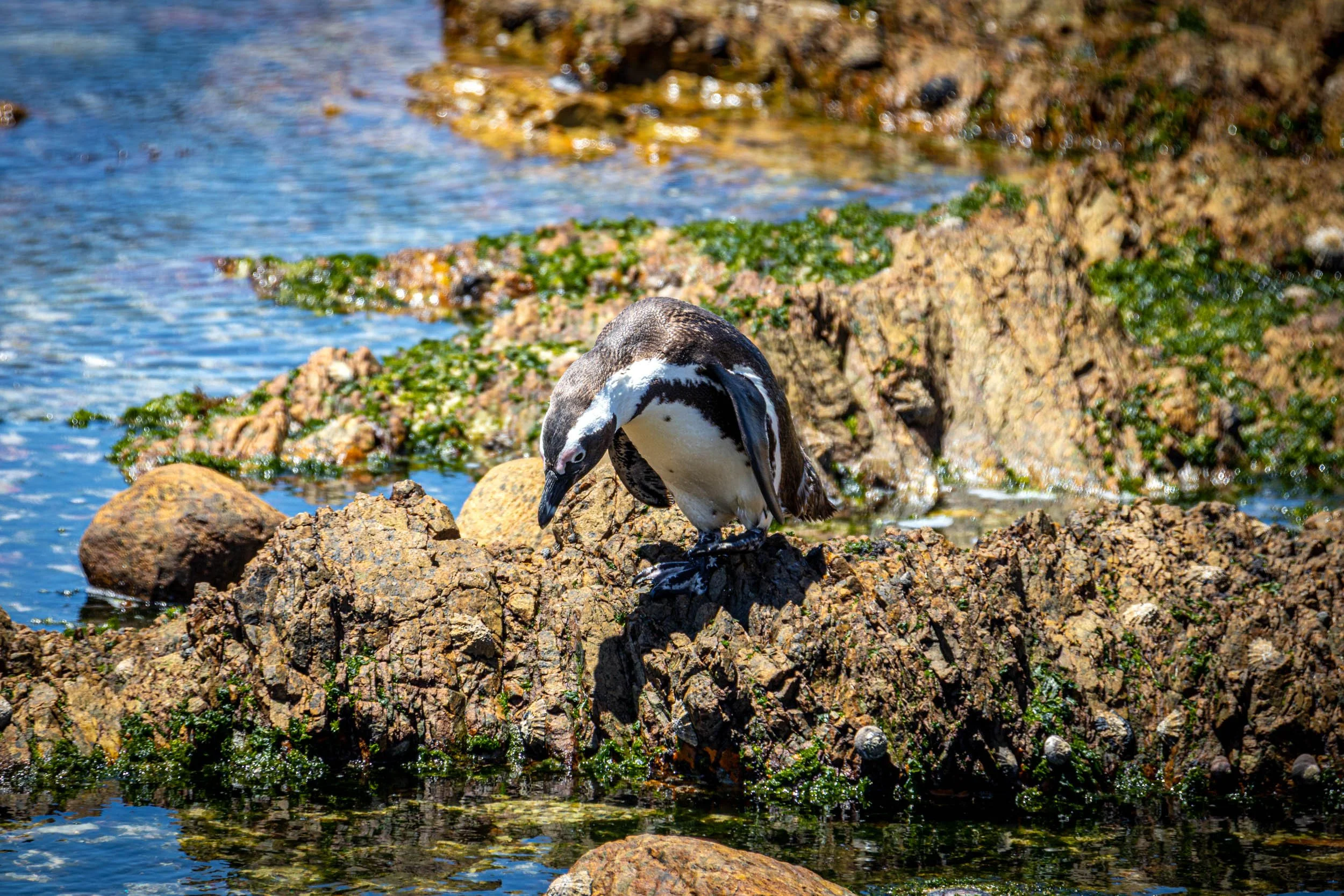
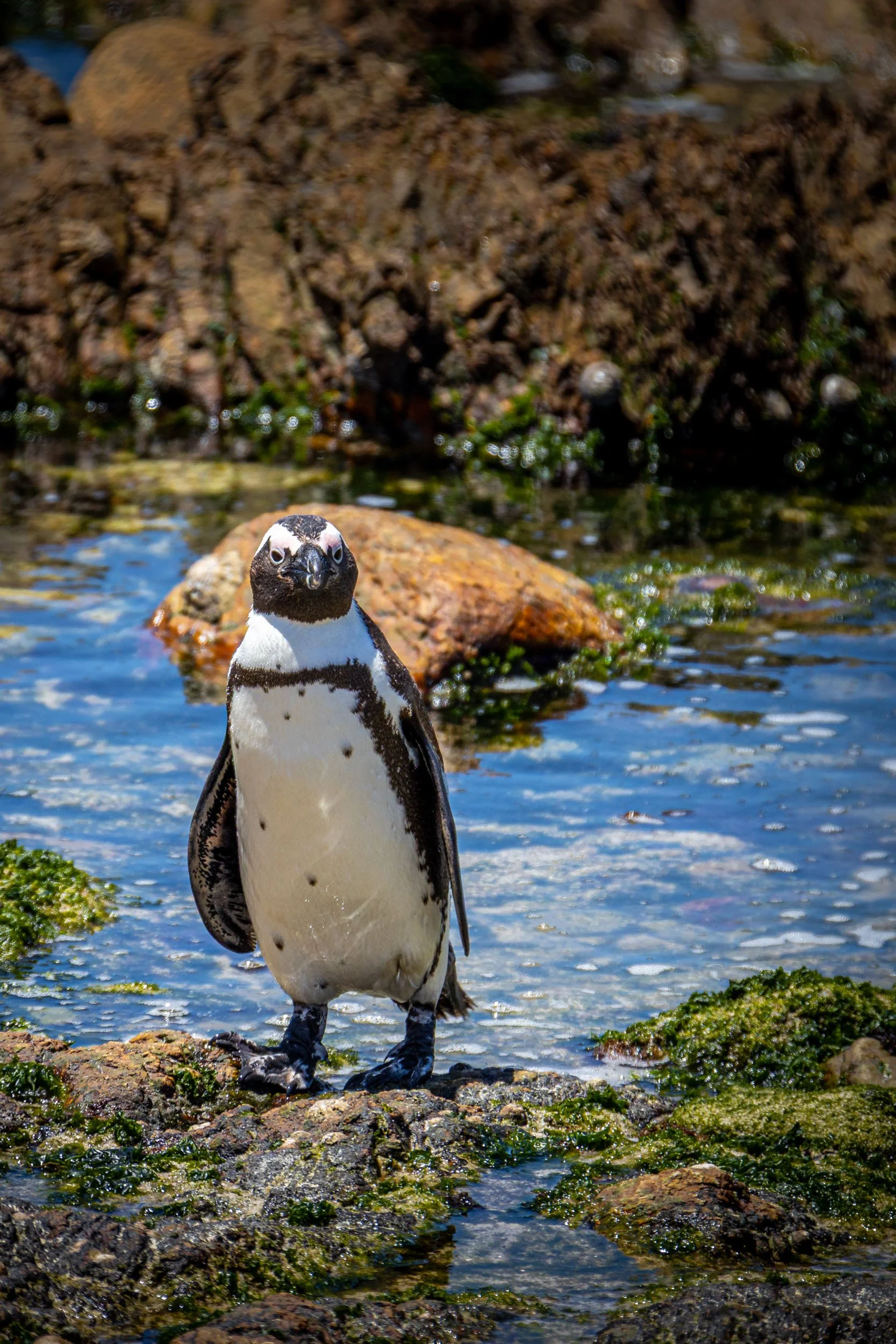
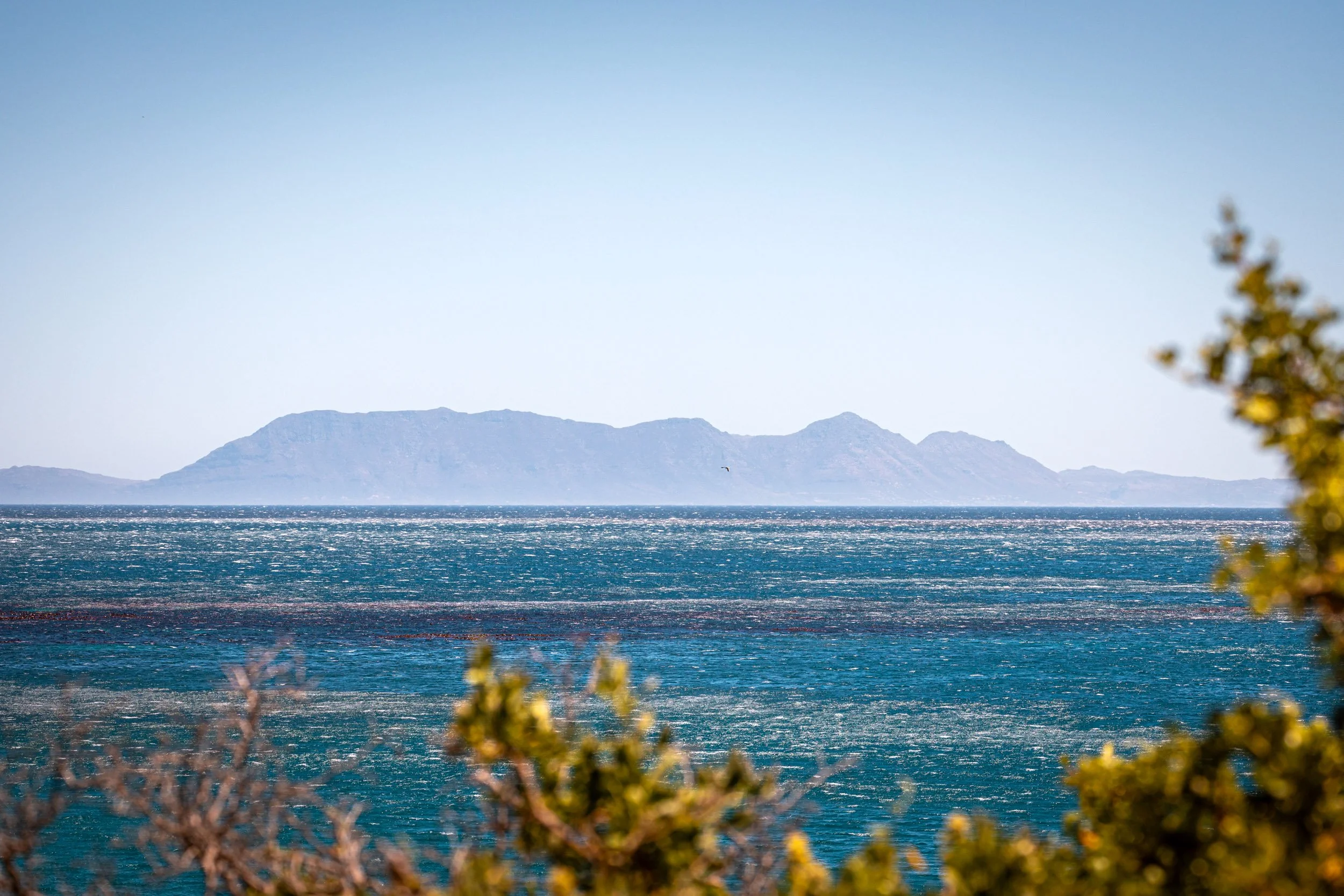
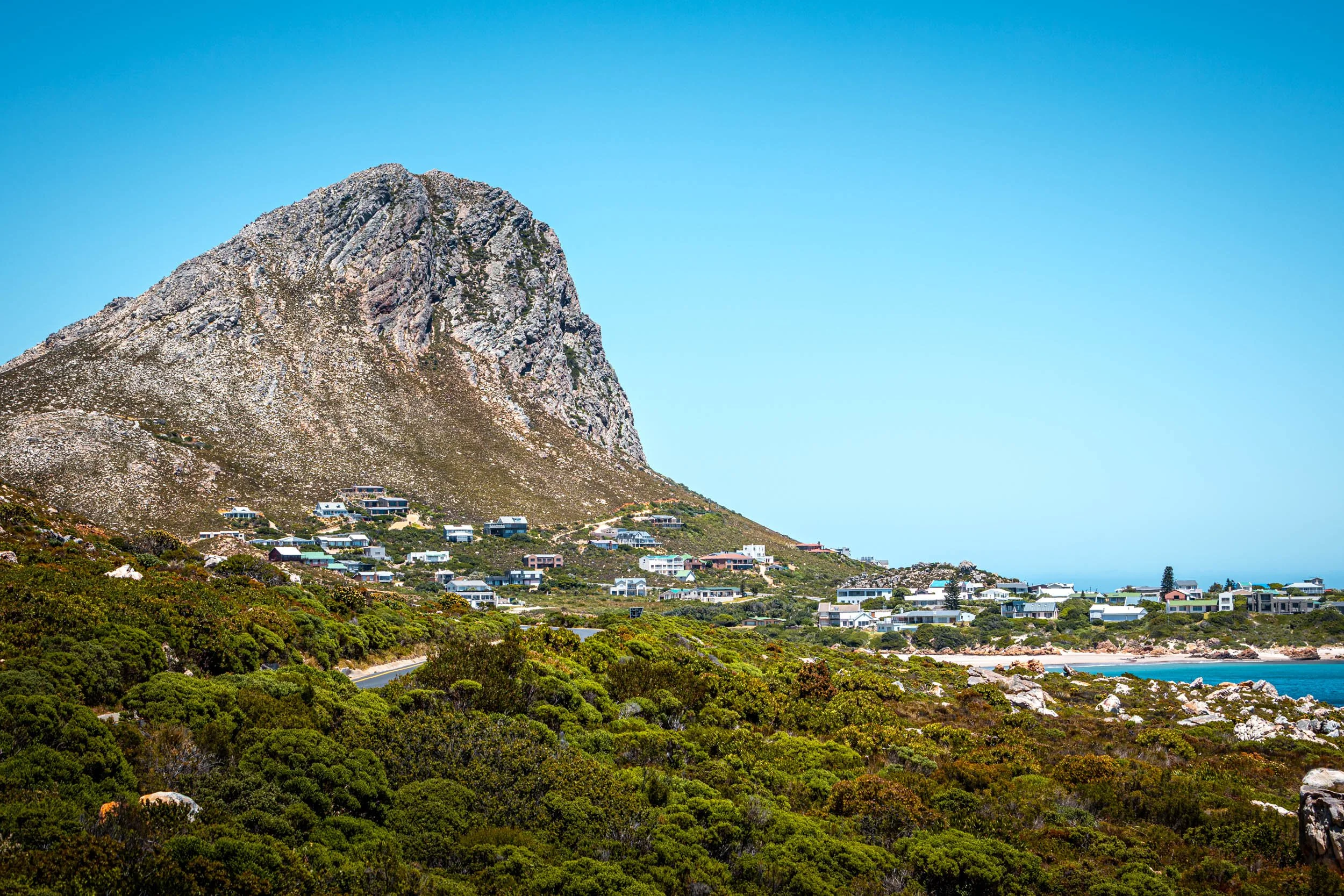
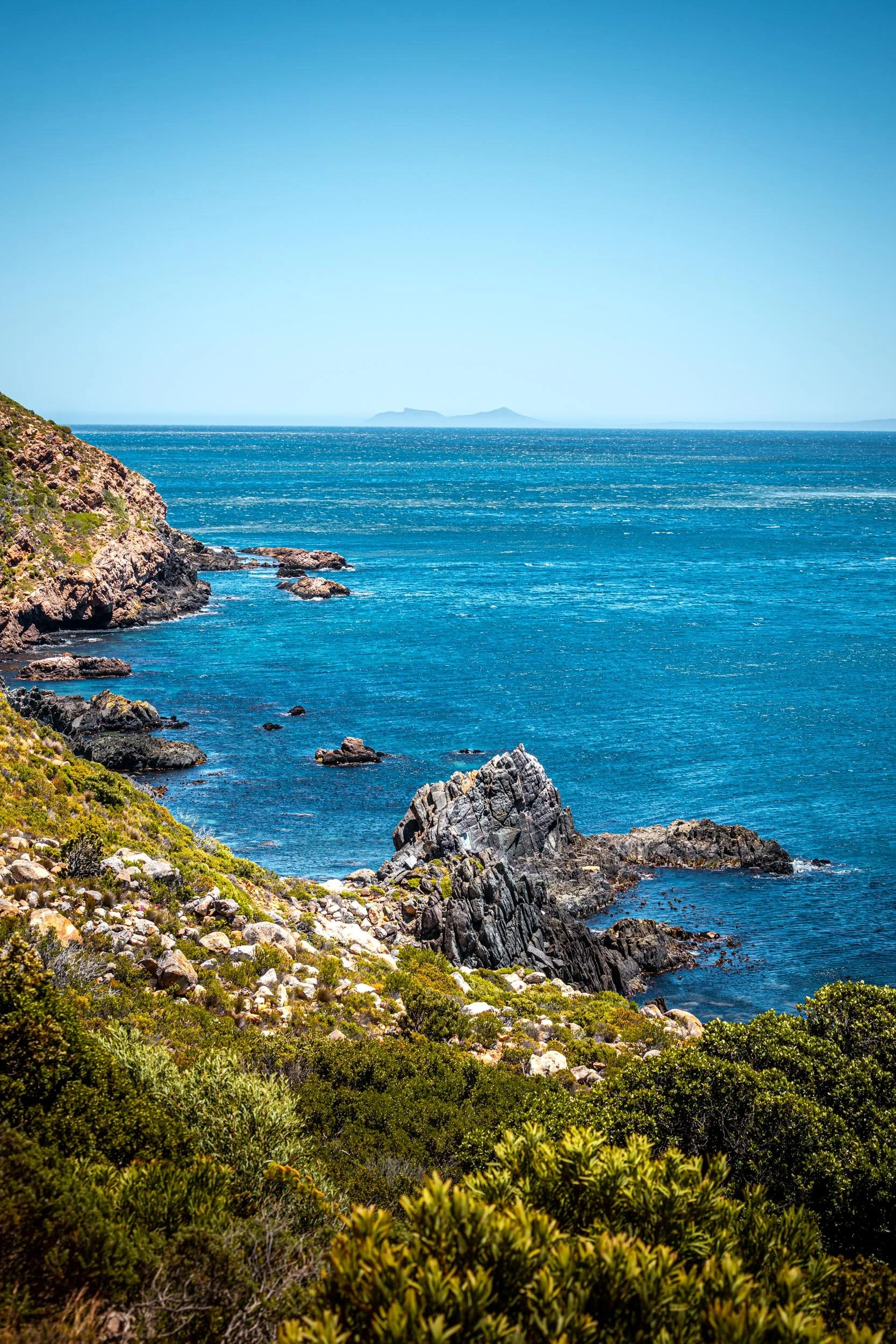
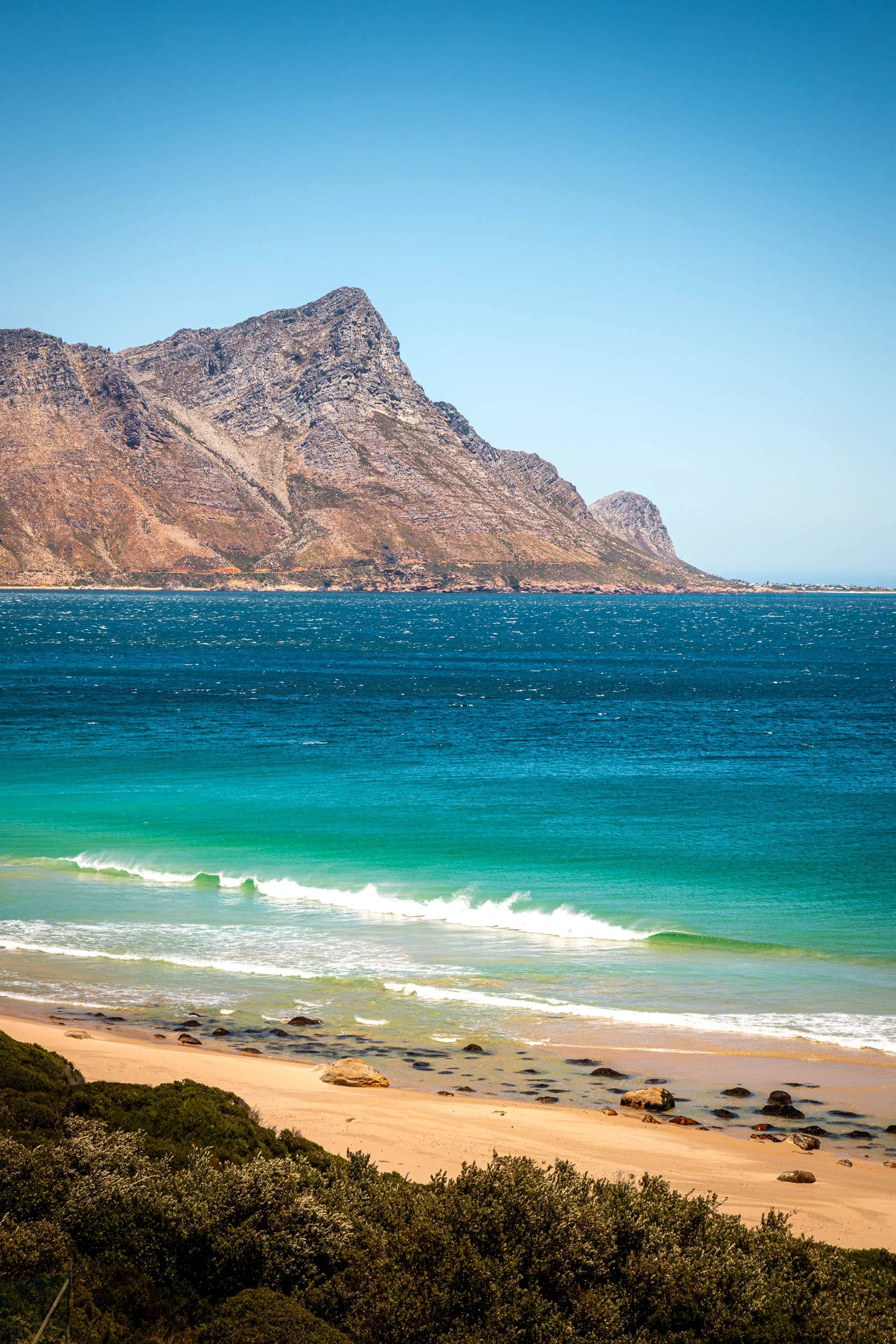
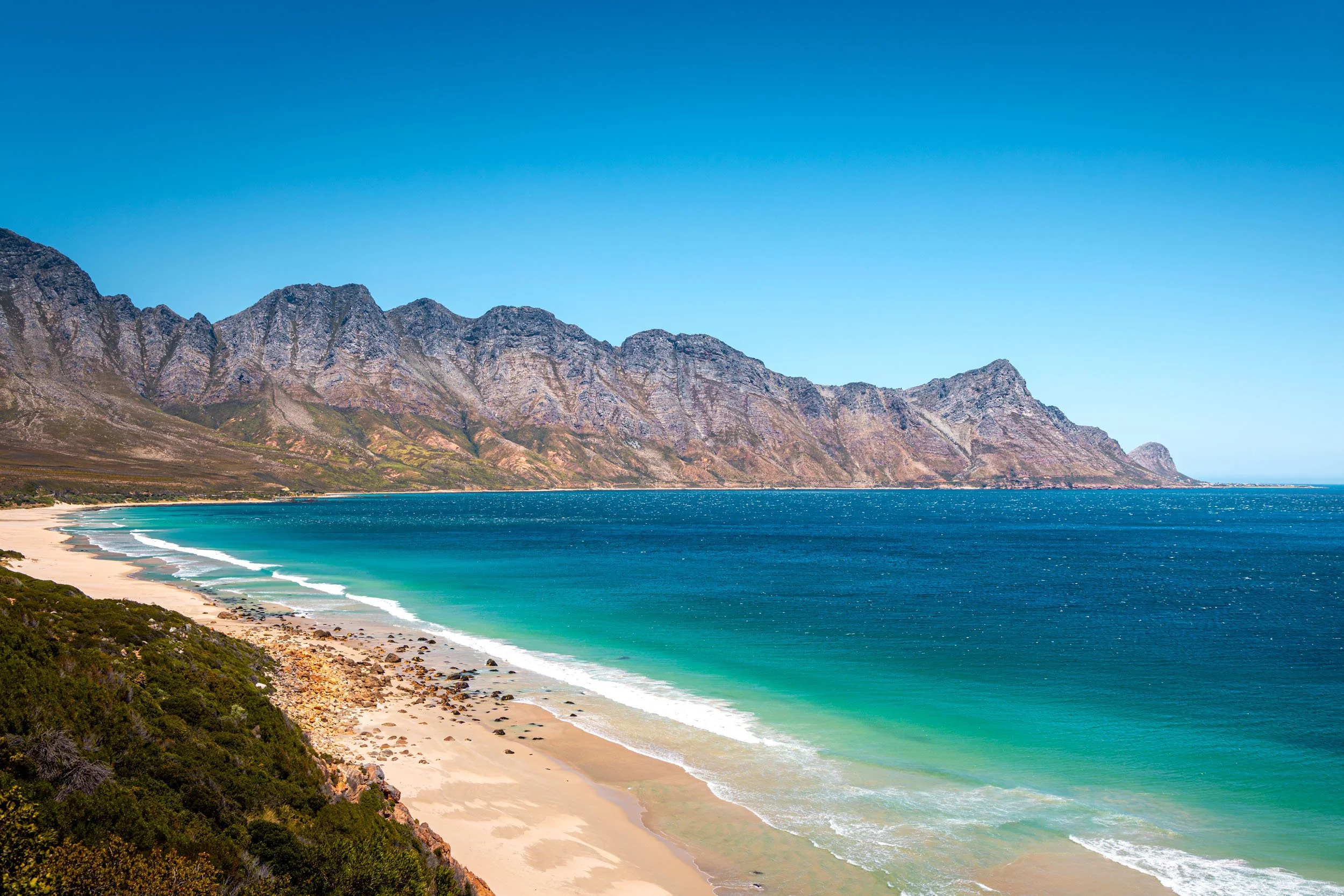
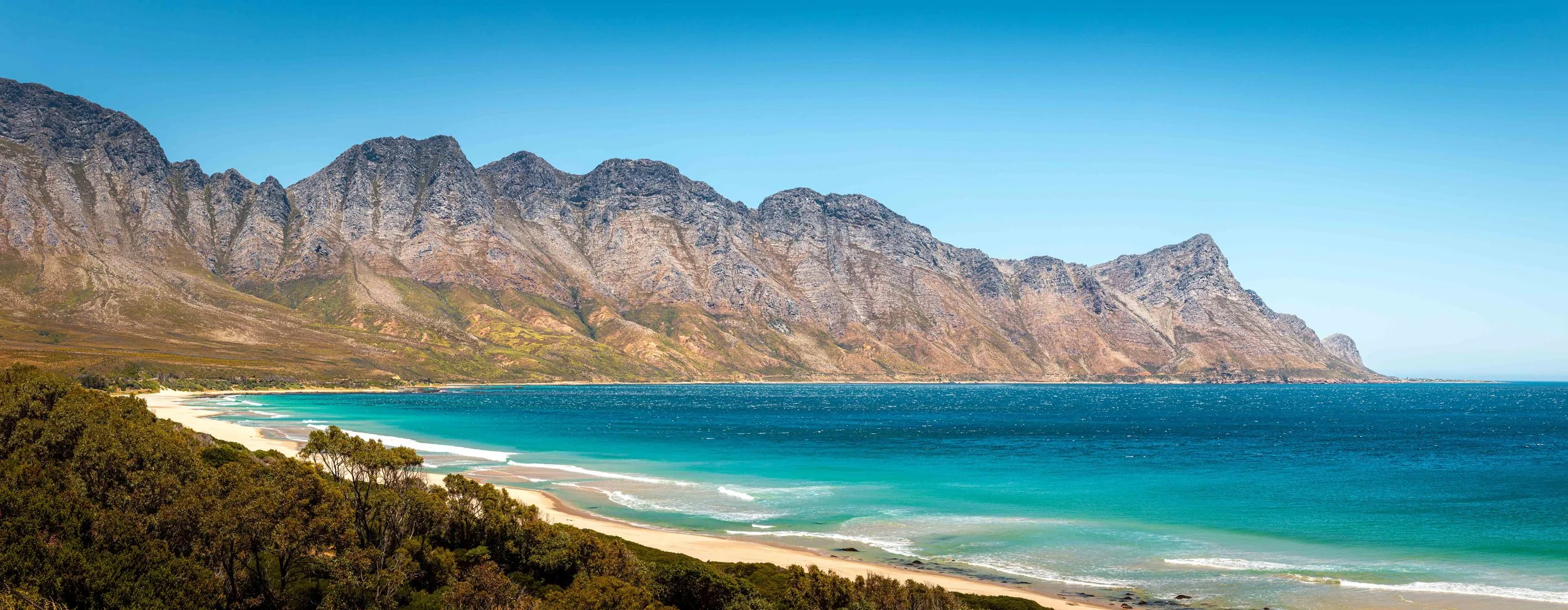
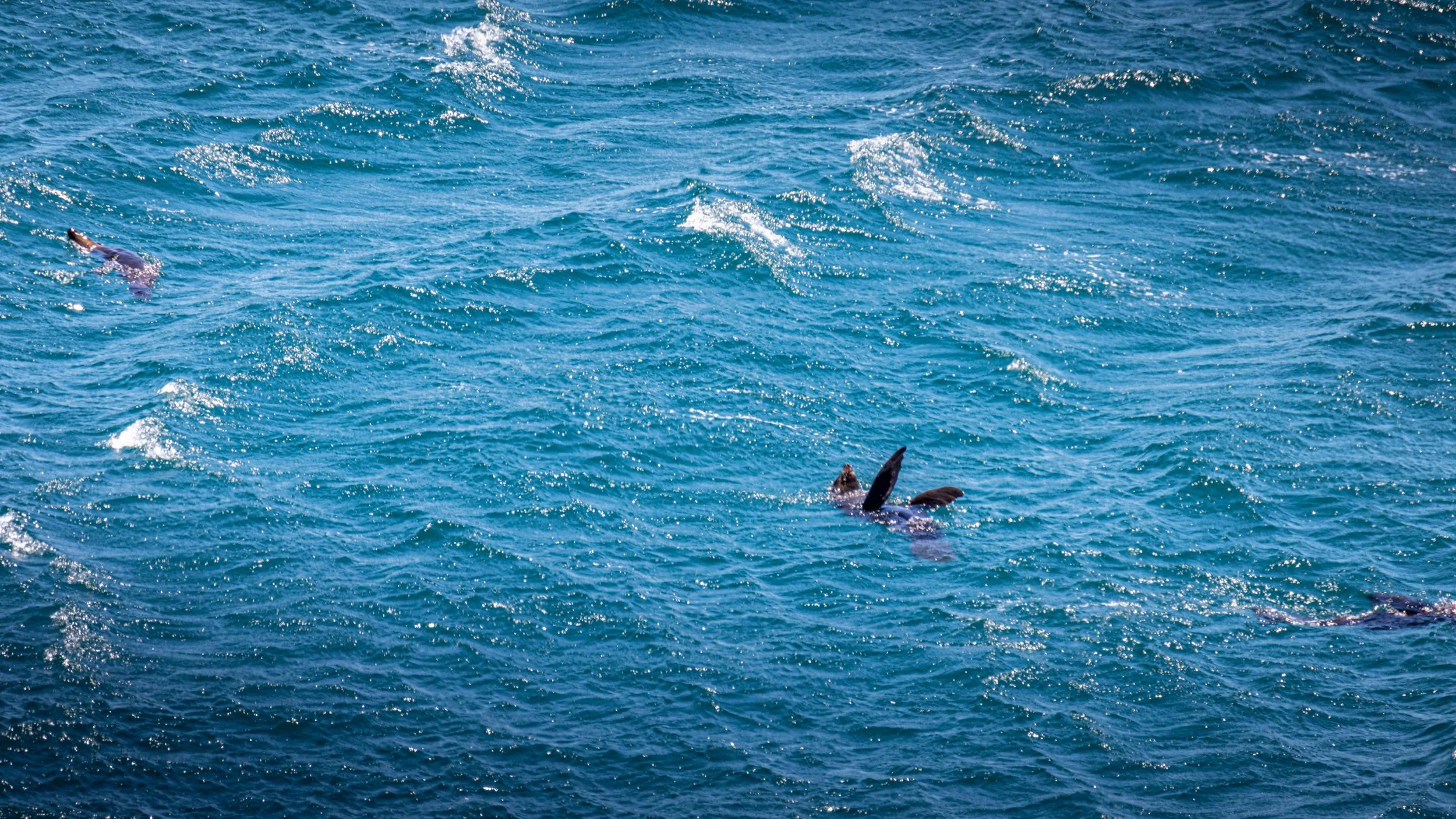
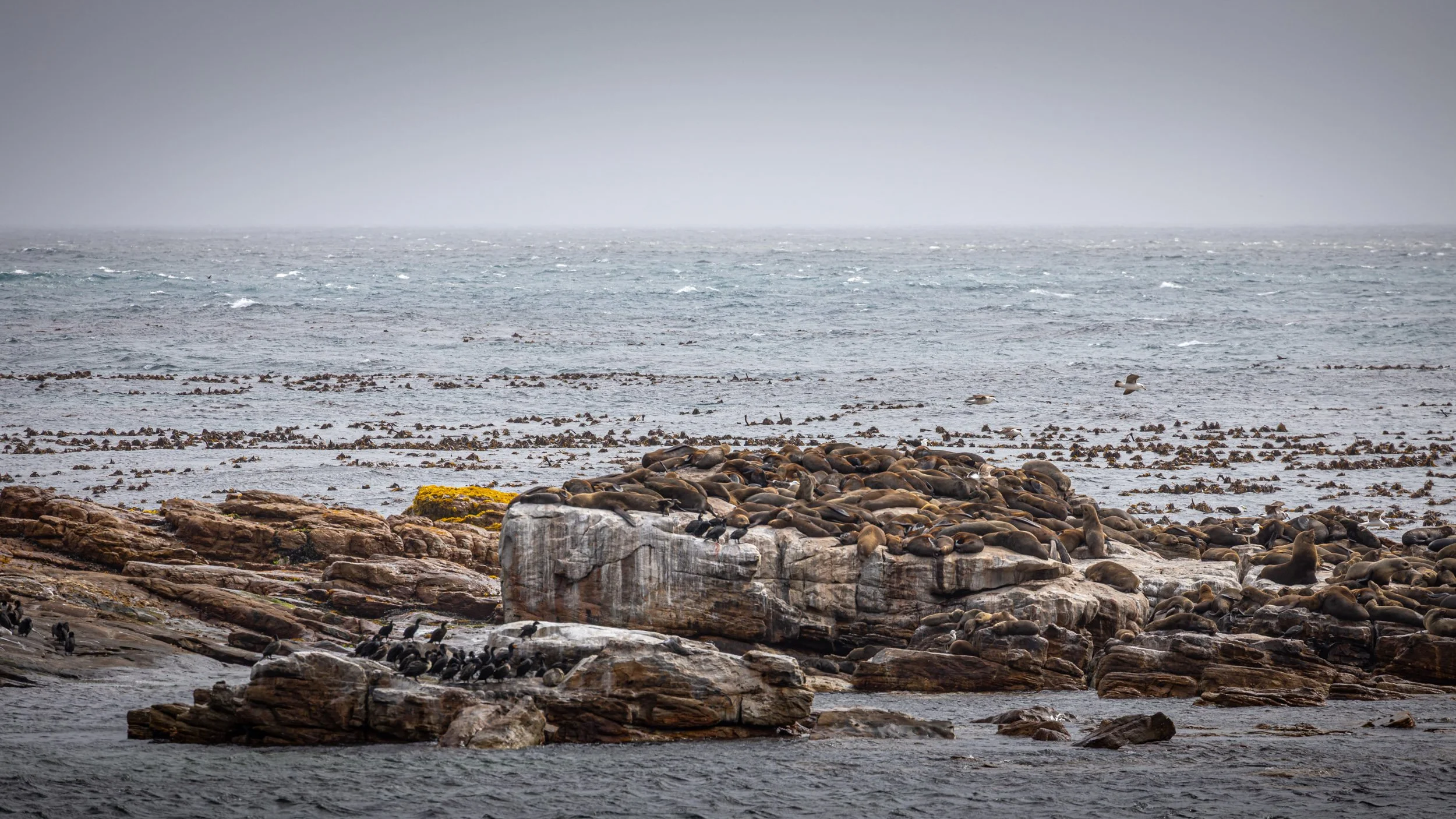
After a few very car-heavy days, it was finally time to slow down a bit. We drove to Stellenbosch, just about 100 km away, enjoying the coastal views along the way and spotting some seals in the ocean. We also made a stop at Betty’s Bay in the Stony Point Penguin Colony. You can actually see some penguins without even entering the colony, but it’s definitely worth going in to see the full number of birds.


Stellenbosch
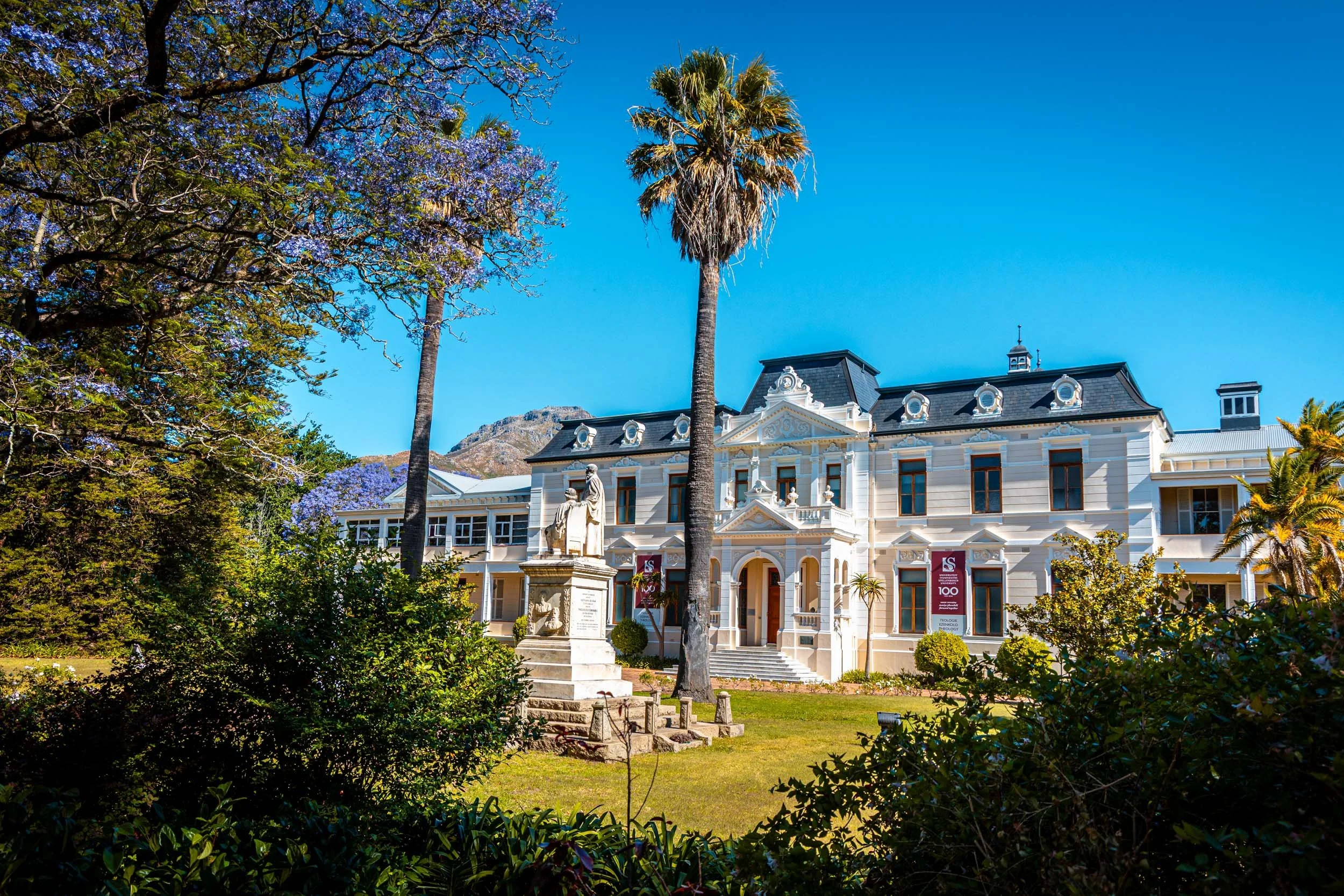
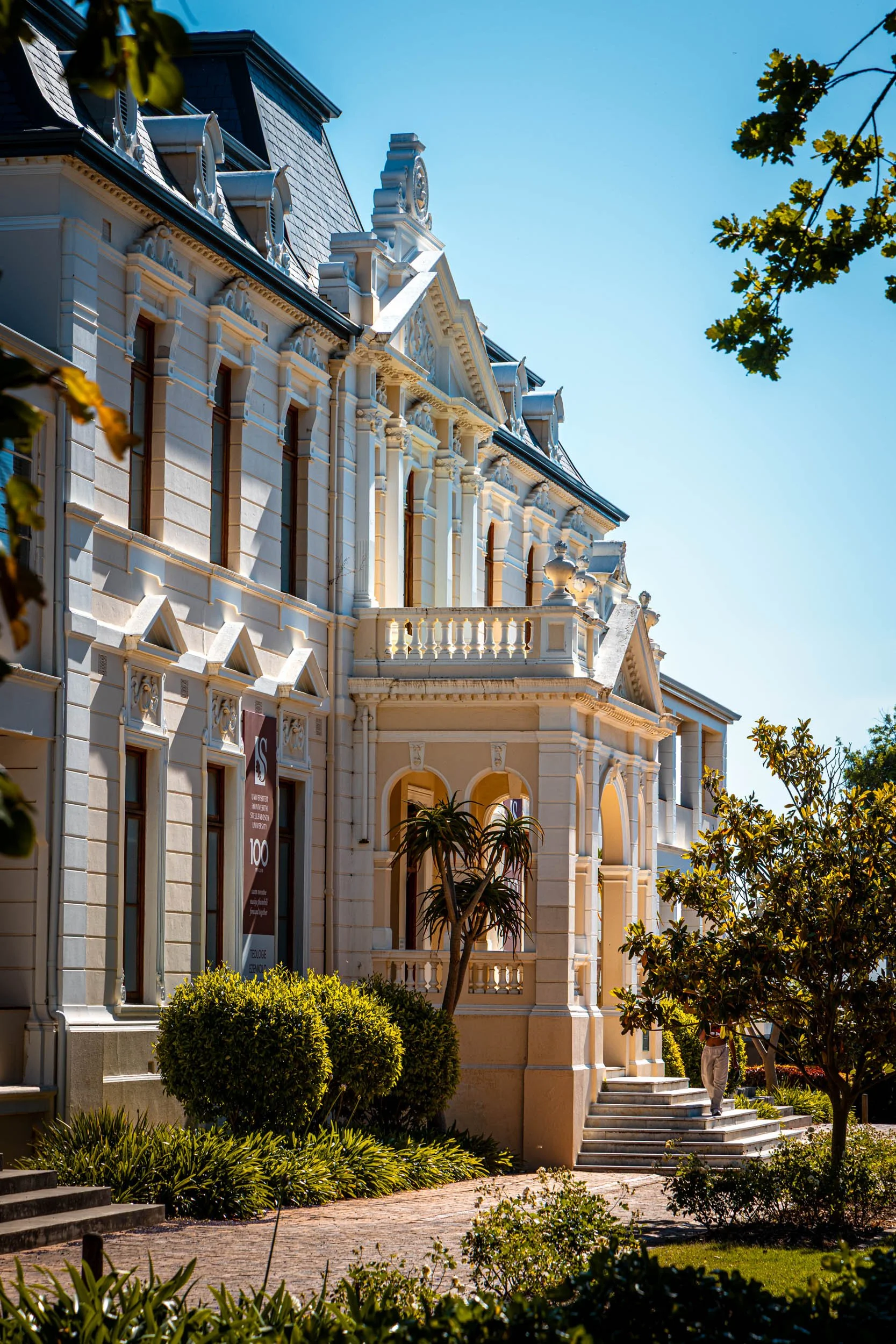
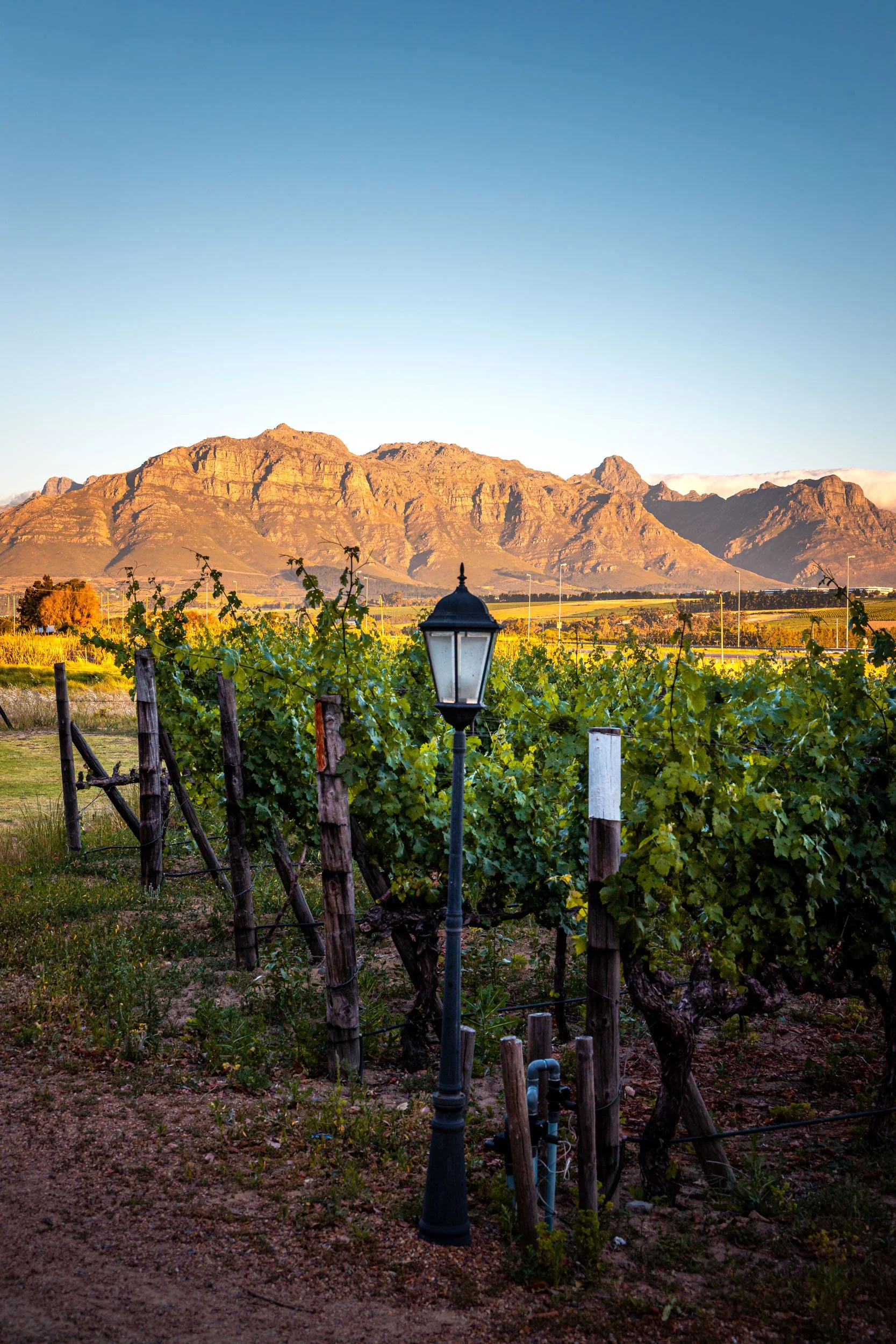
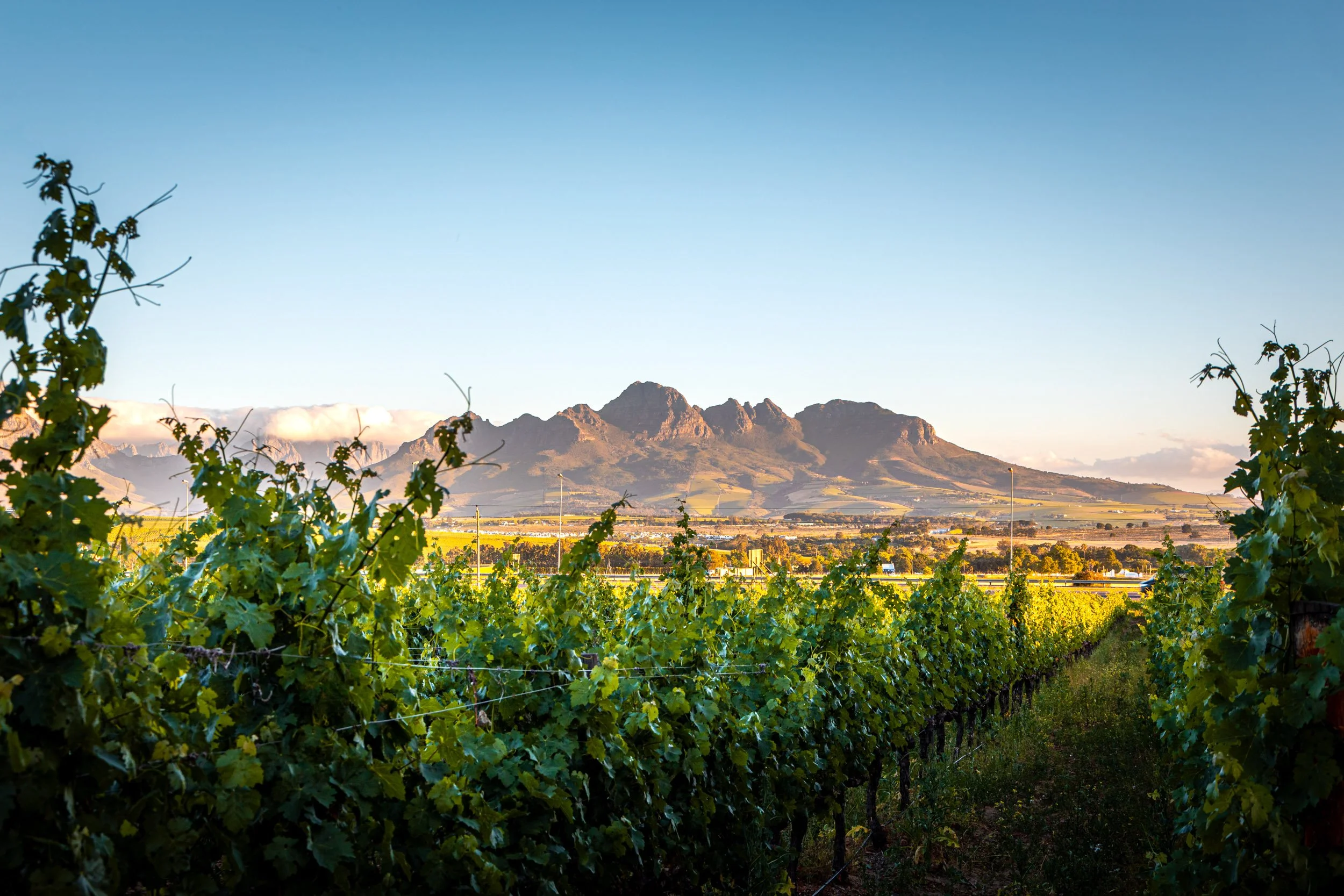
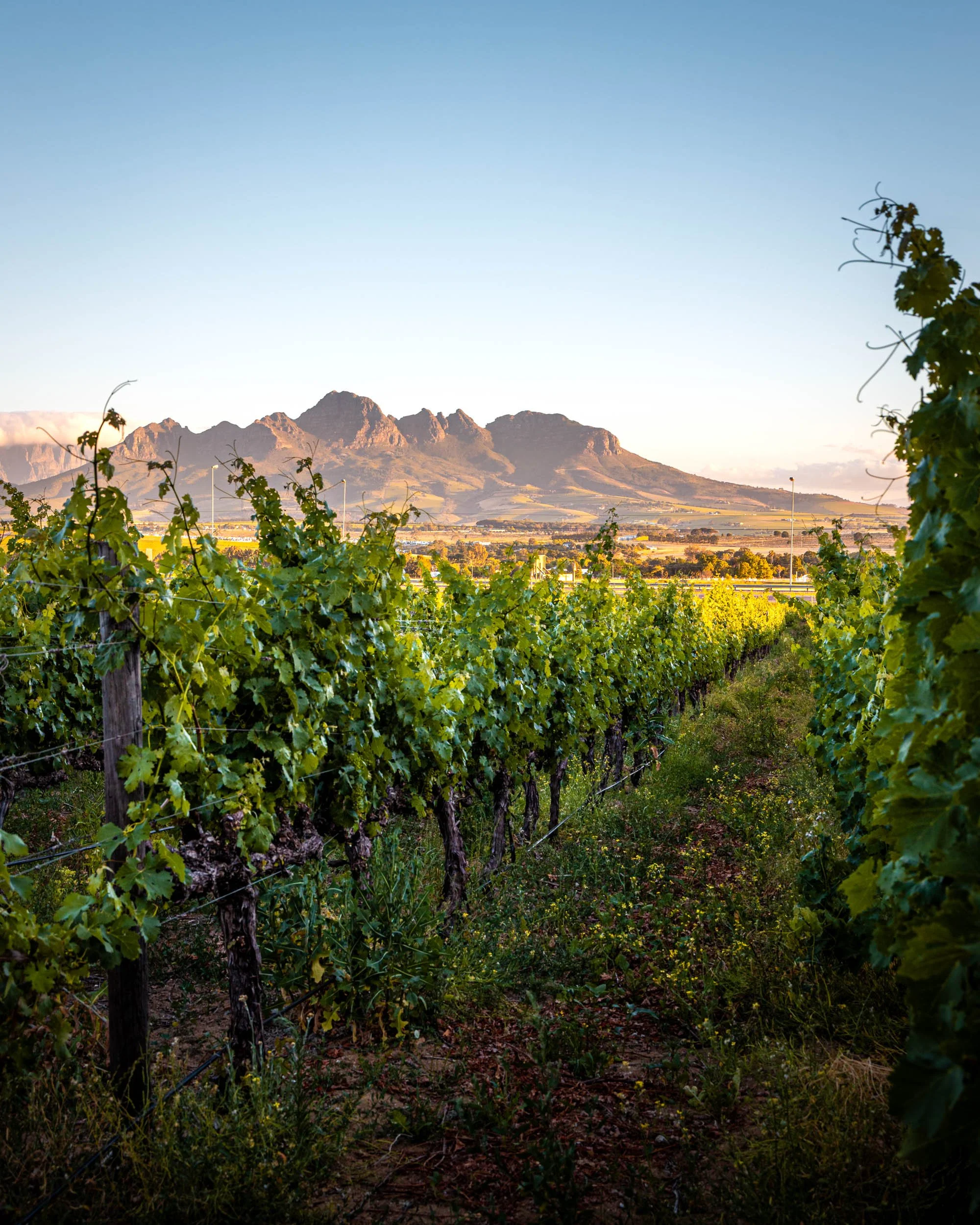
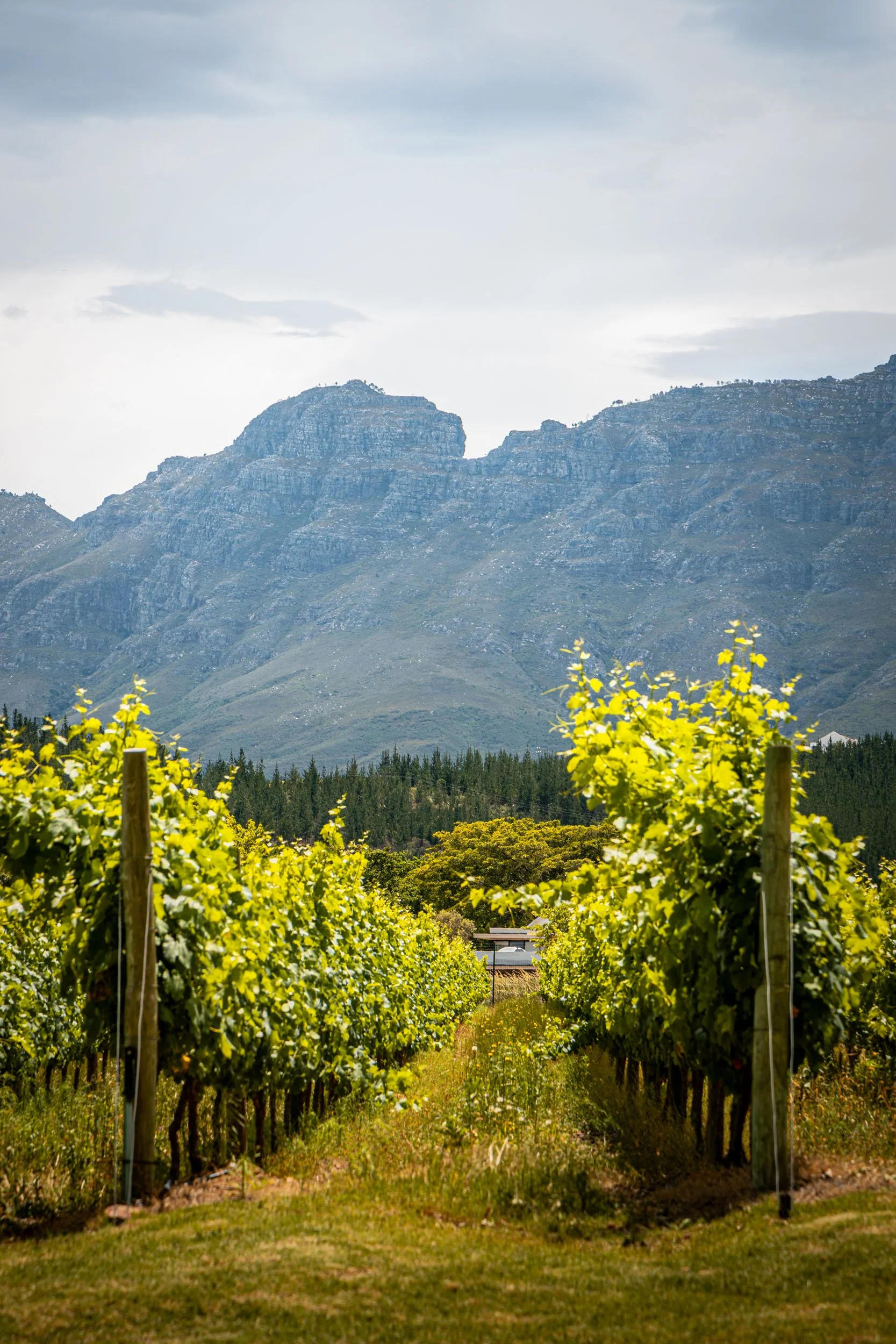
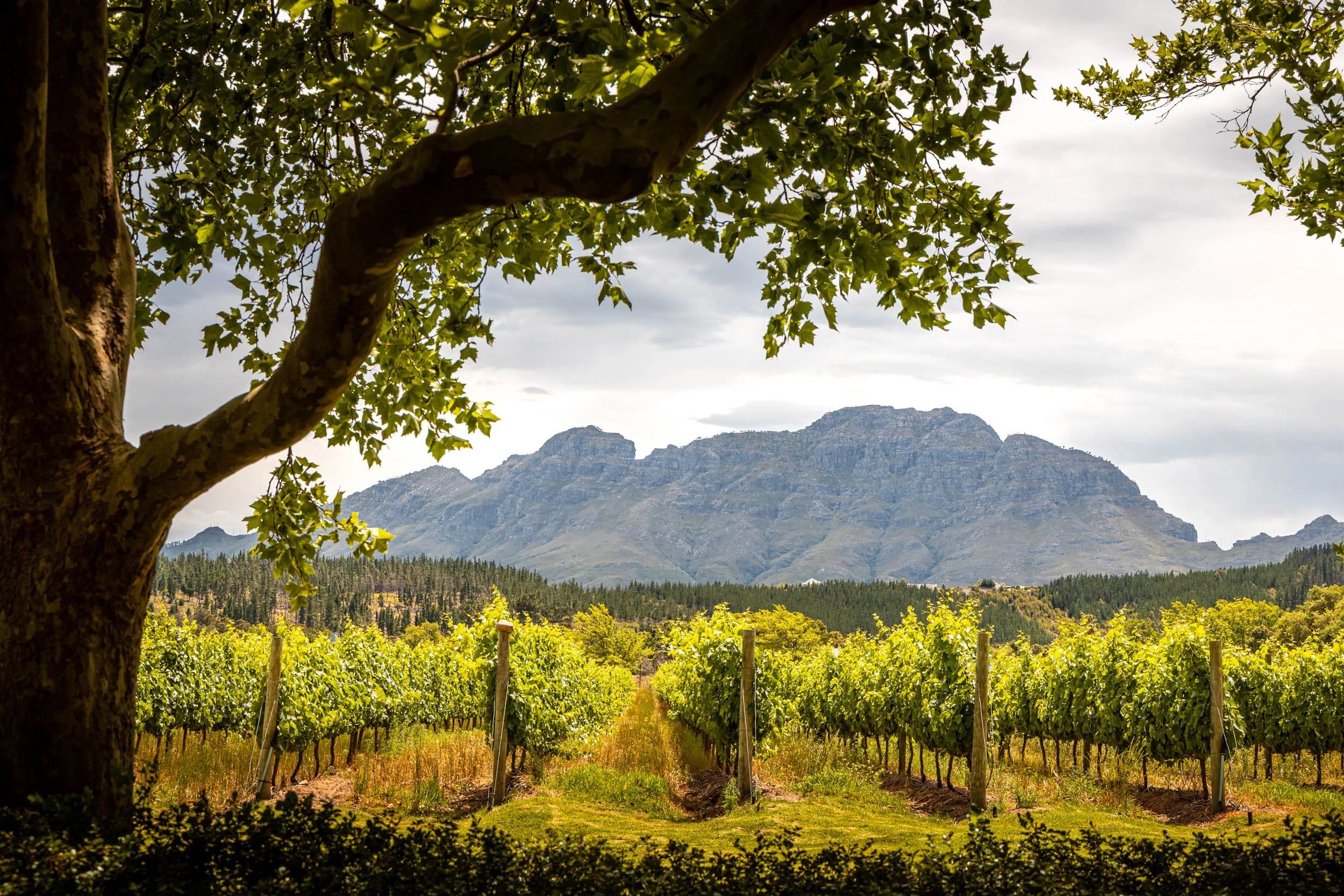
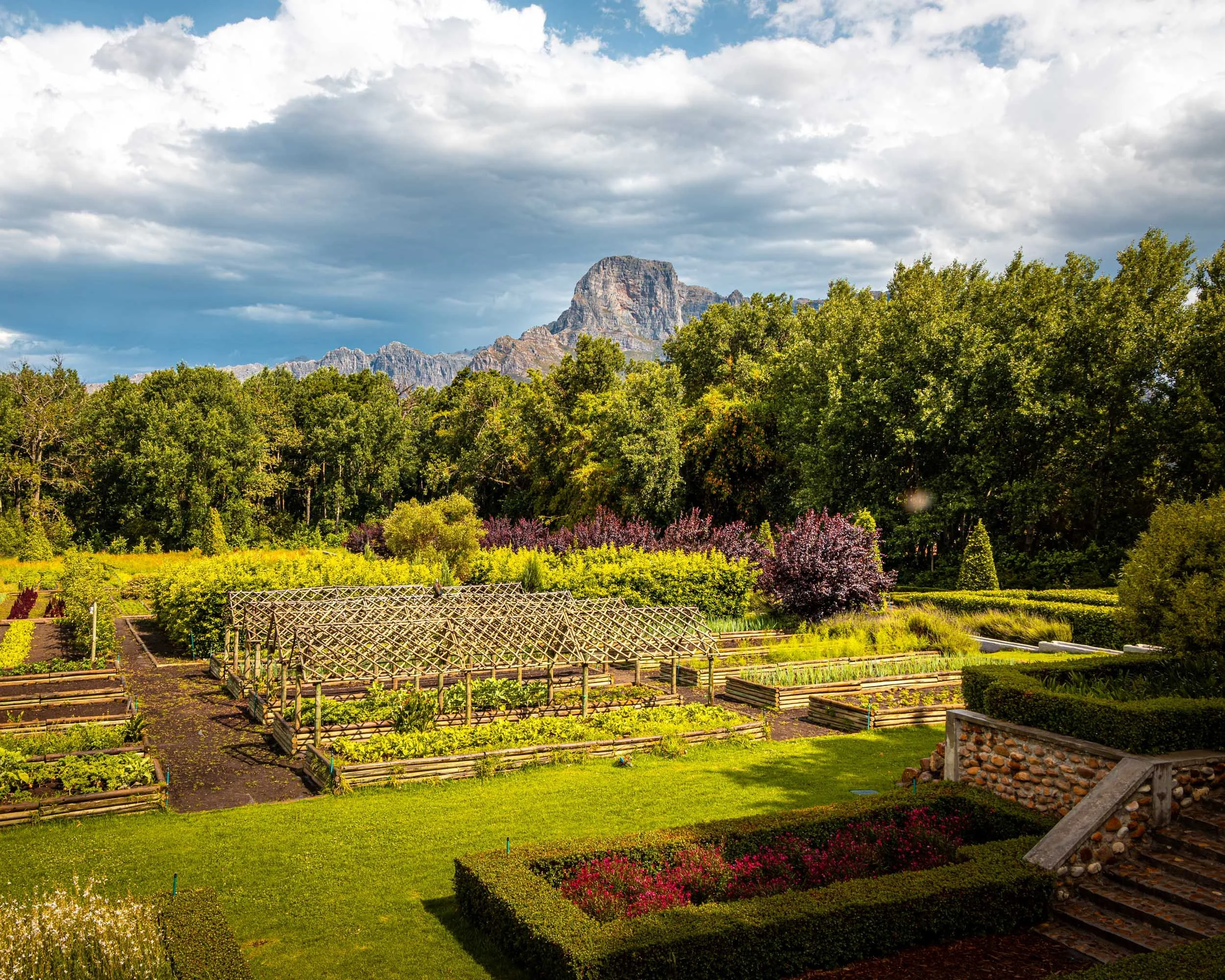
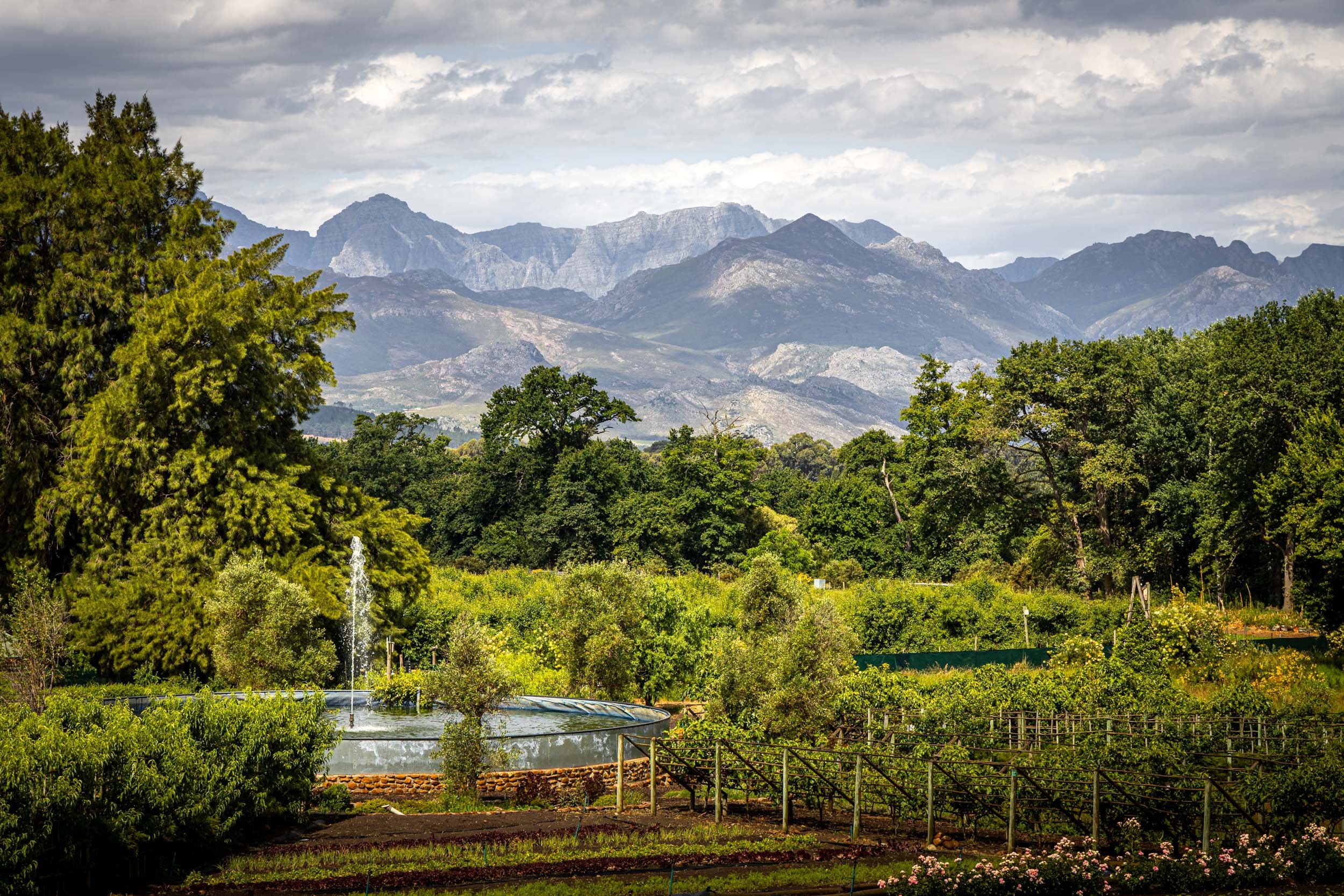
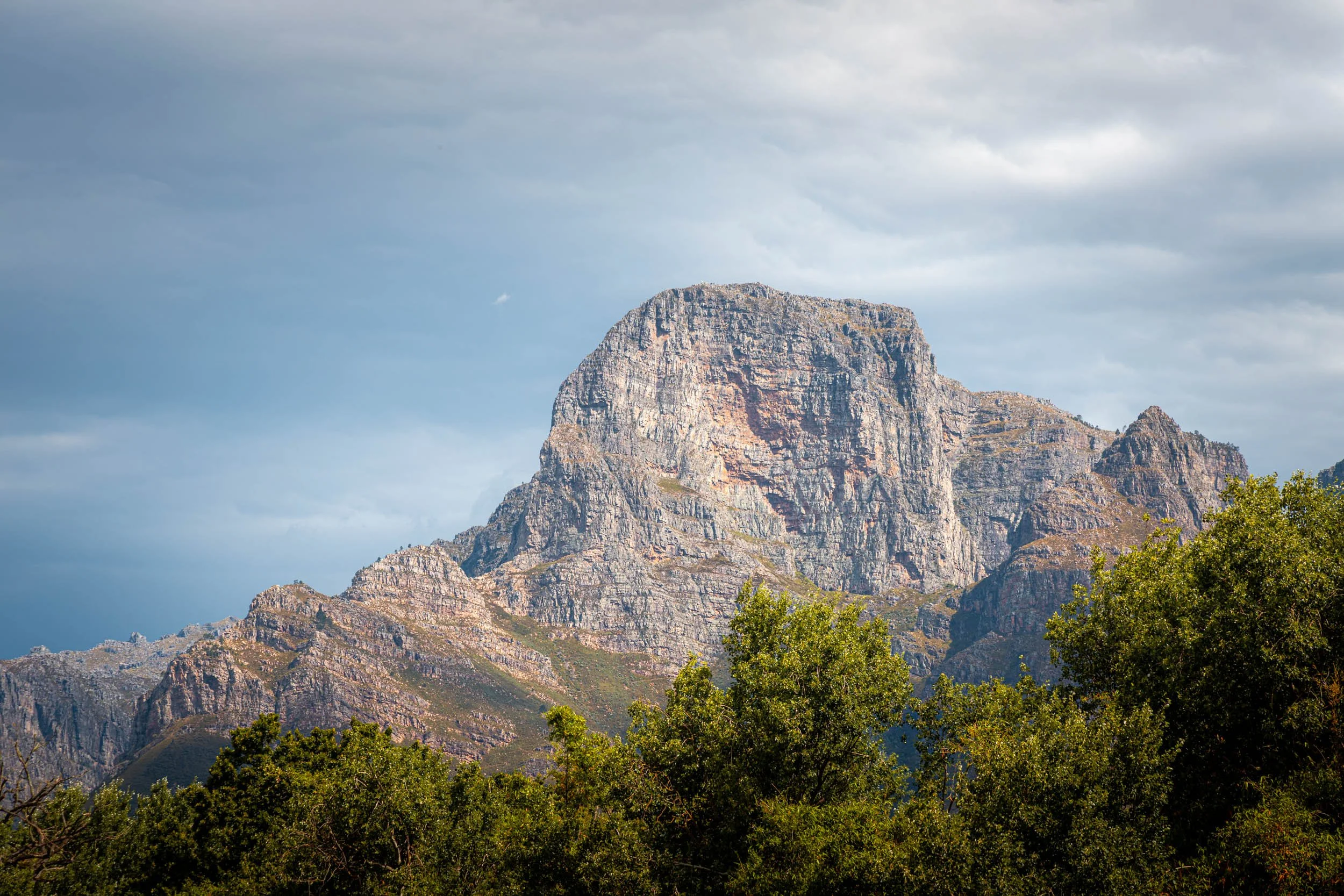
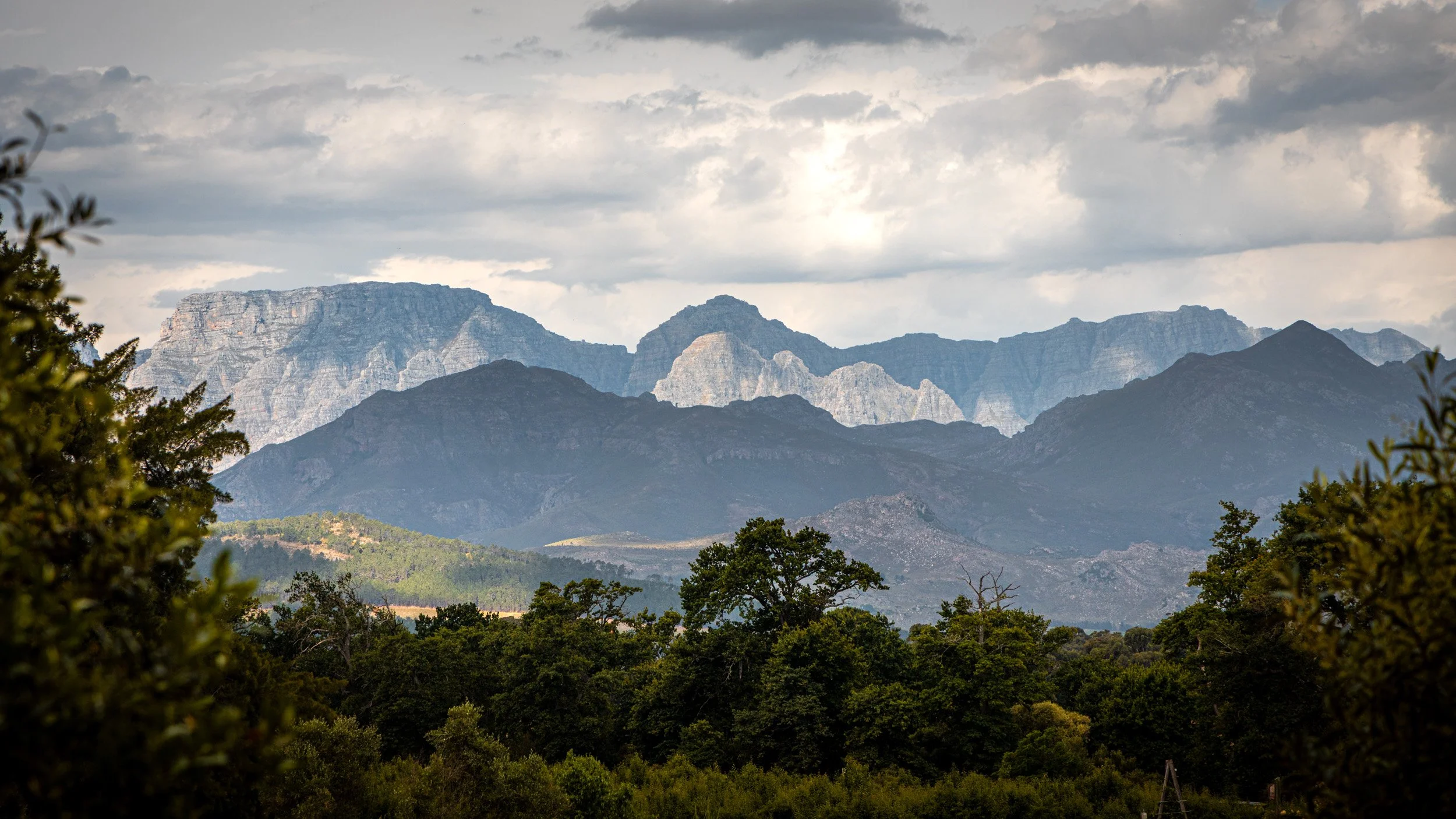
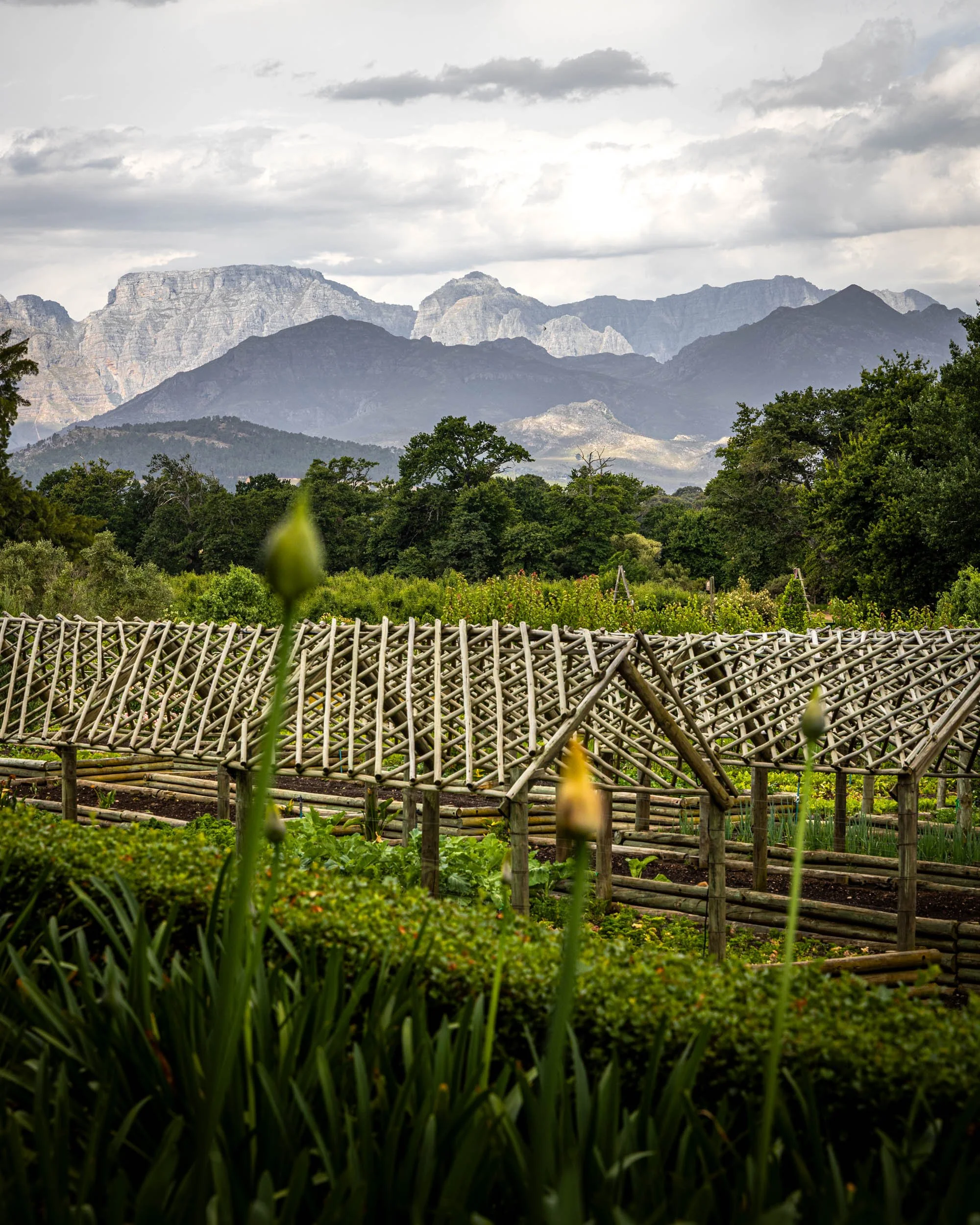
After a few more stops at scenic viewpoints, we arrived at our accommodation at Lovane Wine Estate in Stellenbosch. The estate offers stunning views of the vineyard and the surrounding mountains.
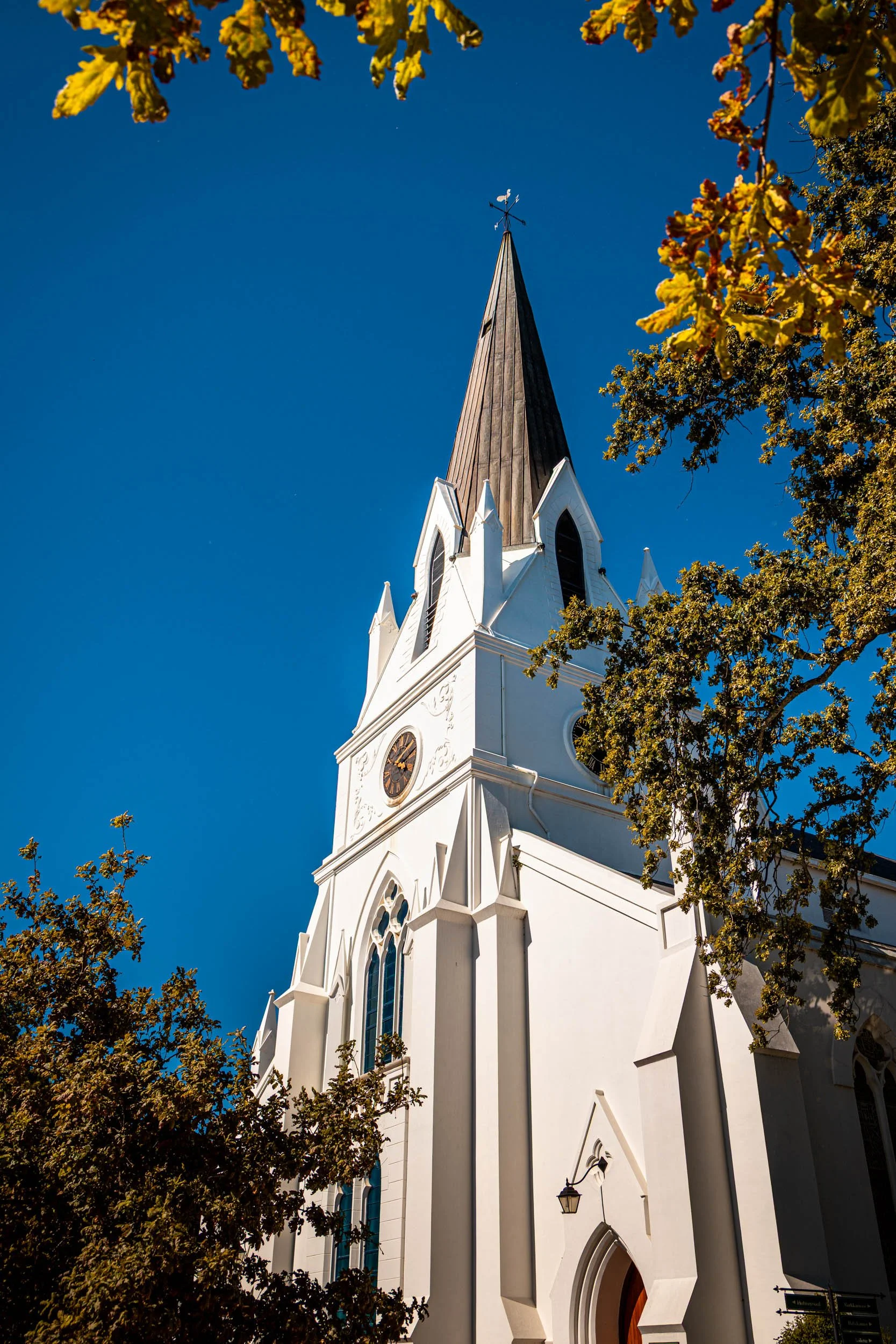
In the afternoon, we took a walk through Stellenbosch and had dinner there in the evening, since the restaurant at the wine estate was unfortunately closed due to COVID. Luckily, Stellenbosch itself offered plenty of dining options.
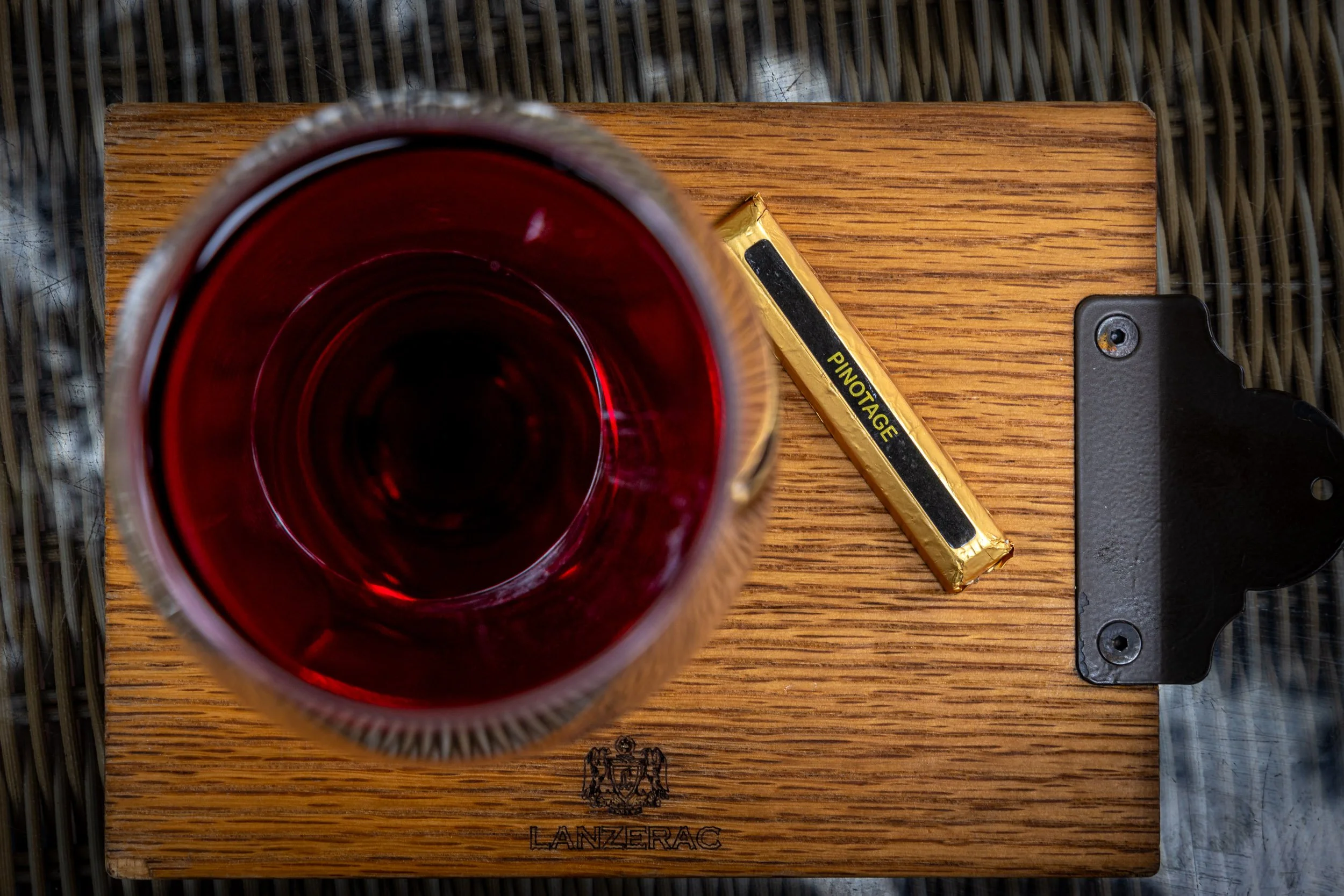
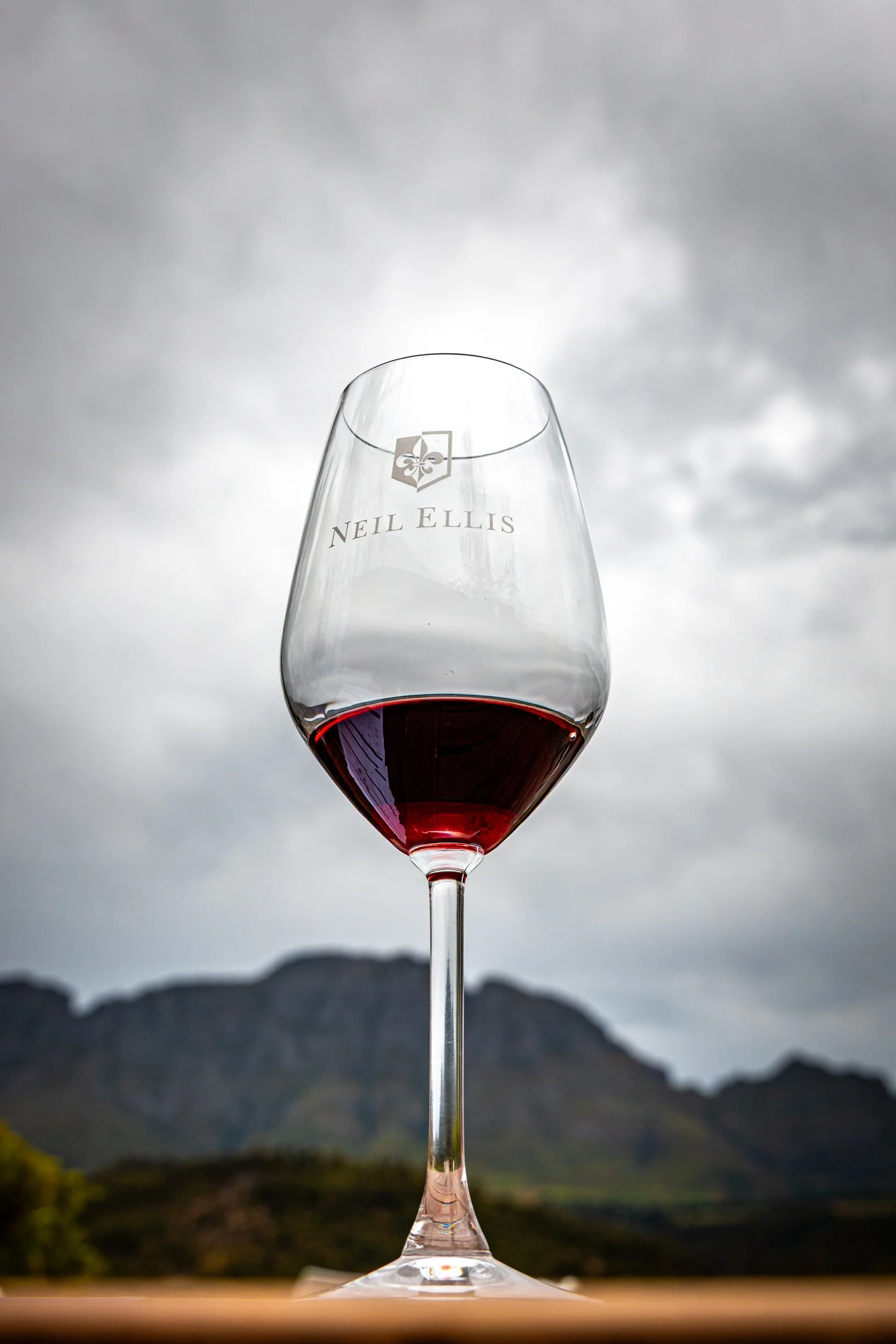
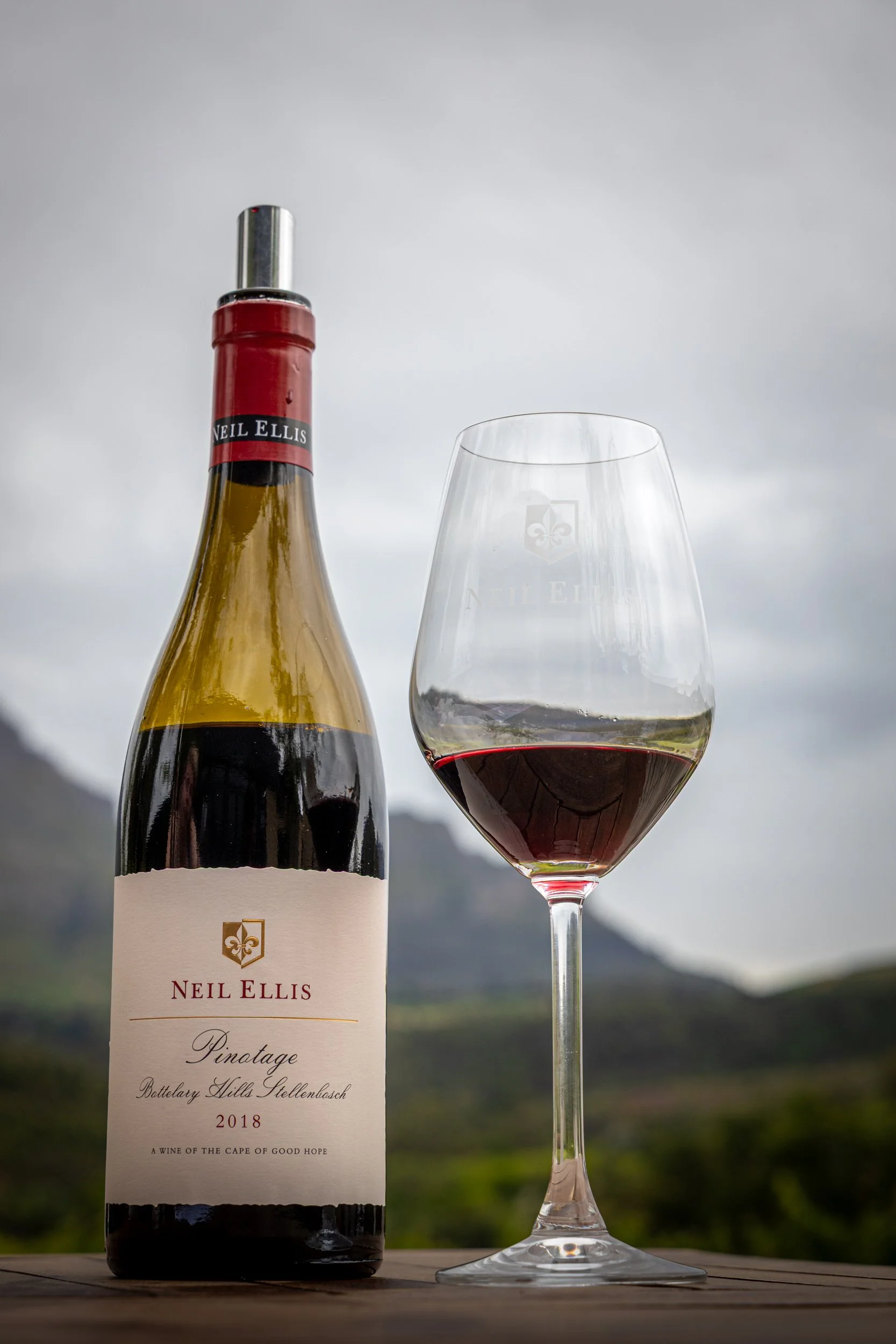
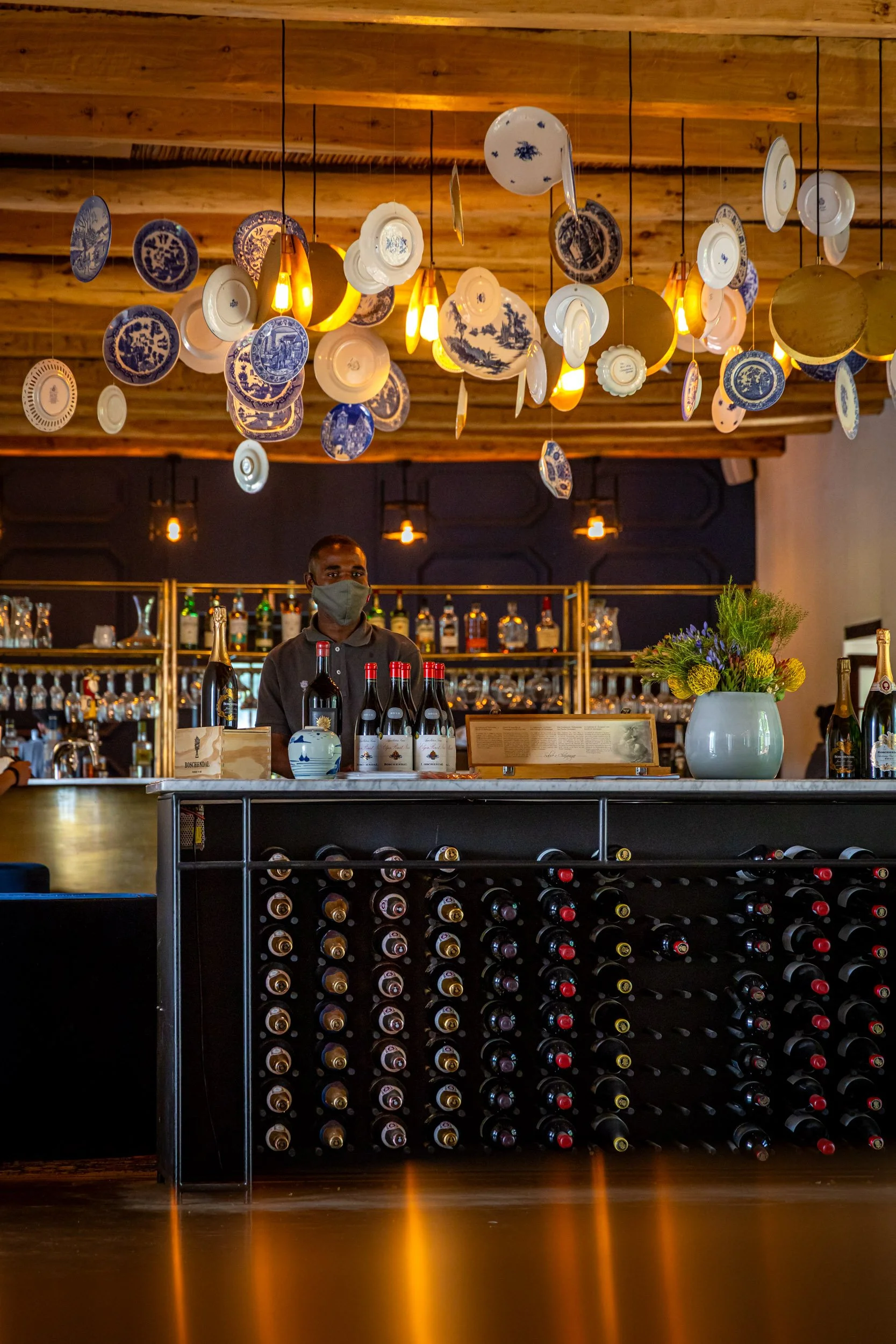
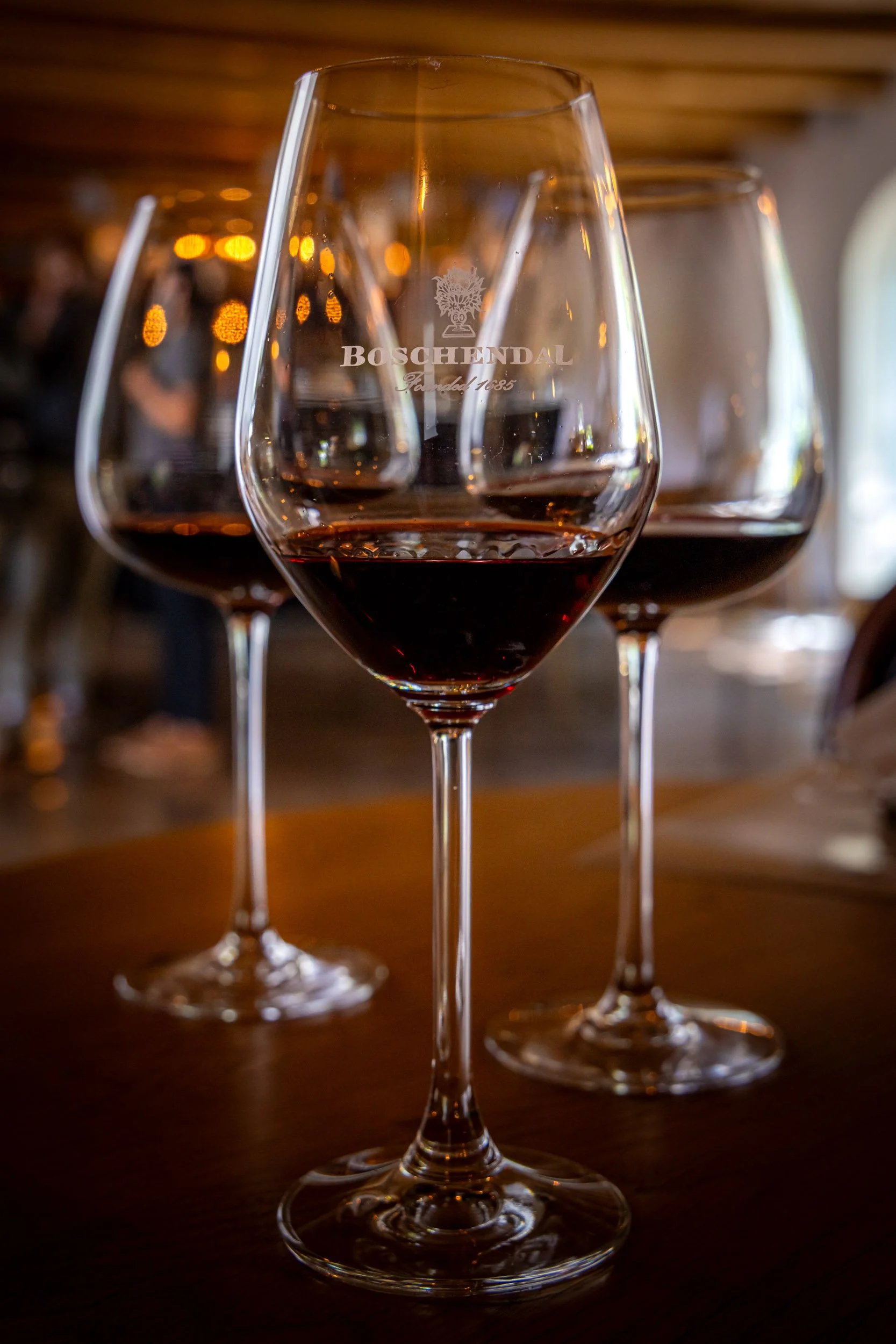
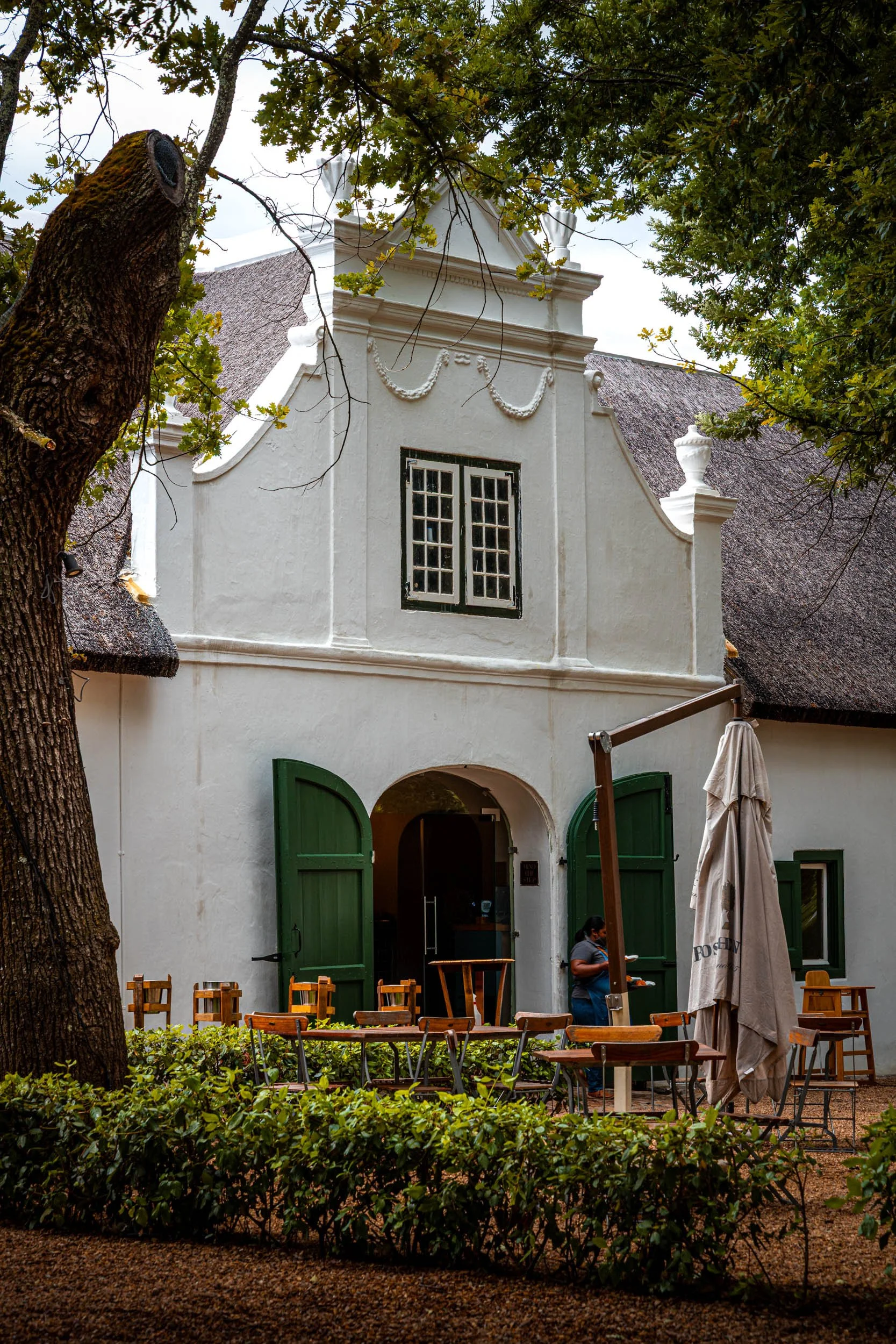
The next day, we had a wine-tasting tour booked, visiting several wineries in the area: Lanzerac, Neil Ellis, Le Pommier, and Boschendal. Of course, we picked up a few bottles of our favorites. During the day, it rained occasionally, and in the evening and night there were even thunderstorms — apparently the strongest in many years, according to our hosts.
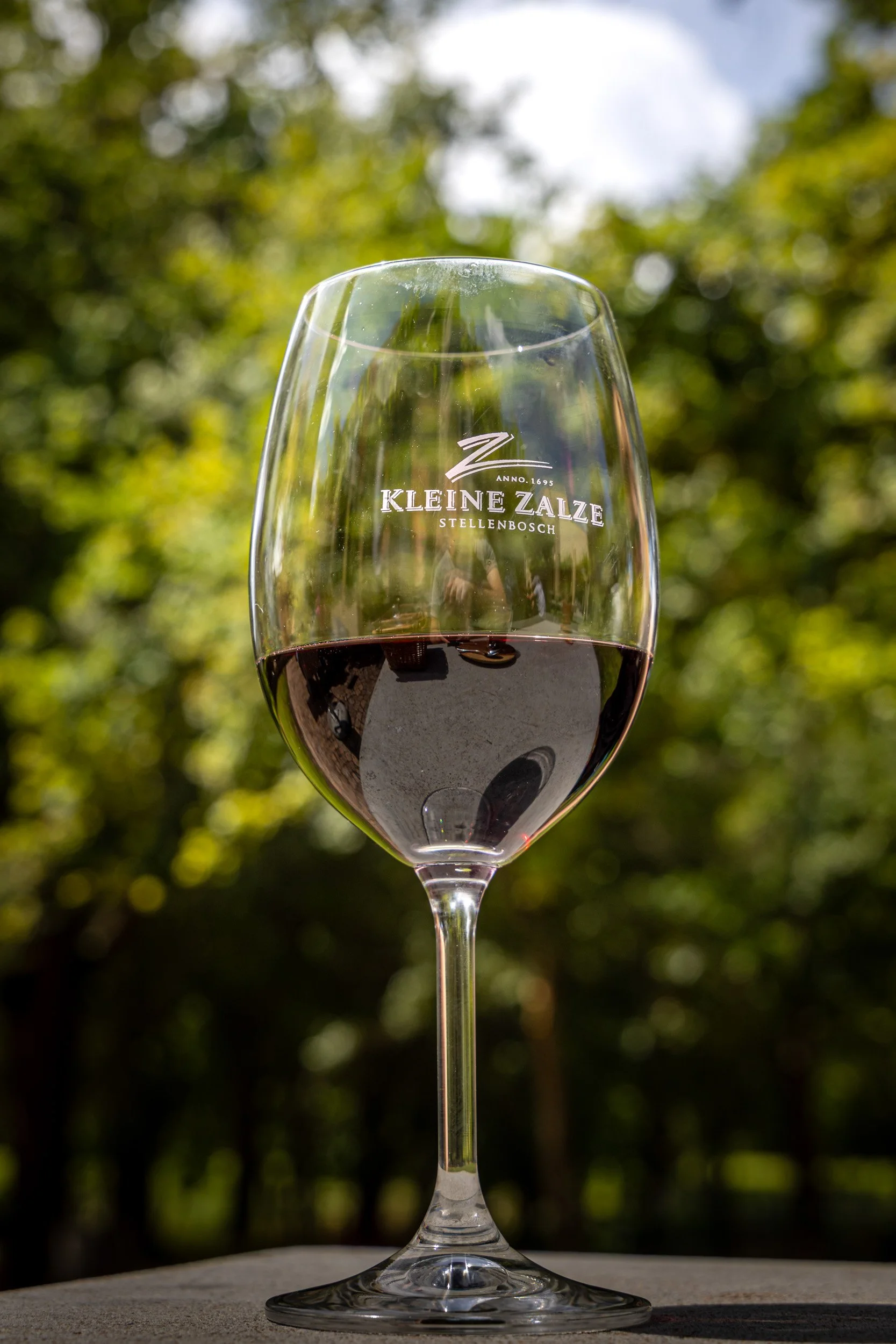
The following morning, we visited the Kleine Zalze estate before continuing on to Cape Town, our final destination.

Cape of Good Hope
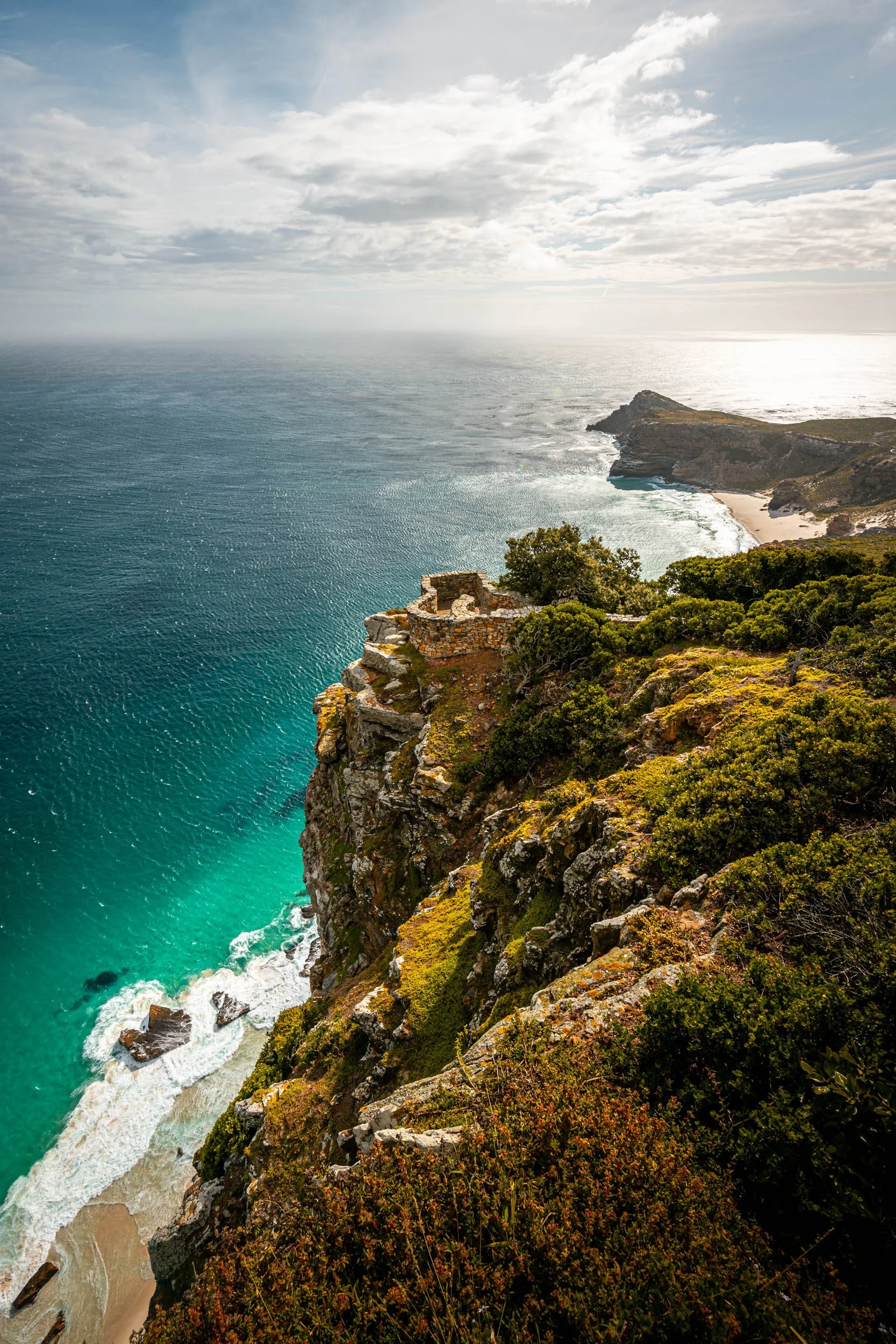
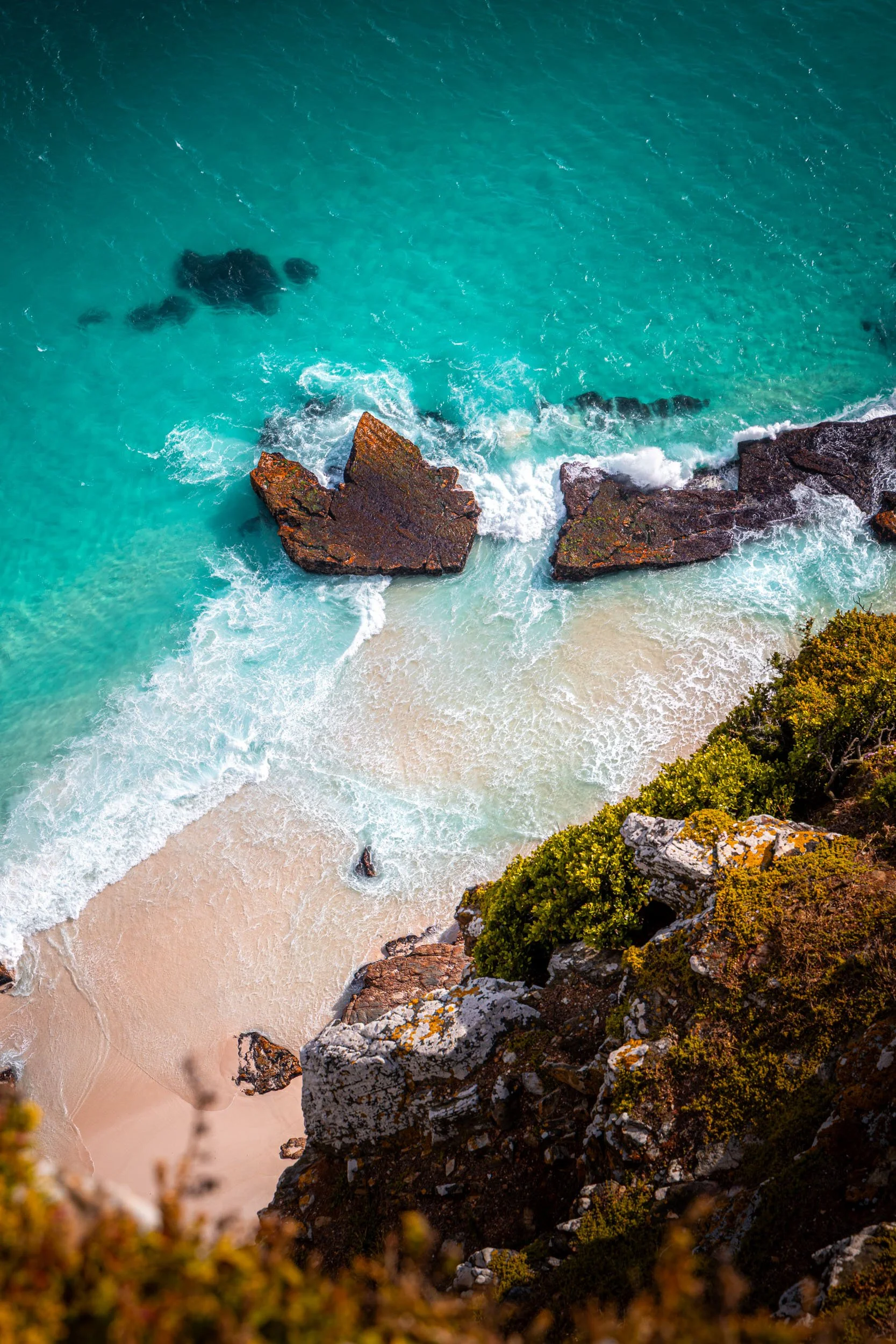
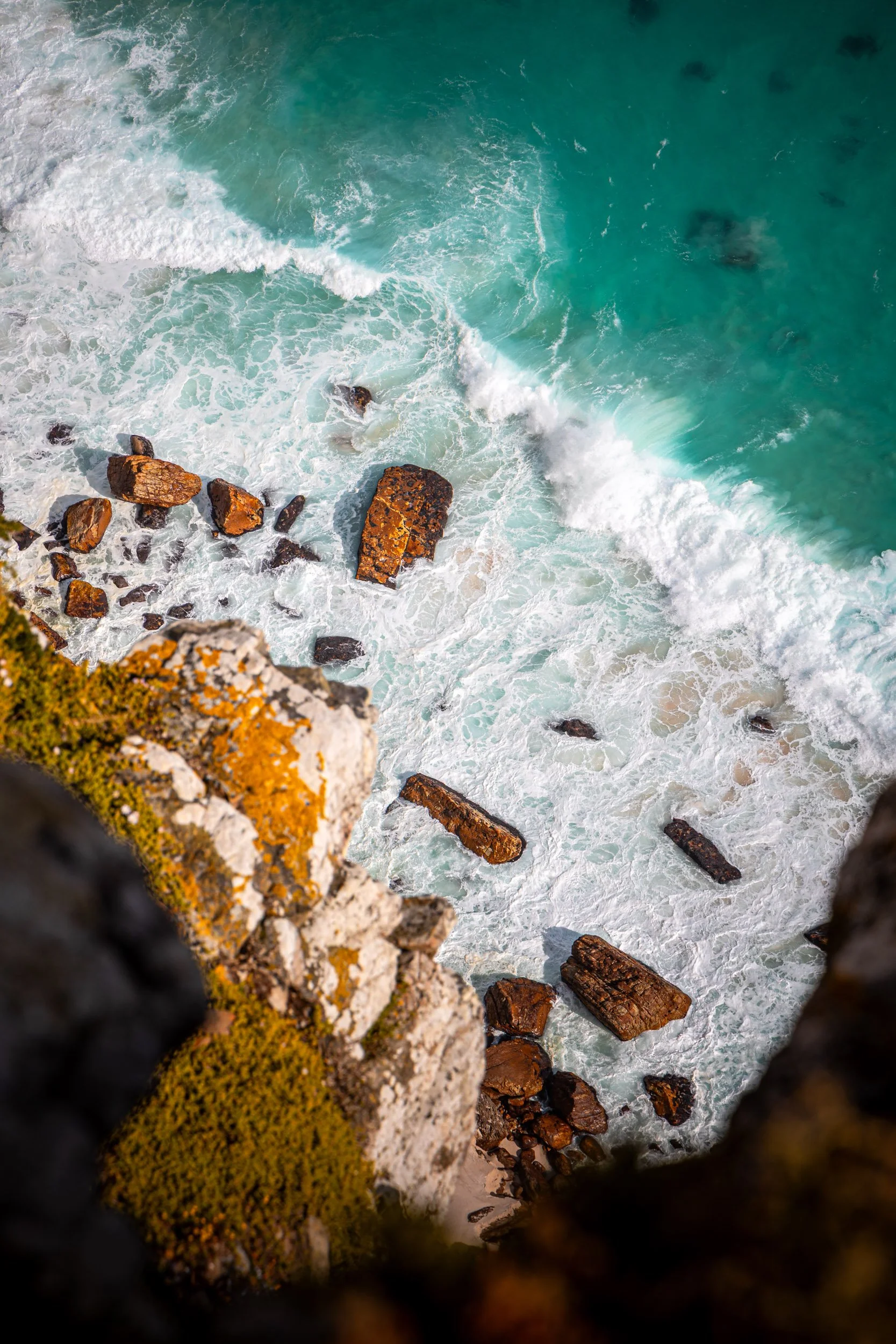
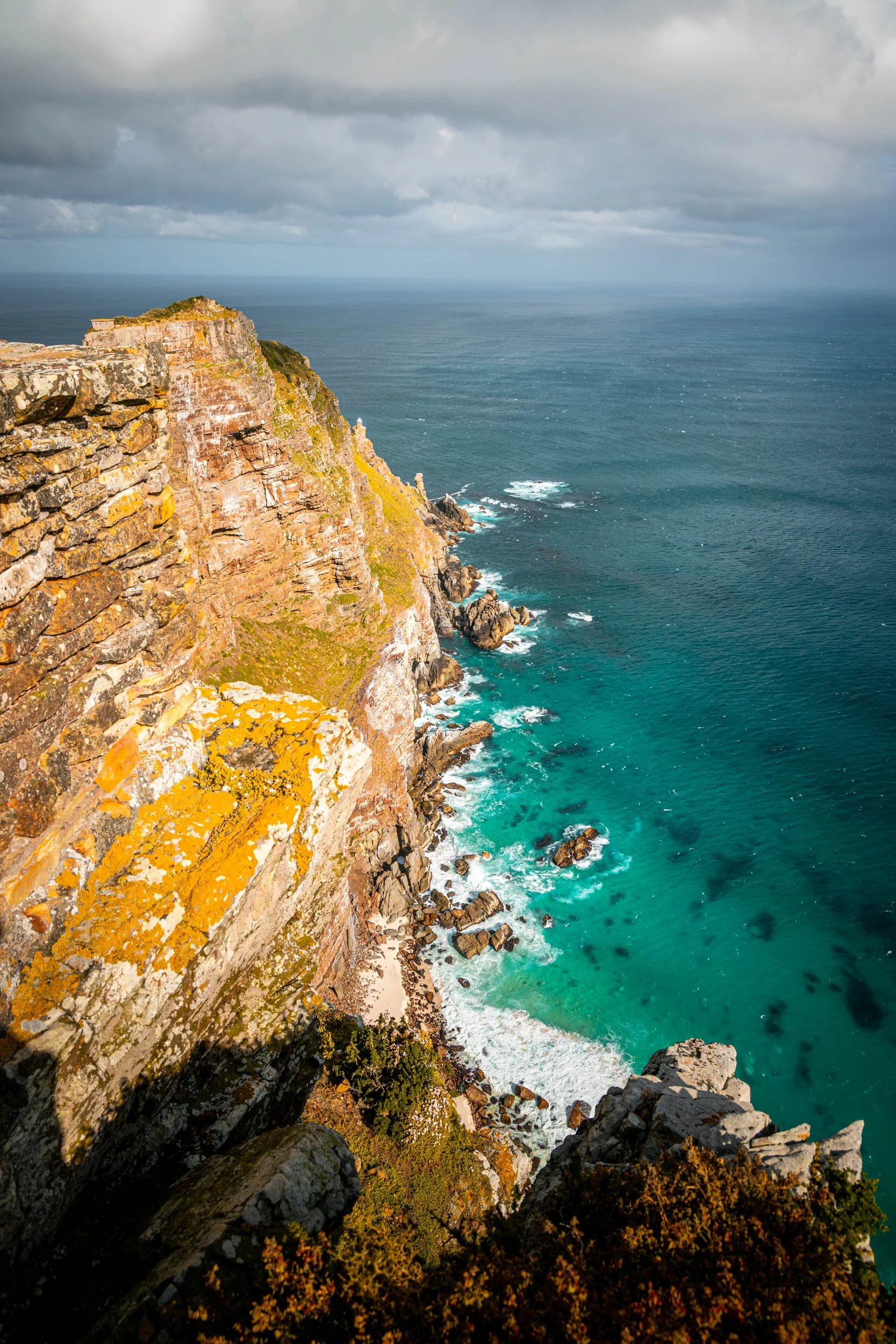
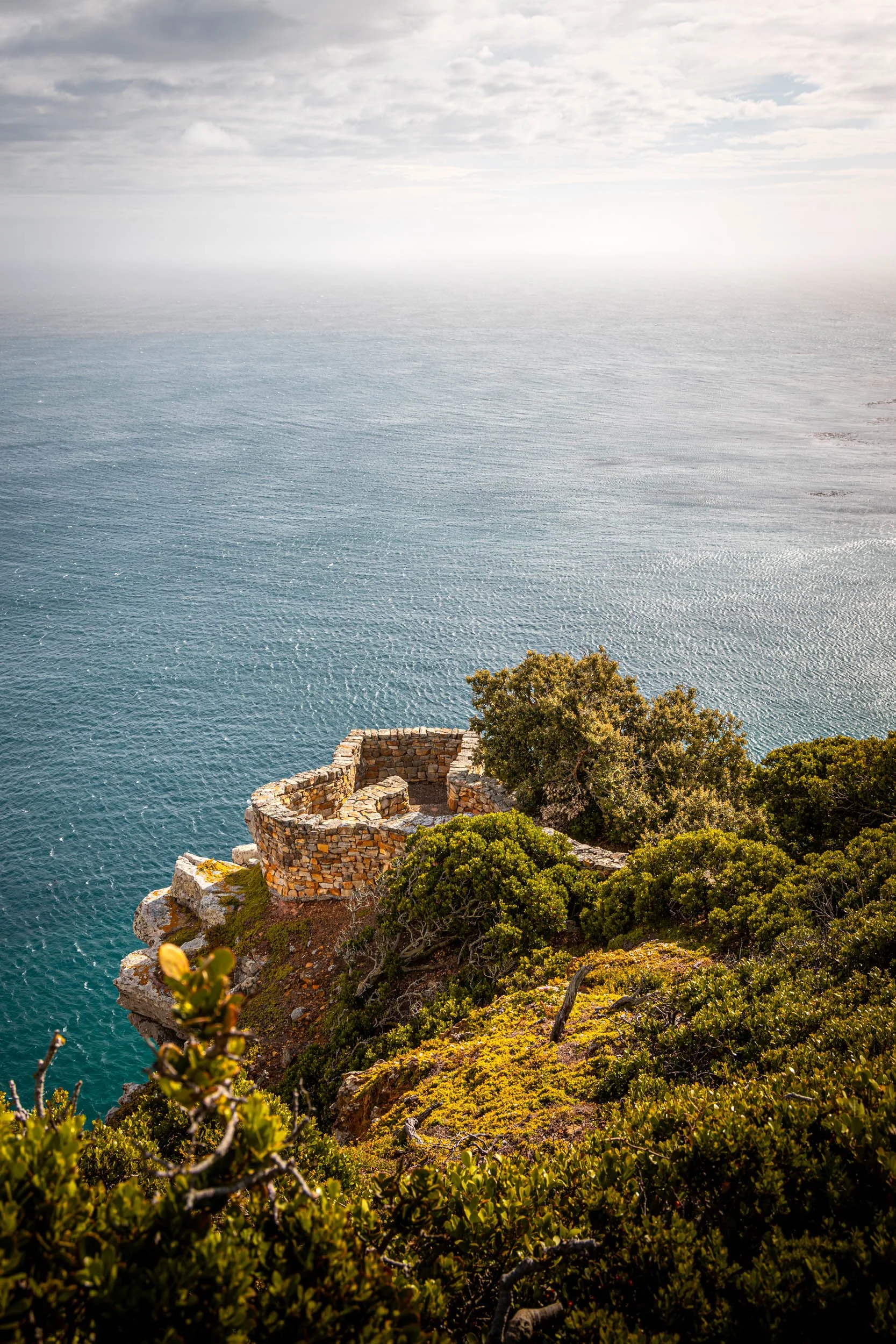
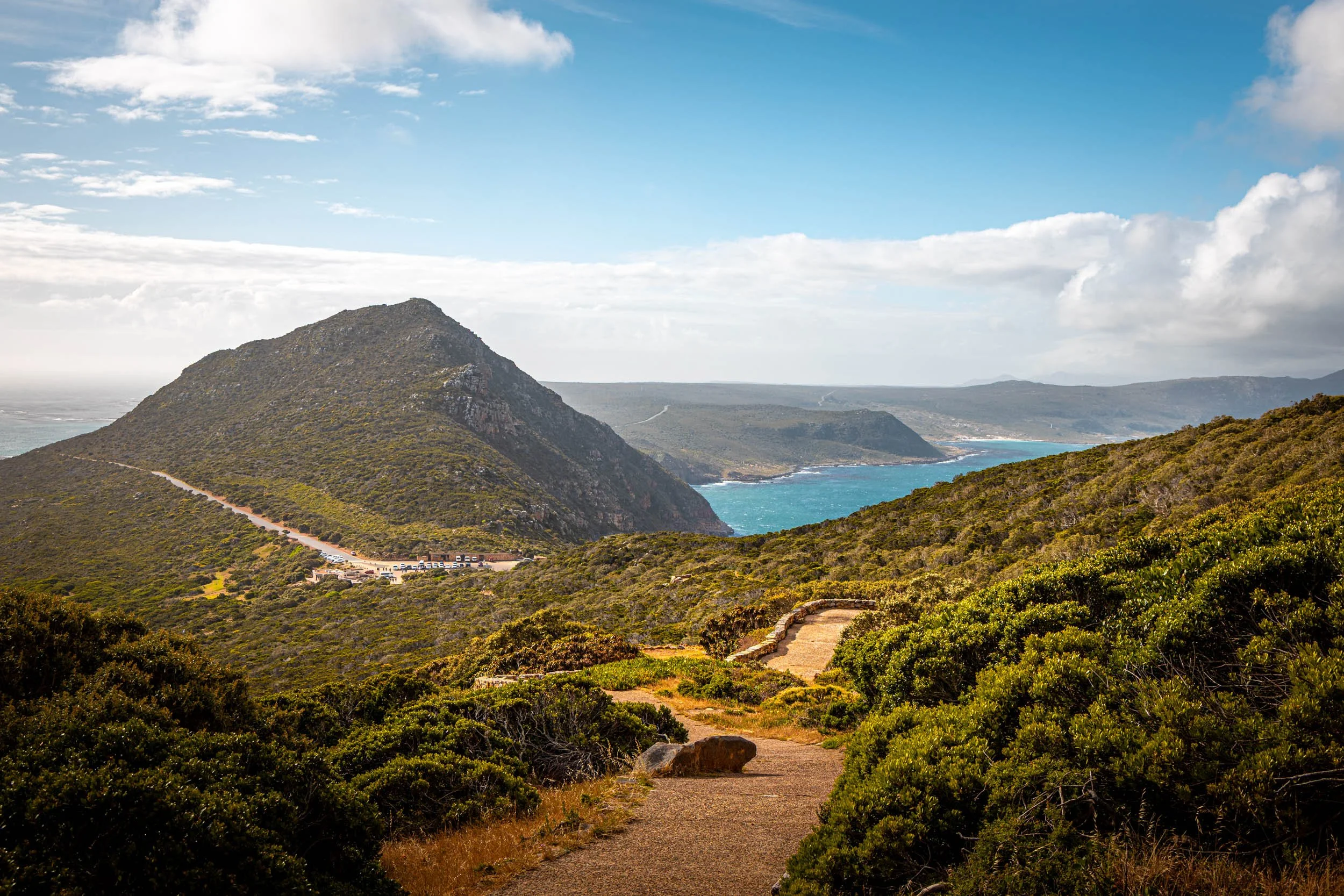
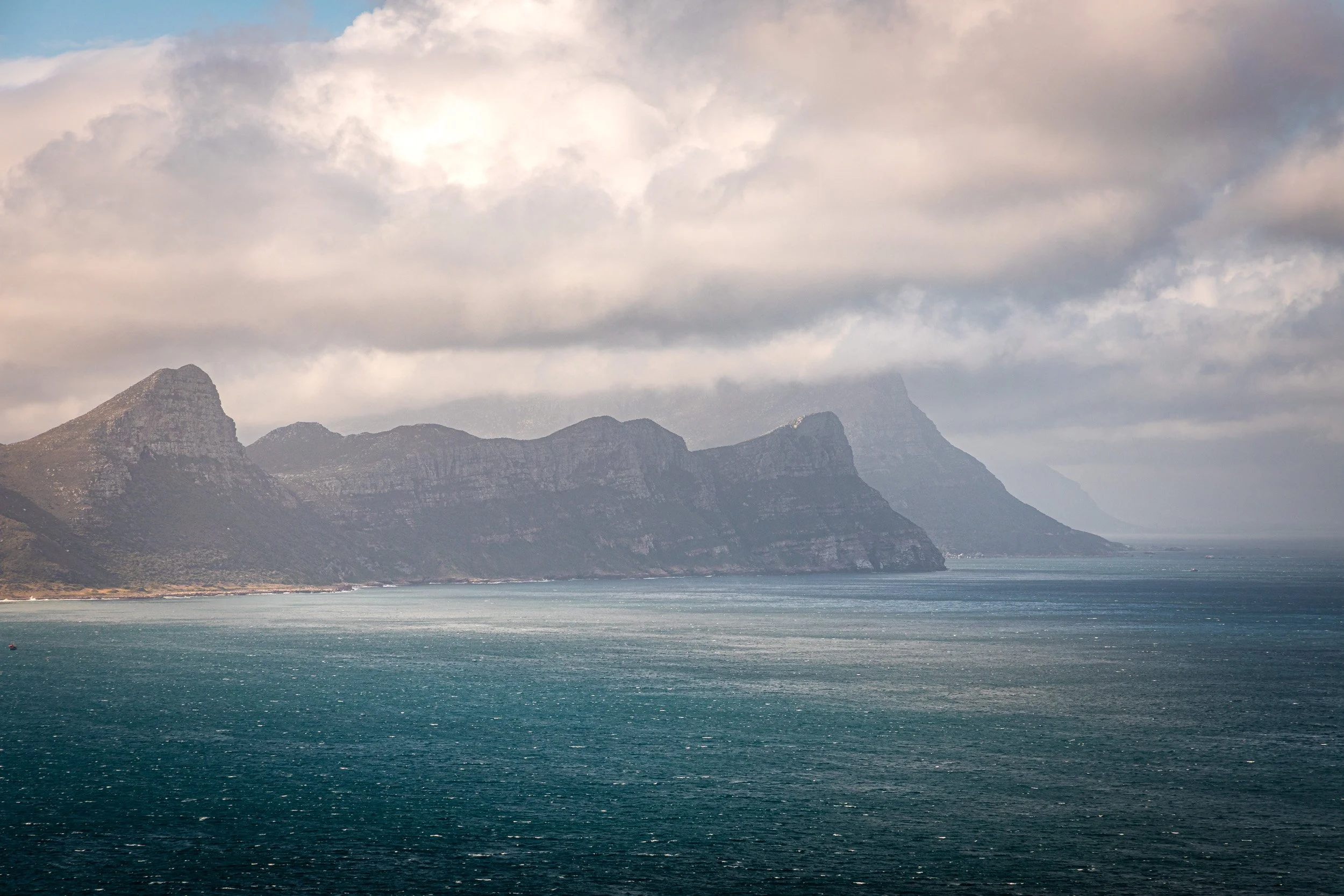
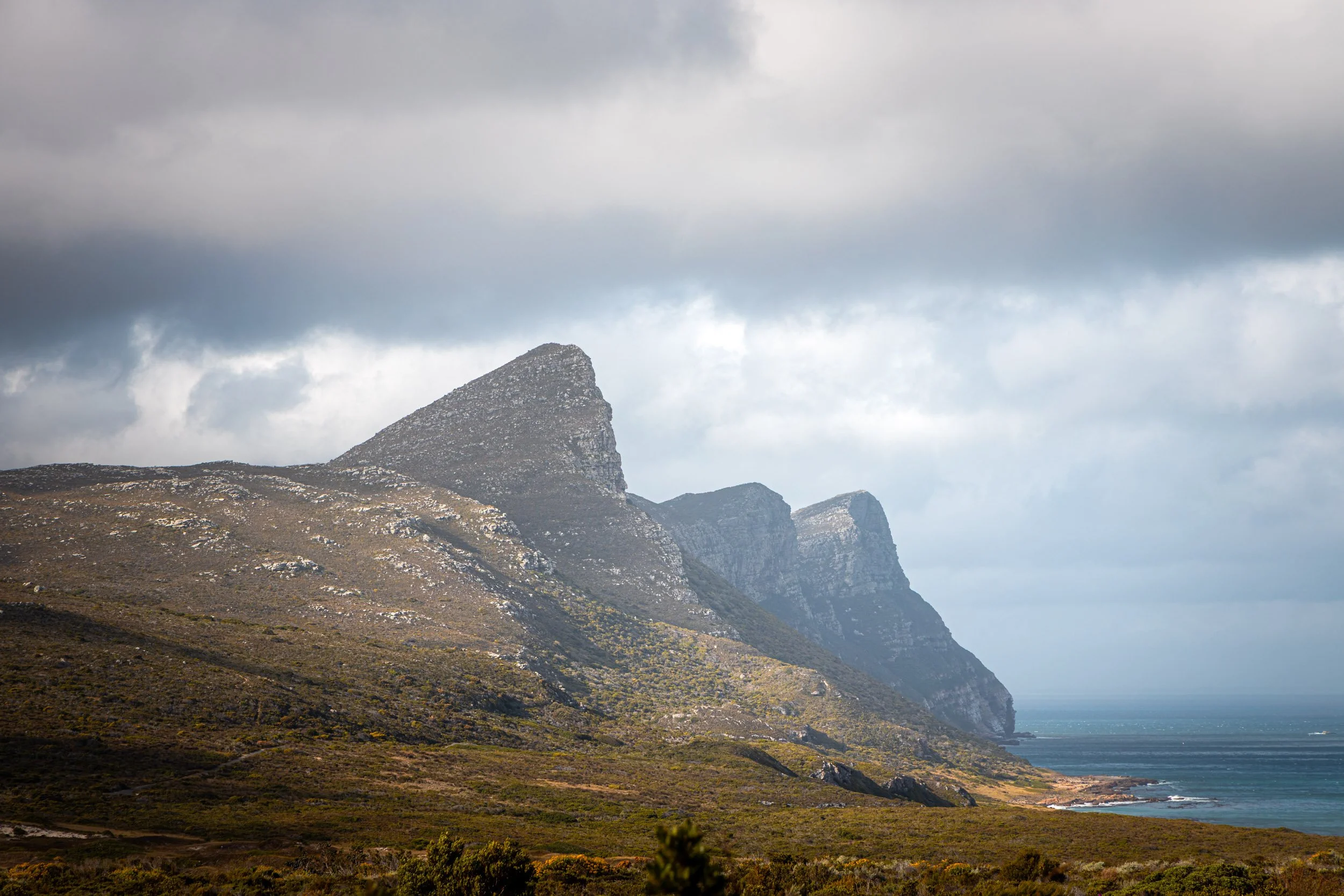
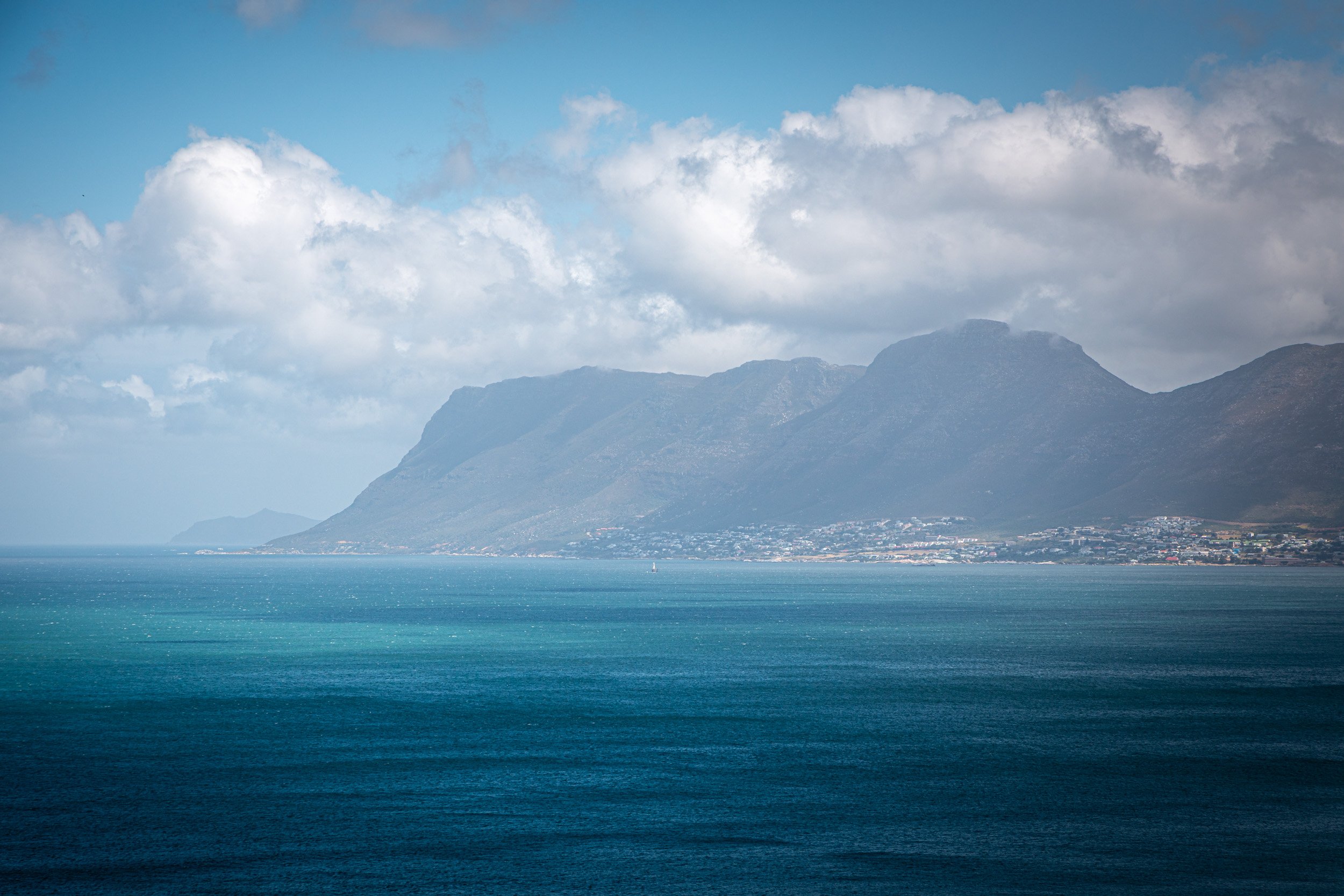
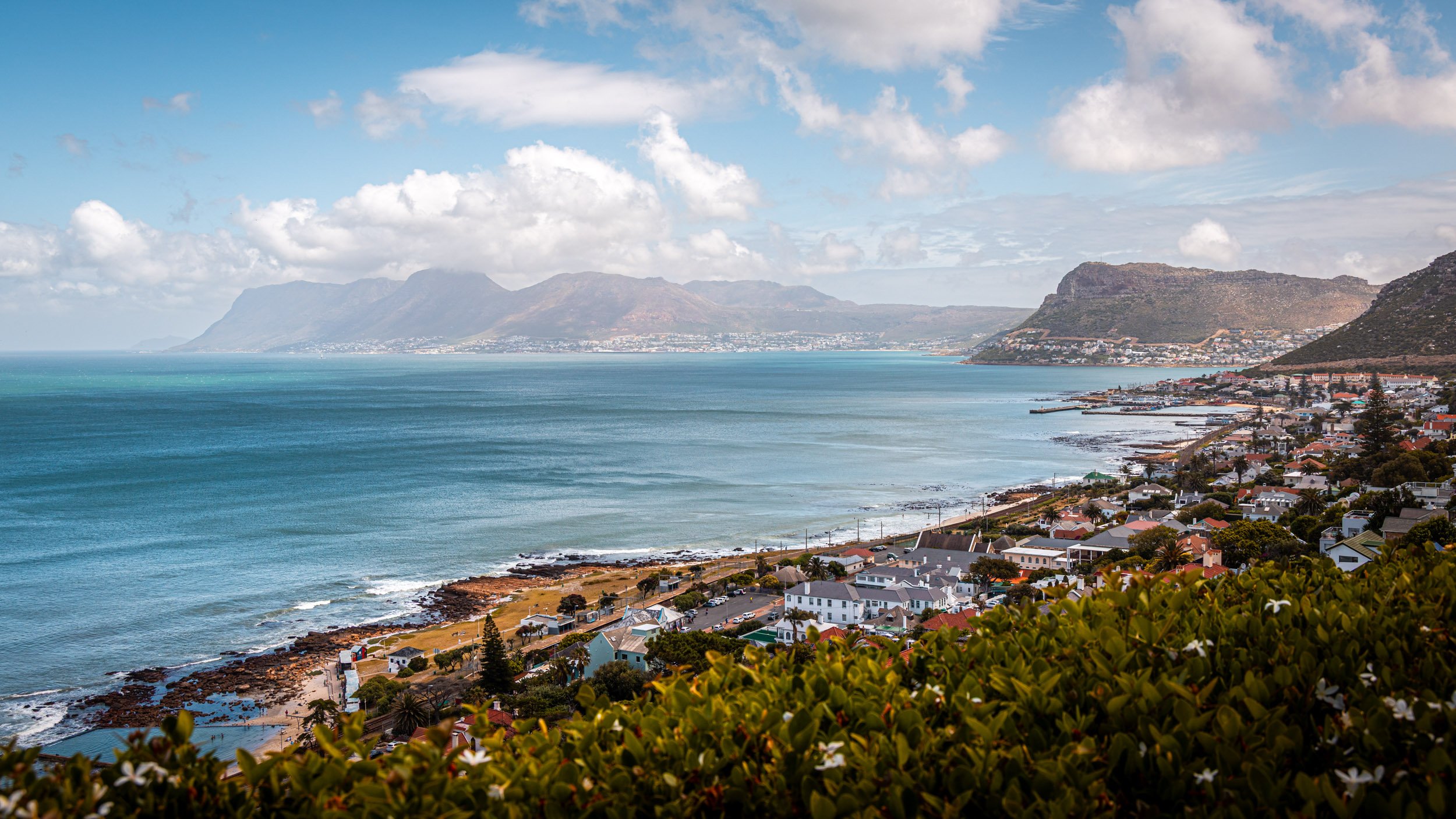
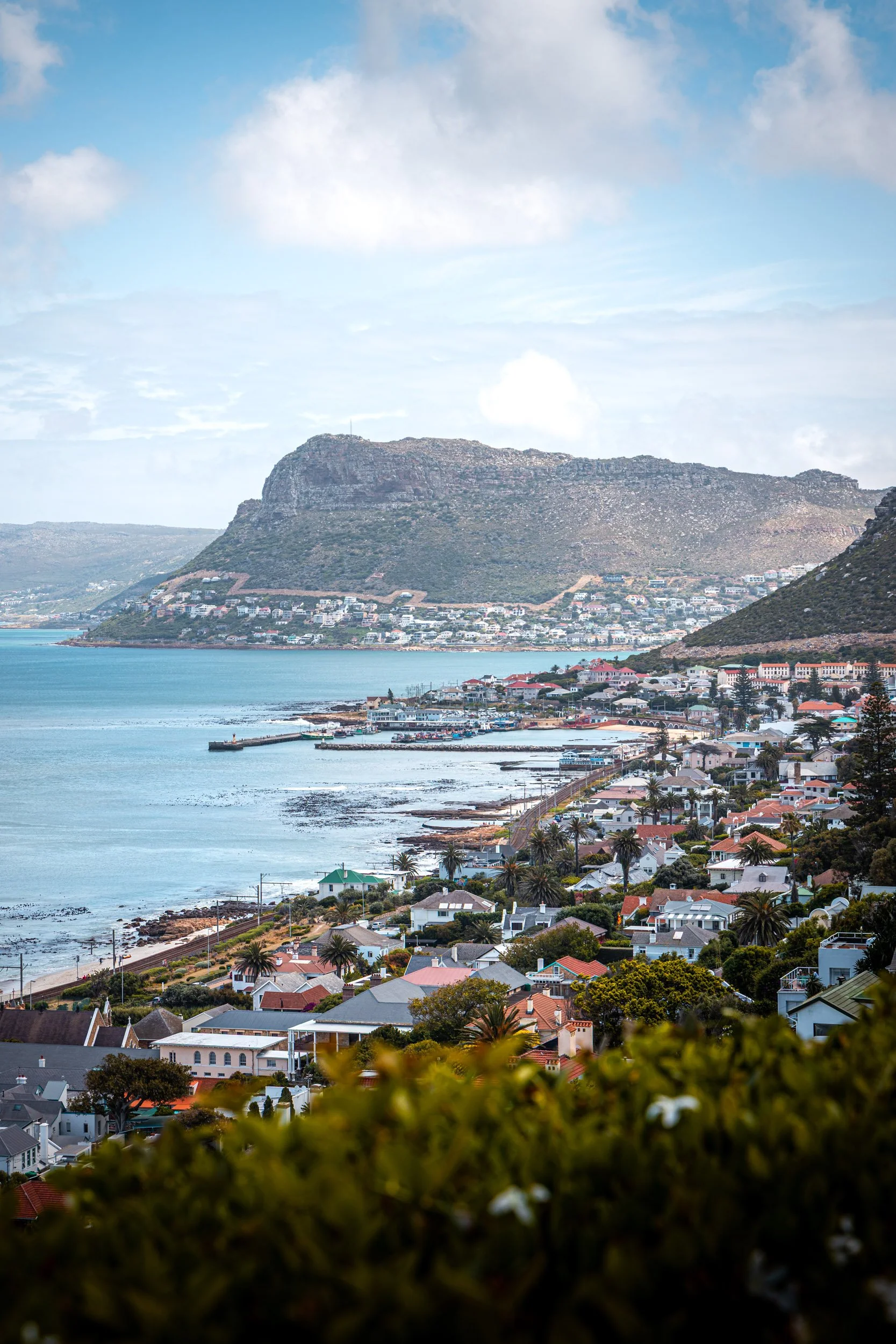
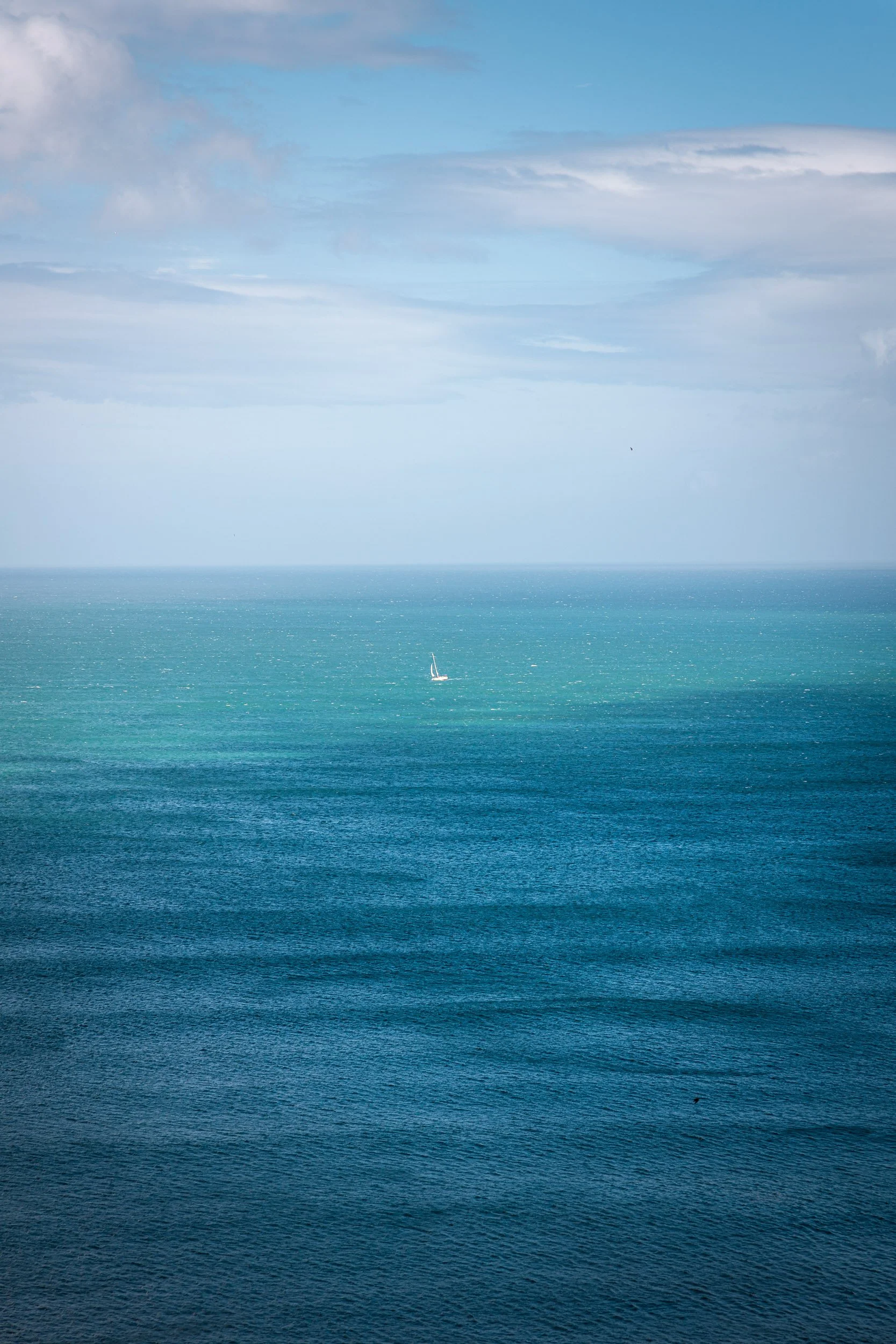
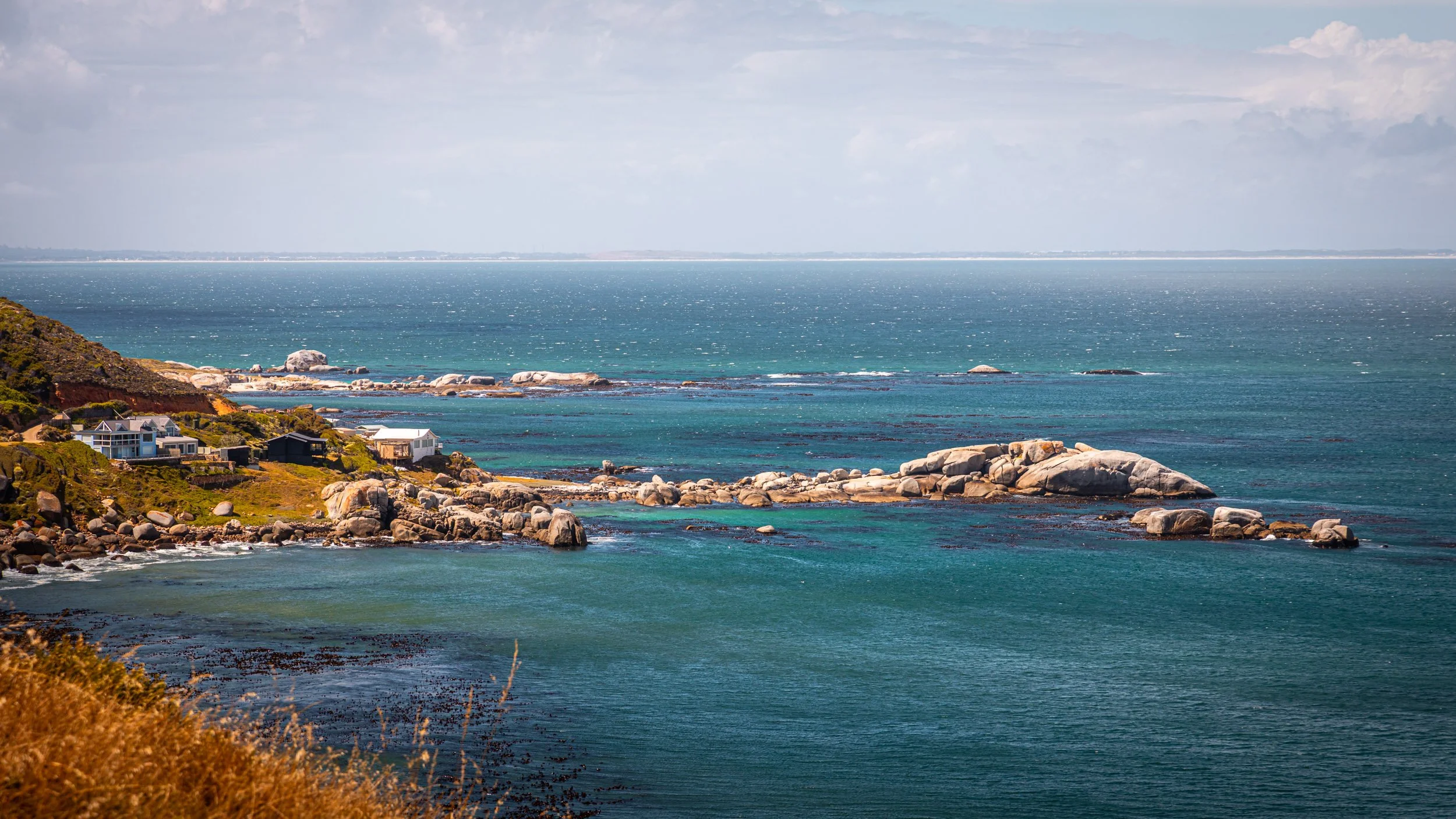
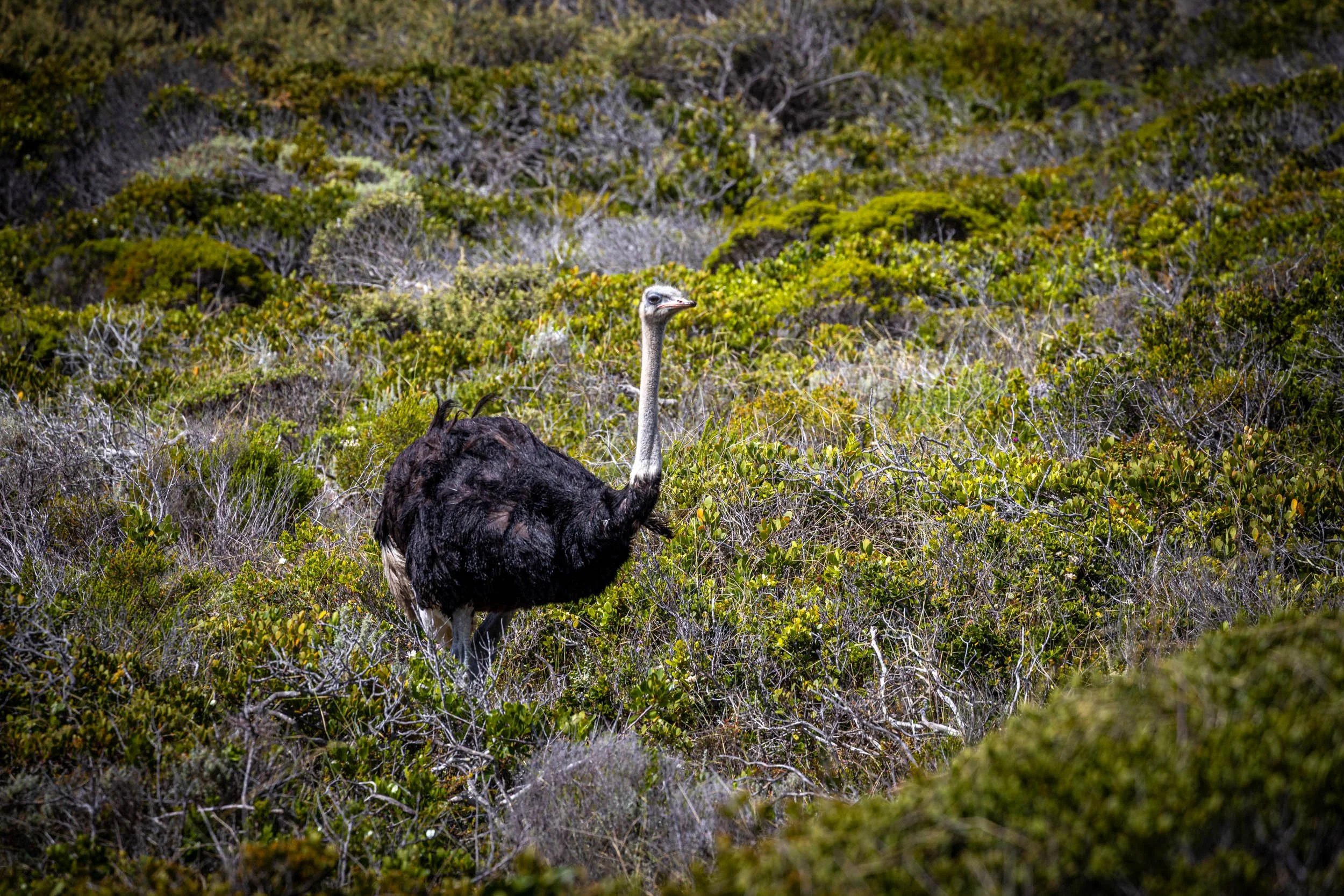
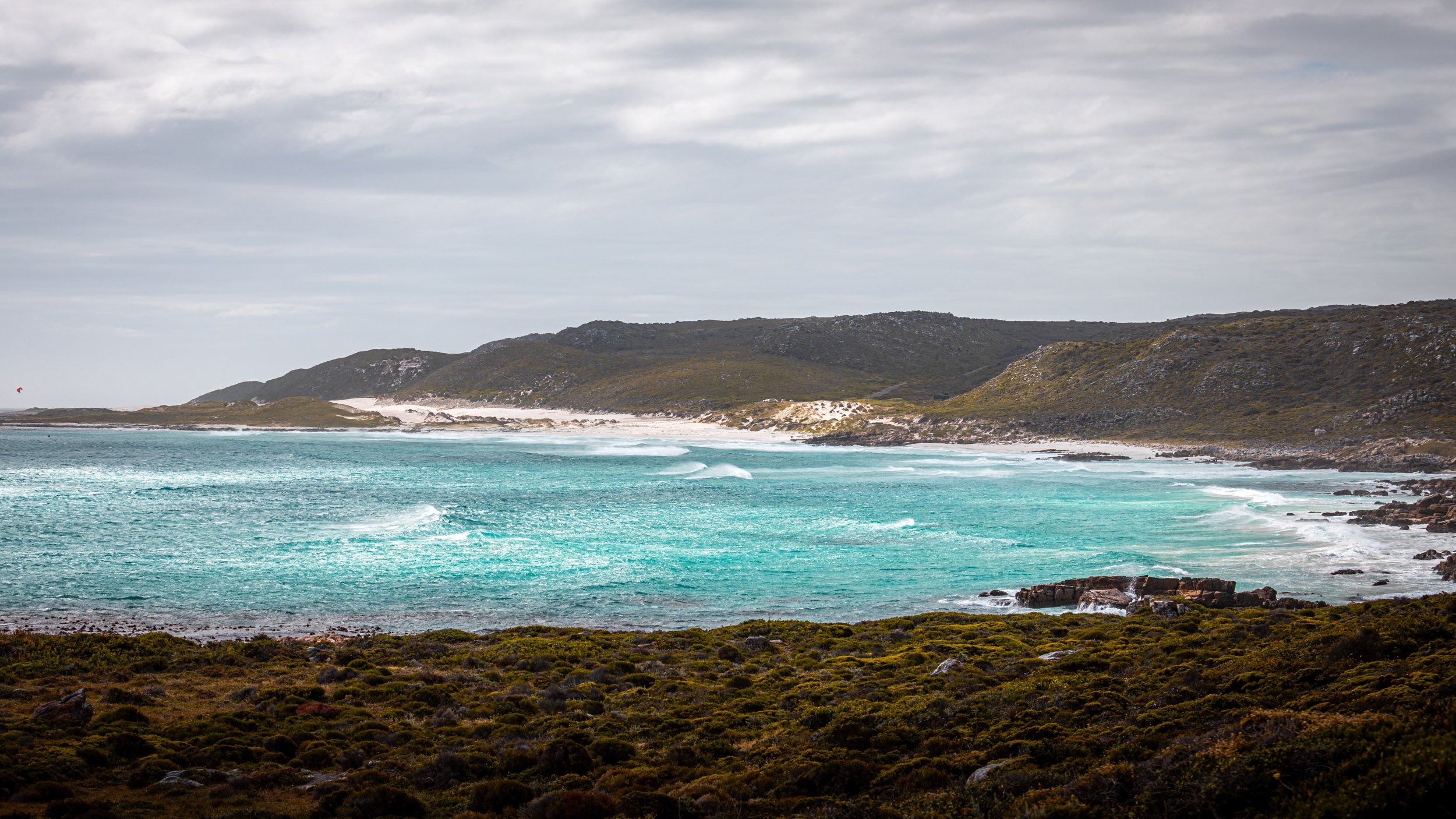
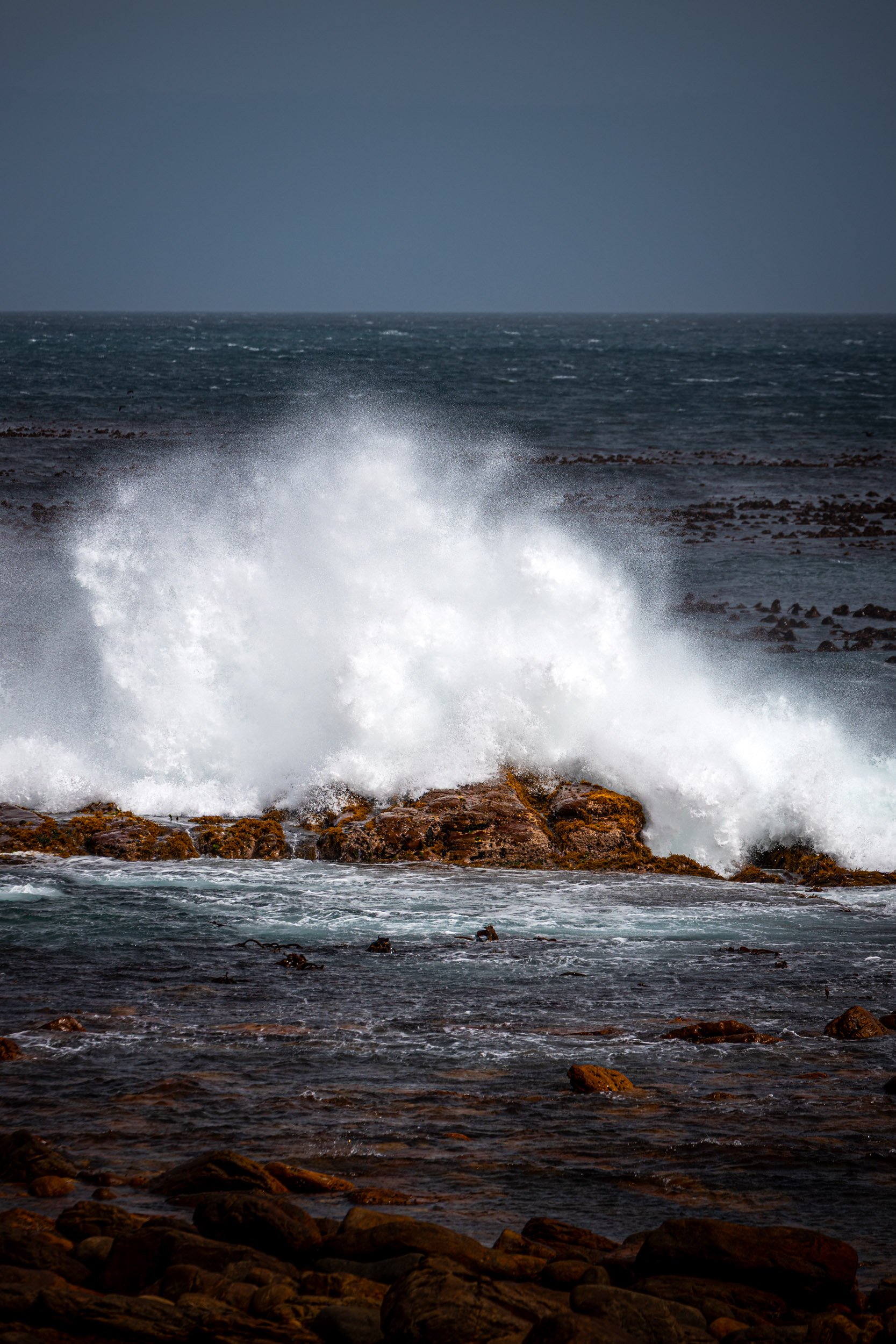
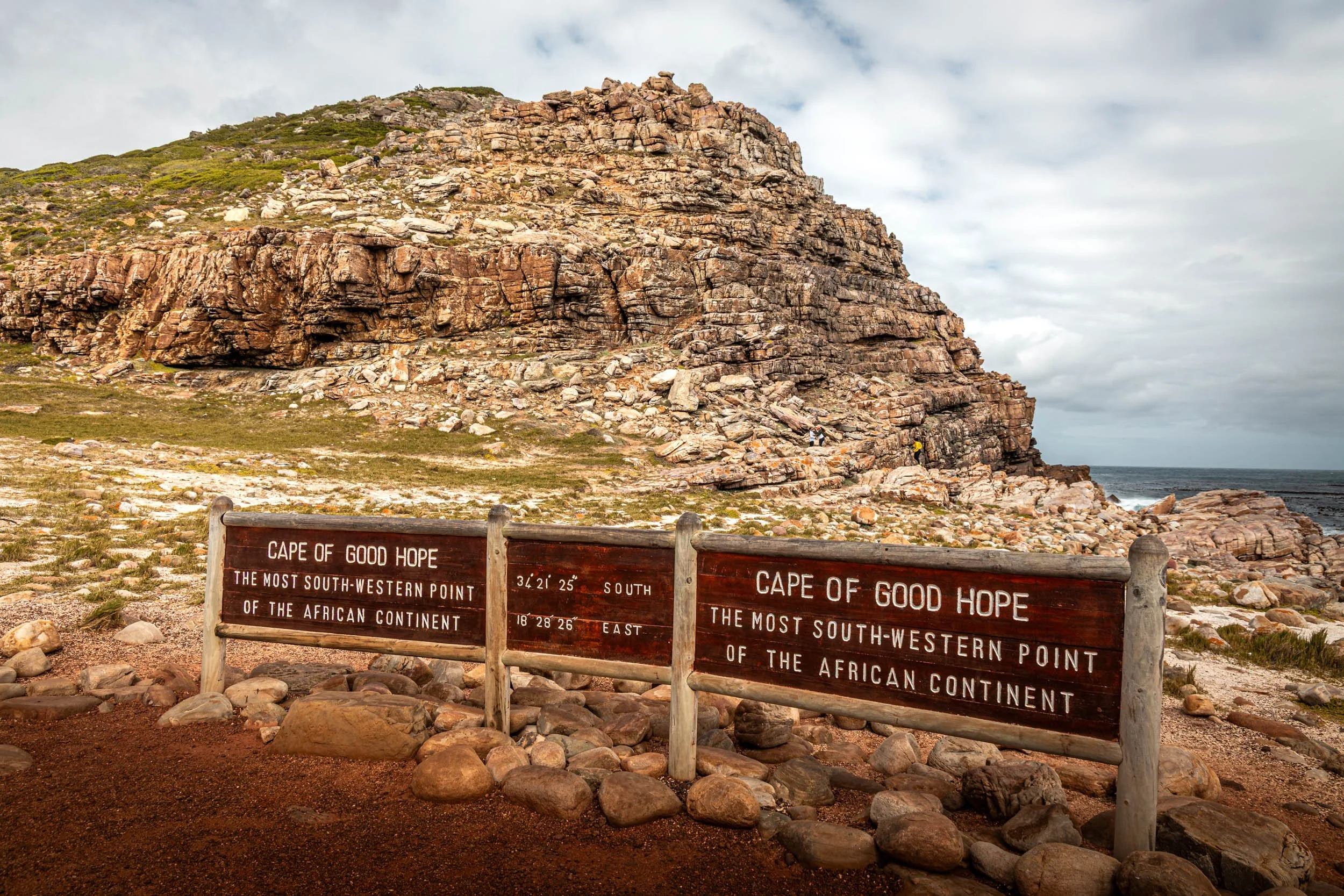
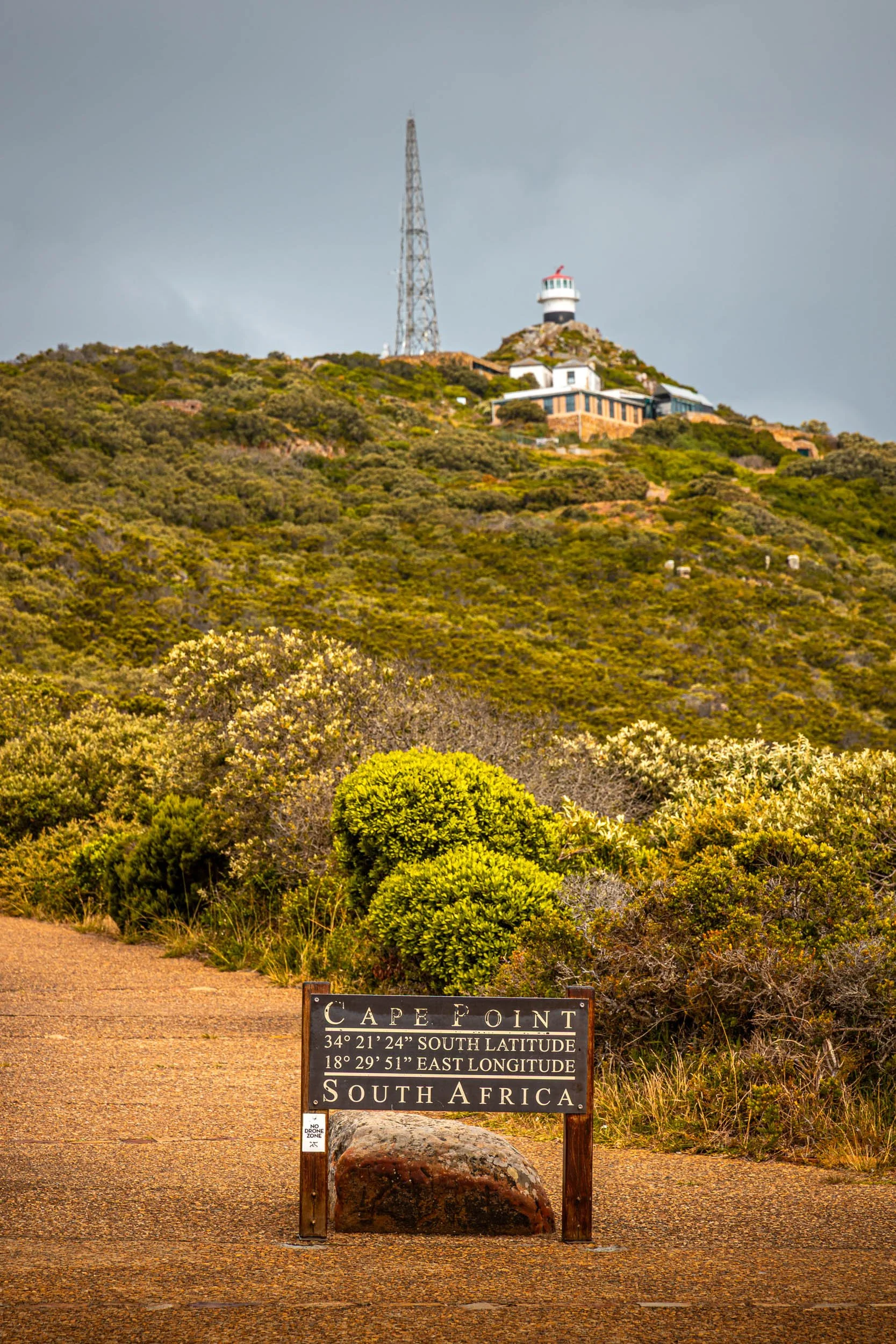
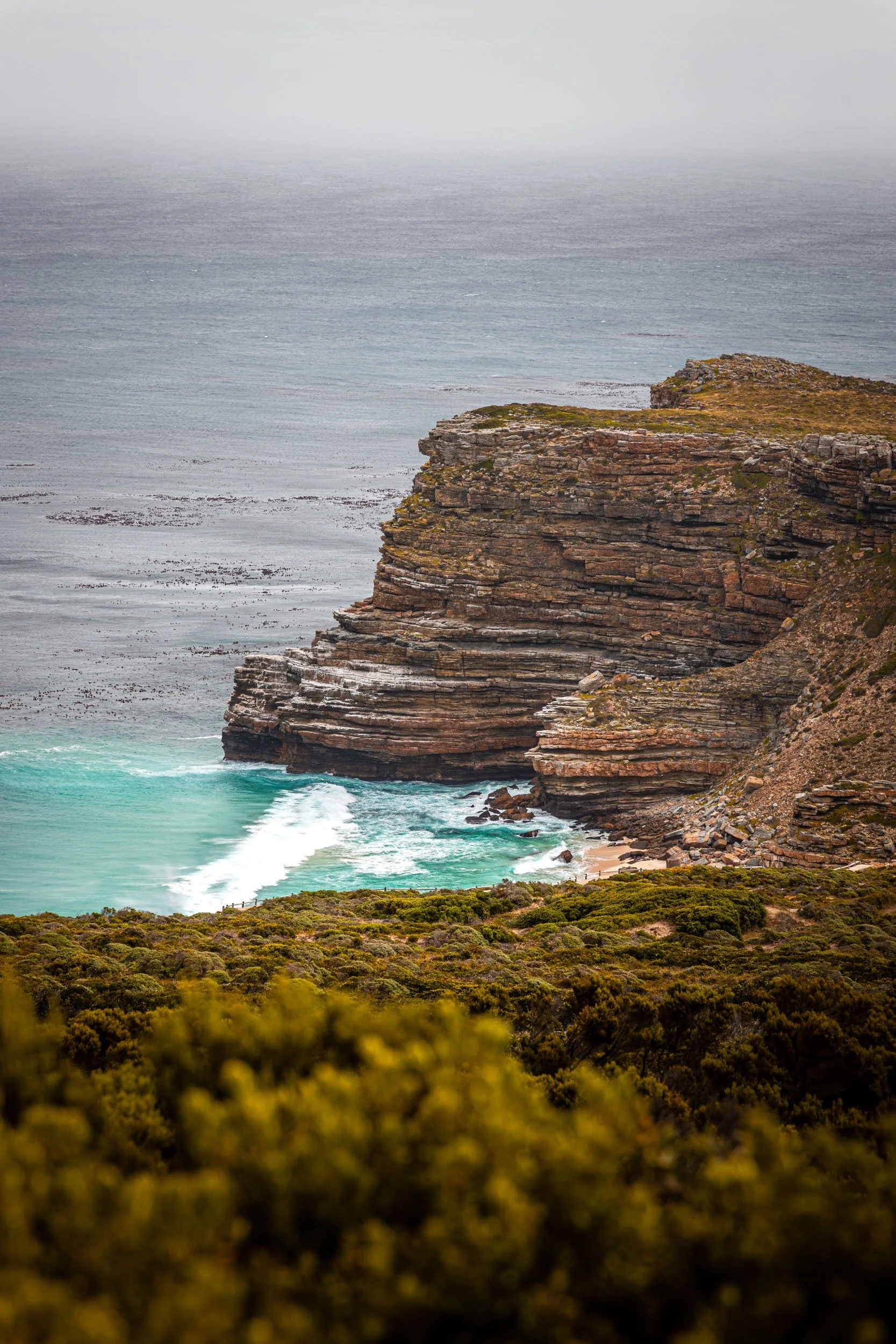
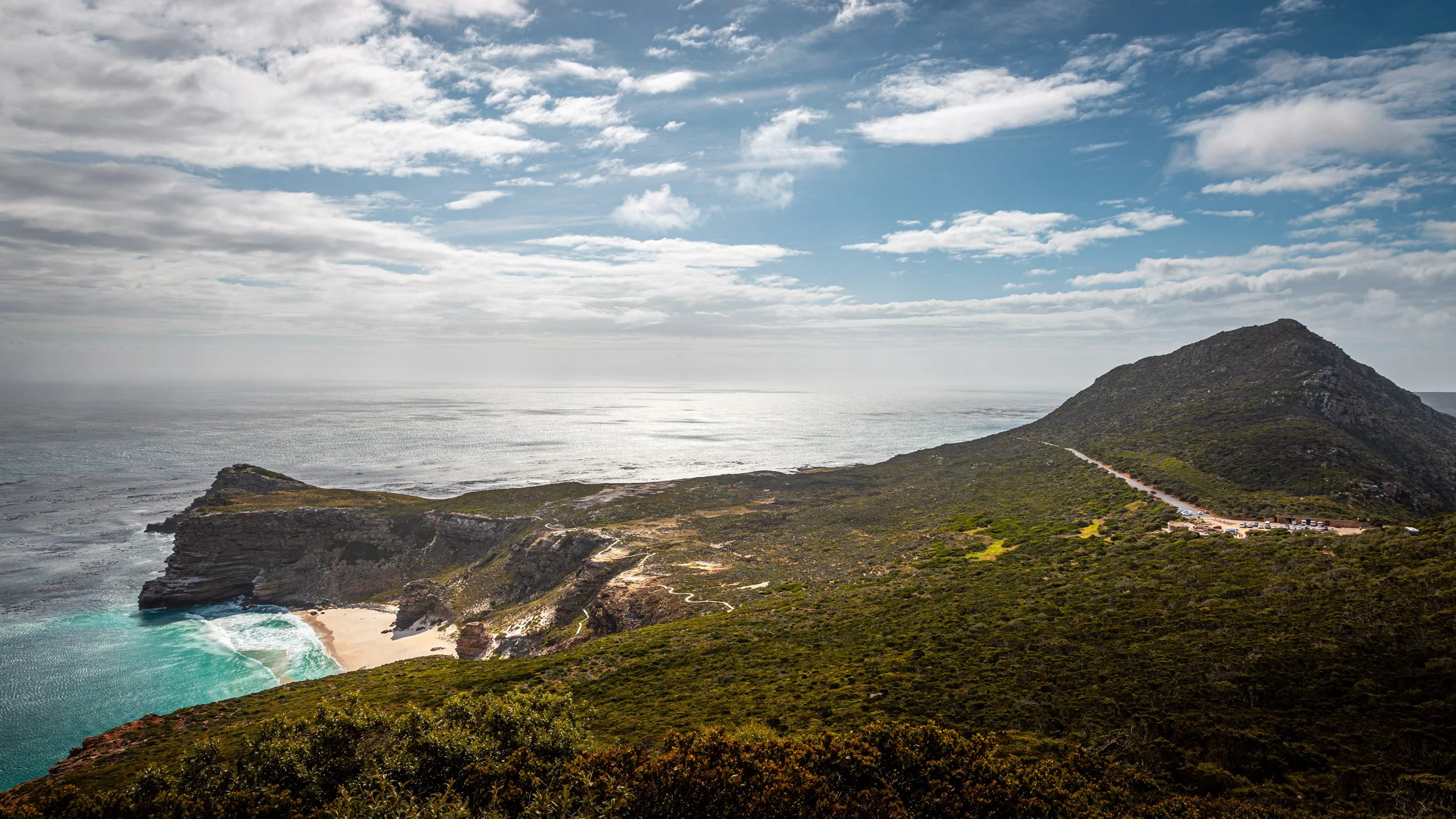
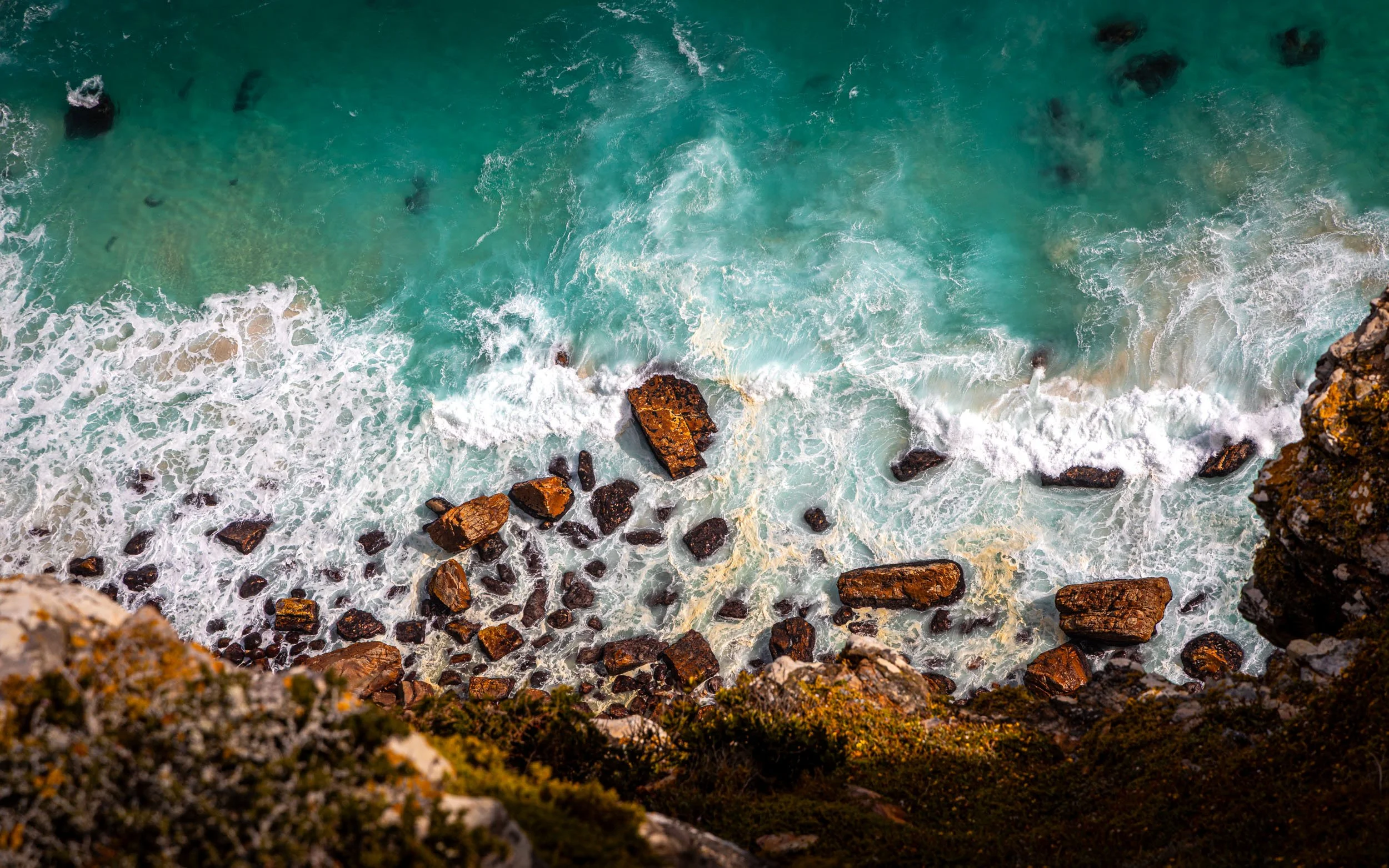
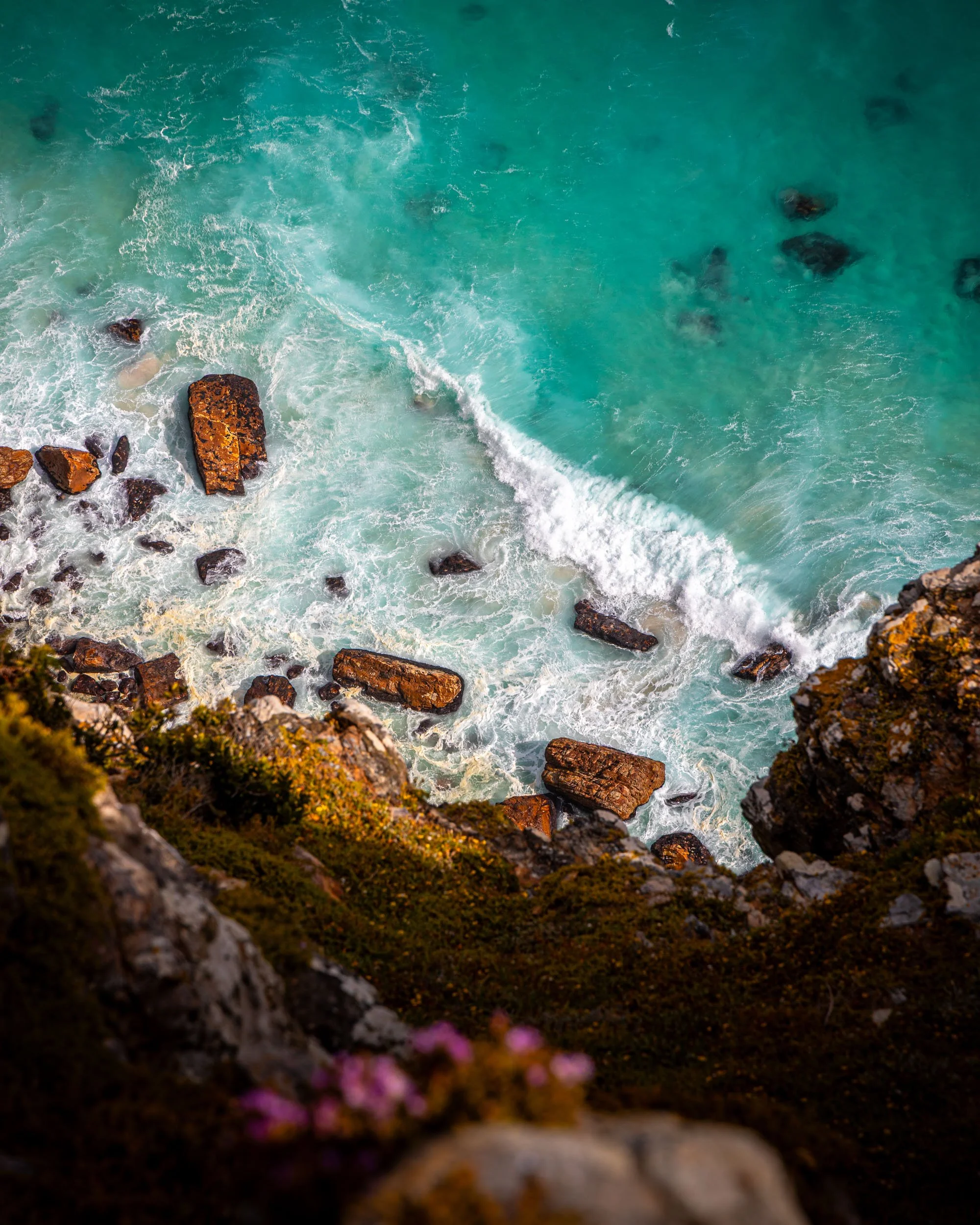
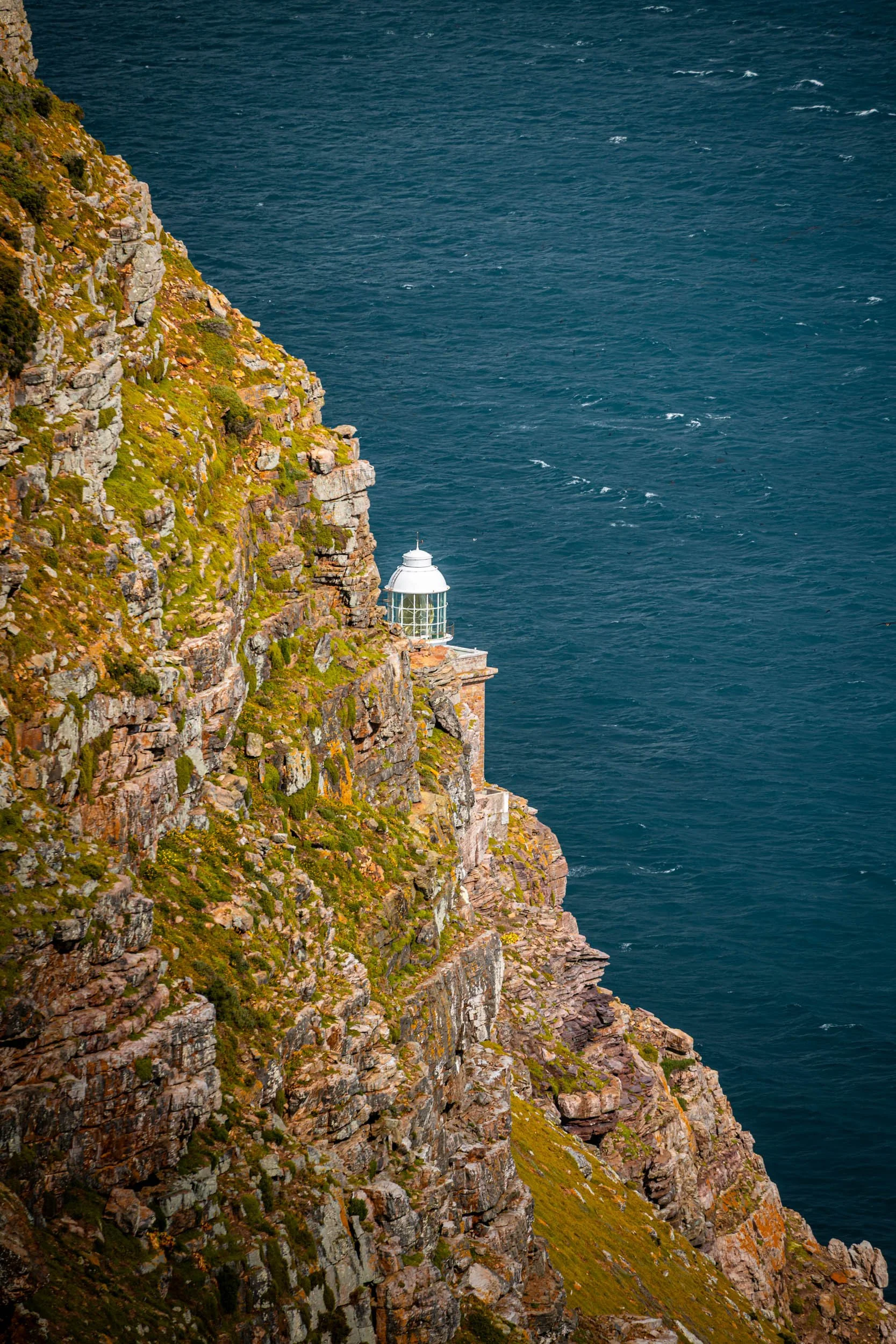
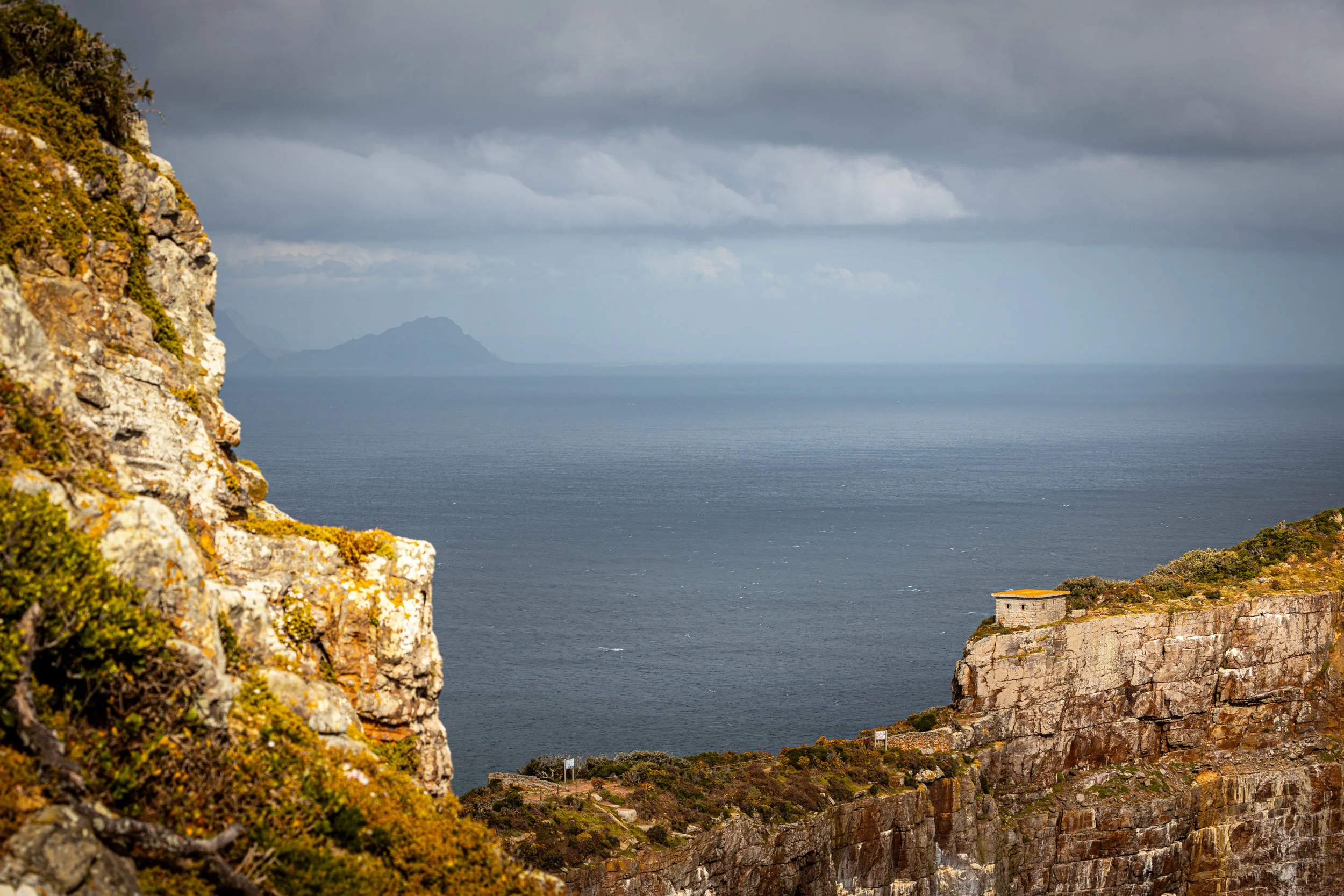
Since we were able to check in at our accommodation around midday, we used the day to drive straight to the Cape of Good Hope. The views along the way and at the cape were stunning, and although there were, of course, many tourists, it didn’t feel overcrowded — unless a couple of tour buses arrived at the same time. After driving down to the cape itself, where the famous Cape of Good Hope sign is located, we went back up to the parking area, from where you can walk to the lighthouse. In the evening, we met up with a friend for dinner in Cape Town, who happened to be in town at the same time.


Cape Town
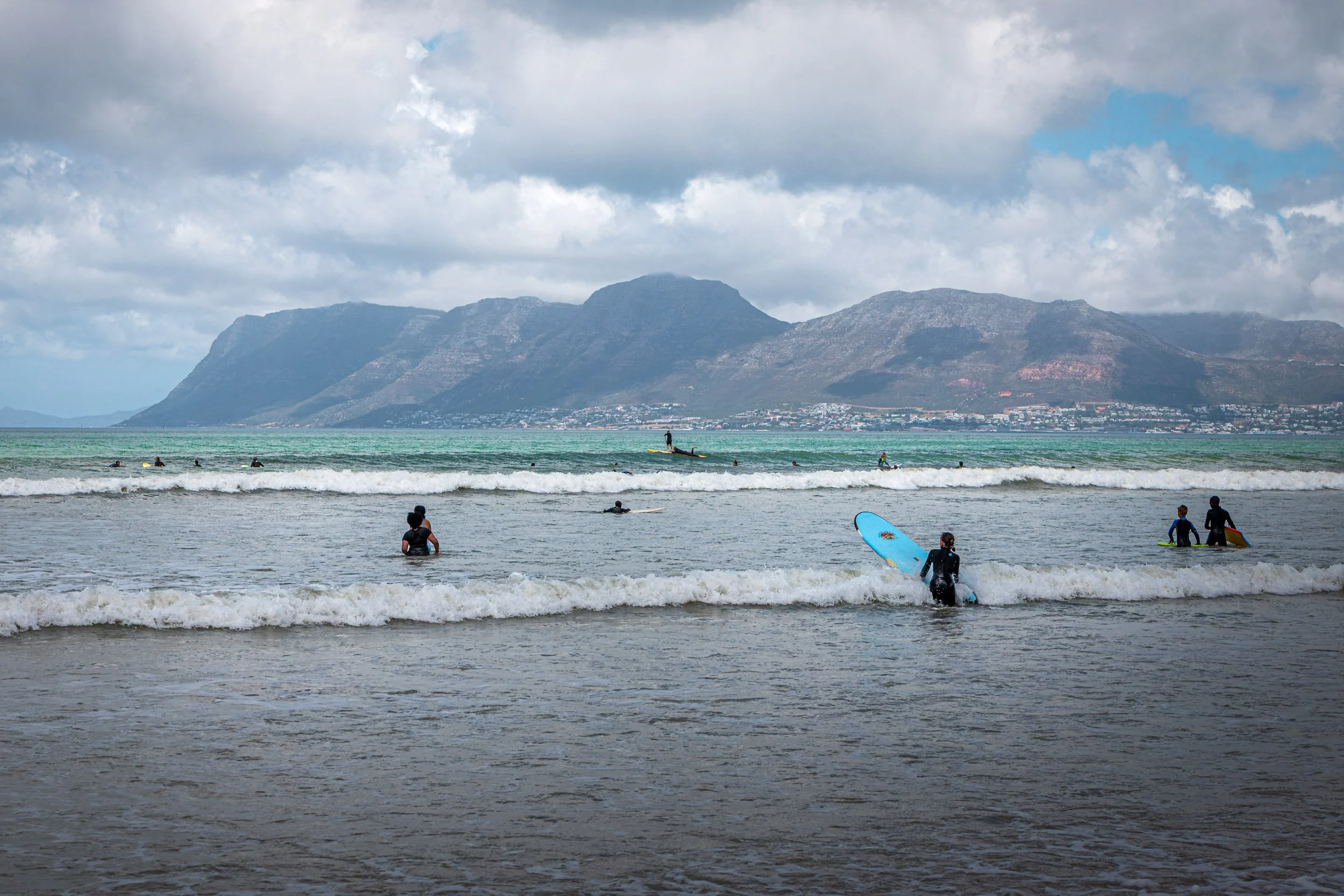
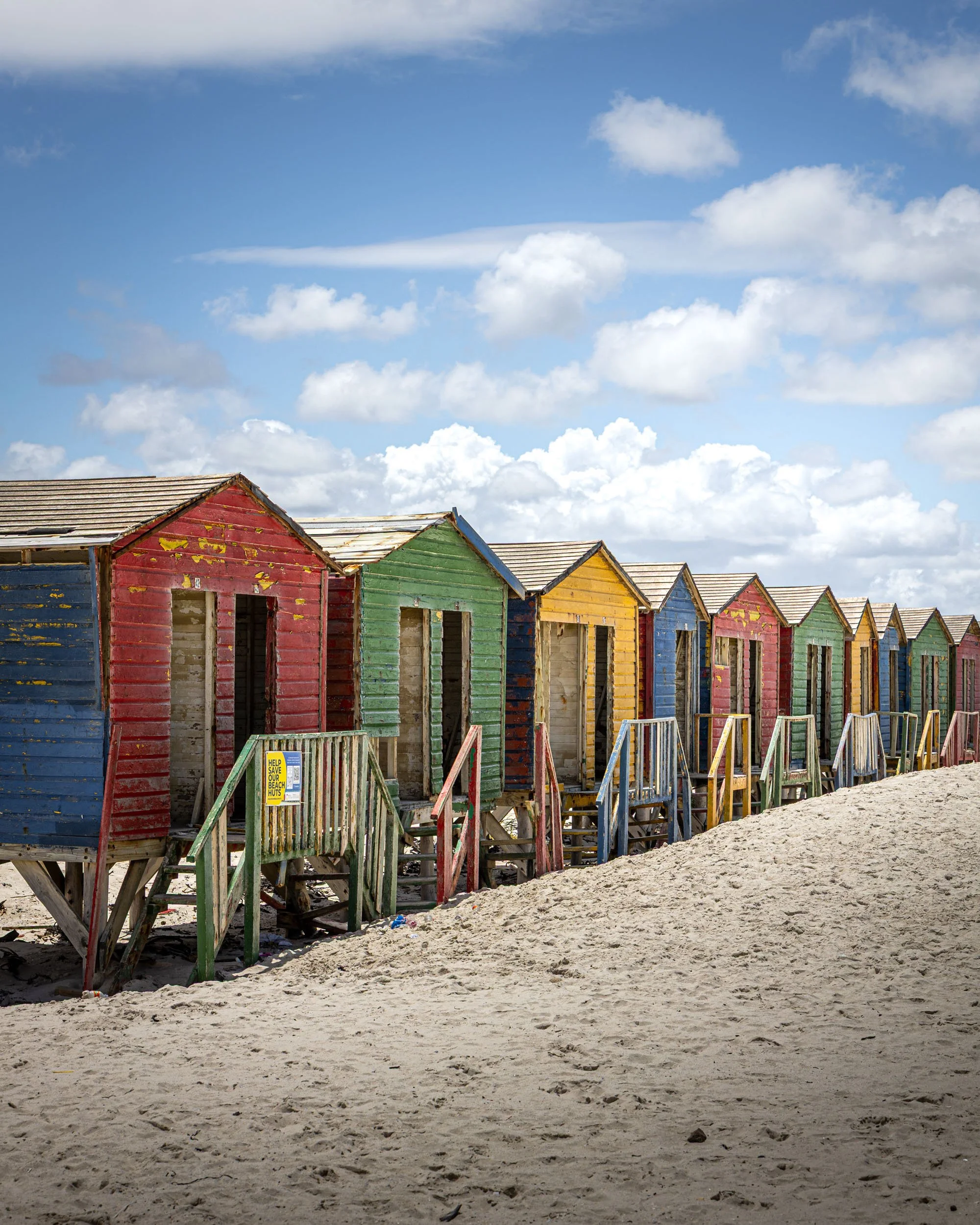
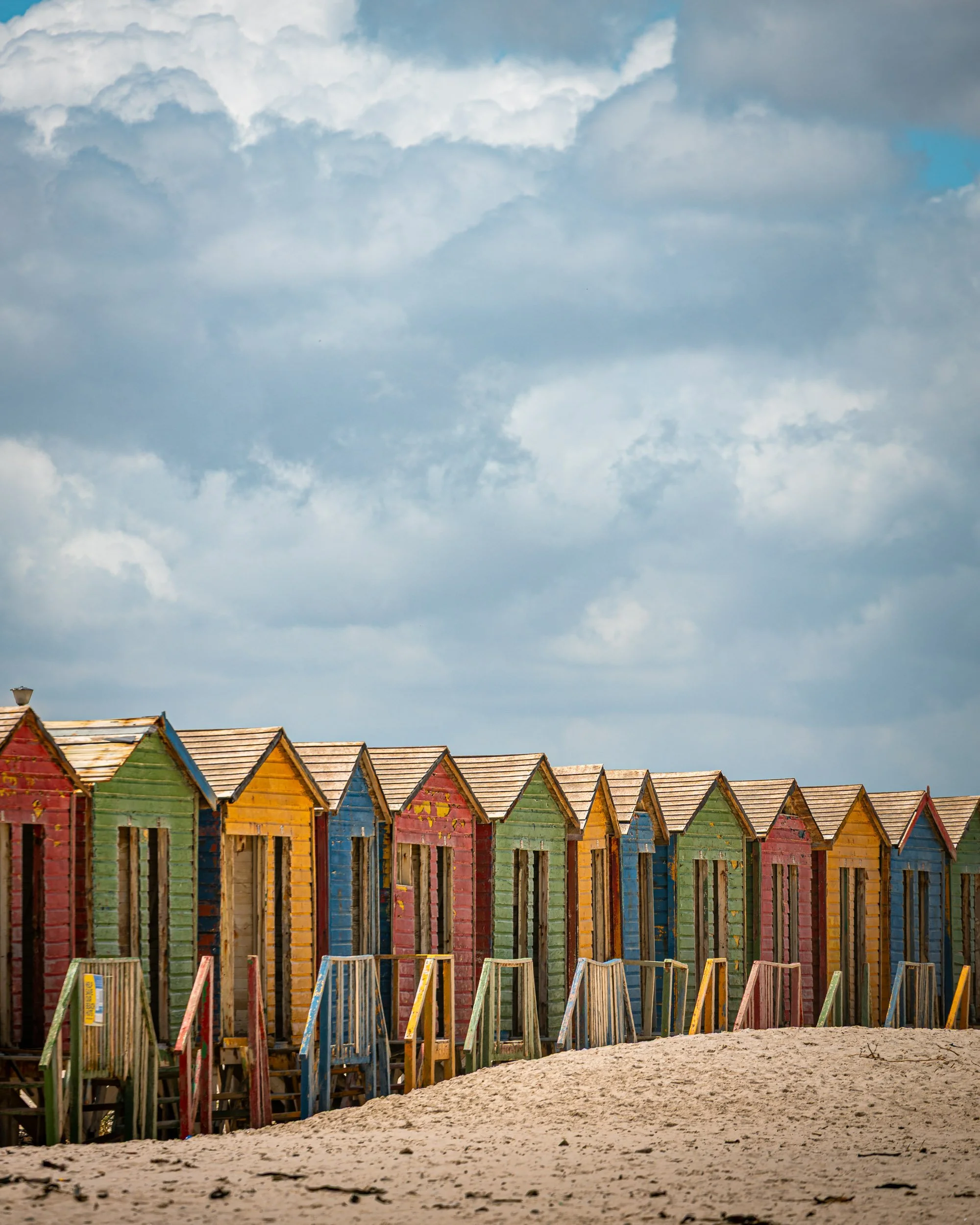
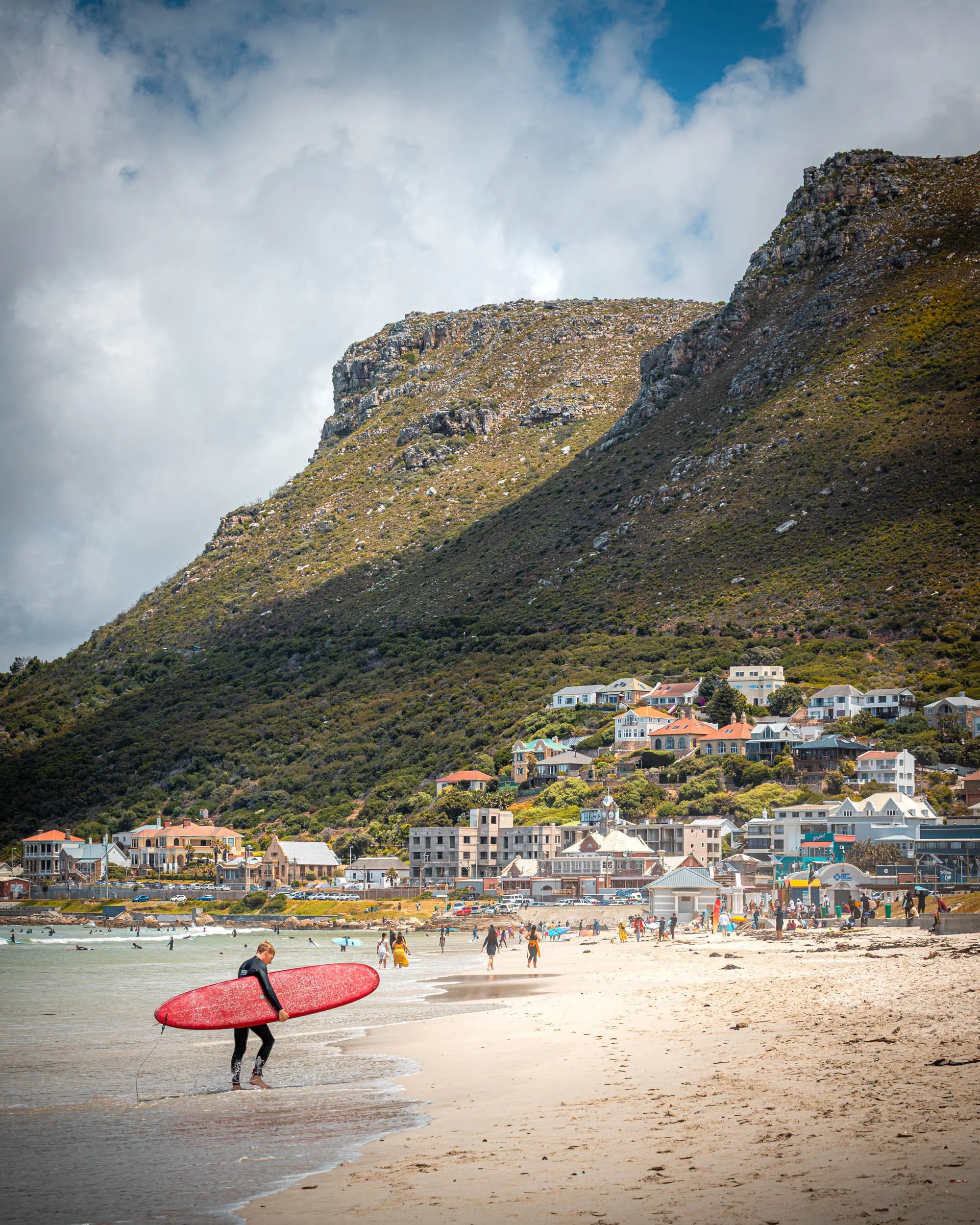
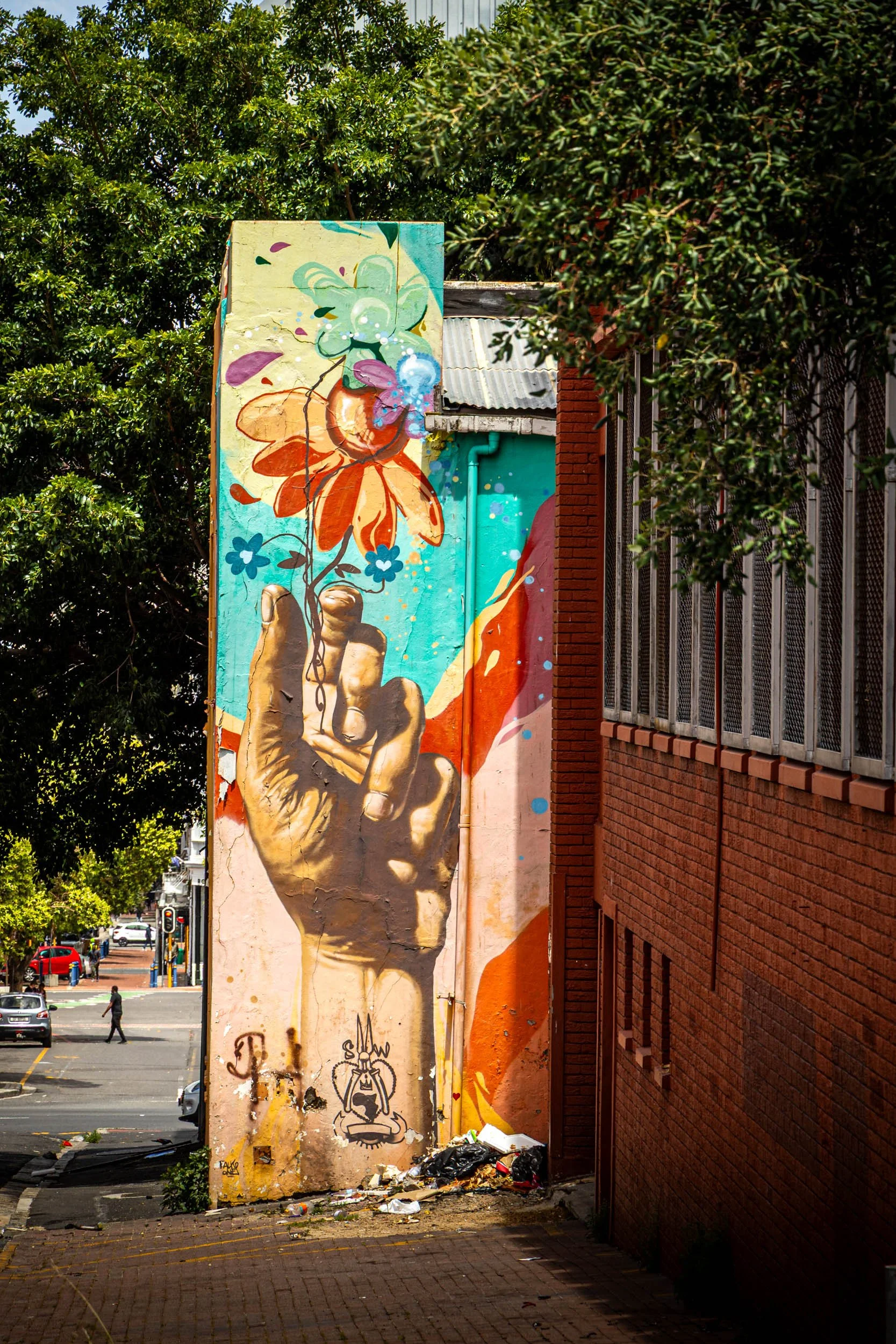
On our last full day, we did a Cape Town sightseeing tour, hitting all the classic spots you shouldn’t miss. We started with a visit to Muizenberg Beach. After a leisurely breakfast at the Harvest Café, we watched the hustle and bustle on the beach and the many surfers, and of course took a photo of the famous colorful beach houses, which have even appeared on the cover of Lonely Planet.
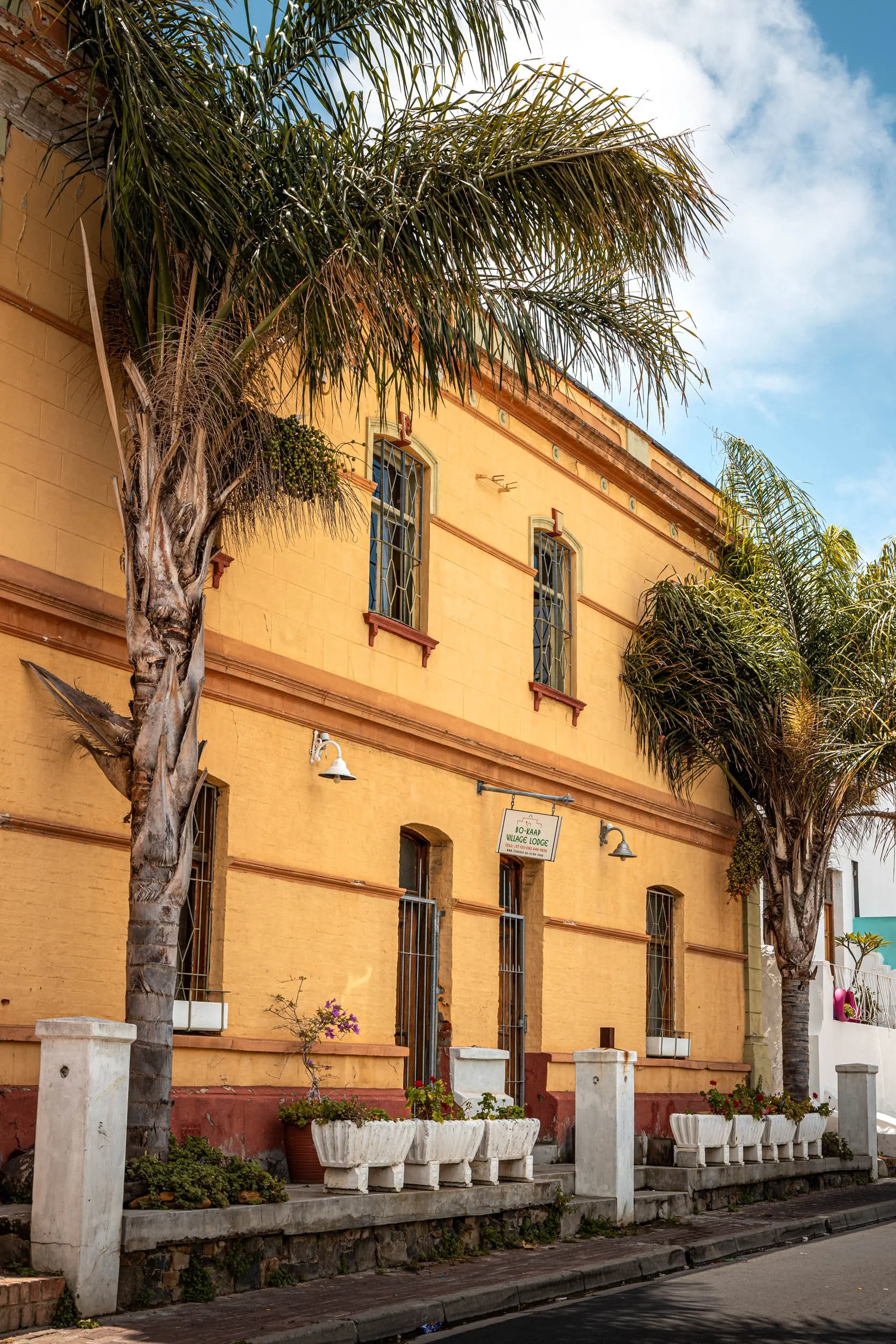
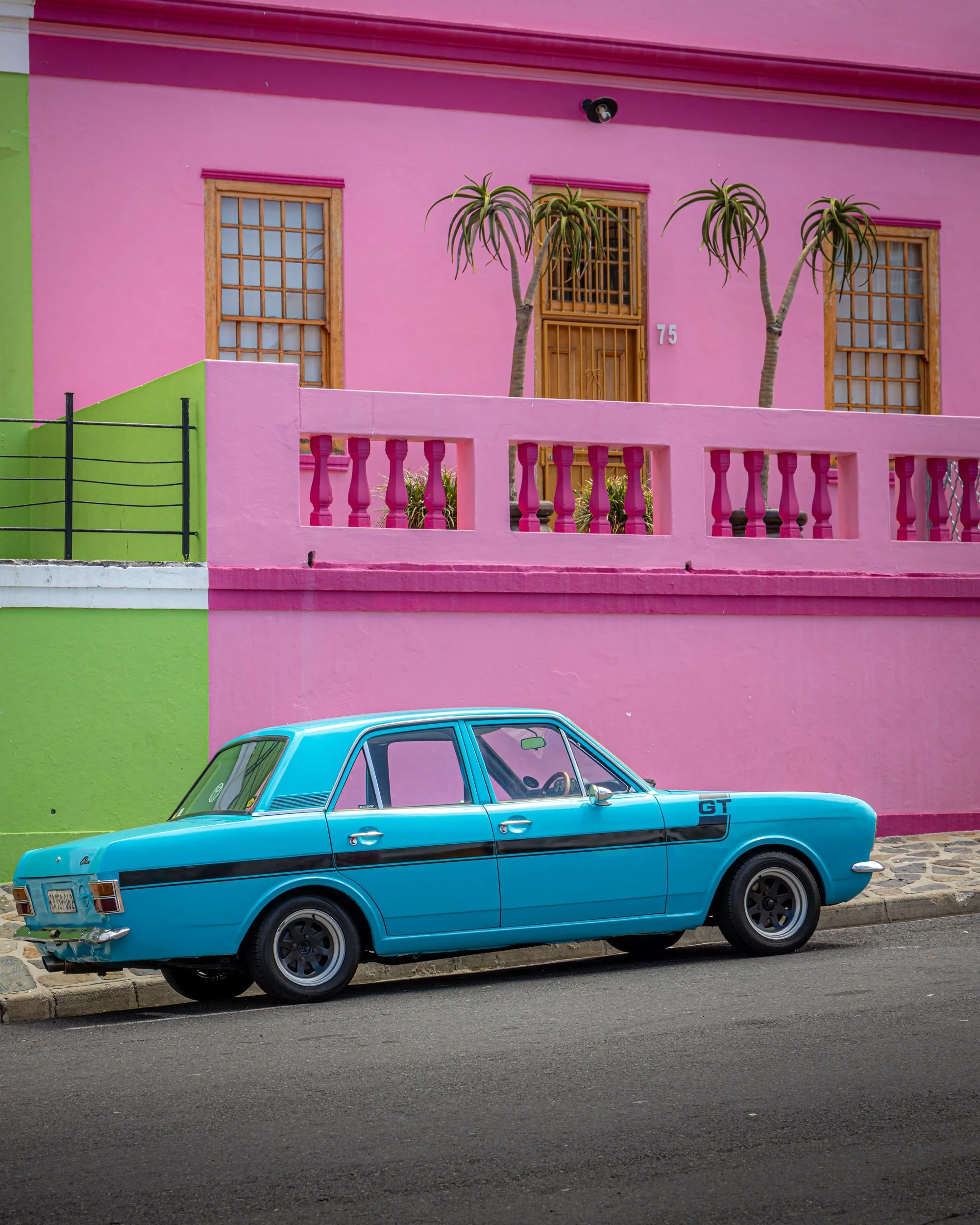
Next, we visited the Bo-Kaap neighborhood, known for its vibrant houses and narrow cobblestone streets. It’s a great area to simply stroll around and take in the atmosphere.
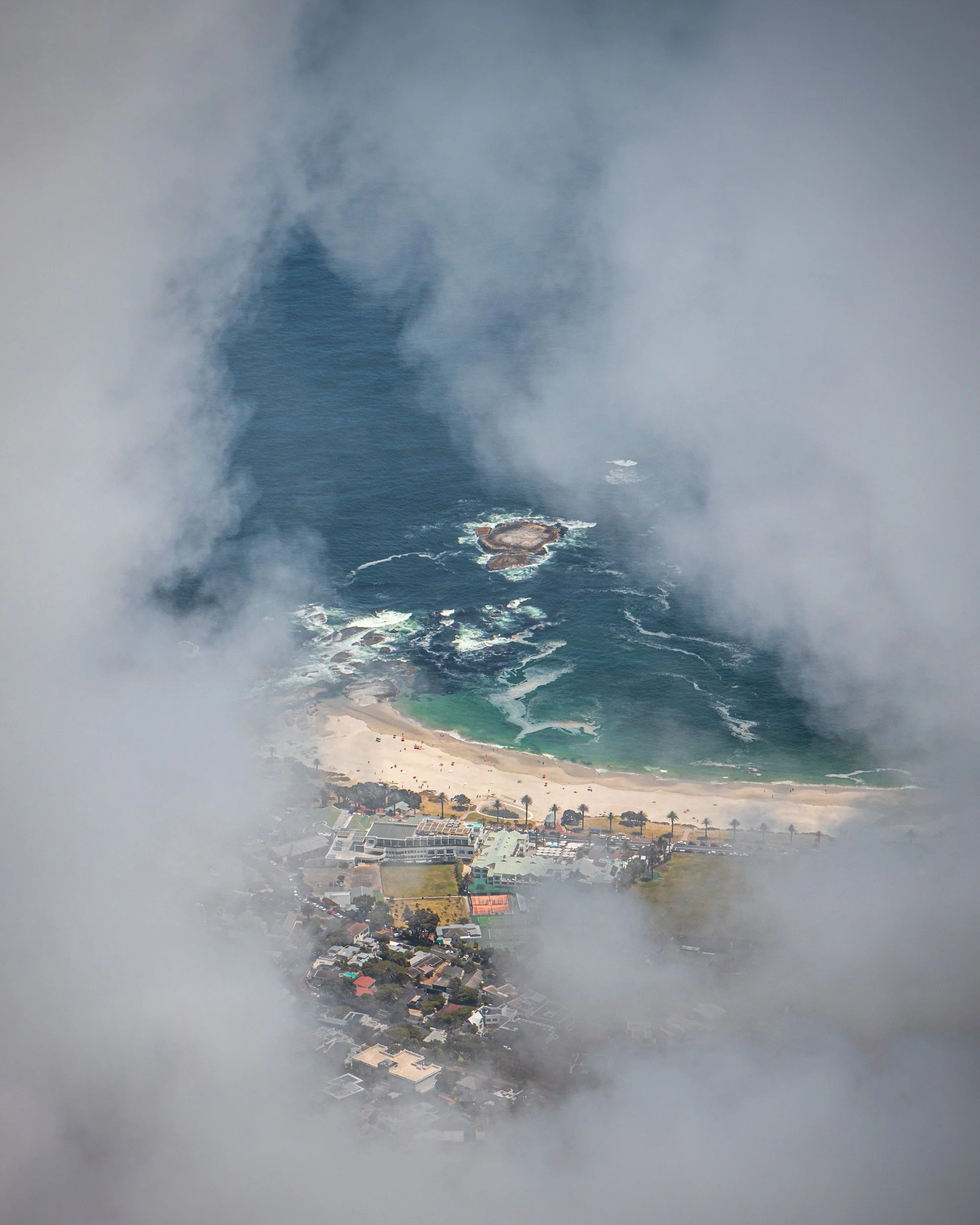
Afterwards, we headed to Camps Bay, but the weather wasn’t particularly inviting for lounging on the beach, so we just walked along the main street and stopped for a meal.
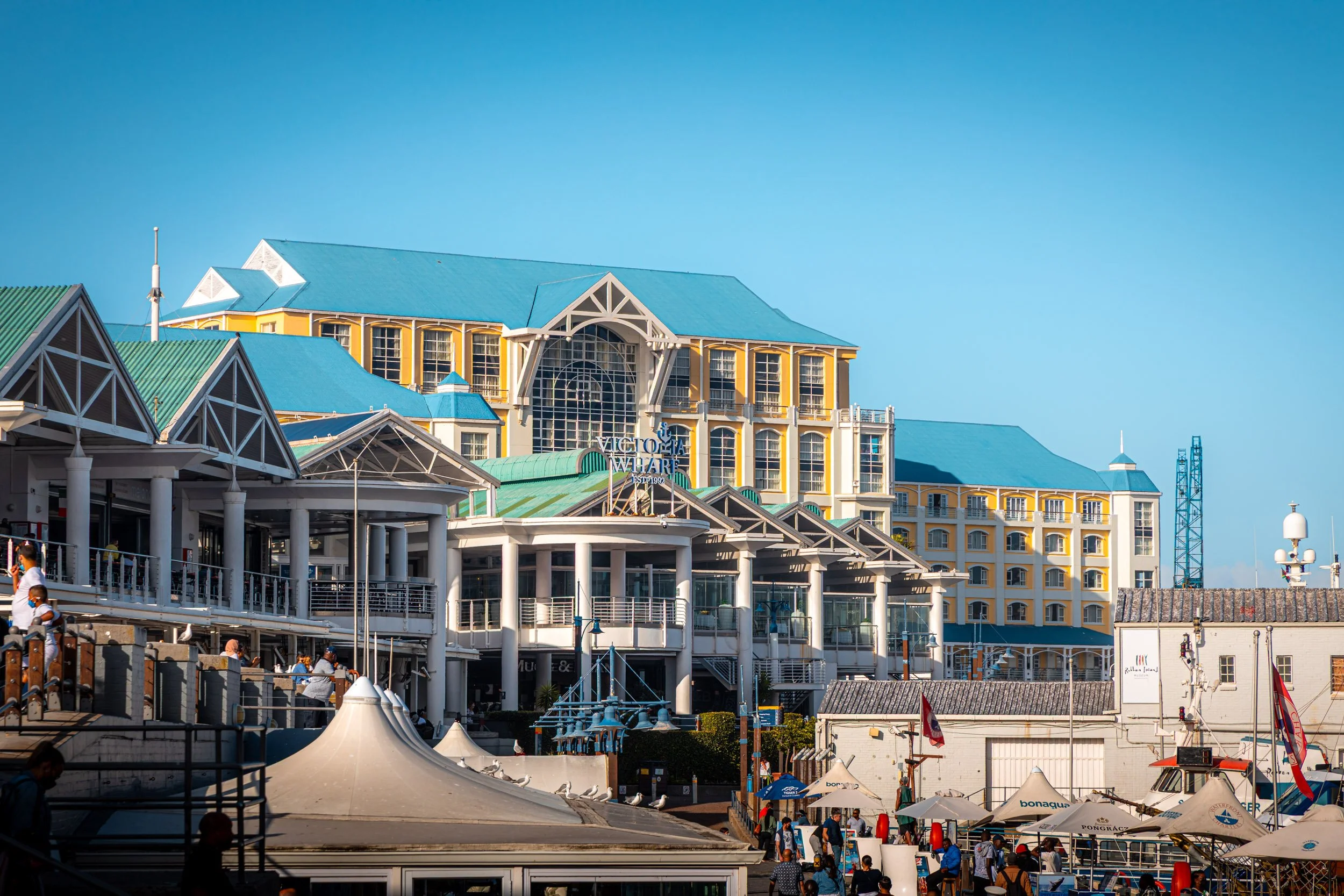
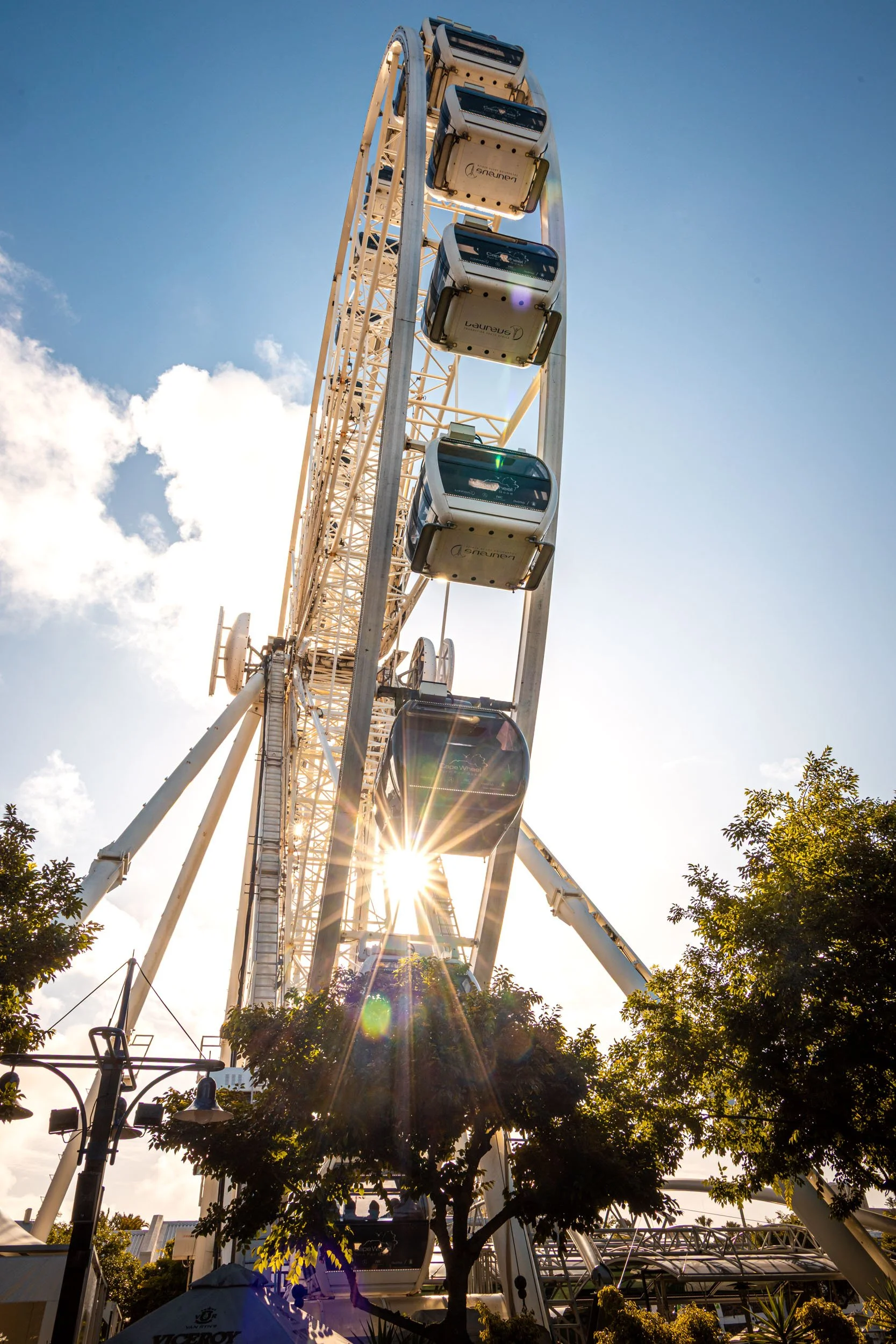
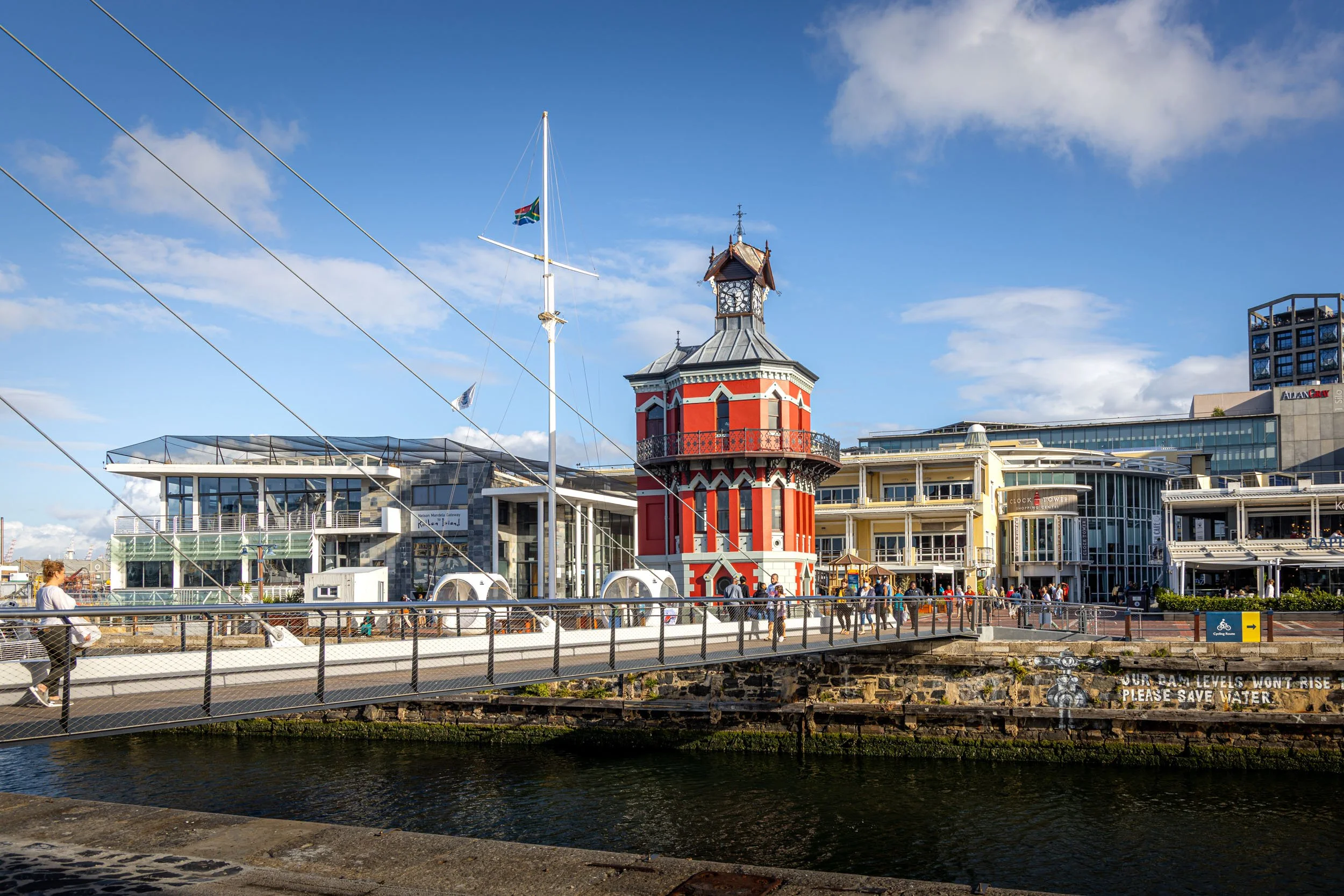
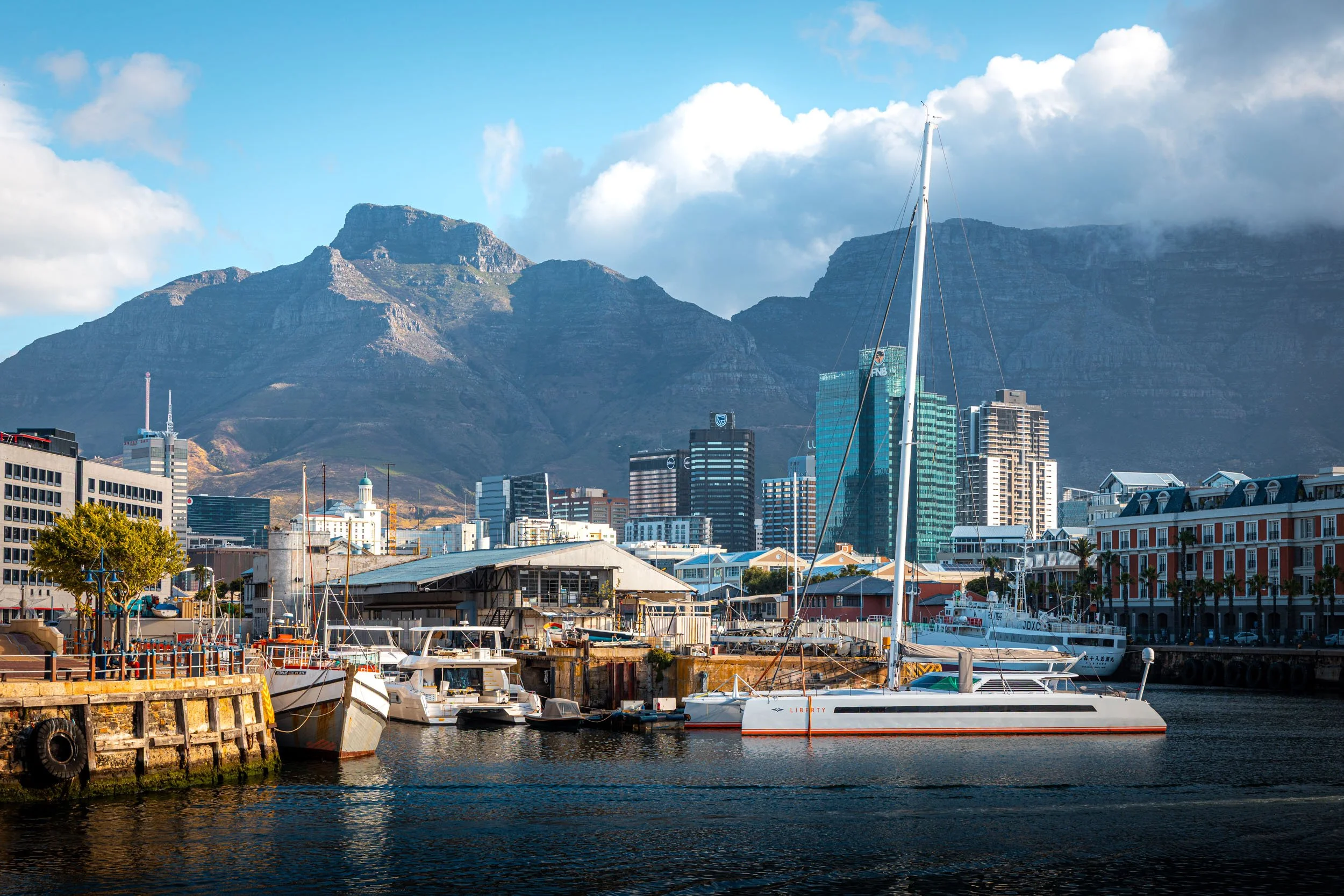
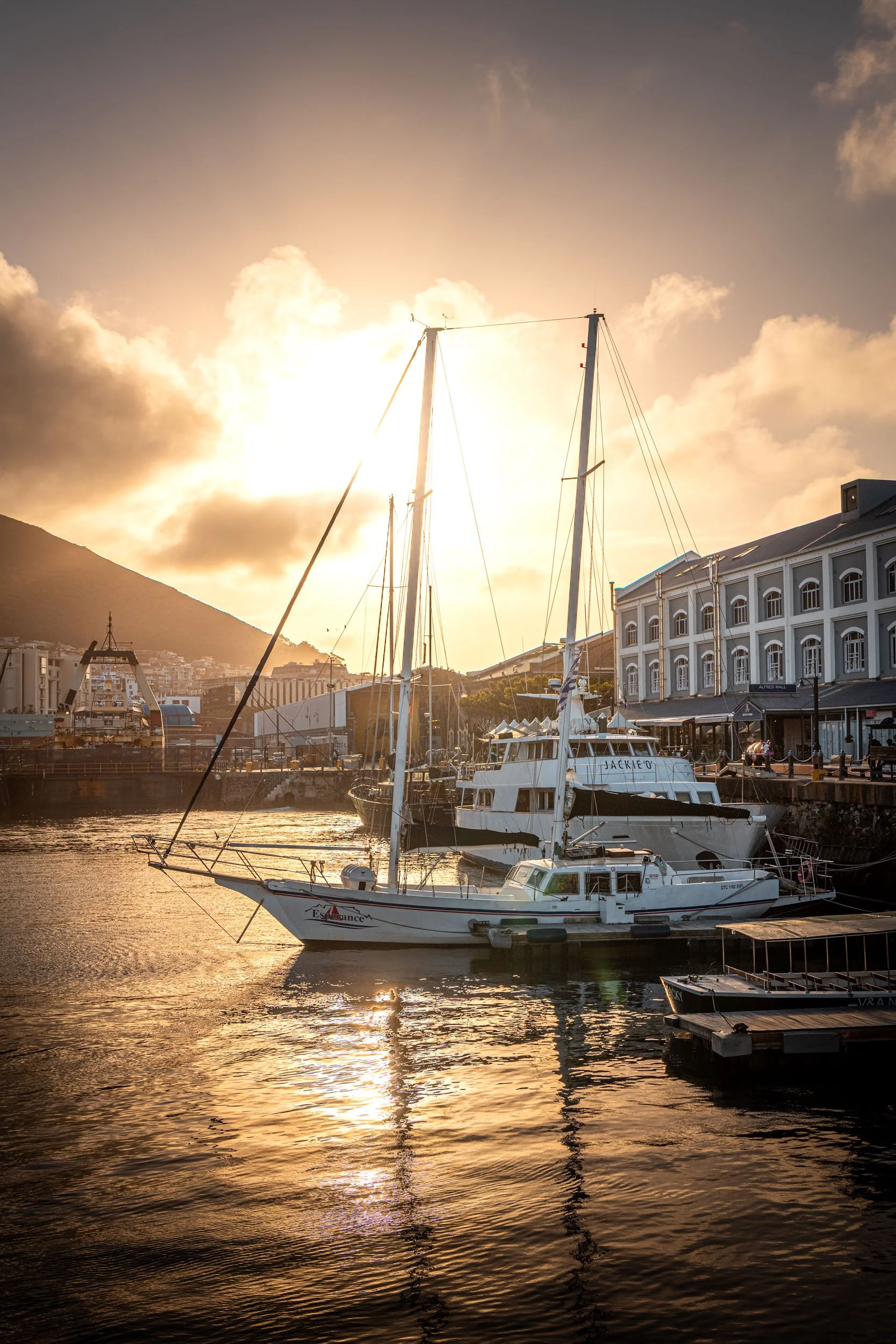
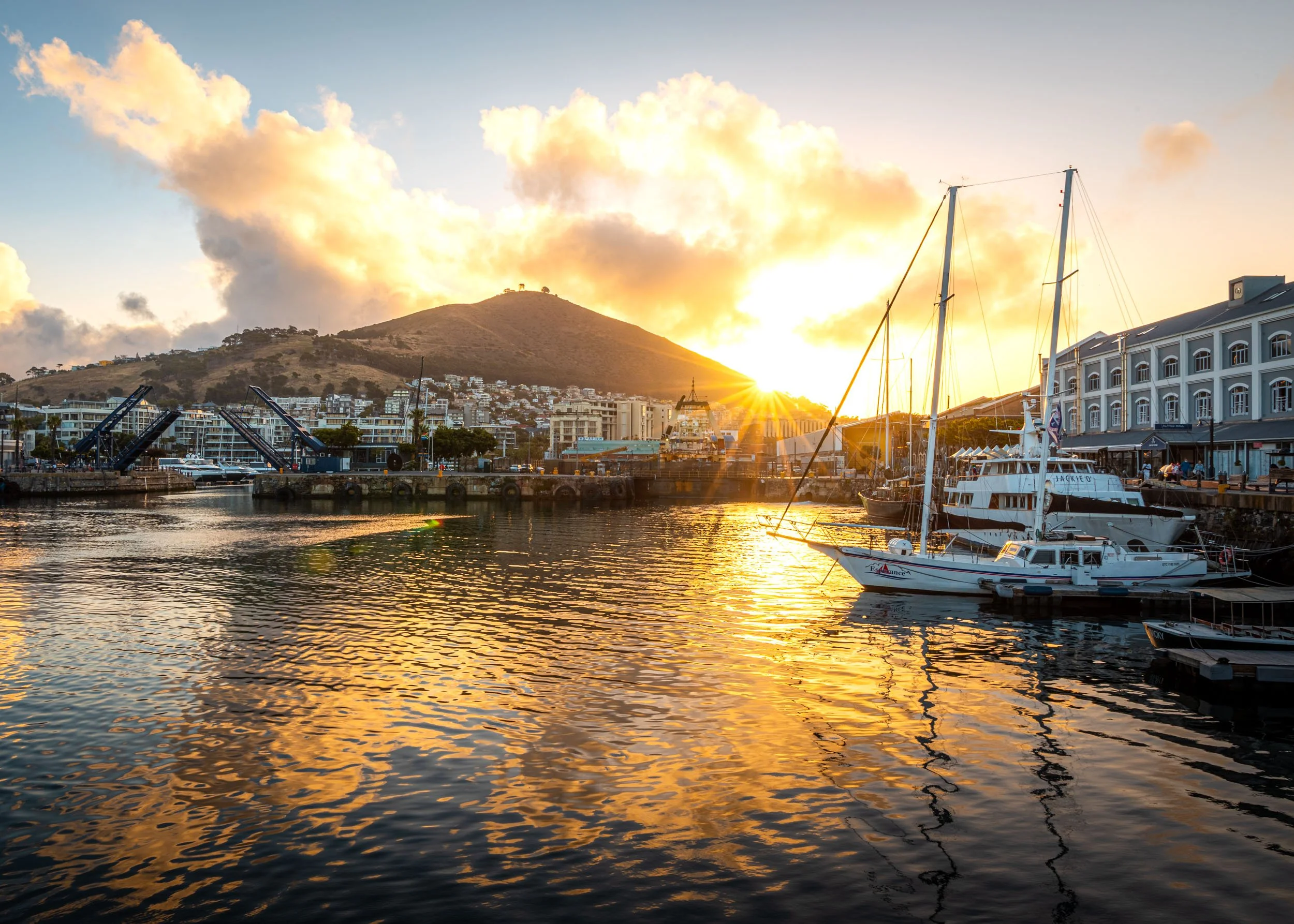
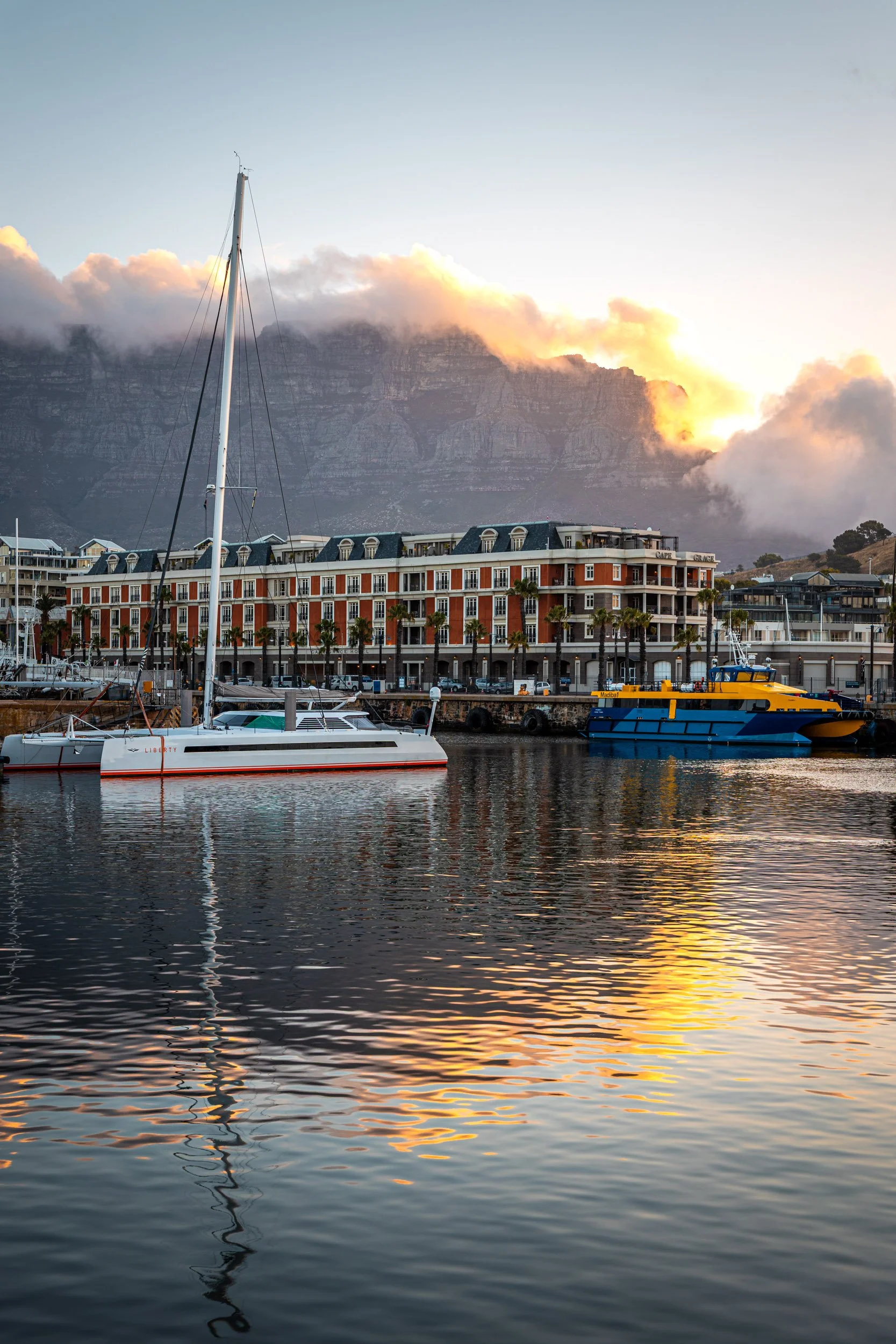
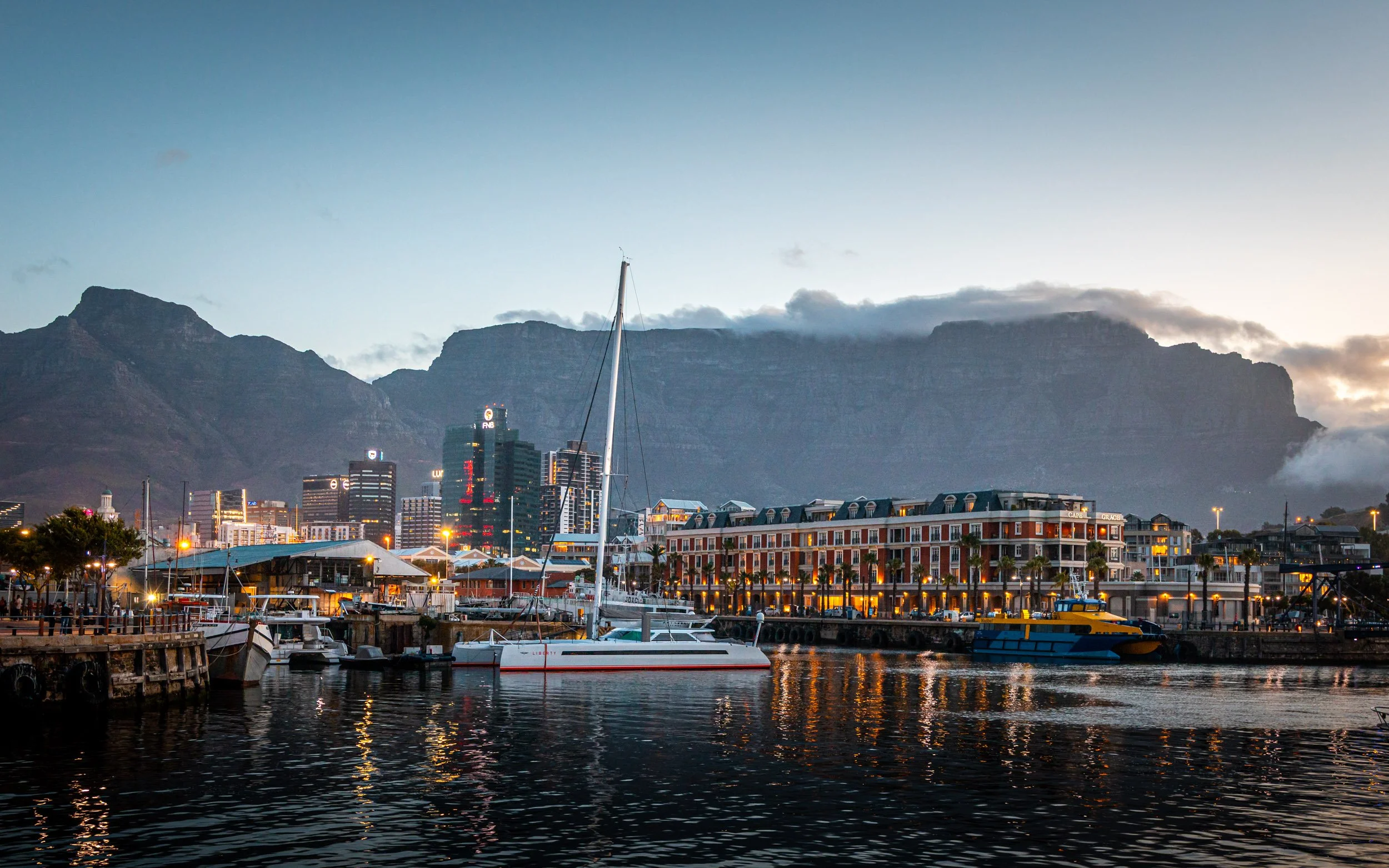
The final stop of the day was the V&A Waterfront. We wandered through some of the shops and later had dinner at one of the waterfront restaurants, enjoying a fantastic view of Table Mountain.
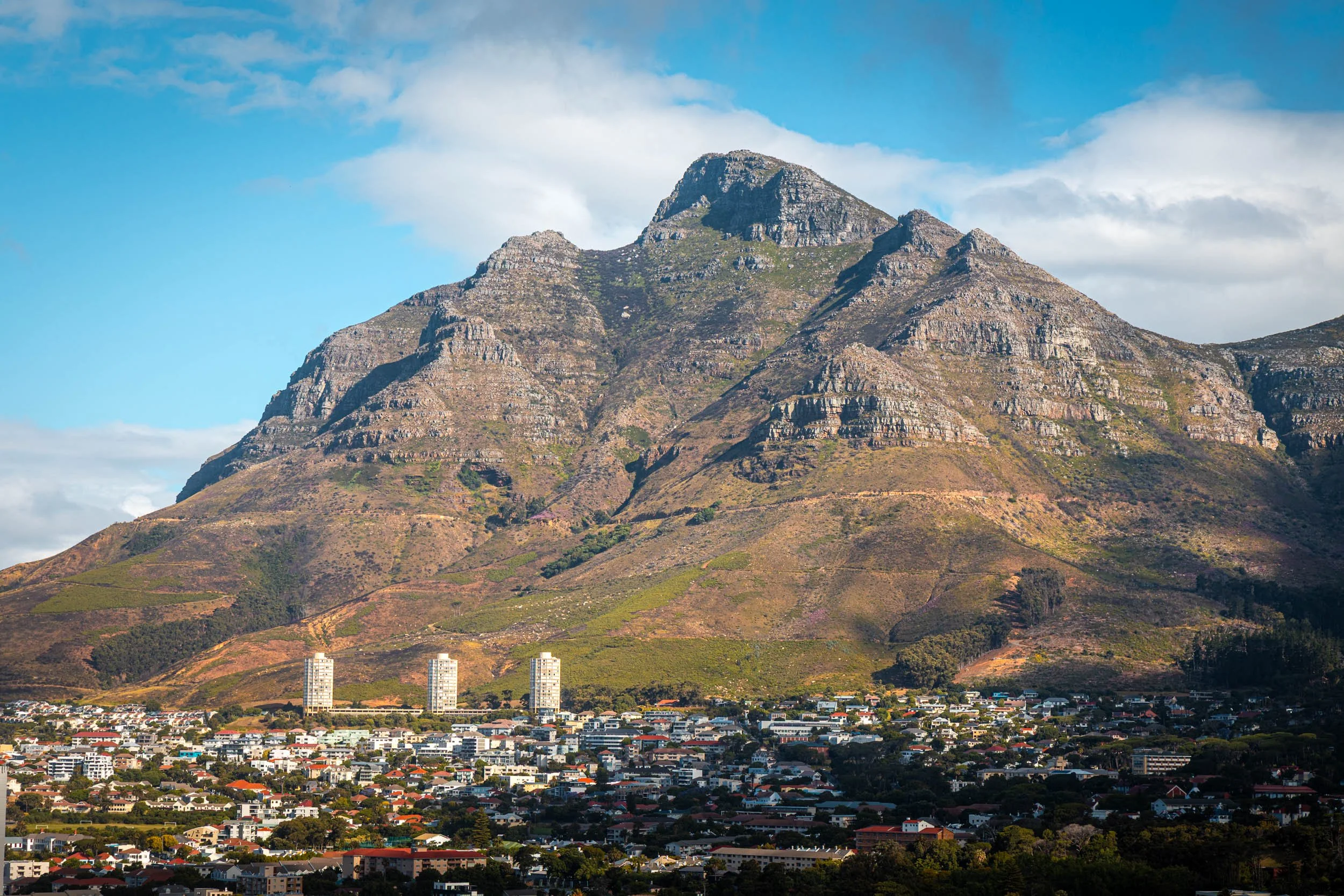
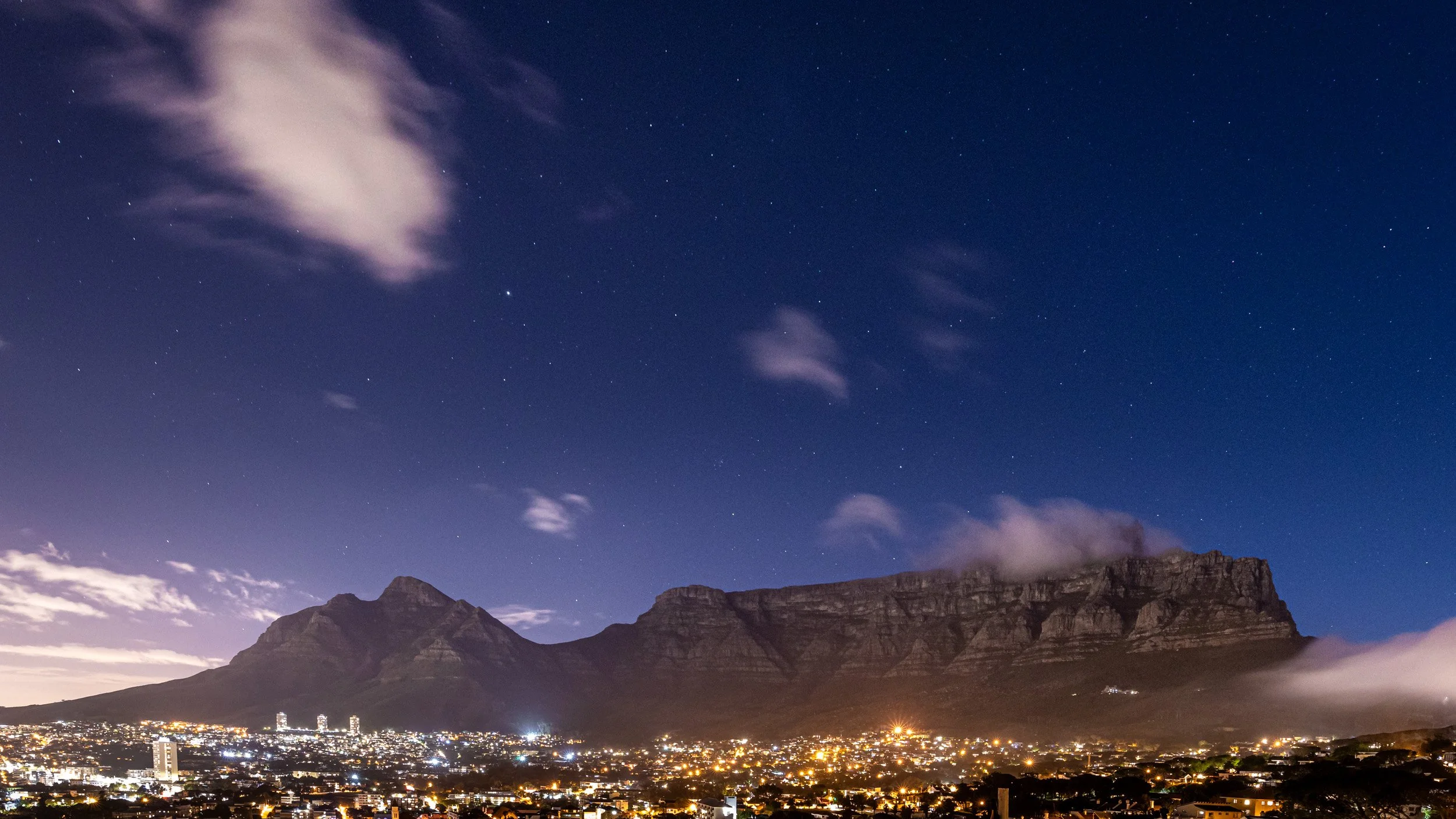
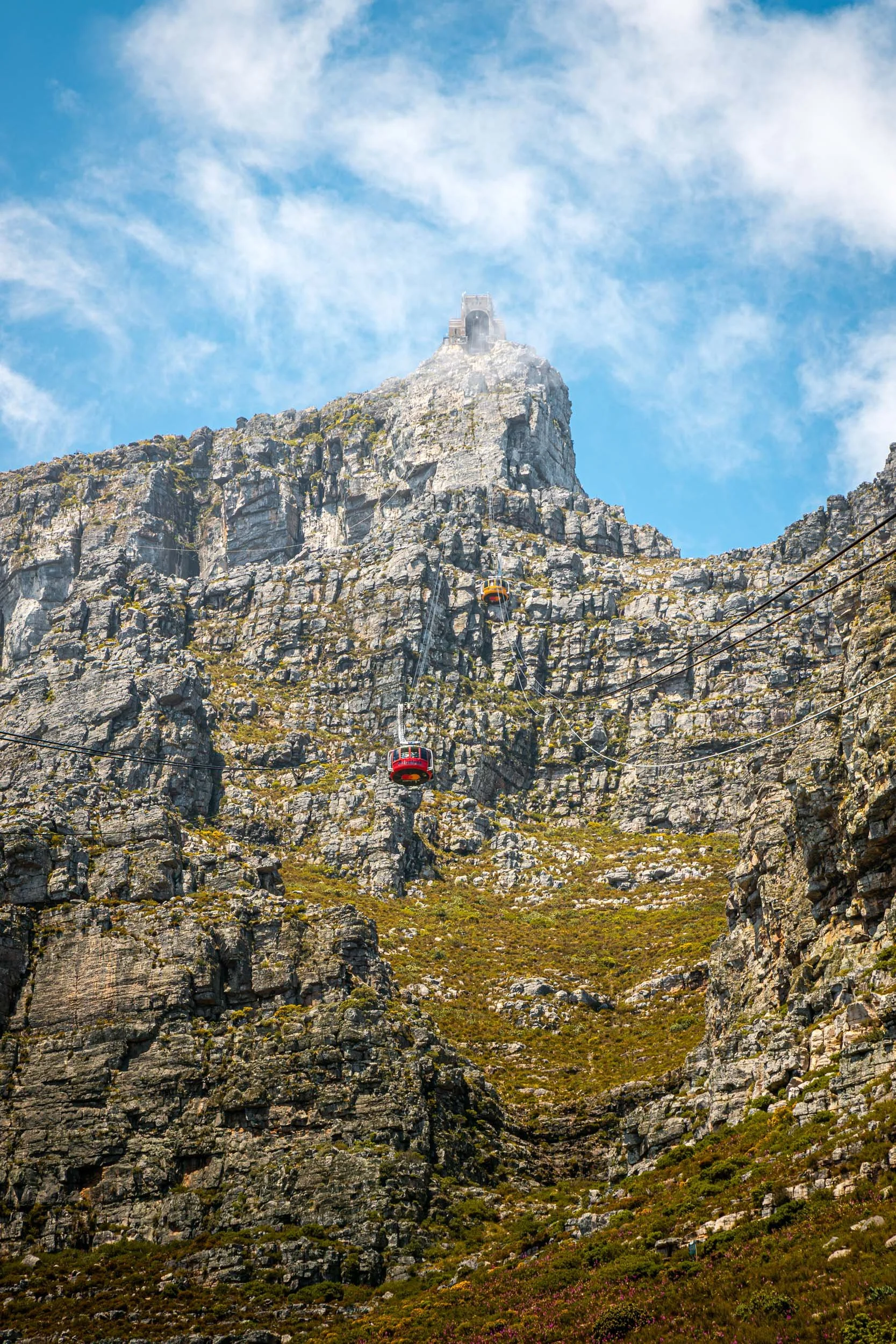
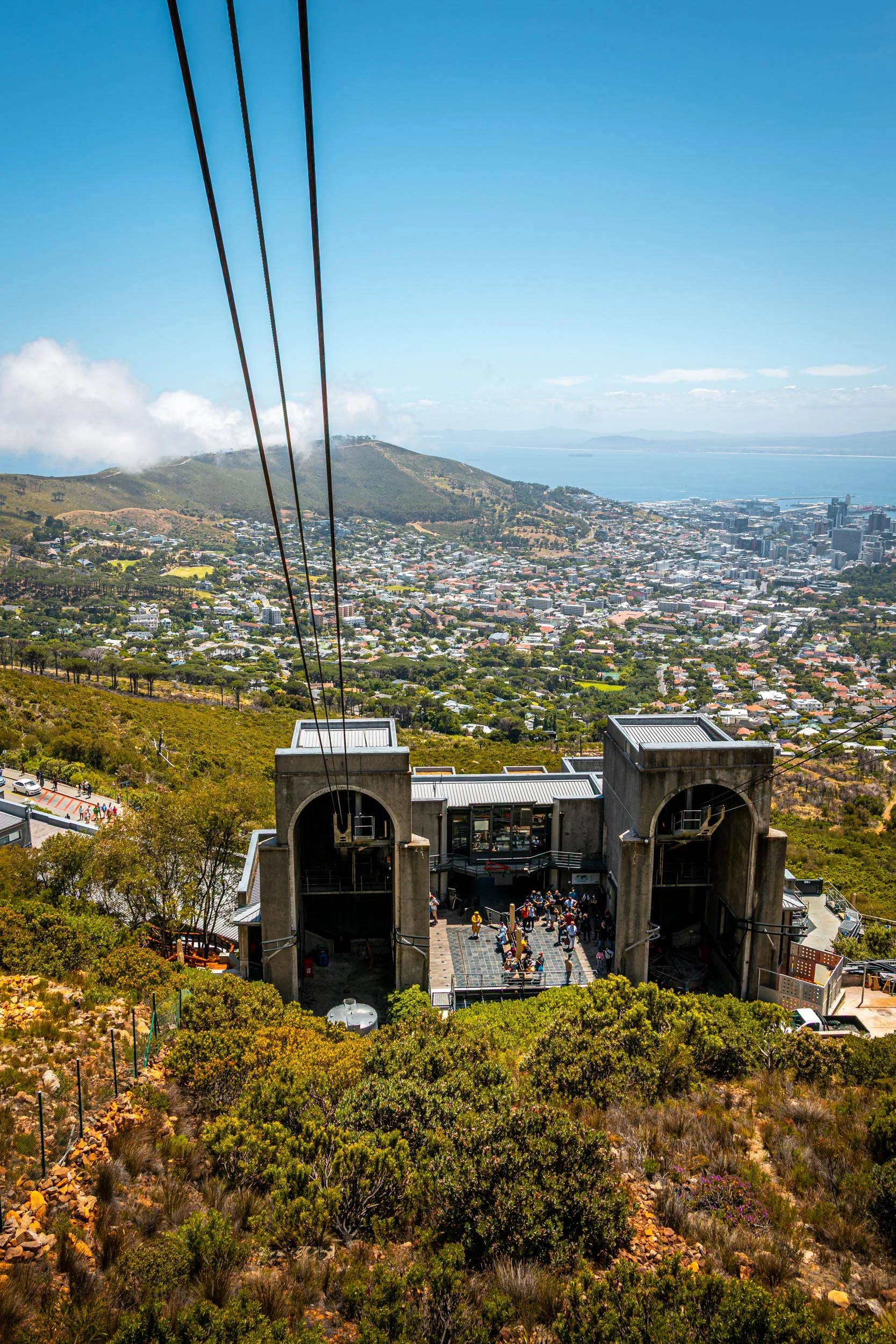
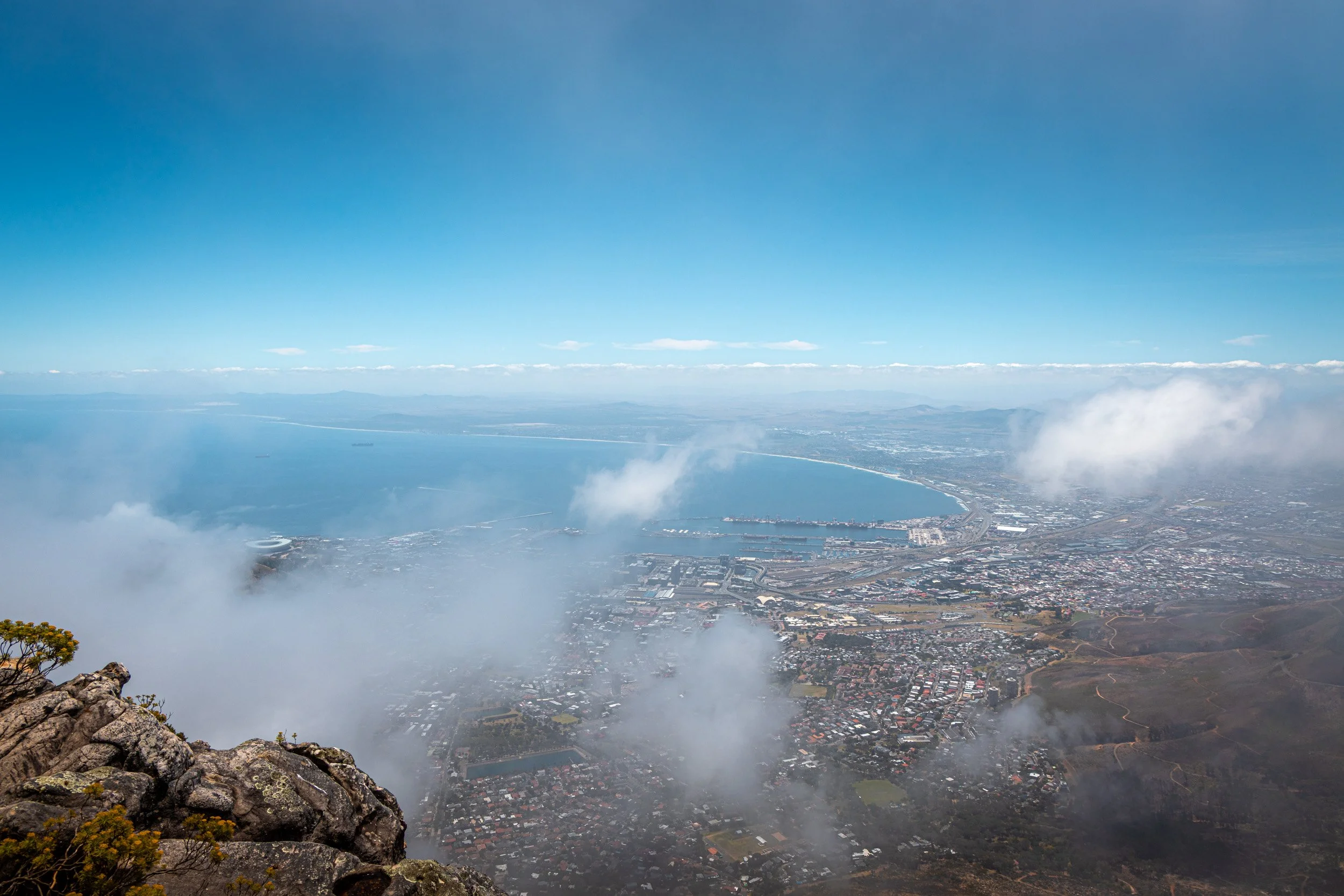
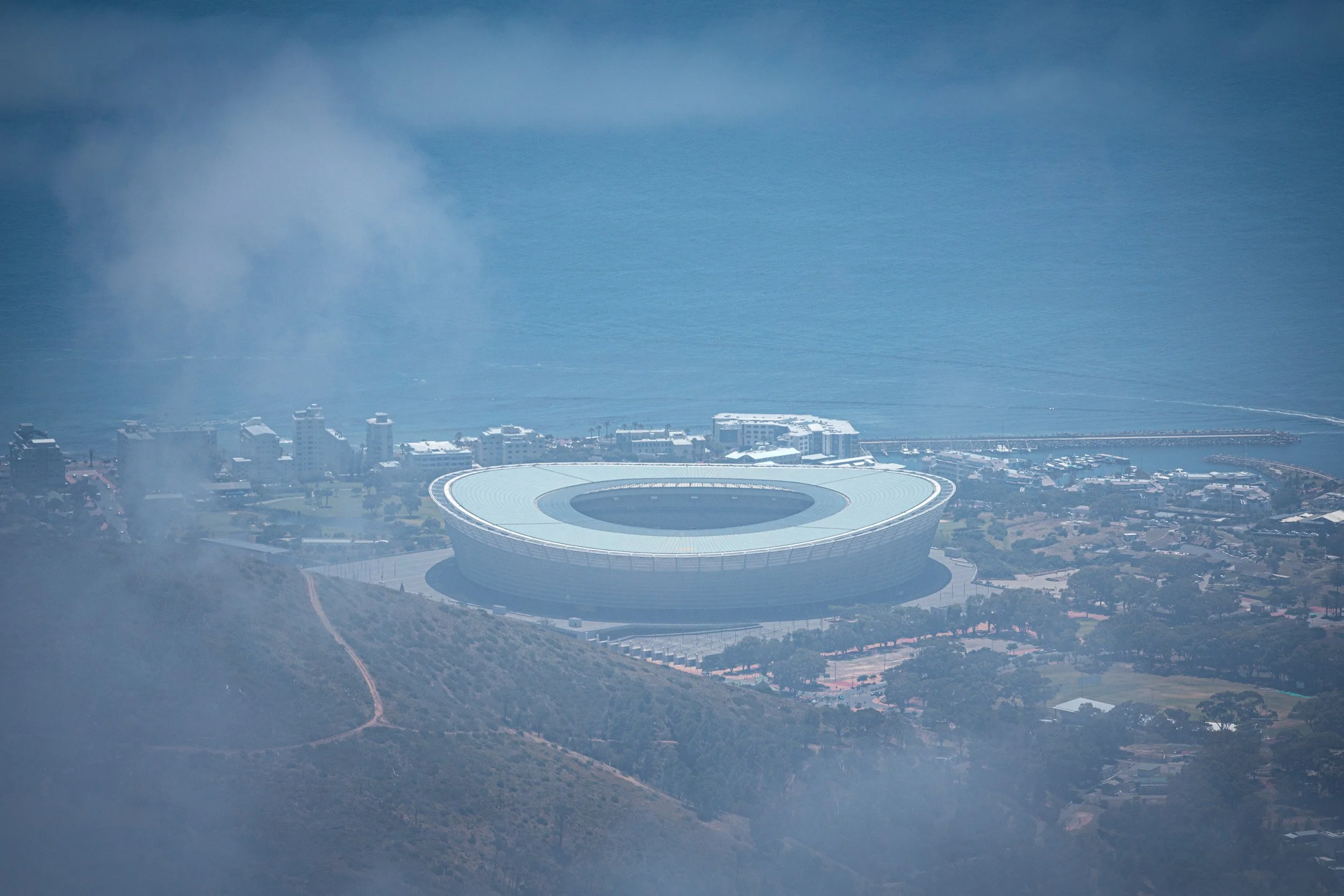
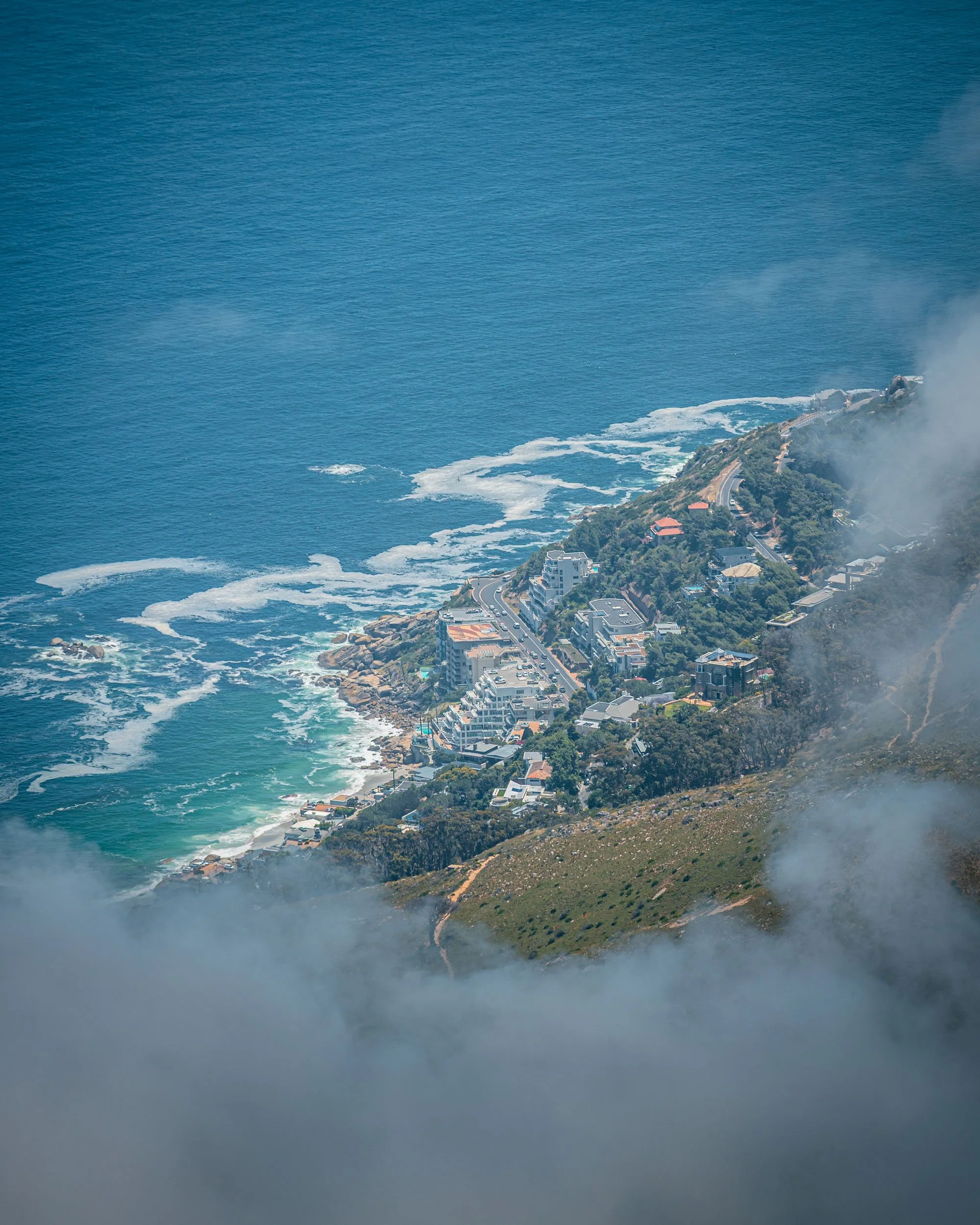
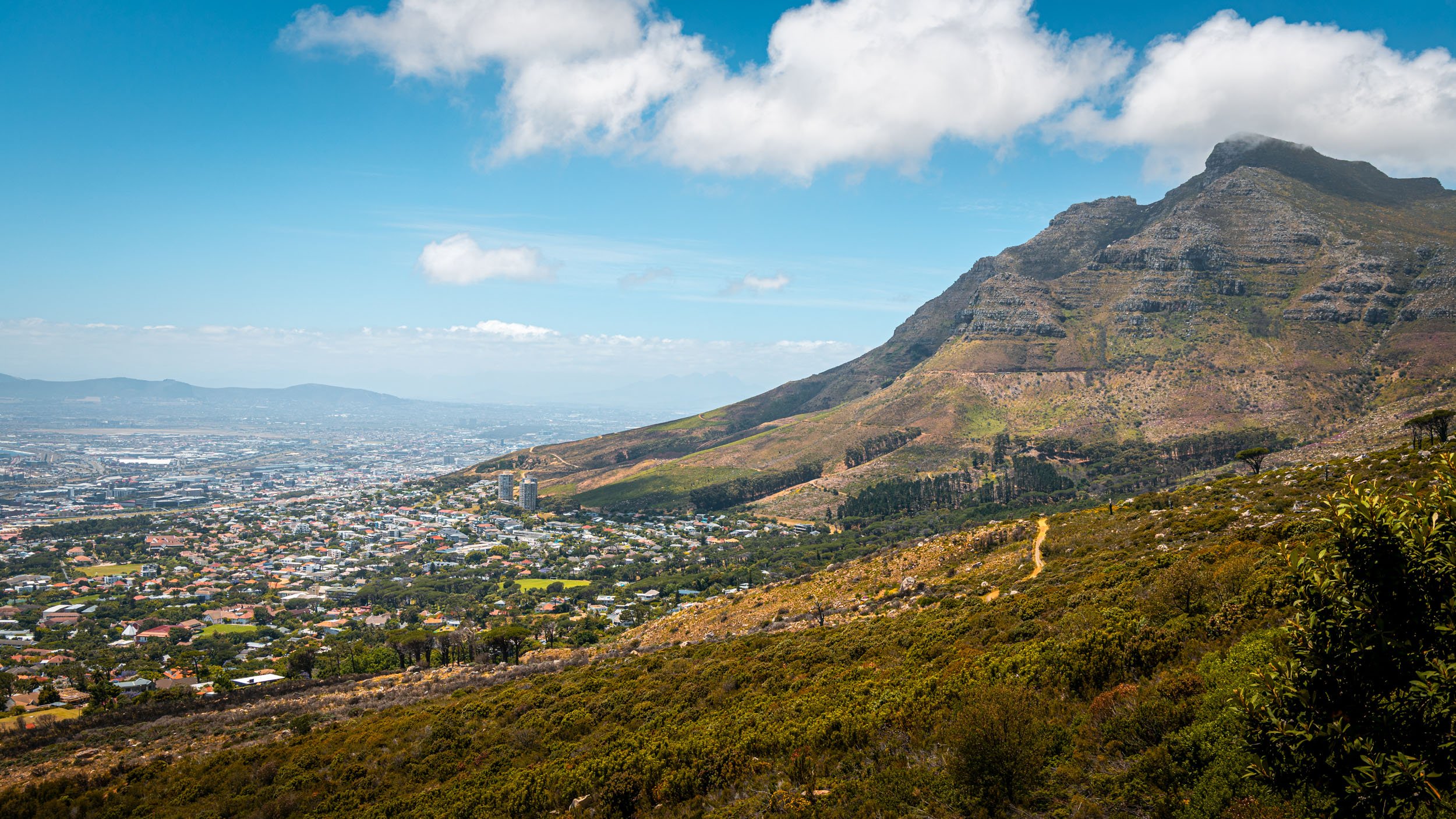
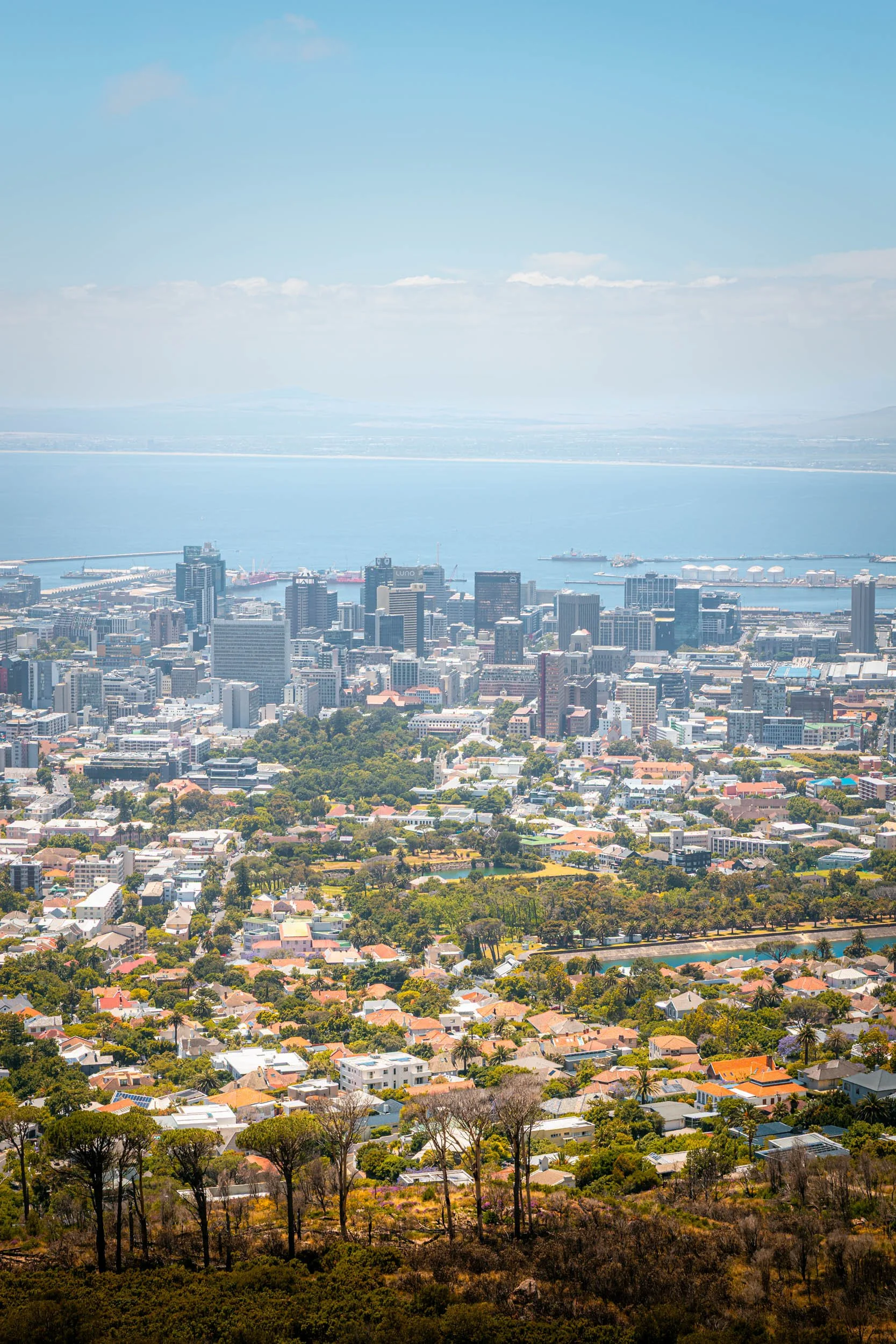
On our departure day, we still had a bit of time, so we took the cable car up Table Mountain. From there, the views over Cape Town, the ocean, and the surrounding mountains are incredible. Unfortunately, the mountain was partially shrouded in clouds, so we couldn’t see much most of the time, but occasionally there were gaps in the clouds that offered glimpses of the scenery.